
Are you ready to roll up your sleeves and get your lawnmower running smoothly again? Changing a spark plug might seem daunting, but it’s a simple task that anyone can tackle.
Imagine the satisfaction of hearing your mower purr back to life, all thanks to your handiwork. In this guide, we’ll walk you through the steps to change a spark plug on your lawnmower effortlessly. You’ll learn why this tiny component is crucial for the performance of your mower and how a quick swap can save you time and frustration in the long run.
Dive in, and before you know it, you’ll be back to achieving that perfectly manicured lawn with ease.
Credit: www.familyhandyman.com
Tools Needed
Gathering the right tools is essential before you start changing the spark plug on your lawnmower. Having everything at hand not only speeds up the process but also prevents frustration. Missing a specific tool can turn a simple task into a complicated one.
Spark Plug Wrench
A spark plug wrench is designed to fit the spark plug perfectly, allowing you to loosen or tighten it without damage. Unlike regular wrenches, this tool has a rubber insert or magnetic feature to hold the plug securely. Using the correct wrench reduces the risk of stripping the plug or injuring yourself.
Replacement Spark Plug
Always have the correct replacement spark plug ready before you begin. Check your lawnmower’s manual to find the exact type and heat range needed. Installing the wrong spark plug can affect engine performance or cause damage, so double-checking this detail is crucial.
Socket Set
A socket set often includes the spark plug wrench size and other useful sockets you might need. It provides versatility if you need to remove other parts to access the spark plug. Investing in a quality socket set can save you time and effort in multiple lawnmower maintenance tasks.
Cleaning Brush
A cleaning brush helps remove dirt and debris around the spark plug area before removal. This step prevents contaminants from falling into the engine cylinder. A small wire brush or an old toothbrush works well for this purpose.
Gloves And Safety Gear
Protect your hands with gloves to avoid cuts, burns, or contact with fuel and oil. Safety glasses are also wise to shield your eyes from dirt or debris. Taking these precautions makes the job safer and more comfortable.

Credit: www.youtube.com
Preparing The Lawnmower
Preparing the lawnmower properly is crucial before changing the spark plug. It ensures safety and easy access to the parts. Taking time to prepare helps avoid damage and injury. Follow these steps carefully for a smooth process.
Turn Off And Disconnect
Make sure the lawnmower is completely off. Remove the key if it has one. Disconnect the spark plug wire from the spark plug. This prevents the mower from starting accidentally. Safety first.
Accessing The Spark Plug
Locate the spark plug on your lawnmower engine. It is usually on the side or top of the engine block. Remove any covers or guards blocking access. Use a wrench if needed to loosen bolts. Clear space around the spark plug for easy reach.
Cleaning The Area
Clean dirt and grass from around the spark plug. Use a brush or cloth to remove debris. This stops dirt from falling into the engine. A clean area makes the job easier and safer.
Removing The Old Spark Plug
Removing the old spark plug is a crucial step in maintaining your lawnmower’s engine. It might seem simple, but doing it carefully ensures you don’t damage any parts and helps your mower run smoothly afterward. Let’s break down how to do it right, starting with disconnecting the spark plug wire.
Disconnecting The Spark Plug Wire
First, locate the spark plug wire attached to the top of the spark plug. It’s usually a thick black cable with a rubber boot at the end. Gently grip the rubber boot—not the wire itself—and pull it straight off to avoid damaging the wire.
Have you noticed how many people pull on the wire and risk breaking it? Taking this extra moment protects your lawnmower’s ignition system and saves you from extra repairs later.
Using The Wrench To Unscrew
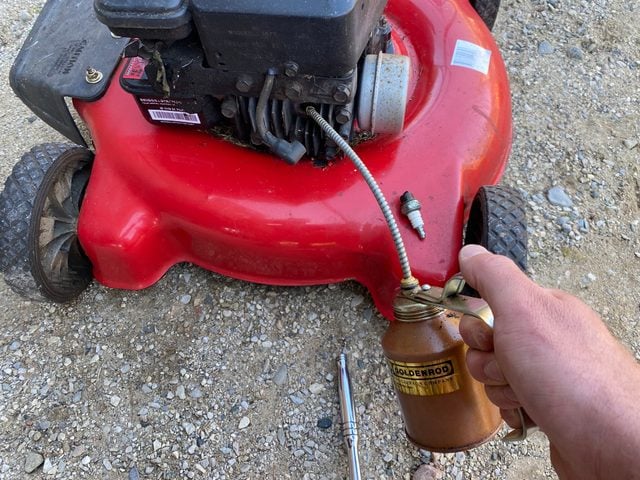
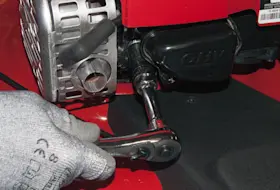
Once the wire is disconnected, use a spark plug wrench or a deep socket wrench to loosen the spark plug. Turn the wrench counterclockwise with steady pressure. If the plug feels stuck, don’t force it too hard; a little penetrating oil can help loosen rust or dirt.
Keep in mind the spark plug might be tight from engine heat and use. Using the right size wrench prevents rounding off the plug’s edges, which would make removal much harder.
Inspecting The Old Plug
After removing the spark plug, take a close look at it. Check for signs of wear like carbon buildup, oil deposits, or cracks in the ceramic insulator. These clues tell you a lot about your engine’s health and whether the spark plug was functioning properly.
Have you ever been surprised by what an old spark plug reveals about your mower? Understanding these signs can help you catch bigger problems early before they become costly repairs.
Credit: www.searspartsdirect.com
Installing The New Spark Plug
Installing the new spark plug is a key part of lawnmower maintenance. Proper installation ensures the engine runs smoothly and starts easily. This process requires a few careful checks and the right tools.
Checking The Gap
Check the gap between the spark plug electrodes using a gap gauge. The correct gap size is usually listed in the lawnmower manual. If the gap is too wide or too narrow, adjust it gently by bending the ground electrode. A proper gap helps the spark ignite the fuel efficiently.
Threading The New Plug
Insert the new spark plug into the engine’s spark plug hole carefully. Use your fingers to thread it in first. This prevents cross-threading and damage to the engine. Turn the spark plug slowly until it feels snug against the engine surface.
Tightening Properly
Use a spark plug socket and ratchet to tighten the spark plug. Avoid over-tightening, as it can damage the threads or the plug. Tighten until it is snug, then give it a slight additional turn as recommended. Proper tightening ensures a good seal and reliable engine performance.
Final Steps
After replacing the spark plug, a few final steps ensure your lawnmower runs smoothly. These steps help complete the process safely and effectively. Follow them carefully to avoid damage and keep your mower ready for the next use.
Reattaching The Spark Plug Wire
Gently push the spark plug wire back onto the new spark plug. Make sure it fits snugly. A loose connection can cause the mower to fail starting or run poorly.
Cleaning Up
Remove any tools and old spark plugs from the workspace. Wipe off dirt or grease from the lawnmower around the spark plug area. Proper cleaning prevents debris from entering the engine and causing damage.
Testing The Lawnmower
Start the lawnmower to check if it runs well. Listen for smooth engine sounds and steady running. If it struggles to start or runs roughly, double-check the spark plug connection and installation.
Troubleshooting Tips
Troubleshooting spark plug issues on your lawnmower can save you time and frustration. Sometimes, the problem isn’t just a simple swap. Understanding common hiccups helps you fix the issue faster and get back to mowing your lawn without hassle.
Spark Plug Not Fitting
If the spark plug doesn’t fit, first check the size and thread type. Lawn mowers often require specific spark plugs—using the wrong one can cause damage or poor performance.
Look at your lawnmower’s manual or the old spark plug for the exact model number. If you grabbed a plug from the store without verifying, it might be the wrong fit. Don’t force it in; this can strip the threads and lead to costly repairs.
Lawnmower Still Won’t Start
After changing the spark plug, your mower might still refuse to start. This could mean the spark plug isn’t firing correctly or there’s another underlying issue.
Check if the spark plug wire is connected tightly and that the plug gap matches manufacturer recommendations. Try testing the spark plug by grounding it on the engine block and pulling the starter cord—do you see a spark? If not, the plug might be faulty or the ignition system could need attention.
When To Replace Other Parts
If your lawnmower keeps stalling or won’t start after a spark plug change, other parts might be the culprit. Consider inspecting the air filter, fuel filter, and carburetor for clogs or wear.
Dirty air filters can choke the engine, while bad fuel filters block fuel flow. Carburetors often get gummed up with old fuel. If you haven’t replaced these parts in a while, it might be time for a tune-up to keep your mower running smoothly.
Frequently Asked Questions
How Often Should I Change Lawnmower Spark Plugs?
Change spark plugs every 25-50 hours of use or annually. Regular replacement ensures efficient engine performance and easy starts.
What Tools Do I Need To Change A Spark Plug?
You need a spark plug socket, ratchet wrench, and gap gauge. These tools help safely remove and install the spark plug.
How Do I Check If A Spark Plug Is Faulty?
Look for worn electrodes, carbon deposits, or cracks. A faulty plug causes engine misfires, hard starts, or poor performance.
Can I Use Any Spark Plug For My Lawnmower?
No, use the manufacturer’s recommended spark plug type. Using the correct plug ensures optimal engine function and longevity.
Conclusion
Changing a spark plug keeps your lawnmower running well. It helps the engine start easily and work smoothly. Regular checks prevent bigger problems later on. You save money by doing this simple task yourself. Follow the steps carefully for best results.
Take your time and stay safe while working. Your lawnmower will thank you with better performance. Keep this skill handy for future maintenance. Easy, quick, and useful—small effort, big difference.





