Are you noticing your engine misfiring or experiencing a rough idle? These could be signs that your spark plugs are going bad.
Spark plugs might be small, but they play a crucial role in keeping your engine running smoothly. When they fail, your vehicle’s performance and fuel efficiency can take a nosedive. But why do these tiny components go bad, and what can you do about it?
Understanding the causes of spark plug failure can save you time, money, and a lot of frustration. Stick around to discover the surprising reasons your spark plugs might be on their last leg and how you can extend their lifespan. Your car—and your wallet—will thank you.

Credit: www.reddit.com
Spark Plug Basics
Spark plugs play a key role in your vehicle’s engine. They create the spark that ignites the fuel-air mix. This ignition powers the engine and keeps your car running. Understanding spark plug basics helps spot problems early. It also guides proper maintenance for better performance.
Role In Engine Performance
Spark plugs deliver an electric spark inside the engine’s cylinder. This spark ignites the fuel and air mixture. The explosion pushes the piston down, creating power. Good spark plugs ensure smooth starts and steady engine running. Worn spark plugs cause misfires, rough idling, and lower fuel efficiency.
Types Of Spark Plugs
Several spark plug types exist, each suited for different engines and driving conditions. Common types include:
- Copper: Basic and affordable, but wear out faster.
- Platinum: Last longer and resist fouling better.
- Iridium: Durable and provide strong sparks, ideal for modern engines.
- Double Platinum: Used in distributorless ignition systems for longer life.
Choosing the right spark plug improves engine efficiency and lifespan.
Common Causes Of Spark Plug Failure
Spark plugs play a crucial role in your vehicle’s engine performance, but they don’t last forever. Understanding why spark plugs fail can help you spot problems early and avoid costly repairs. Let’s look at the common causes that make spark plugs go bad and how these issues affect your engine’s efficiency.
Wear And Tear
Over time, spark plugs naturally wear down due to the constant sparking inside the engine. The electrodes slowly erode, increasing the gap and reducing the spark strength. If you’ve ever noticed your car misfiring or struggling to start, worn spark plugs might be the culprit.
Carbon Deposits
Carbon buildup on spark plugs happens when fuel doesn’t burn completely. This layer blocks the spark and causes rough idling or poor acceleration. If your engine runs rich or you often take short trips, carbon deposits can accumulate faster than you think.
Overheating
Excessive heat damages spark plugs by melting or burning the electrode tips. Overheating can be caused by incorrect spark plug heat range or engine problems like a lean fuel mixture. Have you checked your spark plugs after noticing engine knocking or overheating? It’s a good habit to avoid bigger engine issues.
Oil Contamination
When oil leaks into the combustion chamber, it coats the spark plug with a slick film. This prevents proper sparking and leads to misfires. Oil contamination often signals worn piston rings or valve seals—issues that need immediate attention to protect your engine.
Incorrect Gap
The gap between the spark plug’s electrodes must be just right for a strong spark. Too wide or too narrow a gap weakens the spark and causes inefficient combustion. You can easily check and adjust the gap with a feeler gauge—something every car owner should know how to do.
Signs Of Bad Spark Plugs
Recognizing the signs of bad spark plugs can save you from costly repairs and frustrating breakdowns. Spark plugs are essential for igniting the air-fuel mixture in your engine, and when they start failing, your vehicle’s performance takes a hit. Watch out for these clear symptoms that signal it’s time to check or replace your spark plugs.
Engine Misfires
If your engine feels like it’s skipping beats or hesitating, it might be due to bad spark plugs. Misfires happen when the spark plug fails to ignite the fuel properly, causing uneven engine performance. Have you noticed your car jerking or stumbling during acceleration? That’s a strong hint to inspect the plugs.
Poor Fuel Economy
When spark plugs don’t fire correctly, your engine burns more fuel than necessary. This means you’ll find yourself at the gas station more often than usual. If your mileage suddenly drops without any change in driving habits, poor spark plugs could be the culprit behind your shrinking fuel efficiency.
Difficulty Starting
Struggling to start your car can be frustrating, especially on cold mornings. Worn spark plugs can make igniting the engine tough, causing longer cranking times or no start at all. If your ignition feels weak or sluggish, it’s worth checking whether the spark plugs are delivering a strong, consistent spark.
Rough Idling
Does your engine shake or vibrate noticeably when idling? Rough idling often points to spark plugs that aren’t firing evenly. This uneven combustion can cause your car to feel unstable when stopped, making your daily drive less smooth and more nerve-wracking.
Reduced Acceleration
Have you felt your car lag or respond slowly when you press the gas pedal? Bad spark plugs can reduce engine power, leading to sluggish acceleration. If your vehicle doesn’t accelerate as quickly as it used to, inspecting the spark plugs might reveal the source of the problem.
Diagnosing Spark Plug Issues
Diagnosing spark plug issues is essential to keep your engine running smoothly. If your vehicle feels sluggish or struggles to start, the spark plugs might be the culprit. Knowing how to check them can save you time and money by pinpointing problems early.
Visual Inspection
Start by removing the spark plugs and looking closely at their condition. Healthy plugs usually have a light tan or grayish color on the electrode.
If you see black, oily deposits, it could mean oil is leaking into the combustion chamber. White or blistered plugs often indicate overheating.
Cracks, worn electrodes, or heavy carbon buildup are clear signs the plugs need replacing. Have you noticed any unusual wear on your spark plugs before?
Using A Spark Tester
A spark tester is a simple tool that lets you check if the spark plug is firing properly without removing it from the engine. Connect the tester between the spark plug wire and the plug itself.
Then, crank your engine and watch the tester for a bright, consistent spark. A weak or no spark means the plug or ignition system may be faulty.
This hands-on test helps you avoid guessing and confirms if the spark plug is delivering the power your engine needs.
Checking Engine Codes
Modern cars have onboard diagnostics that store error codes when something is wrong. Use an OBD-II scanner to read these codes from your vehicle’s computer.
Codes related to misfires or ignition problems often point to spark plug issues. For example, a code like P0301 indicates a misfire in cylinder 1, which could be due to a bad spark plug.
Accessing these codes gives you a clear direction for repair, helping you address spark plug problems quickly and accurately.
Fixes And Maintenance Tips
Fixing and maintaining spark plugs keeps your engine running smoothly. Regular attention prevents poor performance and costly repairs. Some simple steps help extend spark plug life and improve fuel efficiency.
Cleaning Spark Plugs
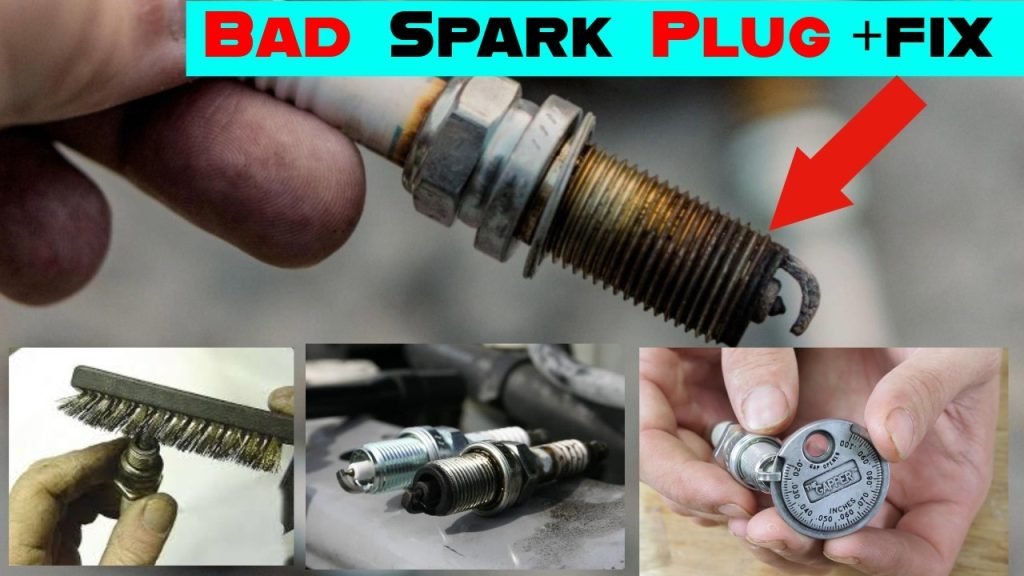
Remove the spark plugs carefully to avoid damage. Use a wire brush to clean off carbon deposits. Avoid harsh chemicals that can erode the metal. Inspect the electrodes for wear or corrosion. Dry the plugs completely before reinstalling to prevent misfires.
Replacing Spark Plugs
Replace spark plugs according to your vehicle’s manual or signs of wear. Worn plugs cause rough idling and hard starts. Choose plugs that match your engine’s specifications. Apply a small amount of anti-seize compound to the threads. Tighten the plugs to the correct torque to avoid damage.
Proper Gapping
Check the gap between the electrodes with a feeler gauge. Correct gap size ensures efficient spark and combustion. Adjust the gap carefully by bending the ground electrode. Too wide or too narrow gaps reduce engine performance. Follow the manufacturer’s recommended gap settings.
Regular Maintenance Schedule
- Inspect spark plugs every 30,000 miles or as advised.
- Clean or replace plugs based on condition and mileage.
- Check ignition wires and coils for wear during service.
- Maintain proper engine tune-up to extend plug life.

Credit: www.reddit.com
Preventing Future Spark Plug Problems
Preventing spark plug problems before they arise can save you time, money, and frustration. Keeping your spark plugs in good shape means your engine runs smoothly and efficiently. The key is to adopt habits that protect your spark plugs from wear and damage.
Using Quality Fuel
Fuel quality directly affects how your spark plugs perform. Low-quality or contaminated fuel can cause deposits to build up on the spark plugs, leading to misfires and poor engine performance.
Choosing fuel from reputable stations helps maintain clean combustion. Have you ever noticed a rough idle after filling up at a questionable gas station? That’s often a sign of poor fuel quality impacting your spark plugs.
Avoiding Engine Overheating
Excessive heat is a major enemy of spark plugs. Overheating can cause the spark plug’s electrode to wear out faster or even crack.
Keep an eye on your engine temperature gauge and don’t ignore warning lights. If your engine runs hot, address the cooling system immediately to protect your spark plugs and other components.
Routine Engine Checks
Regularly inspecting your engine can catch issues before they damage your spark plugs. Check for oil leaks, worn spark plug wires, and signs of corrosion.
Simple tasks like cleaning spark plugs and replacing them at the recommended intervals make a big difference. Have you checked your spark plugs lately? Small efforts now prevent big problems later.

Credit: craigscarcare.com
Frequently Asked Questions
How Do Spark Plugs Wear Out Over Time?
Spark plugs wear due to electrode erosion from constant sparking. Heat and deposits build up, reducing efficiency. This causes misfires and poor fuel economy. Regular inspection helps catch wear early and maintain engine performance.
What Symptoms Indicate Bad Spark Plugs?
Common signs include engine misfires, rough idling, poor acceleration, and reduced fuel efficiency. You may also notice difficulty starting the car. These symptoms often point to spark plug issues needing immediate attention.
How Does Carbon Buildup Affect Spark Plugs?
Carbon deposits insulate the spark plug, preventing proper ignition. This causes weak or no sparks, leading to misfires and rough engine performance. Cleaning or replacing plugs can restore efficient combustion and smooth running.
Can Bad Spark Plugs Damage The Engine?
Yes, faulty spark plugs can cause incomplete combustion, leading to engine knocking. Prolonged issues may damage pistons and catalytic converters. Timely replacement prevents costly repairs and keeps the engine healthy.
Conclusion
Spark plugs wear out over time and affect engine performance. Dirt, heat, and corrosion cause damage. Bad spark plugs lead to poor fuel use and rough starts. Regular checks help find problems early. Changing spark plugs keeps your car running smooth.
Don’t wait until your engine struggles. Stay ahead with simple spark plug care. It saves money and prevents bigger repairs. Keep your vehicle healthy by watching spark plug health closely.





