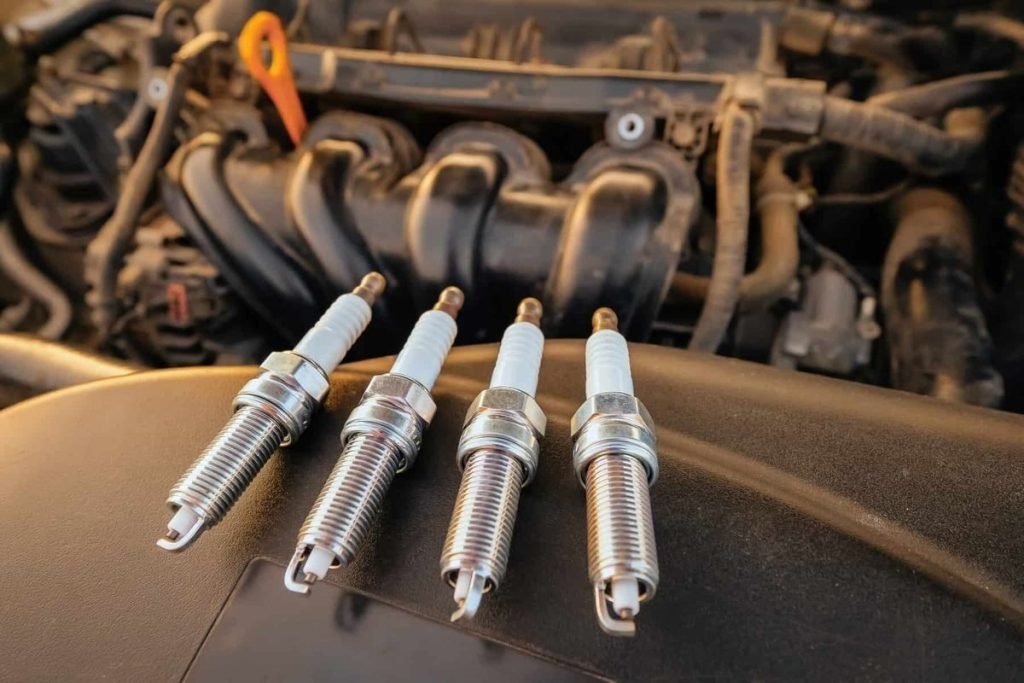
Are you wondering how often you should change the spark plugs in your car? Spark plugs might seem small, but they play a huge role in keeping your engine running smoothly.
If they wear out, your car can lose power, use more fuel, or even struggle to start. Knowing the right time to replace them can save you money and prevent bigger problems down the road. Keep reading to find out exactly when and why you should change your spark plugs to keep your car in top shape.
Spark Plug Basics
Understanding the basics of spark plugs is essential for maintaining your car’s engine health. Spark plugs play a small but vital role in how your engine runs. Knowing their function and the different types available can help you decide when it’s time for a change and what kind to choose.
Role In Engine Performance
Spark plugs create the spark that ignites the air-fuel mixture inside your engine’s cylinders. Without this spark, your engine won’t start or run smoothly. A faulty or worn-out spark plug can cause misfires, poor fuel economy, and rough idling.
Think about the last time your car hesitated during acceleration or felt sluggish. That hesitation might have been your spark plugs struggling to do their job. Keeping them in good shape ensures your engine performs efficiently and reliably.
Types Of Spark Plugs
Not all spark plugs are the same. They come in various materials and designs, each suited for different engines and driving conditions.
- Copper Spark Plugs:These are the most basic and affordable, offering good conductivity but shorter lifespan.
- Platinum Spark Plugs:These last longer than copper and provide better performance under normal driving conditions.
- Iridium Spark Plugs:Known for durability and superior ignition, iridium plugs are ideal for high-performance or modern engines.
Choosing the right type depends on your car’s specifications and how you drive. Have you checked which spark plugs your car manufacturer recommends? Using the wrong type can affect your engine’s efficiency and lifespan.
Signs Of Worn Spark Plugs
Worn spark plugs can seriously affect your car’s performance, yet many drivers overlook the warning signs. Recognizing these signals early can save you from costly repairs and keep your engine running smoothly. Let’s look at some common symptoms that indicate your spark plugs might need changing.
Engine Misfires
Have you ever felt your car suddenly jerk or hesitate during acceleration? That’s often a sign of engine misfires caused by worn spark plugs. When the spark plug fails to ignite the fuel-air mixture properly, your engine struggles to run smoothly, leading to rough idling or sudden power drops.
If your car misfires frequently, it’s not just annoying—it can damage your catalytic converter over time. Don’t ignore these jerks; they signal your spark plugs might be past their prime.
Poor Fuel Efficiency
Noticing that you’re filling up your gas tank more often? Worn spark plugs can reduce your car’s fuel efficiency. When plugs don’t spark efficiently, the engine burns more fuel to compensate, leaving you paying more at the pump.
Think about your last road trip—did your mileage feel off? Checking your spark plugs could improve your wallet’s health as much as your car’s.
Starting Issues
Is your car taking longer to start or struggling to turn over? Faulty spark plugs might be to blame. They provide the ignition needed to start your engine, so worn plugs can make your vehicle slow to start or fail to start at all.
Next time you experience a sluggish start, ask yourself if the spark plugs have been checked recently. Simple maintenance here can save you from being stranded unexpectedly.
Recommended Replacement Intervals
Knowing when to change your spark plugs can save you from unexpected breakdowns and keep your engine running smoothly. Recommended replacement intervals are the best starting point for maintenance, but these aren’t set in stone. Understanding these guidelines and how your driving habits affect them will help you make smarter decisions for your car’s health.
Manufacturer Guidelines
Every car manufacturer provides specific recommendations for spark plug replacement. These are usually found in your owner’s manual and are based on extensive testing. Most modern vehicles suggest changing spark plugs between 30,000 and 100,000 miles.
For example, some cars with iridium or platinum spark plugs can go much longer between changes. On the other hand, older cars with standard copper plugs may need replacements more often. Always check the manual first—it’s tailored for your specific engine type and model.
Impact Of Driving Conditions
Your driving style and environment can drastically change how often you need to replace spark plugs. Frequent stop-and-go traffic, short trips, or driving in dusty areas can wear plugs out faster. Have you ever noticed your car hesitating or losing power during city driving? That could be a sign your spark plugs need attention.
On the flip side, highway driving at consistent speeds tends to be gentler on spark plugs. If you often tow heavy loads or drive in extreme temperatures, expect more frequent replacements. Paying attention to these factors helps you avoid unnecessary repairs and keeps your engine firing efficiently.

Credit: simonsautorepairtaunton.com
Checking Spark Plug Condition
Checking the condition of your spark plugs is essential for maintaining your car’s performance. Regular inspections help you spot issues before they turn into costly repairs. Understanding what to look for and how to use tools can save you time and money.
Visual Inspection Tips
Start by removing the spark plugs and examining their tips closely. Look for signs like excessive wear, carbon buildup, or oily deposits. These can indicate problems such as poor combustion or oil leaks.
Pay attention to the color of the electrode; a healthy spark plug usually has a light tan or grayish color. If you notice cracks, chips, or heavy soot, it’s a clear sign you need a replacement. Don’t forget to check the gap between the electrodes—it should match your car’s specifications.
Have you ever pulled out a spark plug only to find it covered in thick black soot? That often means your engine is running too rich, burning too much fuel. Catching this early can help you avoid decreased fuel efficiency.
Using Diagnostic Tools
Basic visual checks are helpful, but diagnostic tools provide a deeper understanding of your spark plugs’ health. A spark plug tester can show if the spark is strong enough or weak, which affects engine performance.
Using an OBD-II scanner can reveal trouble codes related to misfires or ignition issues. These codes help you diagnose whether your spark plugs or other ignition components need attention.
Have you tried using a multimeter to check the resistance of your spark plugs? It’s a simple way to detect internal damage that isn’t visible to the eye. Combining these tools with visual checks gives you a complete picture of your spark plug condition.
Replacing Spark Plugs
Replacing spark plugs is a key part of keeping your car running smoothly and efficiently. Over time, spark plugs wear out and can cause poor fuel economy, rough idling, or difficulty starting your engine. Knowing how to replace them yourself can save you money and help you stay on top of your car maintenance.
Diy Replacement Steps
Before you start, make sure your engine is cool to avoid burns. Gather the right tools: a spark plug socket, ratchet wrench, and a gap gauge. You can find the correct spark plug type and gap size in your vehicle’s manual or online.
- Locate the spark plugs by tracing the thick wires connected to your engine.
- Remove the spark plug wire by gently twisting and pulling it off.
- Use the spark plug socket and ratchet to unscrew the old plug.
- Check the gap on the new spark plug and adjust it if necessary using the gap gauge.
- Carefully screw in the new plug by hand to avoid cross-threading, then tighten with the wrench.
- Reattach the spark plug wire firmly to the new plug.
Replacing spark plugs yourself can be straightforward, but always keep track of the plugs’ condition and spacing. Have you ever felt nervous about damaging your engine while doing this? Taking your time and following instructions helps prevent mistakes.
When To Seek Professional Help
If you notice persistent engine misfires, unusual noises, or poor performance even after changing spark plugs, it might be time to get expert help. Modern engines can have complex ignition systems that require specialized tools and knowledge.
Also, if your spark plugs are hard to reach or buried under multiple engine components, a professional mechanic can save you hours of frustration. Sometimes, issues that seem related to spark plugs could be deeper problems, such as coil pack failures or fuel system troubles.
Trusting a professional ensures the right diagnosis and repair, preventing costly damage down the road. Do you feel confident handling your car’s spark plugs, or is calling a mechanic a better choice for you?
Choosing The Right Spark Plugs
Choosing the right spark plugs can make a big difference in how your car runs. Using the wrong type can lead to poor performance or even damage. Understanding your options helps you pick plugs that last longer and keep your engine firing smoothly.
Material Options
Spark plugs come in different materials, each with its own benefits. Copper plugs are affordable and work well in older cars, but they wear out faster. If you want something more durable, platinum plugs last longer and resist corrosion better.
Iridium plugs are the most durable and provide excellent performance, especially for newer engines. They tend to be pricier but can improve fuel efficiency and reduce emissions. Think about how much you drive and your budget when choosing the material.
Compatibility With Your Vehicle
Not all spark plugs fit every car. Your vehicle’s engine type, size, and manufacturer recommendations play a big role in which spark plugs work best. Check your owner’s manual or ask a trusted mechanic to find the exact plug size and heat range your engine requires.
Using incompatible plugs can cause misfires or poor fuel economy. Have you ever tried to force the wrong plug and ended up with engine trouble? Avoid that hassle by matching plugs carefully to your vehicle’s specifications. This small step saves you time and money down the road.
Maintaining Spark Plug Performance
Maintaining spark plug performance is essential for your car’s smooth running and fuel efficiency. Spark plugs ignite the fuel-air mix inside the engine. Over time, they wear out and lose efficiency. Proper care keeps your engine healthy and saves money on repairs. Regular checks and cleaning can extend their life. Understanding how to maintain spark plugs helps avoid unexpected breakdowns.
Regular Maintenance Tips
- Check spark plugs every 30,000 miles or as your car manual suggests.
- Look for signs of wear like cracks, deposits, or corrosion.
- Clean spark plugs gently with a wire brush or spark plug cleaner.
- Use the correct spark plug type for your car model.
- Ensure the spark plug gap matches manufacturer specifications.
- Replace spark plugs if they appear damaged or performance drops.
Avoiding Common Mistakes
- Do not ignore engine misfires or rough starts; they signal spark plug issues.
- Avoid over-tightening spark plugs to prevent thread damage.
- Never skip the gap check; wrong gaps cause poor ignition.
- Don’t use old or worn spark plugs after cleaning; replacement is better.
- Avoid using incorrect spark plug types; they can harm engine performance.
- Do not delay replacement beyond recommended mileage to prevent engine damage.

Credit: www.acg.aaa.com

Credit: beachautomotive.com
Frequently Asked Questions
How Often Should Spark Plugs Be Replaced?
Spark plugs should be replaced every 30,000 to 100,000 miles. The interval depends on your vehicle’s make and model. Regular maintenance ensures optimal engine performance and fuel efficiency. Always check your owner’s manual for specific recommendations related to your car.
What Are Signs Of Bad Spark Plugs?
Common signs include reduced engine performance, trouble starting, and poor fuel economy. You might also notice engine misfires or rough idling. If you experience these issues, inspect your spark plugs. Timely replacement can prevent further engine damage.
Can I Change Spark Plugs Myself?
Yes, you can change spark plugs yourself with basic tools. Ensure you follow the correct procedure outlined in your car’s manual. However, if you’re unsure, it’s best to consult a professional mechanic. Proper installation is crucial for your engine’s performance.
Do Spark Plugs Affect Fuel Efficiency?
Yes, worn-out spark plugs can reduce fuel efficiency. They cause incomplete combustion, wasting fuel and money. Replacing them as per schedule improves combustion and fuel economy. Keeping your spark plugs in good condition is essential for optimal vehicle performance.
Conclusion
Changing spark plugs regularly keeps your car running smooth. Check your car’s manual for the right schedule. Old spark plugs can cause poor engine performance and low fuel efficiency. Don’t wait for problems to start—replace them on time. Good maintenance saves money and avoids breakdowns.
Remember, healthy spark plugs mean a healthy engine. Keep your car in top shape with simple care. A small step that makes a big difference.





