Have you ever wondered about the size of spark plugs and why it matters for your vehicle? You’re not alone.
Understanding the size of spark plugs can make a significant difference in the performance and longevity of your engine. Imagine the confidence you’ll feel knowing exactly what your car needs, rather than leaving it up to chance. We’ll unravel the mystery behind spark plug sizes and how choosing the right one can enhance your driving experience.
Stick with us as we explore how this small yet crucial component plays a big role in your vehicle’s performance and fuel efficiency. Don’t miss out on the secrets that could keep your engine running smoothly and save you money in the long run.
Spark Plug Basics
Spark plugs are small but essential components in your vehicle’s engine. They ignite the air-fuel mixture, enabling your engine to run smoothly. Understanding their size and type can save you time and frustration when replacing or upgrading them.
Types Of Spark Plugs
You’ll find several types of spark plugs, each designed for different engine needs and performance levels. The most common ones include:
- Copper Spark Plugs:Known for excellent conductivity but shorter lifespan.
- Platinum Spark Plugs:Offer longer durability and better performance in modern engines.
- Iridium Spark Plugs:Highly durable and provide superior ignition performance.
- Double Platinum and Double Iridium:Designed for distributor-less ignition systems, providing even longer life.
Choosing the right type depends on your engine’s requirements and your driving habits. Have you ever wondered how your car’s performance changes after swapping to a different spark plug type?
Common Spark Plug Sizes
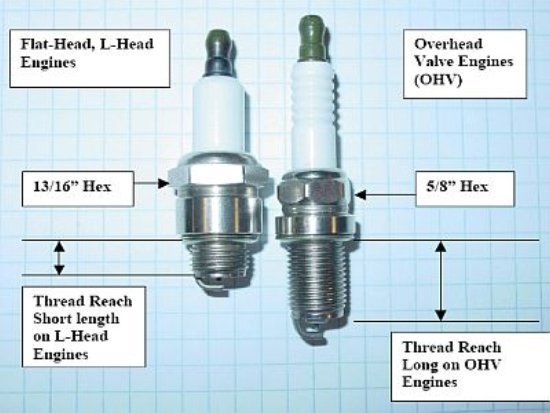
Spark plugs come in various sizes, which mainly differ in thread diameter, reach (length of the threaded part), and seat type. The most common thread diameters are:
| Thread Diameter | Common Reach Lengths | Typical Use |
|---|---|---|
| 10mm | 12.7mm, 19mm | Small engines, motorcycles |
| 12mm | 19mm, 26.5mm | Compact cars, some motorcycles |
| 14mm | 19mm, 26.5mm, 31.75mm | Most passenger cars |
| 18mm | 26.5mm, 33.5mm | Heavy-duty vehicles, trucks |
Using the wrong size can cause engine damage or poor performance. Always check your vehicle’s manual or ask a professional before choosing a spark plug size.
Measuring Spark Plugs
Measuring spark plugs correctly ensures your engine runs smoothly and efficiently. Each dimension of a spark plug plays a vital role in its performance. Knowing these sizes helps you pick the right spark plug for your vehicle. Here are the key measurements to understand.
Thread Diameter
The thread diameter is the width of the spark plug’s threaded part. It must match the engine’s cylinder head. Common thread diameters range from 10mm to 14mm. Using the wrong diameter can cause poor fit or damage.
Thread Reach
Thread reach is the length of the threaded section that screws into the engine. It ensures the spark plug reaches the combustion chamber correctly. Typical thread reach sizes vary between 19mm and 26mm. Too short or too long reach affects engine performance.
Hex Size
The hex size is the width across the spark plug’s hexagonal part. It allows you to tighten or loosen the spark plug with a wrench. Common hex sizes include 16mm, 18mm, and 21mm. Choosing the right size prevents tool slipping and damage.
Gap Size
The gap size is the space between the center and ground electrodes. It controls the spark’s strength and timing. Most vehicles require a gap between 0.6mm and 1.1mm. Always check your vehicle’s manual for the correct gap size.
Choosing The Right Size
Choosing the right spark plug size ensures proper engine performance and prevents damage. Spark plugs come in different lengths and thread sizes to fit specific engines. Checking your vehicle’s manual helps find the correct size easily.
Vehicle Specifications
Every vehicle has specific spark plug sizes designed for it. These sizes depend on the engine’s design and space. Using the right size ensures proper fit and function. Check your vehicle’s manual for exact spark plug size details. The manual often lists thread diameter, length, and heat range.
Incorrect spark plug size can cause engine problems. Too long can hit the piston. Too short can cause poor ignition. Always follow the vehicle’s size requirements for best performance.
Engine Type Considerations
Different engines need different spark plug sizes. Small engines may use shorter plugs. Larger engines often need longer or thicker plugs. The engine’s combustion chamber shape also affects spark plug choice. High-performance engines may require special spark plugs with unique sizes.
Consider the engine’s use too. Racing or heavy-duty engines might need plugs with specific heat ranges and sizes. Regular engines work well with standard sizes recommended by the maker.
Manufacturer Recommendations
Manufacturers test and recommend spark plug sizes for each engine. These recommendations ensure safety and engine efficiency. Always follow the manufacturer’s guide. It prevents damage and extends engine life.
Using non-recommended sizes can void warranties. It may also reduce fuel efficiency and increase emissions. Stick to the brand and size advised in the owner’s manual or official service guide.
Effects Of Incorrect Spark Plug Size
Using the wrong size spark plug can cause a range of problems in your engine. It might seem like a small detail, but the size of the spark plug directly affects how your engine runs and how long it lasts. Ignoring this can lead to frustrating performance issues and even costly repairs.
Engine Performance Issues
If your spark plug is too long or too short, your engine may misfire or run rough. A spark plug that doesn’t fit correctly can cause incomplete combustion, which lowers fuel efficiency and power output. You might notice your car hesitates during acceleration or struggles to maintain speed.
Sometimes, an incorrect spark plug size causes your engine to idle erratically or stall unexpectedly. Have you ever experienced sudden jerks or a drop in performance after a tune-up? That could be due to using the wrong spark plug size. Paying attention to the manufacturer’s specifications helps you avoid these problems.
Potential Damage Risks
Using the wrong size spark plug can also damage your engine components. A spark plug that is too long may extend too far into the combustion chamber, risking contact with the piston. This can cause severe engine damage and expensive repairs.
On the other hand, a spark plug that is too short won’t reach the optimal position for ignition. This can cause overheating of the plug and cylinder head, potentially leading to warped or cracked engine parts. Do you want to risk such damage just because of a simple size mismatch?
Ensuring you use the correct spark plug size protects your engine and saves you money in the long run. It’s a small detail that makes a big difference in your vehicle’s health and performance.
Replacing Spark Plugs
Replacing spark plugs is a key part of keeping your engine running smoothly. Worn or dirty plugs can cause misfires, poor fuel economy, and rough idling. Doing the replacement yourself saves money and helps you understand your vehicle better.
Tools Needed
- Spark plug socket:A deep socket specifically designed to grip spark plugs without damaging them.
- Ratchet wrench:For turning the socket and removing/installing plugs.
- Extension bar:Helpful to reach plugs deep in the engine bay.
- Torque wrench:Ensures plugs are tightened to the manufacturer’s specs.
- Gap gauge:Measures the spark plug gap for proper firing.
- Anti-seize compound:Optional but useful to prevent plugs from sticking.
Step-by-step Replacement
First, make sure your engine is cool to avoid burns. Locate the spark plugs by tracing the thick ignition wires or coil packs. Remove any components blocking access if needed.
Use the spark plug socket with the extension and ratchet to carefully loosen and remove each spark plug. Check the old plugs for wear patterns or deposits that might hint at engine issues.
Before installing the new plugs, use the gap gauge to confirm the gap matches your vehicle’s specifications. Apply a small amount of anti-seize compound on the plug threads if you choose to use it.
Thread the new plugs by hand to avoid cross-threading, then tighten them with the torque wrench to the correct torque. Reattach ignition wires or coil packs securely, then test the engine’s performance.
Tips For Proper Installation
- Always replace plugs one at a time to avoid mixing up wires or coils.
- Don’t overtighten plugs; it can strip threads or damage the plug.
- Keep the working area clean to prevent dirt from falling into the cylinder.
- Double-check the gap even if plugs come pre-gapped; factory settings can vary.
- Listen for smoother engine running and quicker starts after replacement.
Have you ever noticed a difference in your car’s performance after changing spark plugs? Paying attention to small details during installation makes a big difference in reliability. Do you think you’re ready to handle your next spark plug replacement?

Credit: www.ebay.ca
Maintaining Spark Plug Health
Maintaining spark plug health is crucial for engine performance and fuel efficiency. Healthy spark plugs ensure smooth ignition and prevent engine misfires. Regular care extends spark plug life and keeps your vehicle running well. Simple checks and cleaning help maintain optimal spark plug function.
Cleaning Techniques
Remove carbon deposits gently using a wire brush. Avoid harsh scraping to protect the electrode. Use spark plug cleaner sprays for stubborn dirt. Dry spark plugs completely before reinstalling. Never use abrasive materials that could damage the plug.
Signs Of Wear And Tear
- Worn electrodes or rounded edges
- Heavy carbon buildup
- Cracked insulator or ceramic
- Oil or fuel fouling on the tip
- Difficulty starting engine or rough idle
Notice these signs early to avoid engine problems.
Replacement Intervals
Check your vehicle manual for recommended spark plug intervals. Many spark plugs last between 30,000 and 100,000 miles. Replace plugs sooner if signs of wear appear. Regular replacement keeps engine efficiency high and emissions low.
Popular Spark Plug Brands And Sizes
Choosing the right spark plug size can feel overwhelming given the variety of brands and options available. Each brand has its own size standards and designs, tailored to meet different engine needs and performance levels. Knowing how these sizes vary across popular brands helps you pick the perfect fit for your vehicle and driving style.
Brand Comparisons
Some of the most trusted spark plug brands include NGK, Bosch, Denso, and Champion. NGK is renowned for its wide range of sizes and excellent heat dissipation, making it a favorite among both everyday drivers and performance enthusiasts.
Bosch spark plugs often come with unique features like platinum or iridium tips, which offer longer life and better ignition. Denso focuses on precision and efficiency, frequently matching OEM specifications closely, which helps maintain engine reliability.
Champion, a classic brand, emphasizes durability and is popular in heavy-duty and racing applications. Each brand offers options that suit different engines, so it’s worth checking your vehicle’s manual or consulting a professional to avoid mismatches.
Size Variations Across Brands
Spark plug sizes primarily differ in thread diameter, reach (the length of the threaded section), and seat type. For example, NGK’s thread sizes range from 10mm to 14mm, while Bosch typically offers 14mm and larger sizes.
| Brand | Common Thread Sizes | Reach Lengths | Seat Types |
|---|---|---|---|
| NGK | 10mm, 12mm, 14mm | 19mm, 26.5mm, 31.5mm | Gasket, Tapered |
| Bosch | 14mm, 18mm | 19mm, 26.5mm | Gasket, Tapered |
| Denso | 12mm, 14mm | 19mm, 26.5mm | Gasket, Tapered |
| Champion | 14mm, 18mm | 19mm, 25mm | Gasket, Tapered |
Keep in mind that even a slight difference in reach length can affect engine performance or cause damage. Have you ever swapped spark plugs without checking size details and noticed engine issues? Paying close attention to these specs saves you time and money.

Credit: www.amazon.com

Credit: www.reddit.com
Frequently Asked Questions
What Are The Common Spark Plug Sizes Available?
Spark plug sizes vary by thread diameter, length, and reach. Common sizes include 10mm, 12mm, 14mm, and 18mm diameters. The size depends on your engine type and manufacturer specifications. Always check your vehicle manual before purchasing spark plugs to ensure a proper fit and optimal performance.
How To Measure The Size Of A Spark Plug?
Measure the thread diameter using a caliper tool for accuracy. Also, check the thread reach or length from the base to the tip. The hex size (wrench size) is important for installation. Confirm all measurements match your engine’s spark plug requirements for safety and efficiency.
Why Does Spark Plug Size Matter For Engines?
Correct spark plug size ensures proper combustion and engine efficiency. Incorrect size can cause misfires, poor fuel economy, and engine damage. It affects the spark gap, heat range, and thread fit. Using the right size maintains engine performance and prolongs spark plug life.
Can I Use A Different Spark Plug Size?
Using a different size spark plug is not recommended. It may damage the engine threads or cause improper combustion. Always follow manufacturer guidelines for size and specifications. Incorrect spark plugs can lead to engine malfunction and costly repairs.
Conclusion
Spark plug size matters for engine performance and safety. Choosing the right size helps your engine run smoothly. Using the wrong size can cause damage or poor fuel use. Always check your vehicle’s manual before buying spark plugs. Proper fit ensures good ignition and long spark plug life.
Keep your engine healthy by using the correct spark plug size. Simple steps lead to better car care and fewer problems. Remember, small details like spark plug size make a big difference.





