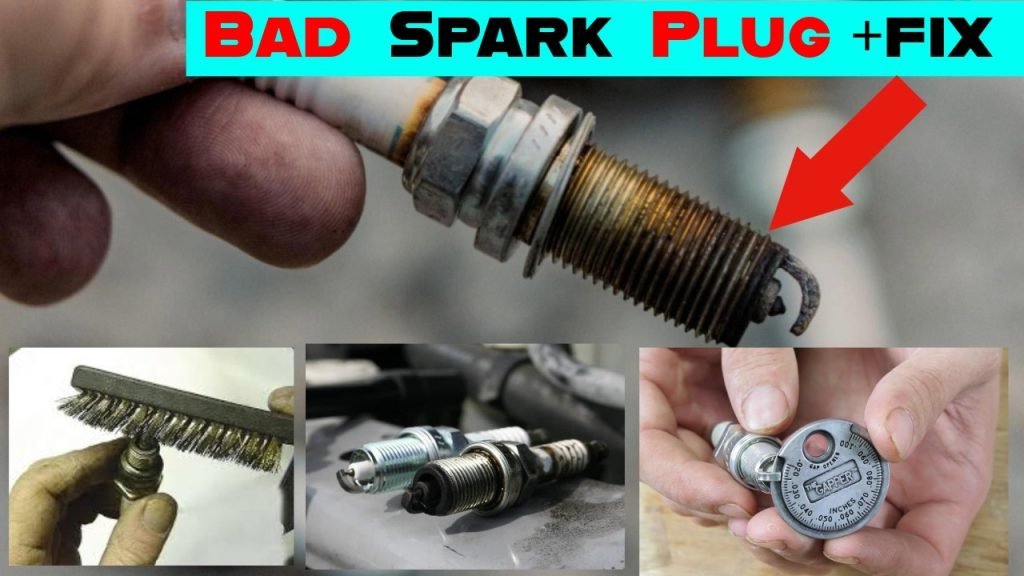
Have you ever wondered if you can drive with bad spark plugs? It’s a question that could save you from unexpected car troubles or even a costly repair bill.
You might not realize it, but those small spark plugs play a big role in your vehicle’s performance. They’re the unsung heroes of your engine, igniting the fuel-air mixture that powers your car. When they start to fail, your car might still run, but at what cost?
You could face reduced fuel efficiency, sluggish acceleration, and even potential damage to your engine. Don’t let this hidden problem catch you off guard. Discover why keeping your spark plugs in top condition is crucial for your car’s health and your peace of mind.
Signs Of Bad Spark Plugs
Bad spark plugs can quietly sabotage your car’s performance, but how can you tell if they’re the real culprit? Recognizing the signs early can save you from costly repairs and keep your vehicle running smoothly. Watch out for these common symptoms that often point to worn or faulty spark plugs.
Engine Misfires
Does your engine feel like it’s skipping a beat? Engine misfires happen when the spark plugs fail to ignite the fuel-air mixture properly. This can cause your car to jerk or hesitate during acceleration, making your drive less smooth and more frustrating.
Have you noticed your car stalling or jolting unexpectedly? These are classic signs that your spark plugs might need attention.
Poor Fuel Efficiency
Are you filling up your tank more often than usual? Bad spark plugs can cause incomplete combustion, which means your engine burns more fuel than necessary. This not only wastes money but also increases your carbon footprint.
Tracking your mileage can help you spot this issue early. If your fuel efficiency drops suddenly, it’s worth checking your spark plugs.
Difficulty Starting
Is your car reluctant to start, especially on cold mornings? Faulty spark plugs can make ignition harder because they struggle to create the necessary spark. This leaves you waiting longer for your engine to roar to life.
Think about the last time your car took multiple tries to start. Could worn spark plugs be the reason behind that delay?
Rough Idling
Does your engine shake or sound uneven when idling? Rough idling can mean your spark plugs aren’t firing consistently. This instability can lead to vibrations that you can feel inside the cabin.
Pay attention to these subtle signs while your car is parked. They often reveal underlying spark plug problems that need fixing.

Credit: www.reddit.com
Risks Of Driving With Faulty Spark Plugs
Driving with faulty spark plugs puts your vehicle at risk. These small parts play a big role in your engine’s health. Ignoring bad spark plugs can lead to costly repairs and unsafe driving conditions. Understanding the risks helps you avoid damage and keep your car running smoothly.
Engine Damage
Faulty spark plugs cause incomplete combustion. This leads to engine misfires and rough idling. Over time, unburned fuel damages the engine’s components. The pistons and cylinders can wear out faster. Repairs become expensive and time-consuming.
Increased Emissions
Bad spark plugs increase harmful exhaust gases. Incomplete fuel burning raises carbon monoxide and hydrocarbons. This pollution harms the environment and causes your car to fail emissions tests. Clean spark plugs help reduce your carbon footprint.
Reduced Performance
Vehicles with bad spark plugs lose power and acceleration. Fuel efficiency drops, causing more frequent stops at the pump. The engine struggles to run smoothly, making driving frustrating. Proper spark plugs maintain your car’s strength and fuel economy.
Potential Safety Hazards
Engine misfires can cause sudden power loss. This situation is dangerous on highways or busy streets. Faulty spark plugs may cause stalling at crucial moments. Reliable spark plugs keep your car stable and safe on the road.
When To Replace Spark Plugs
Knowing when to replace your spark plugs is key to keeping your car running smoothly and avoiding unexpected breakdowns. Spark plugs wear out over time and can cause poor engine performance if ignored. Let’s break down the best ways to tell when it’s time for new plugs so you can keep your vehicle in top shape.
Manufacturer Recommendations
Check your vehicle’s owner manual for specific guidance on spark plug replacement intervals. Manufacturers often suggest replacing spark plugs every 30,000 to 100,000 miles, depending on the type of spark plug and engine design. Following these guidelines ensures you don’t wait too long and risk engine damage.
I once ignored my car’s recommendation and went 20,000 miles past the suggested interval. The engine started misfiring, costing me more in repairs than a simple spark plug replacement would have.
Mileage And Usage
Mileage is a straightforward way to judge when to replace spark plugs, but driving habits matter too. Frequent short trips, stop-and-go traffic, or towing heavy loads can wear out spark plugs faster than highway driving. If your daily routine involves tough conditions, consider replacing spark plugs earlier than the standard mileage.
Ask yourself: How do you use your vehicle daily? If your answer includes lots of city driving or heavy loads, it’s smarter to check your plugs more often.
Symptoms To Watch For
Don’t wait for the mileage to hit before checking your spark plugs. Certain symptoms signal it’s time for a replacement:
- Engine misfires or rough idling
- Difficulty starting the engine
- Reduced fuel efficiency
- Loss of acceleration power
If you notice any of these signs, inspect your spark plugs immediately. Acting quickly can save you from bigger engine problems and costly repairs down the line.
Safety Tips For Driving With Bad Spark Plugs
Driving with bad spark plugs can be risky, but sometimes you might find yourself in a situation where you have no choice. Knowing how to handle your car safely under these conditions is crucial. Here are some practical safety tips to help you protect your vehicle and yourself while you arrange repairs.
Drive Short Distances Only
Keep your trips brief when you suspect your spark plugs are failing. Short distances reduce the stress on your engine and lower the chance of a breakdown far from help. Think about whether the drive is absolutely necessary before you get behind the wheel.
Avoid Heavy Loads
Extra weight demands more power from your engine, which bad spark plugs can’t efficiently provide. Carrying heavy loads or towing can worsen engine misfires and increase fuel consumption. Lighten your load to ease the strain and maintain better control of your vehicle.
Monitor Engine Performance
Pay close attention to how your engine sounds and feels. Rough idling, hesitation, or unusual vibrations are signs that your spark plugs are struggling. Use a simple checklist: Is the engine running smoother or getting worse? This can help you decide if you should stop driving immediately.
Schedule Prompt Repairs
Delaying spark plug replacement can lead to more serious engine damage and higher repair costs. Book an appointment with your mechanic as soon as possible to avoid escalating issues. Remember, fixing spark plugs early protects your car and your safety on the road.
Preventive Maintenance For Spark Plugs
Preventive maintenance for spark plugs keeps your engine running smooth. It helps avoid poor performance and costly repairs. Simple care steps extend spark plug life and improve fuel efficiency. Focus on regular checks, correct installation, and quality parts for best results.
Regular Inspections
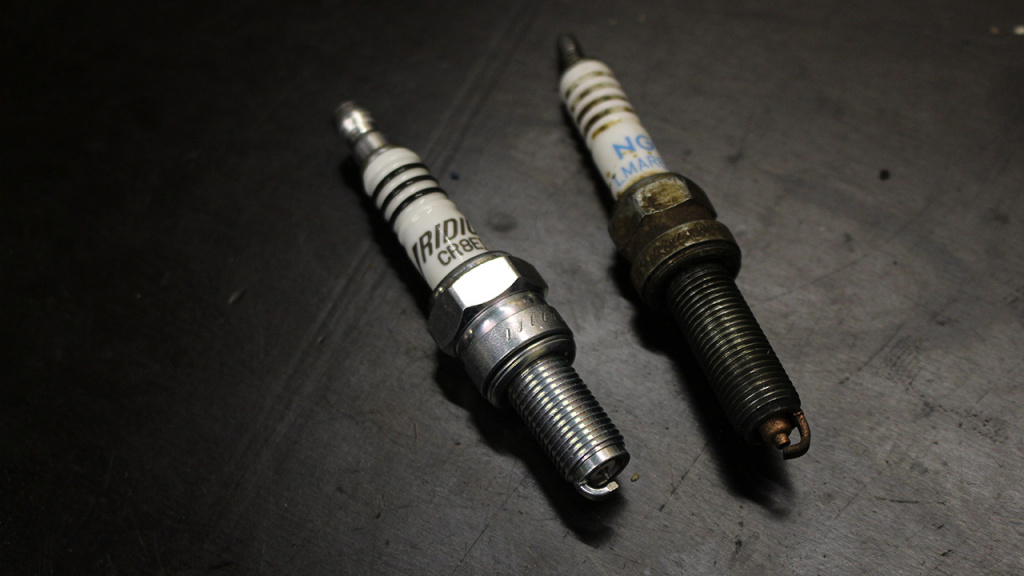
Check spark plugs every 30,000 miles or as the car manual suggests. Look for signs like worn electrodes, cracks, or heavy deposits. Clean or replace plugs showing damage or buildup. Early detection prevents engine misfires and rough idling. Use a spark plug gauge to measure gap size for accuracy.
Proper Installation
Install spark plugs carefully to avoid damage. Tighten to the manufacturer’s recommended torque, not too loose or tight. Use a torque wrench for precision. Incorrect installation can cause poor engine performance or damage threads. Apply anti-seize compound on threads to prevent sticking and ease future removal.
Using Quality Parts
Choose spark plugs that match your vehicle’s specifications. Avoid cheap or generic brands that wear out quickly. High-quality plugs improve combustion and reduce emissions. Iridium or platinum plugs last longer and perform better. Always buy from trusted suppliers to ensure genuine parts.
Credit: finntrail.com

Credit: www.dodge-dart.org
Frequently Asked Questions
Can I Drive With Bad Spark Plugs Safely?
You can drive with bad spark plugs briefly, but it risks engine damage. Poor performance and fuel efficiency usually worsen. Fixing spark plugs promptly avoids costly repairs and ensures safe driving.
How Do Bad Spark Plugs Affect Car Performance?
Bad spark plugs cause rough idling, misfires, and slow acceleration. Your engine may stall or hesitate during driving. Fuel consumption increases due to incomplete combustion. Replacing spark plugs restores smooth and efficient engine operation.
What Symptoms Indicate Spark Plugs Need Replacement?
Common signs include engine misfires, hard starts, poor fuel economy, and engine surging. You may hear unusual noises or smell fuel odors. Regular inspection helps catch worn spark plugs early, preventing bigger issues.
Will Bad Spark Plugs Damage My Engine?
Yes, bad spark plugs can cause engine misfires and increased emissions. Prolonged use leads to catalytic converter damage and engine stress. Timely replacement protects your engine and maintains optimal vehicle performance.
Conclusion
Driving with bad spark plugs can cause engine problems and poor fuel use. Your car might stall or feel weak on the road. Fixing spark plugs soon keeps your vehicle running smooth and safe. Don’t wait for big troubles that cost more money.
Regular checks help you avoid sudden breakdowns. Keeping spark plugs in good shape means better performance and less pollution. Take care of your car to enjoy a worry-free drive every day.





