Imagine cruising down the highway, your favorite tunes playing, and the wind in your hair. Suddenly, your car starts to sputter and lose power.
You’re left wondering what’s going wrong under the hood. Could it be something as simple as a spark plug? Believe it or not, this small component plays a huge role in your car’s performance. If you’ve been neglecting to change your spark plugs, you might be inviting a host of problems into your driving experience.
Curious about what happens if you don’t change your spark plugs? Stick around, because understanding this could save you from unnecessary headaches and expenses. This article will walk you through everything you need to know to keep your car running smoothly and efficiently.

Credit: www.reddit.com
Role Of Spark Plugs
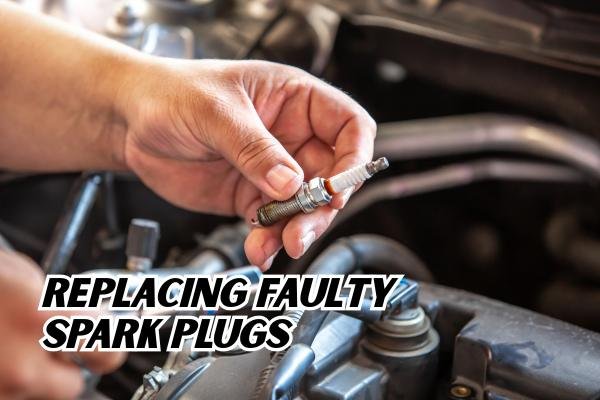
Spark plugs play a crucial role in your vehicle’s engine. They are small but powerful components that ignite the fuel-air mixture inside the engine cylinders. Without properly functioning spark plugs, your engine can’t run efficiently or smoothly.
How Spark Plugs Work
Spark plugs generate a tiny spark of electricity at just the right moment. This spark ignites the fuel and air mixture inside the engine’s combustion chamber. The explosion from this ignition pushes the pistons, creating the power needed to move your car.
Each spark plug must work perfectly to ensure smooth engine operation. If the spark is weak or inconsistent, your engine might misfire or hesitate. Have you ever felt your car jerk or lose power suddenly? That could be a sign of worn-out spark plugs.
Importance In Engine Performance
Good spark plugs help your engine start quickly and run smoothly. They improve fuel efficiency by ensuring complete combustion of fuel. This means you get better mileage and less pollution from your vehicle.
Dirty or old spark plugs can cause rough idling, poor acceleration, and increased fuel consumption. If you ignore them, your engine may struggle and even cause damage over time. How often do you check your spark plugs? Regular inspection can save you from costly repairs.

Credit: www.reddit.com
Signs Of Worn Spark Plugs
Worn spark plugs cause many engine problems. They affect how well your car runs. Knowing the signs helps avoid costly repairs. Watch for changes in performance and sound.
Engine Misfires And Rough Idling
Worn spark plugs can cause the engine to misfire. The engine may run unevenly or shake. You might feel vibrations when the car idles. This happens because the spark plugs do not ignite fuel properly. Misfires reduce engine power and smoothness.
Decreased Fuel Efficiency
Bad spark plugs use more fuel than normal. The engine burns fuel less efficiently. You will notice you need to fill the tank more often. This waste happens because the spark plugs fail to ignite the fuel-air mix fully. Your car’s mileage drops significantly.
Difficulty Starting The Engine
Starting the car becomes harder with worn spark plugs. The engine may crank longer before it starts. Sometimes, it won’t start at all. Weak sparks can’t ignite the fuel well. This leads to frustration and delays when you want to drive.
Risks Of Ignoring Spark Plug Replacement
Ignoring spark plug replacement can cause serious problems for your vehicle. Spark plugs play a key role in starting the engine and keeping it running smoothly. Over time, worn spark plugs fail to ignite fuel efficiently. This leads to several risks that affect your car’s health and performance.
Engine Damage And Wear
Old spark plugs cause incomplete combustion inside the engine. This can lead to engine knocking and overheating. Over time, these issues cause damage to pistons and cylinders. Engine parts wear out faster, leading to costly repairs. Regular spark plug changes help protect your engine and extend its life.
Increased Emissions
Worn spark plugs create poor fuel combustion. This results in higher emissions of harmful gases. Increased pollution harms the environment and may cause your car to fail emissions tests. Clean and efficient spark plugs reduce smoke and toxic exhaust fumes.
Poor Acceleration And Power Loss
Bad spark plugs reduce engine power and slow acceleration. Your car may feel sluggish and less responsive. Fuel consumption rises as the engine works harder. Changing spark plugs restores smooth acceleration and better fuel efficiency.

Credit: www.acg.aaa.com
Impact On Fuel Economy
Ignoring your spark plugs might seem harmless, but it directly affects your vehicle’s fuel efficiency. The spark plugs are crucial for igniting the air-fuel mixture inside the engine. When they fail to work properly, your engine burns more fuel than necessary, leading to wasted gas and higher expenses.
How Faulty Plugs Waste Fuel
When spark plugs get old or dirty, they struggle to create a strong spark. This weak spark causes incomplete combustion, meaning not all the fuel burns properly.
Incomplete combustion forces your engine to use more fuel to maintain power. You might notice your car hesitates or feels sluggish, signaling inefficient fuel use. Have you ever filled up more often without changing your driving habits? Faulty plugs are often the hidden culprit.
Cost Implications Over Time
Driving with worn-out spark plugs means you pay more at the pump. Even a small drop in fuel efficiency can add up over weeks and months.
| Scenario | Fuel Efficiency | Annual Extra Cost (Approx.) |
|---|---|---|
| Healthy Spark Plugs | 30 MPG | $0 |
| Faulty Spark Plugs | 25 MPG | $200+ |
Over time, that extra $200 or more could cover the cost of replacing the spark plugs themselves. Skipping this maintenance can turn a simple fix into a costly problem.
Safety Hazards
Failing to change spark plugs creates serious safety risks. Worn or faulty spark plugs affect engine performance. This can lead to dangerous situations on the road. Understanding these hazards helps prevent accidents and costly repairs.
Potential For Engine Stalling
Old spark plugs can cause the engine to stall unexpectedly. Stalling may happen during driving or at traffic lights. This sudden stop can increase the risk of collisions. It can leave you stranded in unsafe locations. Engine stalling also reduces control over the vehicle.
Risk Of Overheating And Fire
Dirty or damaged spark plugs can cause engine overheating. Overheating puts extra stress on engine parts. It raises the chance of engine failure and breakdowns. In extreme cases, overheating sparks can ignite fires. Engine fires pose a serious threat to driver safety.
Maintenance Tips
Maintaining your spark plugs is essential for keeping your engine running smoothly and efficiently. Neglecting this small but vital part can lead to poor performance and costly repairs. Let’s dive into practical tips that help you know when and how to replace your spark plugs, choose the right ones, and decide if you should do it yourself or call a professional.
When To Replace Spark Plugs
Most spark plugs need replacement every 30,000 to 100,000 miles, depending on the type and your vehicle’s make. Check your owner’s manual for specific recommendations. If you notice rough idling, difficulty starting, or decreased fuel efficiency, it might be time to inspect your spark plugs.
Pay attention to symptoms like engine misfires or sluggish acceleration—they often signal worn spark plugs. Waiting too long can cause damage to the ignition system and reduce your car’s overall performance.
Choosing The Right Spark Plugs
Not all spark plugs are created equal. Your vehicle requires a specific type, size, and heat range to perform optimally. Using the wrong spark plugs can lead to engine knocking or overheating.
Look for plugs recommended by your car’s manufacturer or consult a trusted mechanic. Consider factors like iridium or platinum tips, which last longer but cost more, versus standard copper plugs that are cheaper but wear out faster.
Diy Vs Professional Replacement
If you have basic mechanical skills and the right tools, replacing spark plugs yourself can save money. It involves removing the old plugs, checking the gap, and installing new ones carefully to avoid damage.
However, if your engine has hard-to-reach plugs or you’re unsure about the process, a professional mechanic can ensure the job is done correctly. Ask yourself: is the time and risk worth the savings? Sometimes paying for expert service prevents bigger headaches later.
Frequently Asked Questions
What Happens When Spark Plugs Wear Out?
Worn spark plugs cause misfires, reduced fuel efficiency, and rough idling. They can lead to engine performance issues and increased emissions.
How Often Should Spark Plugs Be Replaced?
Spark plugs typically need replacement every 30,000 to 100,000 miles. Check your vehicle’s manual for the manufacturer’s recommended interval.
Can Old Spark Plugs Damage The Engine?
Yes, old spark plugs can cause poor combustion and strain engine components, potentially leading to costly repairs if ignored.
Why Does A Car Misfire With Bad Spark Plugs?
Bad spark plugs fail to ignite the fuel-air mix properly, causing engine misfires, reduced power, and unstable idling.
Conclusion
Neglecting spark plug changes can cause many car problems. Your engine may run rough or stall often. Fuel efficiency will drop, costing more money. Starting the car might become harder each day. Ignoring spark plugs can lead to costly repairs.
Regular maintenance keeps your car healthy and smooth. Changing spark plugs on time saves you stress. Remember, small steps prevent big car troubles. Stay ahead by checking your spark plugs regularly. Your car will thank you with better performance.





