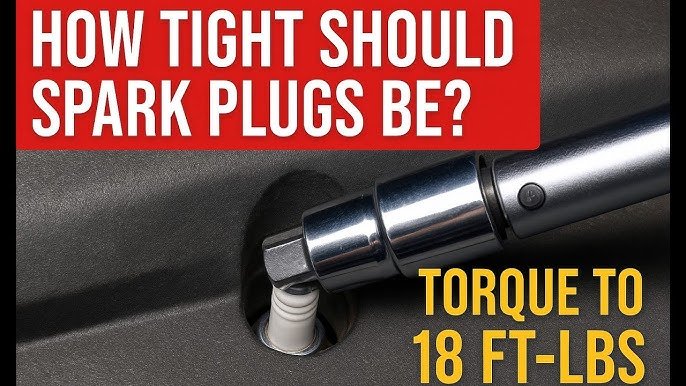
Are you ready to unlock the full potential of your engine’s performance? When it comes to maintaining your vehicle, the way you install spark plugs can make all the difference.
Tightening spark plugs might seem like a small task, but it’s a crucial one that can impact your car’s efficiency and lifespan. Too loose, and you risk a misfire; too tight, and you might damage the plug or the cylinder head.
But how do you find that perfect balance? Dive into this article to discover the secrets behind correctly tightening your spark plugs, ensuring your engine runs smoothly and efficiently. Don’t let something as simple as a spark plug stand between you and a perfectly functioning vehicle. Let’s get it right, together.

Credit: www.ridgelineownersclub.com
Spark Plug Tightening Basics
Getting the tightness of your spark plugs just right is more important than you might think. Too loose, and your engine could misfire or lose power. Too tight, and you risk damaging the threads or the spark plug itself.
Understanding the basics of spark plug tightening helps you protect your engine and save money on repairs. It’s not just about screwing them in until they feel snug. Let’s break down why proper tightening matters and how you can do it correctly.
Importance Of Proper Tightening
Proper tightening ensures a secure seal between the spark plug and the engine cylinder head. This seal prevents combustion gases from escaping, which keeps your engine running smoothly. If you overtighten, the spark plug threads can strip or break, leading to costly repairs.
On the other hand, under-tightening can cause poor engine performance and fuel inefficiency. Have you ever wondered why your car sometimes feels sluggish after a tune-up? It could be due to improperly tightened spark plugs.
Common Tightening Methods
There are a few reliable ways to tighten spark plugs without guesswork:
- Torque Wrench:The most accurate method, using a torque wrench lets you apply the exact amount of force recommended by the manufacturer.
- Finger Tight + Quarter Turn:Many mechanics tighten the plug by hand until it’s snug, then turn it an additional quarter or half turn with a wrench.
- Use of Manufacturer Specs:Always check your vehicle manual for specific torque values or turn angles to avoid mistakes.
Have you ever tightened a spark plug without a torque wrench and later wondered if it was tight enough? Using a torque wrench removes that doubt and protects your engine’s health.
Torque Specifications Explained
Torque specifications for spark plugs are more than just numbers on a manual. They ensure the plug seals properly, conducts heat efficiently, and stays firmly in place without damaging the engine. Understanding these specs helps you avoid common mistakes like overtightening or leaving plugs too loose, both of which can lead to engine trouble.
Manufacturer Recommendations
Every spark plug comes with a torque spec from the manufacturer. This number is based on the plug’s design, thread size, and the engine’s material. Following these recommendations is crucial because using too much torque can strip the threads or break the plug, while too little torque can cause poor engine performance or gas leaks.
For example, a typical spark plug torque spec might range from 13 to 25 lb-ft (pound-feet), but always check your vehicle’s manual or the plug packaging. Ignoring these specs can lead to costly repairs—have you ever wondered why some plugs get stuck or why your engine misfires after a plug change?
Using A Torque Wrench
A torque wrench is your best friend when installing spark plugs. It lets you apply the exact amount of force specified, avoiding guesswork. Even experienced mechanics use torque wrenches to make sure every plug is tightened correctly.
Here’s a quick tip: set your torque wrench to the exact specification, tighten the plug until you feel it click or reach the set torque, then stop. This simple tool prevents over-tightening and the frustration of stripped threads.
If you don’t have a torque wrench, consider investing in one—it’s a small price for engine health. Would you risk damaging your engine just to save a few dollars?
Signs Of Over-tightening
Over-tightening spark plugs can cause serious issues. It may not be obvious at first, but signs show up quickly. Knowing these signs helps protect your engine and save money on repairs.
Damage To Spark Plugs
Over-tightening can crack the ceramic insulator. Cracks let dirt and moisture inside the plug. This causes misfires and reduces spark efficiency.
The threads on the spark plug can strip or break. Damaged threads make it hard to remove or replace plugs later. It also risks damage to the cylinder head threads.
Impact On Engine Performance
Too much torque can cause poor engine performance. The spark plug may not fire correctly, leading to rough idling.
Fuel economy often drops because combustion becomes less efficient. The engine may hesitate or stall during acceleration.
In severe cases, over-tightening can cause compression leaks. This reduces engine power and increases emissions.

Credit: www.reddit.com
Risks Of Under-tightening
Under-tightening spark plugs might seem harmless, but it can lead to serious problems for your engine’s performance and longevity. When spark plugs aren’t snug enough, they fail to create a proper seal, which affects how your engine runs. Understanding these risks helps you avoid costly repairs and keeps your vehicle running smoothly.
Loose Spark Plugs Issues
Loose spark plugs can cause a variety of issues, starting with poor engine performance. You may notice rough idling, misfires, or even difficulty starting your vehicle. This happens because the spark plug isn’t delivering the spark efficiently.
Additionally, loose spark plugs can allow combustion gases to escape. This leakage reduces engine power and can cause a ticking noise from the engine bay. Have you ever heard a ticking sound and wondered if it’s serious? It might be your spark plugs talking.
Another consequence is increased fuel consumption. Your engine compensates for the inefficient spark, which means you’ll fill up your tank more often. That’s money out of your pocket for something that’s usually easy to fix.
Potential Engine Damage
Under-tightened spark plugs don’t just affect performance—they can harm your engine physically. When plugs aren’t tight, hot combustion gases can blow past the threads into the cylinder head. Over time, this can cause the threads to erode or crack.
This damage may lead to costly repairs like re-threading the cylinder head or replacing it entirely. Imagine spending hundreds of dollars just because a simple tightening step was skipped. Have you checked your spark plug torque lately?
Moreover, loose spark plugs can cause overheating in the plug itself. This overheating can lead to pre-ignition or engine knocking, which damages pistons and valves. Ignoring this might turn a minor annoyance into a major engine failure.
Tips For Correct Installation
Installing spark plugs with the right tightness is crucial to keep your engine running smoothly and avoid damage. Getting this right depends on careful preparation, the way you start threading the plug, and applying the correct torque at the end. Here are some practical tips to help you install spark plugs correctly every time.
Preparing The Spark Plug
Before you start, check the spark plug for any damage or dirt. A clean and undamaged plug ensures proper ignition and engine performance. You should also apply a small amount of anti-seize compound on the threads if recommended by the manufacturer to prevent sticking, but avoid overdoing it as too much can affect torque readings.
Double-check the spark plug gap with a feeler gauge. An incorrect gap can cause misfires or poor fuel efficiency. Adjust the gap carefully if needed, but be gentle to avoid damaging the electrodes.
Hand Tightening Techniques
Always begin threading the spark plug by hand. This reduces the risk of cross-threading, which can permanently damage the cylinder head. If you feel resistance early on, stop and realign the plug before continuing.
Turn the spark plug slowly and steadily until it seats firmly. You’ll know it’s seated when it stops turning easily by hand. This step is essential to set the threads before using any tools.
Final Torque Application
Use a torque wrench to tighten the spark plug to the manufacturer’s specified torque. Over-tightening can strip the threads or crack the plug, while under-tightening may cause poor sealing and misfires. Torque specs vary by engine, so always check your vehicle’s manual.
If you don’t have a torque wrench, a good rule of thumb is to tighten the plug about a quarter turn after it seats by hand for new plugs, or about an eighth of a turn for used ones. However, using the wrench is the safest way to avoid guesswork.
Have you ever experienced engine problems after changing spark plugs? Sometimes, improper tightening is the hidden cause. Taking the time to install them correctly saves you from costly repairs later.
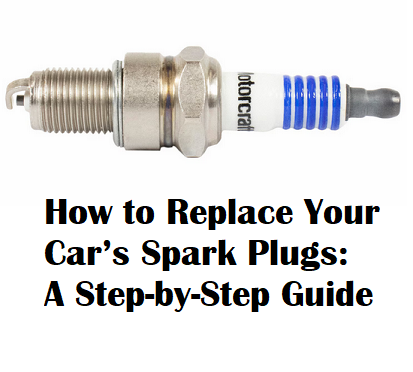
Credit: beachautomotive.com
Tools To Ensure Proper Tightness
Getting the tightness of your spark plugs just right is crucial for your engine’s performance and longevity. Using the right tools helps you avoid the common pitfalls of over-tightening or under-tightening. These tools make the process straightforward, giving you confidence that your spark plugs are secured correctly every time.
Torque Wrenches Types
Torque wrenches come in several types, each suited for different needs. The click-type torque wrench is popular because it signals you with a distinct “click” when the preset torque is reached. This makes it easy to know exactly when to stop tightening.
There are also beam torque wrenches, which use a simple scale and pointer to show torque applied. They are affordable and reliable but require careful watching to avoid over-tightening. Dial torque wrenches offer precise readings on a gauge, ideal for those who want detailed control over the torque.
Choosing the right torque wrench depends on your budget and how often you work on your vehicle. Do you prefer a tool that alerts you or one that lets you watch torque build gradually? Your choice can make a big difference in how accurate your spark plug installation is.
Use Of Torque Angle Gauges
Some spark plugs require you to tighten them beyond a specific torque value by turning them a certain angle. This is where torque angle gauges come in handy. They measure the exact degree of rotation after the initial torque is applied.
Using a torque angle gauge ensures you don’t guess or rely on feel alone. This tool prevents over-tightening, which can damage threads or the cylinder head. It’s a simple add-on that guarantees precision, especially for modern engines with specific torque angle requirements.
Have you ever tightened a spark plug and wondered if you turned it just the right amount? Torque angle gauges remove that uncertainty. They make your work more professional and protect your engine from costly mistakes.
Maintenance And Re-tightening
Proper maintenance and re-tightening of spark plugs ensure your engine runs smoothly. Over time, vibration and heat cycles can cause spark plugs to loosen. Loose spark plugs may cause misfires, poor fuel economy, and engine damage. Regular checks keep your vehicle reliable and efficient.
When To Check Spark Plug Tightness
Check spark plug tightness during routine maintenance or oil changes. Also, inspect after heavy driving or rough terrain trips. New spark plugs should be checked after the first few hundred miles. Always check if the engine shows unusual behavior or performance drops.
Signs You Need To Re-tighten
- Engine misfires or runs unevenly
- Reduced fuel efficiency
- Difficulty starting the engine
- Unusual engine noises, like knocking
- Visible damage or looseness around the spark plug
Spotting these signs early helps avoid costly repairs. Tightening spark plugs properly restores engine power and smooth running.
Frequently Asked Questions
How Tight Should Spark Plugs Be Installed?
Spark plugs should be tightened to the manufacturer’s specified torque. Over-tightening can damage threads, while under-tightening causes poor engine performance. Use a torque wrench for accuracy, typically between 10 to 20 Nm depending on the vehicle.
What Happens If Spark Plugs Are Too Tight?
Over-tightening spark plugs can strip the threads in the cylinder head. It may also cause the plug to crack or break. This leads to costly repairs and poor engine function, so always follow proper torque specifications.
Can Loose Spark Plugs Cause Engine Problems?
Yes, loose spark plugs can cause misfires, poor fuel economy, and rough idling. They allow combustion gases to escape, reducing engine efficiency. Tightening spark plugs to the correct torque ensures proper engine performance and longevity.
Should I Use A Torque Wrench For Spark Plugs?
Using a torque wrench is highly recommended for spark plugs. It ensures the plugs are tightened to the exact specifications. This prevents damage and guarantees optimal engine operation, improving vehicle reliability.
Conclusion
Spark plugs need the right tightness to work well. Too loose, and they can cause misfires or damage. Too tight, and you risk breaking the threads or the plug itself. Use a torque wrench or follow the car manual for the exact tightness.
Regular checks help keep your engine running smooth. Proper spark plug installation saves time and money. Take care with this simple but important step. Your car will thank you with better performance and fuel efficiency.





