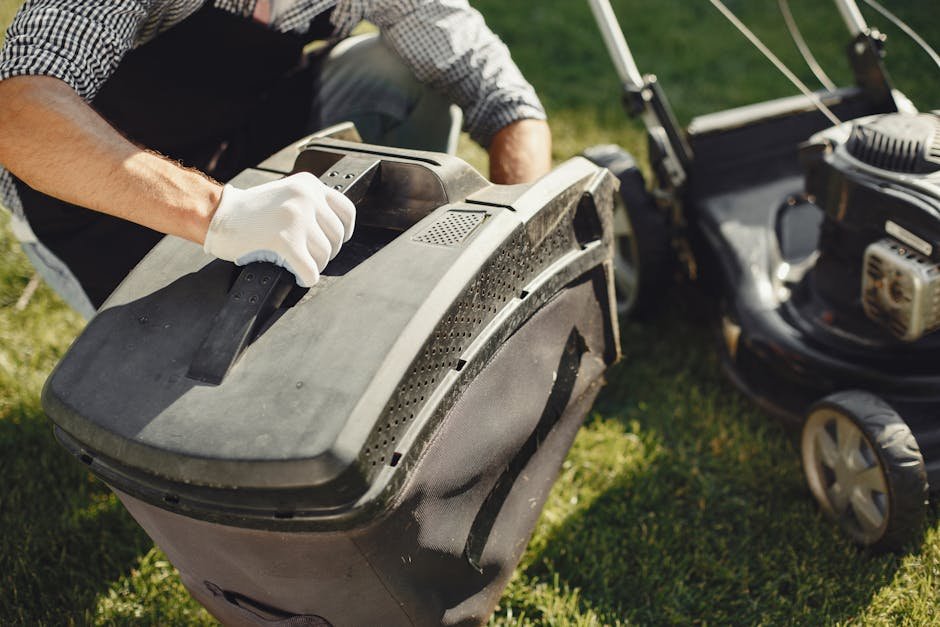
Are you struggling to get your lawn mower up and running? The culprit might be hiding in plain sight: your spark plug.
This small but mighty component plays a crucial role in powering up your machine. Without it, mowing your lawn becomes an impossible task. But where exactly is the spark plug located on your lawn mower? Knowing this can save you time, money, and a whole lot of frustration.
You’ll discover how to easily locate your lawn mower’s spark plug, why it’s vital for your mower’s performance, and tips to keep it in top condition. Stay with us, and you’ll be back to perfecting your lawn in no time.
Locate The Spark Plug
Locating the spark plug on your lawn mower is a key step in maintaining its performance. Knowing exactly where to find it saves you time and frustration. It also helps you perform checks and replacements with confidence.
Identify The Spark Plug Location
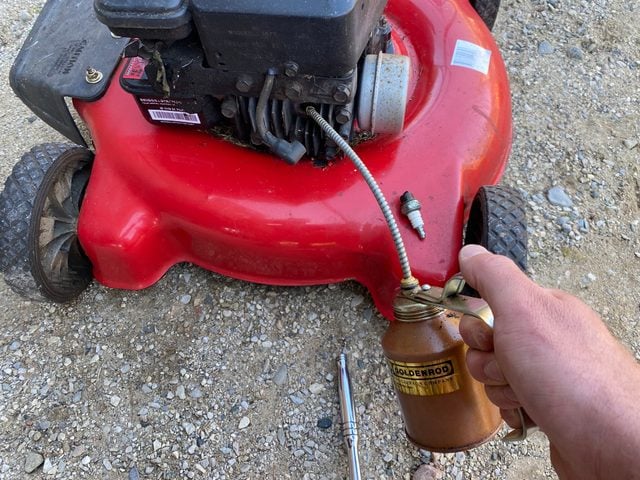
The spark plug is usually found on the side or top of the engine. Look for a thick wire connected to a metal piece sticking out from the engine block. This metal piece is the spark plug, often with a rubber boot covering its tip.
Depending on your mower’s model, the spark plug might be near the air filter or close to the cylinder head. If you’ve ever felt the engine, you can sometimes spot the spark plug by tracing the ignition wire. Have you noticed how certain engines have the plug easier to reach than others?
Tools Needed For Access
Before you try to remove the spark plug, gather these tools:
- Spark plug socket wrench (usually 5/8 or 13/16 inch)
- Ratchet or socket driver
- Extension bar (if the plug is recessed)
- Work gloves to protect your hands
Sometimes, debris or engine covers block direct access. You might need a screwdriver to remove protective covers or panels. Having these tools ready keeps the process smooth and prevents damage to other parts.
Remove The Old Spark Plug
Removing the old spark plug is an important step in maintaining your lawn mower. It helps keep the engine running smoothly. Follow these simple actions to safely take out the spark plug. Proper care prevents damage and ensures easy replacement.
Disconnect The Spark Plug Wire
Start by pulling the spark plug wire off the plug. Hold the boot, not the wire itself. Gently twist if it feels stuck. This prevents damage to the wire and connector. Make sure the engine is off before doing this.
Use The Right Socket Wrench
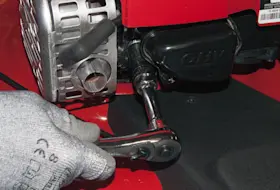
Choose a spark plug socket that fits perfectly. Most lawn mowers use a 5/8 inch or 13/16 inch socket. Attach it to a ratchet wrench. Turn counterclockwise to loosen the plug. Take your time to avoid stripping the threads.
Clean The Surrounding Area
Brush away dirt and debris near the spark plug. Use a clean cloth or small brush. This stops particles from falling into the engine. A clean area makes the removal easier and safer.
Choose The Correct Replacement
Choosing the correct replacement spark plug for your lawn mower is essential for maintaining its performance and longevity. Using the wrong spark plug can lead to poor engine starts, inefficient fuel consumption, and even damage to the mower’s engine. Taking the time to select the right spark plug ensures your mower runs smoothly every time you push the start button.
Check Mower Manual Specifications
Your mower’s manual is the best place to start when selecting a spark plug. It provides exact details like the recommended spark plug type, size, and gap settings. Ignoring these specifications can cause compatibility issues or engine misfires.
Look for information such as:
- Thread size
- Heat range
- Gap measurement
For example, I once tried installing a spark plug that didn’t match the thread size listed in the manual. It caused the plug to sit improperly, leading to engine sputtering. Checking your manual first helps you avoid mistakes like this.
Select Compatible Spark Plug Types
Not all spark plugs are created equal. You need to match the spark plug type—such as copper, platinum, or iridium—with your mower’s engine requirements. Each type offers different durability and performance benefits.
Copper plugs are often cheaper and work well for older engines. Platinum and iridium plugs last longer and provide better ignition but at a higher cost.
Ask yourself: Does your mower need a spark plug designed for heavy-duty use or standard operation? Choosing the right type affects how often you’ll replace the plug and how well your mower performs under different conditions.

Credit: www.reddit.com
Install The New Spark Plug
Installing a new spark plug in your lawn mower is a simple task that improves engine performance. Proper installation ensures the mower runs smoothly and starts easily. Follow each step carefully to avoid damage and achieve the best results.
Set The Proper Gap
Check the spark plug gap using a feeler gauge. The gap is the space between the center and ground electrodes. Refer to your mower’s manual for the exact measurement. Adjust the gap by gently bending the ground electrode. Setting the correct gap helps the spark ignite the fuel-air mix efficiently.
Thread The Plug Carefully
Insert the spark plug into the cylinder head by hand. Turn it slowly to avoid cross-threading. Cross-threading can damage the threads and cause leaks. Hand threading ensures the plug seats properly without forcing it. Once snug, use a wrench to continue tightening.
Tighten To Recommended Torque
Use a torque wrench to tighten the spark plug. Follow the manufacturer’s torque specifications exactly. Too tight can strip the threads or break the plug. Too loose can cause poor engine performance or sparks escaping. Proper torque seals the plug and maintains engine efficiency.
Routine Spark Plug Maintenance
Routine spark plug maintenance is essential to keep your lawn mower running smoothly and efficiently. Neglecting this small but crucial component can lead to poor engine performance, increased fuel consumption, and difficulty starting your mower. Spending a few minutes on regular spark plug care can save you time, money, and frustration during mowing season.
Inspect For Wear And Deposits
Check your spark plug regularly for signs of wear or deposits. Look for cracks, corrosion, or heavy buildup of soot and oil on the electrode and insulator. These issues can prevent the spark plug from firing correctly, causing misfires or rough engine operation.
Ask yourself: is the spark plug’s gap still uniform, or has it widened from use? A worn gap can reduce spark intensity, making your mower harder to start. Keeping an eye on these details helps you catch problems early before they affect performance.
Clean Spark Plug Tips
Cleaning spark plug tips can restore their effectiveness without the need for immediate replacement. Use a wire brush or a specialized spark plug cleaner to gently remove carbon deposits and dirt. Avoid harsh scraping or sandpaper, which can damage the electrode.
After cleaning, check the gap with a feeler gauge and adjust if necessary. A clean and properly gapped spark plug improves ignition and helps your engine run smoothly. Have you noticed your mower sputtering or running unevenly? Cleaning the spark plug might be the simple fix you need.
Regular Replacement Intervals
Even with proper cleaning, spark plugs wear out over time and need replacing. Follow your lawn mower manufacturer’s recommendations for replacement intervals, usually every 25 to 50 hours of use. Replacing spark plugs on schedule keeps your mower starting easily and running efficiently.
Keep a maintenance log or set a reminder for spark plug changes. This small habit prevents unexpected breakdowns and extends your mower’s lifespan. Have you ever skipped spark plug replacement and then struggled with a mower that just wouldn’t start? Staying on top of this task avoids that hassle.
Credit: www.searspartsdirect.com
Troubleshooting Spark Plug Issues
Troubleshooting spark plug issues is crucial to keep your lawn mower running smoothly. A faulty spark plug can cause poor engine performance, making lawn care frustrating and time-consuming. Understanding the signs and knowing when to call for professional help can save you both effort and money.
Signs Of A Faulty Spark Plug
Have you noticed your mower struggling to start or running unevenly? These are common signs that your spark plug might be failing. Other symptoms include:
- Engine misfires or sputters
- Reduced power and poor acceleration
- Increased fuel consumption
- Visible damage or heavy carbon buildup on the plug
Checking your spark plug for wear or deposits can quickly reveal if it’s time for a replacement. Ignoring these signs could lead to more costly engine repairs.
Common Ignition Problems
Besides the spark plug itself, ignition issues can stem from several sources. Faulty ignition coils, damaged wires, or a dirty air filter can disrupt the spark needed to start the engine. Have you ever replaced a spark plug only to find the mower still won’t start? This often points to problems elsewhere in the ignition system.
To troubleshoot effectively:
- Inspect ignition wires for cracks or corrosion
- Test the ignition coil with a multimeter if you have one
- Ensure the air filter is clean and not blocking airflow
Addressing these problems early can prevent your mower from leaving you stranded mid-yard.
When To Seek Professional Help
If you’ve replaced the spark plug and checked the ignition system but your mower still won’t start, it may be time to call a professional. Complex issues like carburetor problems or engine timing often require expert diagnosis. Also, if you’re uncomfortable working with engine components, asking for help is the safest choice.
Remember, a trusted technician can provide a thorough inspection and ensure your mower is in top condition. Are you confident in your DIY skills, or do you prefer letting an expert handle tricky repairs?
Credit: www.familyhandyman.com
Frequently Asked Questions
Where Is The Spark Plug Located On A Lawn Mower?
The spark plug is usually on the engine’s side or top. Look for a small, cylindrical part with a wire attached. It ignites the fuel-air mixture for the engine to run.
How Do I Remove A Spark Plug From A Lawn Mower?
First, disconnect the spark plug wire. Use a spark plug socket wrench to turn it counterclockwise. Gently pull the spark plug out once loosened.
How Often Should I Replace My Lawn Mower’s Spark Plug?
Replace the spark plug every 25 to 50 hours of use or once per mowing season. Regular replacement ensures efficient engine performance and easier starting.
What Size Spark Plug Does A Lawn Mower Need?
Most lawn mowers use standard 14mm spark plugs, but check your mower’s manual. Using the correct size ensures proper engine function and prevents damage.
Conclusion
Finding the right spark plug for your lawn mower keeps it running well. Check your mower’s manual for the exact type needed. Local hardware stores and online shops offer many options. Regularly changing the spark plug helps your mower start easily and work smoothly.
Remember, a clean spark plug saves fuel and reduces smoke. Keep a spare plug handy for quick replacements. Proper care extends your mower’s life and saves money. Simple steps make mowing your lawn easier and more efficient.





