
Imagine you’re driving down the highway, watching the needle on your fuel gauge dip lower and lower with each passing mile. It’s frustrating, isn’t it?
You want to get the most out of every drop of gasoline, but you’re not sure how. That’s where a simple change might make a big difference: your spark plugs. Could swapping out these small components really improve your car’s gas mileage?
We’ll dive into the role spark plugs play in your vehicle’s performance and explore whether a quick switch could save you money at the pump. Get ready to discover how this often-overlooked maintenance task could lead to fewer stops at the gas station and more cash in your pocket.
How Spark Plugs Affect Fuel Efficiency
Spark plugs play a key role in your car’s fuel efficiency. They ignite the air and fuel mixture inside the engine. This ignition starts the combustion process. Combustion powers your vehicle and uses fuel. The condition of spark plugs affects how well this process works. Poor spark plugs can lead to wasted fuel and lower mileage.
Role Of Spark Plugs In Combustion
Spark plugs create a spark that ignites the fuel-air mix. This spark must be strong and timely. Proper ignition ensures full combustion. Full combustion means more power and better fuel use. Good spark plugs help the engine run smoothly. They reduce fuel waste and improve mileage.
Impact Of Worn Spark Plugs On Mileage
Worn spark plugs cause weak or irregular sparks. This leads to incomplete combustion. Incomplete combustion wastes fuel and lowers power. The engine may run rough or stall. Poor spark plugs increase fuel consumption. Replacing old spark plugs can restore mileage. It makes the engine more efficient and saves fuel.

Credit: www.reddit.com
Signs Of Failing Spark Plugs
Knowing the signs of failing spark plugs can save you from unexpected car troubles and wasted fuel. Spark plugs play a crucial role in igniting the fuel-air mixture in your engine. When they start to wear out, your vehicle’s performance and gas mileage can take a hit without you realizing it immediately.
Common Symptoms To Watch For
Watch for rough idling or a noticeable shake when your car is at a stop. This can mean the spark plugs aren’t firing properly. You might also notice difficulty starting your engine or a drop in acceleration.
Another sign is increased fuel consumption. If your gas mileage suddenly drops, worn spark plugs could be the culprit. You might even spot black soot on the plugs or hear a misfiring engine sound.
- Engine misfires or hesitation
- Poor fuel economy
- Hard starting or slow acceleration
- Engine knocking or pinging noises
- Check engine light turning on
Effects On Engine Performance
Failing spark plugs cause incomplete combustion, which reduces engine power. This can leave you feeling frustrated as your car struggles on hills or during overtaking. You might notice your engine runs hotter, increasing the risk of damage.
Imagine driving on a long trip and suddenly your car feels sluggish. That’s your spark plugs telling you they need attention. Fixing them not only restores power but also improves your gas mileage, putting more money back in your pocket.
Have you checked your spark plugs lately? Ignoring these warning signs can lead to costly repairs and wasted fuel. Taking action early keeps your engine running smoothly and efficiently.
When To Replace Spark Plugs
Knowing the right time to replace your spark plugs can make a noticeable difference in your car’s fuel efficiency. Old or worn spark plugs cause misfires and poor combustion, which can eat up your gas mileage. But how do you figure out exactly when to swap them out?
Manufacturer Recommendations
Check your vehicle’s owner manual for the spark plug replacement schedule. Manufacturers provide specific guidelines based on your car’s engine type and design. Following these recommendations ensures you don’t replace plugs too early or let them degrade too much.
For example, many modern cars with iridium or platinum spark plugs suggest replacement every 60,000 to 100,000 miles. Older models with copper spark plugs usually need a change sooner, around 20,000 to 30,000 miles. Ignoring these guidelines can lead to reduced engine performance and lower gas mileage.
Mileage And Time Guidelines
Besides mileage, consider how long you’ve had your spark plugs installed. Even if you haven’t hit the mileage mark, plugs can wear out over time due to heat and deposits.
- If your car is driven less frequently, aim to replace spark plugs every 3 to 5 years.
- Frequent stop-and-go driving or city traffic can wear plugs faster than highway driving.
- Look out for symptoms like rough idling, difficulty starting, or decreased fuel economy as signs it’s time for a change.
Have you noticed any changes in how your car runs or how often you fill up at the pump? These clues can guide you on when to get your spark plugs checked. Waiting too long might save you time now but could cost you more in fuel and repairs later.
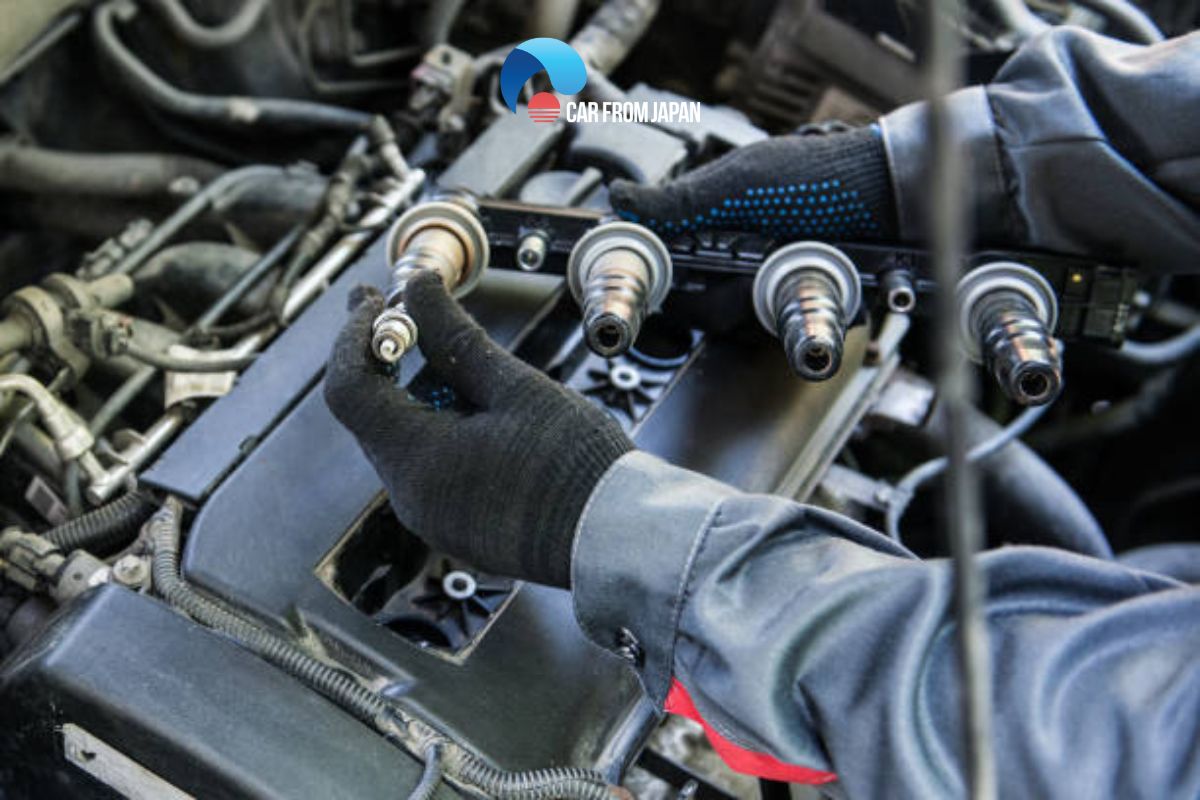
Credit: carfromjapan.com
Choosing The Right Spark Plugs
Choosing the right spark plugs is crucial if you want to improve your car’s gas mileage. The right spark plug ensures efficient combustion, which means your engine burns fuel more completely and saves you money at the pump. But not all spark plugs are created equal, and picking the wrong type can cause poor performance or even damage.
Types Of Spark Plugs
Spark plugs come in several types, each designed for specific engine needs and driving conditions. The most common types include:
- Copper Spark Plugs:Known for excellent conductivity but shorter lifespan. They are budget-friendly and work well in older vehicles.
- Platinum Spark Plugs:Last longer than copper plugs and provide better performance. Ideal for modern engines with electronic ignition systems.
- Iridium Spark Plugs:The most durable type with excellent ignition performance. They improve fuel efficiency and reduce emissions but come at a higher cost.
- Double Platinum and Double Iridium:Designed for engines with waste spark ignition systems, offering even better durability and performance.
Choosing the right type depends on your vehicle’s engine design and your driving habits. Using iridium plugs in an engine designed for copper plugs won’t necessarily boost mileage and might be a waste of money.
Factors Affecting Spark Plug Selection
Several factors influence which spark plug fits your car best. You need to consider:
- Engine Type:Some engines require specific heat ranges or plug designs to avoid overheating or fouling.
- Driving Conditions:Frequent stop-and-go city driving might call for different plugs than highway cruising.
- Manufacturer Recommendations:Always check the owner’s manual for the spark plug type and gap specifications your car needs.
- Fuel Type:If you use premium or alternative fuels, certain spark plugs may perform better.
Ignoring these factors can lead to poor fuel combustion, which directly reduces your gas mileage. Have you ever noticed your car stuttering or using more fuel after a spark plug change? That’s often because the wrong plug was installed.
Choosing the right spark plug is more than just buying the cheapest or most durable option. Matching your plugs to your engine’s needs and your driving style can make a real difference in mileage and overall performance.
Step-by-step Spark Plug Replacement
Replacing spark plugs can have a direct impact on your car’s gas mileage. It’s a task you can handle yourself with the right tools and approach. Let’s walk through the process so you feel confident tackling it and see if this simple change can make your engine run more efficiently.
Tools Needed
- Spark plug socket:A deep socket designed to fit spark plugs snugly.
- Ratchet wrench:To turn the spark plug socket and remove old plugs.
- Torque wrench:Ensures new spark plugs are tightened to the correct specification.
- Gap gauge:Measures and adjusts the gap of new spark plugs for optimal performance.
- Extension bar:Helps reach spark plugs that are recessed deep in the engine.
- Anti-seize lubricant (optional):Prevents new plugs from sticking in the cylinder head.
Replacement Process
Start by locating your vehicle’s spark plugs using the owner’s manual or a quick online search. Remove the ignition wires or coil packs carefully, avoiding damage to the connectors.
Use the spark plug socket and ratchet to unscrew the old plugs. Take your time here; forcing them can strip threads or break the plug.
Check the gap on your new plugs with the gauge. Adjust it if needed to match your car’s specifications. This step is crucial for fuel efficiency and engine performance.
Apply a small amount of anti-seize lubricant to the threads of the new plugs if desired. Screw them in by hand at first to avoid cross-threading, then tighten with the torque wrench to the recommended setting.
Reconnect the ignition wires or coil packs. Double-check that everything is secure before starting your engine.
Safety Tips
- Work on a cool engine to prevent burns and damage to components.
- Disconnect the negative battery cable to avoid electrical shocks.
- Wear safety glasses to protect your eyes from debris or accidental sparks.
- Keep track of all parts removed and avoid forcing anything that feels stuck.
Have you noticed how simple maintenance can sometimes save you money at the pump? Changing your spark plugs might be one of those underrated fixes. Ready to give your car a small upgrade that could boost efficiency?

Credit: www.reddit.com
Additional Tips To Boost Gas Mileage
Improving gas mileage involves more than just changing spark plugs. Small habits and regular care play a big role. These additional tips help your car use fuel more efficiently. They keep your vehicle running smoothly and save money on gas.
Routine Maintenance Practices
Keep your car in top shape with simple upkeep. Check tire pressure often. Properly inflated tires reduce fuel use. Change the air filter regularly. A clean filter improves engine performance. Use the recommended motor oil grade. The right oil lowers engine friction. Replace spark plugs on schedule. Worn plugs cause poor fuel efficiency. Regular tune-ups keep all parts working well.
Driving Habits That Save Fuel
Drive smart to use less gas. Avoid rapid acceleration and hard braking. Smooth starts and stops save fuel. Maintain steady speeds on highways. Use cruise control when possible. Reduce idling time; turn off the engine if stopped for long. Remove extra weight from your car. Carrying less weight helps your engine work less. Plan trips to avoid heavy traffic and unnecessary driving.
Frequently Asked Questions
Will New Spark Plugs Really Boost Gas Mileage?
Yes, new spark plugs can improve gas mileage by ensuring efficient fuel combustion. Worn plugs cause misfires, lowering mileage. Replacing them restores optimal engine performance, saving fuel and money.
How Often Should Spark Plugs Be Replaced?
Spark plugs typically need replacement every 30,000 to 100,000 miles. Check your vehicle’s manual for specific intervals. Regular replacement keeps the engine running smoothly and maintains fuel efficiency.
Can Bad Spark Plugs Cause Poor Fuel Economy?
Absolutely. Faulty spark plugs cause incomplete combustion, wasting fuel and reducing mileage. Timely replacement prevents misfires and improves overall engine efficiency, helping save on fuel costs.
Do All Spark Plugs Improve Mileage Equally?
No, spark plug quality and type affect performance. High-quality, properly gapped plugs improve fuel efficiency better. Always use plugs recommended by your vehicle manufacturer for best results.
Conclusion
Changing spark plugs can help your car run more smoothly. Worn plugs make engines work harder and waste fuel. New spark plugs burn fuel better, which can save gas. This small fix may improve mileage, but results vary. Regular car care always helps keep fuel costs down.
Try changing plugs as part of simple maintenance. Better mileage means fewer stops at the pump. Keep your engine healthy and enjoy longer drives. Simple steps add up to big savings over time.





