Are you wondering if it’s time to replace your spark plugs? It’s a question every car owner faces at some point.
Spark plugs play a crucial role in keeping your engine running smoothly. When they wear out, you could face issues like reduced fuel efficiency, engine misfires, or even trouble starting your car. So, how often should you replace them to ensure your vehicle runs at its best?
We’ll dive into the tell-tale signs that your spark plugs need attention, the frequency of replacement, and how keeping them in check can save you money and stress. Stay with us to uncover the secrets to maintaining a healthy engine and ensuring every drive is a smooth one.
Spark Plug Basics
Understanding the basics of spark plugs is crucial before deciding how often to replace them. These small components play a big role in your vehicle’s overall performance and efficiency. Knowing what spark plugs do and the different types available can help you make better maintenance choices for your engine.
Role In Engine Performance
Spark plugs ignite the air-fuel mixture inside your engine’s cylinders. This ignition creates the explosion that powers your car’s movement. Without a properly functioning spark plug, your engine may misfire, lose power, or consume more fuel.
Have you noticed your car hesitating during acceleration or struggling to start? These could be signs that your spark plugs aren’t firing correctly. Keeping them in good condition ensures smooth engine performance and better fuel efficiency.
Types Of Spark Plugs
Not all spark plugs are created equal. You’ll find several types designed to meet different engine needs and driving conditions:
- Copper Spark Plugs:Offer good conductivity but wear out faster.
- Platinum Spark Plugs:Last longer and handle higher temperatures better than copper.
- Iridium Spark Plugs:Known for durability and excellent performance under tough conditions.
Choosing the right type depends on your vehicle’s make and your driving habits. For instance, if you often drive in stop-and-go traffic, iridium plugs might give you better longevity.

Credit: beachautomotive.com
Signs Of Worn Spark Plugs
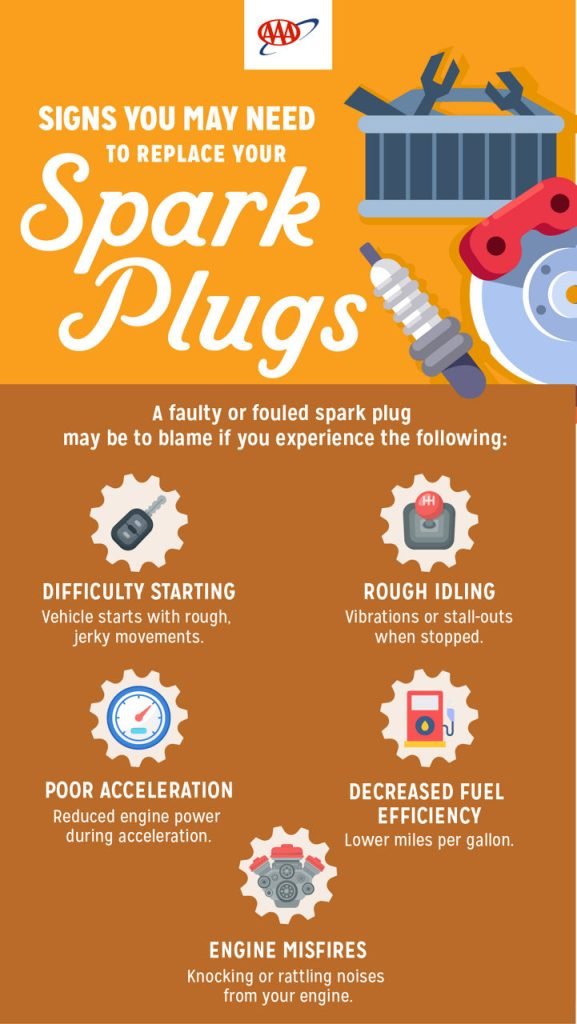
Worn spark plugs cause several noticeable problems in your car’s performance. Identifying these signs early helps avoid bigger engine troubles. Watch out for changes in how your engine runs and responds.
Engine Misfires And Rough Idling
Worn spark plugs can cause the engine to misfire. The engine may run unevenly or shake while idling. This happens because the spark plugs fail to ignite the fuel properly. You might hear a popping sound or feel a loss of power.
Reduced Fuel Efficiency
Old spark plugs burn fuel less efficiently. Your car will use more gas than usual. This leads to more frequent trips to the gas station. Reduced fuel efficiency means higher costs and more pollution.
Difficulty Starting The Engine
When spark plugs wear out, starting the engine becomes harder. The engine may crank longer before it starts. In cold weather, this problem is often worse. Faulty spark plugs struggle to create the spark needed to ignite fuel.
Replacement Intervals
Knowing the right time to replace spark plugs helps keep your engine running smoothly. Replacement intervals depend on several factors. These include manufacturer guidelines, how you drive, and the type of spark plugs used. Understanding these can save you money and prevent engine problems.
Manufacturer Recommendations
Car makers provide specific spark plug replacement intervals. These are often found in the owner’s manual. Most recommend changing spark plugs every 30,000 to 100,000 miles. Follow these guidelines for best engine performance. Ignoring them may lead to poor fuel efficiency and rough idling.
Influence Of Driving Conditions
Driving style and conditions affect spark plug life. Short trips and stop-and-go traffic wear plugs faster. Dusty or dirty environments also shorten their lifespan. High-speed or long-distance driving causes less wear. Adjust replacement intervals based on how and where you drive.
Impact Of Spark Plug Material
Spark plugs come in different materials. Copper plugs last about 20,000 to 30,000 miles. Platinum plugs can go up to 60,000 miles. Iridium plugs are the most durable, lasting 90,000 miles or more. Choosing the right material can extend replacement intervals and improve performance.

Credit: www.slashgear.com
How To Check Spark Plugs
Checking your spark plugs is a crucial skill that helps you maintain your vehicle’s performance and fuel efficiency. It’s easier than you might think and doesn’t always require a mechanic. Knowing what to look for and how to use the right tools can save you time and money.
Visual Inspection Tips
Start by removing the spark plugs carefully using a spark plug socket. Once out, inspect the metal tip and the ceramic insulator.
- Look for deposits:Light tan or grayish color means healthy plugs. Black, oily, or sooty buildup points to engine problems.
- Check the electrode gap:Worn or widened gaps reduce spark efficiency. Use a gap gauge to measure and compare with your vehicle’s specs.
- Examine for cracks or damage:Any signs of cracks in the ceramic or worn electrodes indicate it’s time for replacement.
When I checked my car’s plugs last winter, I found one with a cracked insulator. It explained why my engine was misfiring during cold starts. Small details like this can reveal bigger hidden issues.
Using Diagnostic Tools
Beyond visual checks, diagnostic tools provide deeper insights into your spark plugs’ condition.
- OBD-II Scanner:This device reads error codes from your car’s computer. Codes related to misfires or ignition problems often point to spark plug issues.
- Spark Plug Tester:This tool simulates the spark to verify if the plug fires correctly under pressure. It helps confirm whether the plug is faulty without removing it.
Using an OBD-II scanner once helped me spot a misfire code that wasn’t obvious during a visual check. It saved me from replacing good plugs unnecessarily and guided me straight to the problem.
Would you consider checking your spark plugs yourself before heading to the mechanic next time? It could reveal simple fixes and keep your car running smoothly.
Diy Vs Professional Replacement
Deciding between DIY and professional spark plug replacement depends on your comfort level, tools, and the condition of your vehicle. Changing spark plugs yourself can save money and give you a better understanding of your car’s engine. However, some situations require the precision and experience that only a professional can provide.
Tools Needed For Replacement
Before you start, make sure you have the right tools. Basic tools include a spark plug socket, a ratchet wrench, and a torque wrench for tightening plugs to the correct specification.
- Spark plug socket (usually 5/8” or 13/16”)
- Ratchet wrench with extension
- Torque wrench
- Gap gauge to check spark plug gap
- Dielectric grease for spark plug boots
- Anti-seize compound (optional, but recommended)
Having these tools ready can make the process smoother and help prevent damage to the spark plugs or engine parts. Missing even one tool can cause frustration or improper installation.
When To Seek Professional Help
If your spark plugs are hard to reach or your engine has a complex layout, a professional mechanic might be your best option. Professionals also spot issues like worn ignition coils or damaged spark plug wires that might go unnoticed during a DIY job.
Have you ever struggled with removing a stubborn spark plug? That’s a sign to call an expert. They have special tools and experience to avoid stripping threads or damaging the cylinder head.
Also, if your vehicle is still under warranty, DIY repairs might void it. Checking your warranty terms before you start is a smart move.
Benefits Of Timely Replacement
Replacing spark plugs on time brings noticeable benefits that directly impact your vehicle’s performance and your driving experience. You might not realize how much a small part like a spark plug affects your engine’s health until you experience the difference a fresh set can make. Let’s look at the key advantages of staying on top of this simple maintenance task.
Improved Engine Efficiency
Old or worn spark plugs can cause misfires or incomplete combustion, making your engine work harder. When you replace them timely, your engine fires smoothly and uses fuel more efficiently. This means better acceleration and smoother rides, something you’ll feel every time you hit the gas.
Have you ever noticed your car hesitating or struggling to start? That’s often a sign your spark plugs need attention. Fresh plugs ensure every drop of fuel ignites properly, giving you the power you expect without wasting fuel.
Lower Emissions
Faulty spark plugs lead to incomplete fuel burning, increasing harmful emissions from your vehicle. Timely replacement helps your engine burn fuel cleaner, reducing the pollutants released into the air.
If you care about the environment or need to pass emissions tests, keeping your spark plugs in good shape is crucial. It’s a simple step you can take to lower your car’s environmental impact without expensive modifications.
Extended Engine Life
Running your engine with bad spark plugs puts extra stress on components like the ignition coils and catalytic converter. Over time, this wear can cause costly repairs or even engine damage.
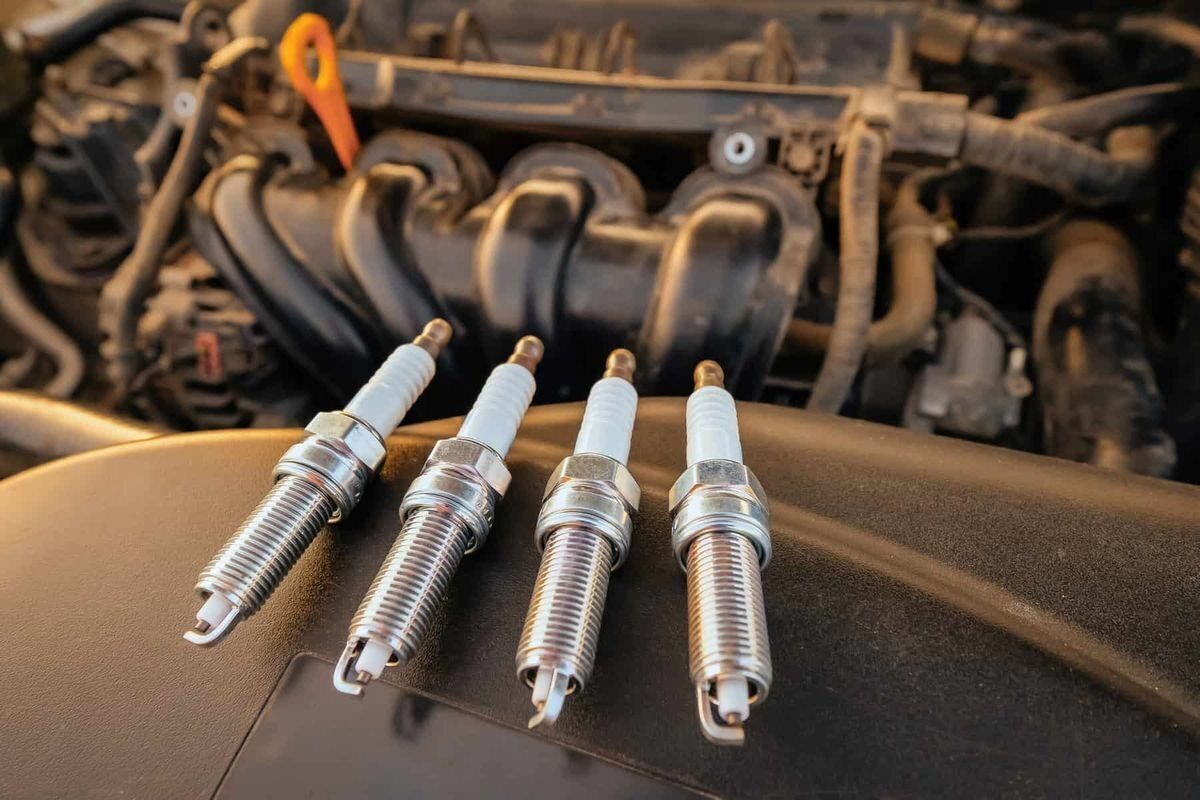
Regularly replacing your spark plugs prevents these issues and helps your engine run smoothly for years. Think of it as a small investment that keeps your car reliable and saves you money on big repairs down the road.
Credit: www.westsideauto.com.au
Frequently Asked Questions
How Often Should Spark Plugs Be Replaced?
Spark plugs usually need replacement every 30,000 to 100,000 miles. Check your vehicle’s manual for exact intervals. Regular replacement ensures optimal engine performance and fuel efficiency.
What Are Signs Of Worn-out Spark Plugs?
Common signs include engine misfires, rough idling, poor acceleration, and reduced fuel efficiency. If you notice these, inspect or replace your spark plugs promptly.
Can Old Spark Plugs Damage The Engine?
Yes, worn spark plugs can cause misfires and incomplete combustion. This leads to engine damage and lower performance over time. Timely replacement prevents such issues.
How Do Spark Plugs Affect Fuel Economy?
Worn spark plugs cause inefficient combustion, increasing fuel consumption. Replacing them helps maintain proper ignition, improving fuel economy and reducing emissions.
Conclusion
Regular spark plug replacement keeps your engine running smooth. Check your car manual for the right interval. Worn spark plugs cause poor fuel economy and rough idling. Replacing them on time saves money and avoids bigger repairs. Remember, clean and working spark plugs help your car start easily.
Don’t wait for problems—keep your spark plugs fresh for better performance. Simple steps lead to a healthier engine and safer driving. Stay on top of maintenance to enjoy a reliable ride every day.





