When was the last time you thought about your car’s spark plugs? If it’s been a while, you’re not alone.
Many drivers overlook these small but mighty components. Yet, they play a crucial role in keeping your vehicle running smoothly. Ignoring them can lead to reduced performance, increased fuel consumption, and even engine damage. Curious about how often you should change your spark plugs?
You’re in the right place. This guide will walk you through everything you need to know, ensuring your car stays in top shape and giving you peace of mind on the road. Dive in to discover the simple steps that can save you money and hassle in the long run.
Credit: www.slashgear.com
Role Of Spark Plugs
Spark plugs play a crucial role in your vehicle’s engine. They create the spark needed to ignite the fuel-air mixture. This ignition powers the engine and keeps your car running smoothly. Without properly working spark plugs, the engine can misfire, lose power, or consume more fuel.
Regular maintenance of spark plugs helps maintain engine efficiency. Understanding their role helps you know when to replace them. Worn spark plugs affect performance and can lead to costly repairs.
How Spark Plugs Work
Spark plugs sit in the engine’s cylinder head. They receive voltage from the ignition system. This voltage creates a spark between the center and ground electrode. The spark ignites the compressed fuel-air mix. This controlled explosion pushes the piston down, creating power.
Each cylinder in the engine has its own spark plug. The timing of the spark is precise. It ensures smooth engine operation and fuel efficiency. Spark plugs must withstand heat and pressure inside the engine.
Signs Of Worn Spark Plugs
Worn spark plugs cause several noticeable problems. Watch for these signs:
- Engine misfires or rough idling
- Reduced fuel efficiency
- Difficulty starting the engine
- Loss of power during acceleration
- Increased exhaust emissions
- Engine knocking or pinging sounds
Ignoring these signs can damage other engine parts. Replacing spark plugs in time keeps your vehicle running well. It saves money and avoids breakdowns on the road.
Recommended Replacement Intervals
Knowing the recommended replacement intervals for spark plugs helps maintain engine performance. Spark plugs wear out over time and affect fuel efficiency and power. Changing them at the right time prevents costly repairs and keeps your car running smoothly.
Manufacturer Guidelines
Most car makers provide clear schedules for changing spark plugs. These intervals usually range from 30,000 to 100,000 miles. The exact number depends on the type of spark plug your vehicle uses. Copper plugs require more frequent changes, usually around 30,000 miles. Platinum and iridium plugs last longer, often up to 100,000 miles. Always check your owner’s manual for the specific recommendations.
Impact Of Driving Conditions
Driving habits and conditions affect how quickly spark plugs wear out. Short trips and stop-and-go traffic cause more stress on spark plugs. Dusty or dirty environments may clog plugs faster. Heavy towing or high-speed driving also increases wear. Under these conditions, replace spark plugs more often than the standard schedule. Regular inspection helps catch problems early.
Factors Affecting Spark Plug Life
Understanding the factors that affect spark plug life can save you time and money. Spark plugs don’t wear out at the same rate in every vehicle. Several elements influence how long they last, and knowing these can help you decide when to replace them.
Engine Type And Age
Your engine’s design and how old it is play a big role in spark plug durability. Older engines often run hotter or have less efficient combustion, which can wear out plugs faster. On the other hand, modern engines with advanced ignition systems tend to be gentler on spark plugs, extending their lifespan.
Have you noticed your classic car’s spark plugs needing frequent checks compared to a newer model? That’s a clear sign that engine age affects spark plug life. Also, high-performance engines may demand more frequent replacements because they push the plugs harder.
Fuel Quality And Additives
The type of fuel you use impacts spark plug health more than you might expect. Lower-quality fuel can leave deposits on the plugs, causing misfires and reducing their efficiency. Additives in fuel, though meant to improve performance, sometimes leave residues that shorten spark plug life.
If you often fill up at different gas stations, you may notice changes in your engine’s smoothness. This inconsistency could be tied to fuel quality. Choosing higher-grade fuel or using fuel additives designed to clean the engine can help maintain your spark plugs longer.
Checking Spark Plug Condition
Checking the condition of your spark plugs is crucial to keep your engine running smoothly. Worn or damaged spark plugs can cause poor fuel efficiency, rough idling, and difficulty starting your car. Regular inspection helps you spot issues early and decide whether it’s time for a replacement.
Visual Inspection Tips
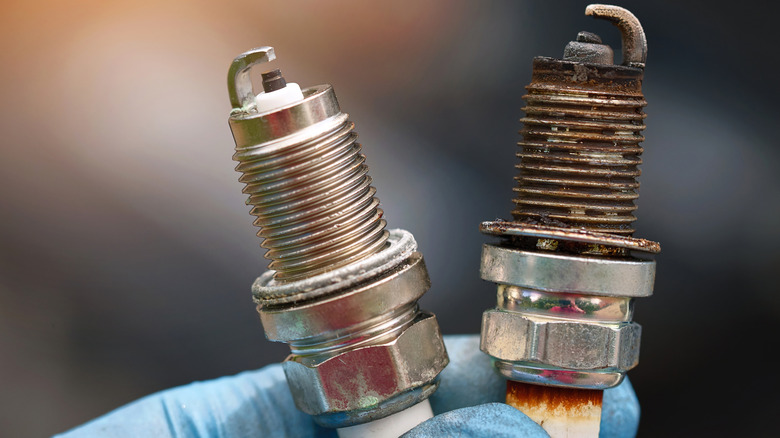
Look closely at the spark plug’s tip and electrodes. Healthy plugs usually have a light tan or grayish color. If you notice black soot, oily deposits, or heavy corrosion, it’s a sign that the plug isn’t firing properly.
Cracks, chips, or worn electrodes are clear indicators that the spark plug needs replacement. Also, check for any signs of overheating like a blistered or melted appearance. These visual clues can save you from bigger engine problems down the road.
Using Diagnostic Tools
Using a spark plug tester can help you understand if your plug is producing a strong spark. These handheld devices simulate the spark plug’s operation and show whether it’s firing correctly. It’s a quick way to confirm your visual findings.
Additionally, an OBD-II scanner can reveal engine misfires linked to faulty spark plugs. This tool reads error codes from your vehicle’s computer, offering precise insights without guesswork. Do you know what your engine codes say about your spark plugs?
Choosing The Right Spark Plug
Choosing the right spark plug is key to keeping your engine running smoothly and efficiently. The right spark plug ensures proper ignition, better fuel economy, and fewer engine problems. Understanding the types of spark plugs and their specific features can help you make the best choice for your vehicle.
Types Of Spark Plugs
There are several types of spark plugs, each designed for different engine needs. The common types include copper, platinum, and iridium spark plugs.
- Copper Spark Plugs:These are the most affordable and offer good performance but wear out faster. They work well in older cars or engines with low compression.
- Platinum Spark Plugs:Platinum plugs last longer than copper ones and provide better durability. They are suitable for modern engines and offer improved fuel efficiency.
- Iridium Spark Plugs:Iridium plugs are the most durable and provide excellent ignition. They often come with a higher price but can last up to 100,000 miles or more.
Have you ever noticed your engine misfiring or struggling during acceleration? Choosing the right type of spark plug can often fix these issues without costly repairs.
Heat Range And Gap Settings
The heat range of a spark plug affects how well it handles engine temperature. A plug that is too hot can cause engine knocking, while a plug that is too cold may foul quickly.
| Heat Range | Description | When to Use |
|---|---|---|
| Hot | Retains more heat | Ideal for low-speed or short trips |
| Cold | Dissipates heat quickly | Best for high-performance or high-speed engines |
The spark plug gap is the distance between the center and ground electrode. Too wide a gap can cause misfires, while too narrow a gap results in weak sparks.
- Check your vehicle’s manual for the recommended gap size.
- Use a gap tool to measure and adjust the gap accurately.
- Remember, small adjustments can make a big difference in engine performance.
Have you measured your spark plug gap recently? Even a small change can improve your engine’s response and fuel efficiency.

Credit: www.acg.aaa.com
Diy Replacement Steps
Changing your spark plugs yourself can save you time and money. It also gives you a chance to understand your vehicle better. Knowing the right steps to replace spark plugs safely is key to avoiding damage and ensuring your engine runs smoothly.
Tools Needed
- Spark plug socket:This is a special socket designed to fit spark plugs snugly.
- Ratchet wrench:Essential for loosening and tightening the plugs.
- Extension bar:Helps reach deep spark plugs in tight engine spaces.
- Torque wrench:Ensures you tighten plugs to the correct specification.
- Gap gauge:Used to check and adjust the spark plug gap as per your vehicle’s manual.
- Dielectric grease:Helps prevent moisture and corrosion on the plug boots.
- Protective gloves:Keeps your hands safe from dirt and heat.
Safe Removal And Installation
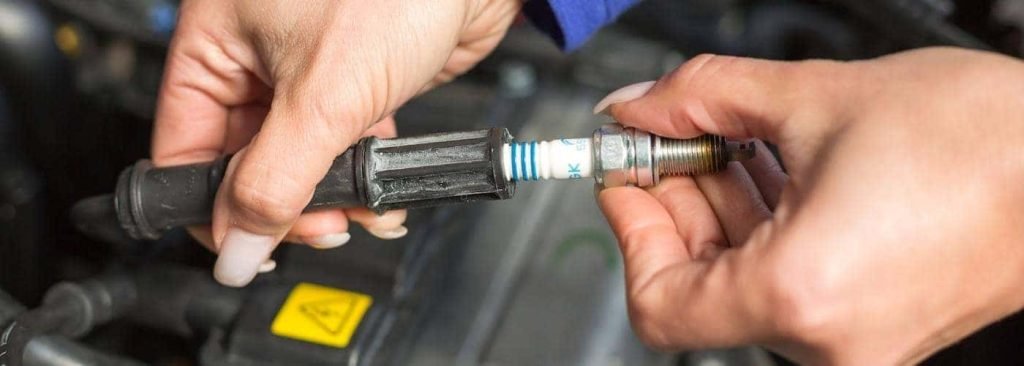
Start with the engine cool to avoid burns. Locate the spark plugs and gently remove the ignition coils or wires. Pulling on the wires instead of the boot can damage them, so handle with care.
Use the spark plug socket and ratchet to loosen each plug by turning counterclockwise. If a plug feels stuck, avoid forcing it; try applying a penetrating lubricant and wait a few minutes.
Before installing new plugs, check their gap using the gauge. Adjust if needed to match your vehicle’s specifications. Thread the new plugs in by hand first to avoid cross-threading, then tighten with the torque wrench to the recommended torque.
Apply a small amount of dielectric grease inside the boot to ensure a good seal and prevent corrosion. Reattach the ignition coils or wires firmly. Have you noticed smoother engine starts or better fuel efficiency after replacing your spark plugs? That’s a sign you did it right.
Benefits Of Timely Replacement
Replacing your spark plugs on time is more than just routine maintenance; it directly affects how your vehicle runs every day. Ignoring this simple task can lead to bigger problems down the road, while staying on schedule brings clear benefits you’ll notice immediately. Let’s look at how timely spark plug replacement can improve your car’s overall efficiency and performance.
Improved Fuel Efficiency
When spark plugs wear out, they struggle to ignite the fuel-air mixture efficiently. This causes your engine to consume more fuel to maintain the same power output.
By replacing spark plugs at the right time, you ensure a stronger and more consistent spark. This leads to better combustion and, ultimately, better mileage.
Have you ever tracked your fuel expenses and wondered why they suddenly spiked? Worn spark plugs might be the hidden cause.
Enhanced Engine Performance
Old spark plugs can cause misfires, rough idling, and sluggish acceleration. These issues make driving frustrating and can damage other engine components.
Fresh spark plugs restore smooth engine operation, giving you quicker starts and more responsive handling. The difference is often noticeable even during your daily commute.
Imagine the confidence you’ll feel knowing your engine is firing on all cylinders, literally. Timely replacement keeps your car ready for any road challenge.
Credit: beachautomotive.com
Frequently Asked Questions
How Often Should You Change Spark Plugs?
Spark plugs should be changed every 30,000 to 100,000 miles. This depends on your vehicle and spark plug type. Regular inspection helps maintain engine performance and fuel efficiency.
What Are Signs Of Worn Spark Plugs?
Worn spark plugs cause rough idling, misfires, poor fuel economy, and hard starts. If you notice these, check your spark plugs immediately.
Can Old Spark Plugs Damage The Engine?
Yes, old spark plugs can cause engine misfires and poor combustion. This may lead to engine damage over time if not replaced promptly.
Does Driving Style Affect Spark Plug Life?
Aggressive driving can wear out spark plugs faster. Smooth driving and regular maintenance extend their lifespan and keep the engine running efficiently.
Conclusion
Changing spark plugs regularly keeps your engine running smooth. Old spark plugs cause poor fuel use and rough rides. Check your car’s manual for the right change time. Some plugs last longer, but many need change every 30,000 miles. Watch for signs like hard starts or low power.
Taking care of spark plugs saves money and avoids bigger repairs. Small steps make your car healthier and safer to drive. Keep an eye on spark plugs and drive with confidence. Simple care helps your vehicle last longer.





