Ever popped the hood of your car and felt like you were staring at an unsolvable puzzle? You’re not alone.
Many drivers have asked themselves, “Where are the spark plugs? ” These small but mighty components are crucial for your vehicle’s performance, yet they often remain hidden in plain sight. Imagine the confidence you’ll feel once you know exactly where these little powerhouses are located.
Understanding this can save you time, money, and stress. Let’s dive in and reveal the mystery of spark plugs, ensuring you’re never left guessing again.
Locate The Engine
Locating the engine is your first move when searching for the spark plugs. Knowing exactly where the engine sits helps you find the spark plugs faster and saves you from unnecessary guesswork. Engines vary by vehicle, so pinpointing the engine type and checking under the hood are crucial steps.
Identify The Engine Type
Look at your vehicle’s manual or the sticker inside the driver’s door to identify the engine type. Is it a four-cylinder, V6, or V8? This detail matters because the number and arrangement of spark plugs depend on the engine.
For instance, a four-cylinder engine usually has four spark plugs, each attached directly to a cylinder. A V6 engine has two banks of cylinders, so spark plugs will be split on either side. Understanding your engine type gives you a mental map before you even open the hood.
Check Under The Hood
Open the hood and stand in front of your vehicle. The engine is usually right in the center or slightly to one side. Look for thick wires running from the engine block—these often lead directly to the spark plugs.
In many cars, spark plugs hide beneath a plastic engine cover. Don’t worry if you can’t see them immediately; removing this cover is usually straightforward. If you see spark plug wires or ignition coils, follow them to find the exact spot where spark plugs connect.
Spot The Spark Plug Wires
Spotting the spark plug wires is your first step to understanding where the spark plugs sit in your engine. These wires are the vital connection between your ignition system and the spark plugs, carrying the electric current needed to ignite the fuel. If you can identify the wires, you’re well on your way to locating the spark plugs themselves.
Trace The Ignition Cables
The spark plug wires, often called ignition cables, run directly from the distributor or ignition coil pack to each spark plug. You can usually follow these cables as they snake along the engine block. They are thick, insulated wires designed to handle high voltage, so look for cables that stand out from thinner wiring harnesses.
One time, I traced these cables in my car and noticed they were bundled tightly and neatly routed along the valve cover. This made it easy to find where each wire connected to the spark plug. Can you spot similar wiring paths in your engine bay?
Look For Wire Bundles
Spark plug wires are often grouped together in bundles or clips to keep them organized and away from hot engine parts. These bundles are usually secured with plastic clips or brackets near the engine’s cylinder head. Checking for these bundles can help you narrow down the exact location of the spark plugs.
Be sure to gently move any plastic covers or wire looms that might be hiding these bundles. Sometimes, the wires run under engine components or heat shields, so patience and a careful eye pay off here. Have you noticed any wire bundles tucked along the top or side of your engine?
Find The Spark Plug Boots
Finding the spark plug boots is key to locating the spark plugs. These boots connect the ignition wires to the spark plugs. They protect the connection from dirt and moisture. Knowing how to spot and handle them helps with car maintenance and repairs.
Recognize The Rubber Caps
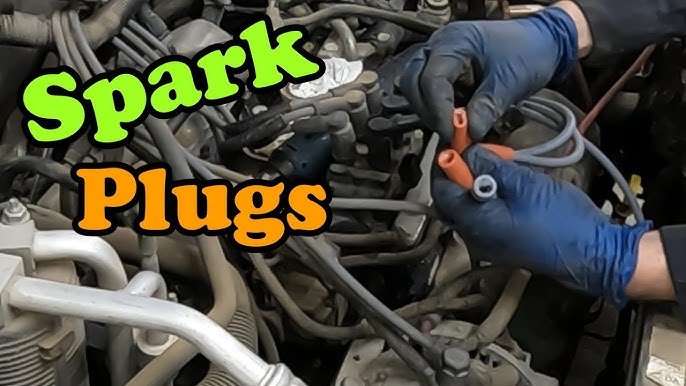
Spark plug boots are rubber caps on the engine. They are usually black or dark in color. Each boot covers a spark plug terminal. The boots are attached to thick ignition wires. They look like small boots or plugs on the engine.
These rubber caps are easy to spot if you follow the wires. The wires run from the ignition coil to the spark plugs. The boots are at the wire ends. They fit snugly over the spark plug tops.
Lift The Boots Carefully
To check the spark plugs, lift the boots gently. Do not pull on the wires. Grasp the boot near the base. Pull straight up to avoid damage. Twisting or yanking can break the wire or boot.
Use a little force but be gentle. If the boot feels stuck, wiggle it slightly. This helps loosen it without harm. Proper care keeps the ignition system working well.

Credit: www.youtube.com
Access Spark Plugs In Different Engines
Finding and accessing spark plugs varies depending on the type of engine you have. Knowing where to look saves you time and frustration. Let’s break down how spark plugs are positioned in different engine designs so you can quickly get to them.
Inline Engines
Inline engines have all cylinders arranged in a single row. This layout makes spark plugs easier to find since they line up on one side of the engine block. Usually, you’ll spot the spark plugs along the top or side of the cylinder head.
Access is generally straightforward. You may only need to remove a few ignition coil packs or wires to reach the plugs. Have you noticed how quickly spark plug replacement goes once you realize they’re all neatly in a row?
V-type Engines
V-type engines have cylinders split into two banks, forming a “V” shape. This design places spark plugs on both sides of the engine, often making access a bit trickier. You’ll have to reach down into two separate areas, one for each bank of cylinders.
Sometimes, parts like the intake manifold may block easy access. Removing these components might be necessary to get to the plugs. Do you have the right tools handy to work in these tighter spaces?
Flat Engines
Flat engines, also called boxer engines, position cylinders horizontally opposite each other. Spark plugs in this setup are found on the outer sides of each cylinder bank. This can make accessing them easier since there’s usually less stuff in the way.
However, the horizontal layout means you often have to work from the sides of the engine compartment. Have you ever had to crouch or lie down to reach spark plugs in this type of engine? Planning your workspace can make the job much smoother.
Use Tools For Easier Location
Finding the spark plugs in a car can be tricky without the right tools. These parts often hide deep in the engine, making them hard to spot. Using simple tools can make this task much easier and faster. Tools help you see into tight spaces and check areas that are hard to reach.
Flashlight Or Work Light
A bright flashlight or work light shines into dark engine spaces. It helps you see the spark plugs clearly. Use a flashlight with a narrow beam to focus light exactly where needed. A portable work light can stay in place while you work. Good lighting reduces guesswork and speeds up locating the spark plugs.
Inspection Mirror
An inspection mirror shows hidden spots behind engine parts. It has a small mirror on a handle, perfect for angles you can’t see directly. Move the mirror slowly to spot the spark plugs. This tool helps you avoid removing many parts just to look. It saves time and effort during your search.

Credit: www.carsales.com.au
Tips For Quick Spark Plug Identification
Finding your spark plugs quickly can save you time and frustration, especially if you’re eager to get hands-on with your vehicle’s maintenance. Knowing exactly where they are and how to spot them can turn a confusing task into a straightforward one. Let’s look at practical ways to identify your spark plugs without guessing or unnecessary searching.
Refer To The Owner’s Manual
Your vehicle’s owner’s manual is the best place to start. It often includes clear diagrams and detailed information about the engine layout, including the exact location of the spark plugs.
If you don’t have a physical copy, many manufacturers offer digital versions online. Checking the manual saves you from poking around blindly under the hood, which can sometimes lead to accidental damage or frustration.
Search Online Diagrams
When the owner’s manual isn’t handy, online diagrams are a great backup. Websites, forums, and even YouTube tutorials often provide labeled images or videos showing where spark plugs sit in various engine types.
Look for diagrams specific to your car’s make, model, and year to ensure accuracy. Have you ever tried searching with just your car model and “spark plug location”? It’s surprising how quickly you can find exactly what you need.

Credit: www.youtube.com
Frequently Asked Questions
Where Are Spark Plugs Located In A Car Engine?
Spark plugs are found screwed into the engine’s cylinder head. They connect the ignition system to the combustion chamber, igniting the fuel-air mix.
How To Find Spark Plugs Under The Engine Cover?
Remove the engine cover carefully to expose the cylinder head. Spark plugs are usually beneath ignition coils or wires attached to the head.
Can Spark Plugs Be Found In All Engine Types?
Yes, spark plugs are present in gasoline engines but not in diesel engines, which use glow plugs instead for ignition.
Why Are Spark Plugs Important In Vehicle Performance?
Spark plugs ignite the fuel mixture, enabling engine combustion. Good spark plugs improve fuel efficiency and engine power.
Conclusion
Spark plugs sit inside the engine’s cylinder head. They help start the engine by creating sparks. Finding them is easy once you know where to look. Usually, they connect to thick wires or coils. Checking spark plugs regularly keeps your engine running well.
Clean and working plugs save fuel and reduce engine problems. Remember, a small part can make a big difference. Knowing where spark plugs are helps you maintain your car better. Simple steps can keep your engine healthy and strong.





