Your heavy-duty cycle is a powerhouse, tirelessly helping you tackle the toughest terrains and tasks. But to keep it running smoothly, you need to pay attention to its spark plugs.
These small components have a big job. They ignite the fuel-air mixture that powers your engine. Ignoring them can lead to poor performance or even engine damage. So, how often should you replace the spark plugs in your heavy-duty cycle?
The answer might surprise you. It’s not as straightforward as you think. Different conditions, such as how often you ride and the type of terrain you cover, can affect their lifespan. Understanding the right time to replace them can save you money and prevent unexpected breakdowns. You’ll discover the secrets to knowing when your spark plugs need attention. We’ll guide you through the signs to look out for and give you tips on maintaining peak performance. By the end, you’ll feel confident in keeping your cycle in top shape, ensuring it delivers the power and reliability you expect. Keep reading to learn how a little maintenance goes a long way.

Credit: www.xsr700forums.com
Spark Plug Basics
Spark plugs are small but vital parts of heavy-duty engines. They create the spark that ignites the fuel-air mix. This ignition powers the engine and keeps it running smoothly. Knowing the basics helps you maintain engine health and decide when to replace spark plugs.
Role In Engine Performance
Spark plugs start the combustion process in the engine’s cylinders. They generate sparks at precise moments to ignite the fuel. Proper spark timing ensures efficient fuel use and smooth engine operation. Worn or dirty plugs cause poor fuel burning, leading to rough idling and lower power. Good spark plugs improve fuel economy and reduce emissions.
Types Of Spark Plugs
There are several spark plug types for heavy-duty engines. Each type suits different engine needs and conditions.
- Copper Spark Plugs:Offer good conductivity but wear out faster.
- Platinum Spark Plugs:Last longer with better durability than copper.
- Iridium Spark Plugs:Have the longest life and high heat resistance.
Choosing the right type depends on your engine and workload. Using the correct plugs helps maintain strong engine performance over time.
Heavy Duty Cycle Explained
Understanding the heavy duty cycle is key to maintaining your engine’s performance. This cycle refers to intense and prolonged use of machinery or vehicles under tough conditions. Engines running in heavy duty cycles face more stress than those in regular use. This makes knowing when to replace spark plugs crucial for smooth operation and engine health.
What Defines Heavy Duty Use
Heavy duty use means operating engines under high load for long times. It includes activities like hauling heavy loads, frequent stop-and-go driving, or working in extreme temperatures. Such conditions push the engine harder than normal driving. Engines in construction, farming, and delivery often face heavy duty cycles.
Key signs of heavy duty use:
- Extended running hours daily
- Operating at high RPMs regularly
- Driving with heavy loads or on rough terrain
- Frequent engine idling or short trips
Impact On Engine Components
Heavy duty cycles increase wear on engine parts, especially spark plugs. Spark plugs ignite fuel, and under stress, they wear out faster. Carbon buildup, electrode erosion, and fouling happen quicker in tough conditions. This leads to poor engine performance and higher fuel use.
Other affected parts include:
- Fuel injectors clogging
- Increased cylinder wear
- Overheated engine components
Regular inspection and timely replacement of spark plugs help prevent engine damage and maintain power.
Replacement Frequency
Knowing how often to replace spark plugs is key for heavy duty cycles. Spark plugs face more stress under heavy use. This shortens their lifespan compared to regular driving. Regular checks and timely replacements keep engines running smooth and efficient.
Manufacturer Recommendations
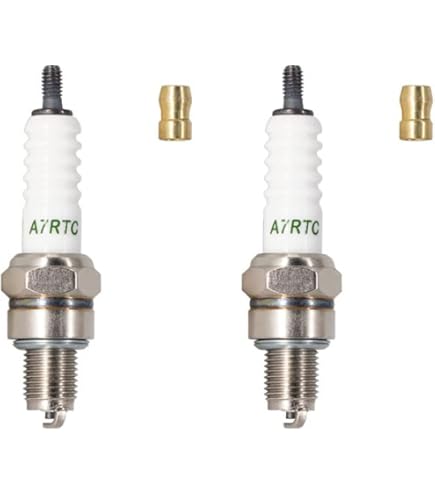
Most manufacturers suggest replacing spark plugs every 30,000 to 50,000 miles for heavy duty engines. Some modern plugs last up to 100,000 miles but only under light use. Always check your vehicle’s manual for exact intervals. Following these guidelines helps avoid engine misfires and poor fuel economy.
Signs Of Wear And Tear
Watch for these signs to know when spark plugs need replacement:
- Engine misfires or rough idling
- Hard starts or slow acceleration
- Poor fuel efficiency
- Increased exhaust emissions
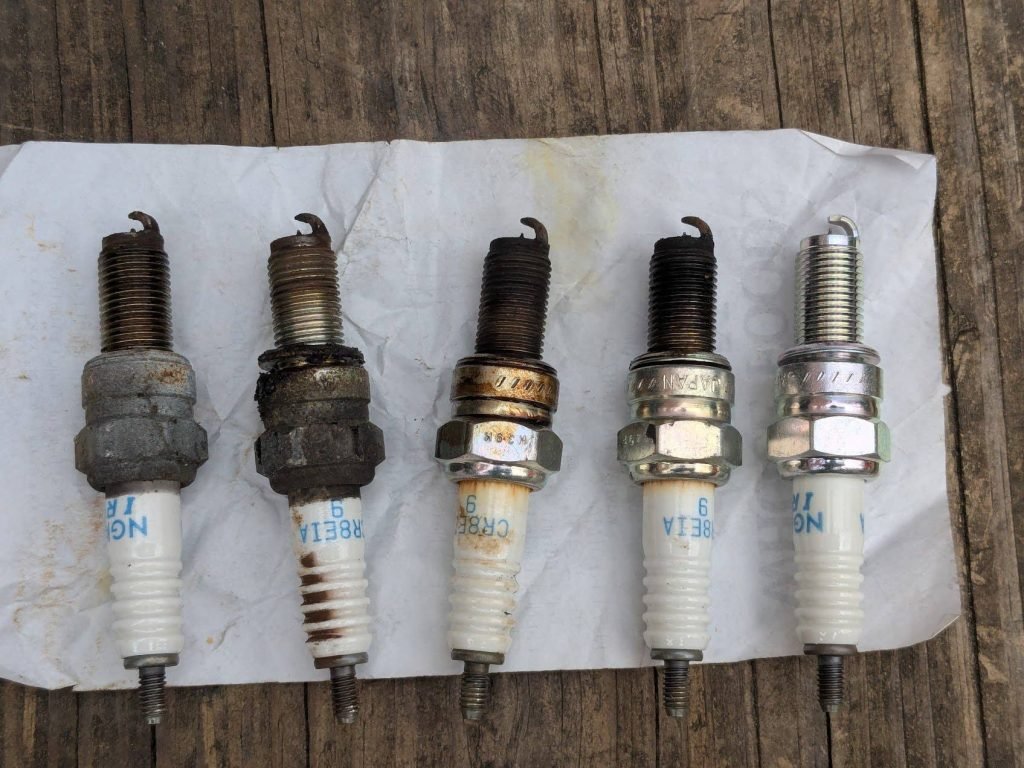
- Visible damage or heavy carbon buildup on plugs
Ignoring these signs can lead to bigger engine problems. Regular inspection helps catch issues early and keeps performance steady.
Credit: www.amazon.ca
Factors Affecting Spark Plug Life
Knowing how often to replace spark plugs in heavy-duty cycles depends largely on several key factors that affect their lifespan. Each factor can either wear down the plugs faster or help them last longer. Understanding these elements can save you money and avoid unexpected breakdowns.
Driving Conditions
Your driving habits and environment play a big role in spark plug wear. Frequent stop-and-go traffic, heavy loads, or driving in dusty and rough terrains can cause spark plugs to degrade quicker.
Think about your last long haul versus a short city run—did you notice any changes in engine performance? If you often drive in tough conditions, you might need to replace your spark plugs more frequently than the average recommendation.
Fuel Quality
The type and quality of fuel you use directly impact spark plug life. Low-quality or contaminated fuel can leave deposits on the plugs, causing misfires and poor combustion.
Have you ever noticed your engine sputtering or losing power after filling up at a certain station? That could be a sign of poor fuel affecting your spark plugs. Sticking to high-quality fuel helps maintain cleaner plugs and better engine efficiency.
Maintenance Practices
Regular maintenance extends the life of your spark plugs. Neglecting timely oil changes, air filter replacements, or engine tune-ups can accelerate plug wear.
When was the last time you checked your spark plugs? Even if your vehicle runs fine, inspecting and cleaning or replacing spark plugs based on your maintenance schedule can prevent bigger engine issues down the road.
Inspection And Maintenance Tips
Keeping your spark plugs in top shape is essential for heavy duty cycles. Regular inspection and maintenance help you avoid unexpected breakdowns and maintain engine performance. Knowing what to look for and how to care for spark plugs can save you time and money.
Visual Checks
Look closely at your spark plugs for signs of wear or damage. Check for cracks, chips, or heavy deposits on the electrodes.
Are the electrodes worn down or eroded? This could mean your spark plugs are struggling to deliver a strong spark. Also, examine the color of the deposits. A light tan or grayish color usually indicates normal wear, but black, oily, or white deposits can signal engine problems.
Cleaning Techniques
Sometimes, cleaning your spark plugs can extend their life. Use a wire brush or spark plug cleaner to gently remove carbon buildup.
Be careful not to damage the electrodes while cleaning. Avoid harsh chemicals; instead, use a mild solvent if necessary. After cleaning, dry the plugs completely before reinstalling them to prevent misfires.
When To Replace
Knowing when to replace spark plugs is crucial, especially in heavy duty use. If you notice persistent misfires, rough idling, or reduced fuel efficiency, it’s time to consider new plugs.
Also, replace spark plugs if the electrodes are rounded or the gap is too wide, as this affects the spark quality. Many manufacturers recommend replacing plugs every 30,000 to 50,000 miles, but heavy duty cycles might require more frequent changes. How often do you check your spark plugs to avoid costly engine issues?
Choosing The Right Spark Plug
Choosing the right spark plug is vital for heavy duty cycle engines. It affects performance, fuel efficiency, and engine life. Picking a spark plug that matches your engine’s needs ensures smooth running and fewer replacements. Knowing the key factors helps in making the best choice for your vehicle.
Material Types
Spark plugs come in different materials. Each type offers unique benefits and durability. Common materials include:
- Copper:Good conductor but wears out faster.
- Platinum:Lasts longer than copper and resists corrosion.
- Iridium:Most durable with excellent performance for heavy duty use.
For heavy duty cycles, iridium plugs often provide the best balance of longevity and spark quality.
Heat Range Considerations
Heat range indicates how well a spark plug handles engine heat. Choosing the correct heat range prevents engine damage and poor performance.
- Cold plugs:Dissipate heat quickly, ideal for high-performance or heavy loads.
- Hot plugs:Retain heat longer, suitable for low-speed or light load engines.
Heavy duty cycles usually require colder plugs to avoid overheating and fouling. Always check your engine’s specifications for the recommended heat range.
Cost And Benefits Of Timely Replacement
Replacing spark plugs on time might seem like an unnecessary expense at first. However, the costs you avoid and the benefits you gain often outweigh the price of new plugs. Let’s look closely at how timely replacement can impact your heavy-duty cycle engine’s performance and your wallet.
Fuel Efficiency
Worn spark plugs cause incomplete combustion, leading to wasted fuel. You might notice your heavy-duty vehicle consuming more gas than usual. By changing spark plugs regularly, you ensure the engine burns fuel properly, saving money on every mile you drive.
Think about this: If your truck uses just 10% more fuel due to old plugs, how much extra would you spend over a year? That cost adds up quickly and could easily cover the price of new spark plugs.
Engine Longevity
Ignoring spark plug maintenance puts extra strain on your engine parts. Misfires and poor ignition can cause damage to valves and pistons over time. Replacing spark plugs on schedule helps keep your engine running smoothly and extends its life.
From personal experience, I once delayed replacing plugs on a heavy-duty machine and ended up with costly repairs. Avoiding that headache is worth the small investment of buying spark plugs regularly.
Avoiding Breakdowns
Breakdowns often happen at the worst time, causing delays and expensive towing fees. Old spark plugs increase the chance of engine failure during heavy-duty cycles. Timely replacement lowers the risk of sudden stops and keeps your work on track.
Ask yourself: Would you rather spend a little now or face unexpected downtime that costs you both time and money? Staying ahead with maintenance can save you from stressful and costly breakdowns.
Credit: www.f150ecoboost.net
Frequently Asked Questions
How Often Should Spark Plugs Be Replaced In Heavy Duty Cycles?
Spark plugs in heavy duty cycles should be replaced every 30,000 to 50,000 miles. Frequent inspections help maintain optimal engine performance and fuel efficiency.
What Signs Indicate Spark Plug Replacement Is Needed?
Signs include engine misfires, poor acceleration, reduced fuel efficiency, and difficulty starting the engine. These issues suggest worn or faulty spark plugs.
Can Using Wrong Spark Plugs Affect Heavy Duty Engines?
Yes, wrong spark plugs can cause misfires, engine damage, and reduced efficiency. Always use manufacturer-recommended plugs for heavy duty engines.
How Does Heavy Duty Use Affect Spark Plug Lifespan?
Heavy duty use causes faster wear due to higher temperatures and stress. This shortens spark plug life compared to normal driving conditions.
Conclusion
Regularly changing spark plugs keeps heavy-duty engines running well. Old plugs cause poor performance and more fuel use. Check your vehicle manual for the right replacement time. Inspect plugs often if you drive hard or long distances. Clean, working spark plugs help start your engine fast.
Save money by avoiding engine damage through timely replacements. Small steps like this improve your machine’s life and power. Stay on top of spark plug care for smoother rides and less hassle.





