Ever found yourself staring at a spark plug and wondering how on earth you’re going to change it? You’re not alone.
Many car enthusiasts and everyday drivers alike have faced the same challenge. You might be asking, “Do I really need a spark plug socket? ” The answer isn’t as straightforward as you might think, but it’s crucial for your car’s performance and your peace of mind.
We’ll uncover why a spark plug socket is more than just a tool—it’s an essential part of your toolkit. By the end, you’ll know exactly whether you need one and how it can save you time and hassle. Keep reading to discover how this simple tool can make a world of difference in your car maintenance routine.
Why Spark Plug Sockets Matter
Understanding why spark plug sockets matter can save you from frustrating repairs and costly mistakes. These specialized tools are designed to fit spark plugs perfectly, reducing the risk of damage during removal or installation. If you want to handle engine repairs efficiently, knowing the difference a spark plug socket makes is essential.
Role In Engine Repairs
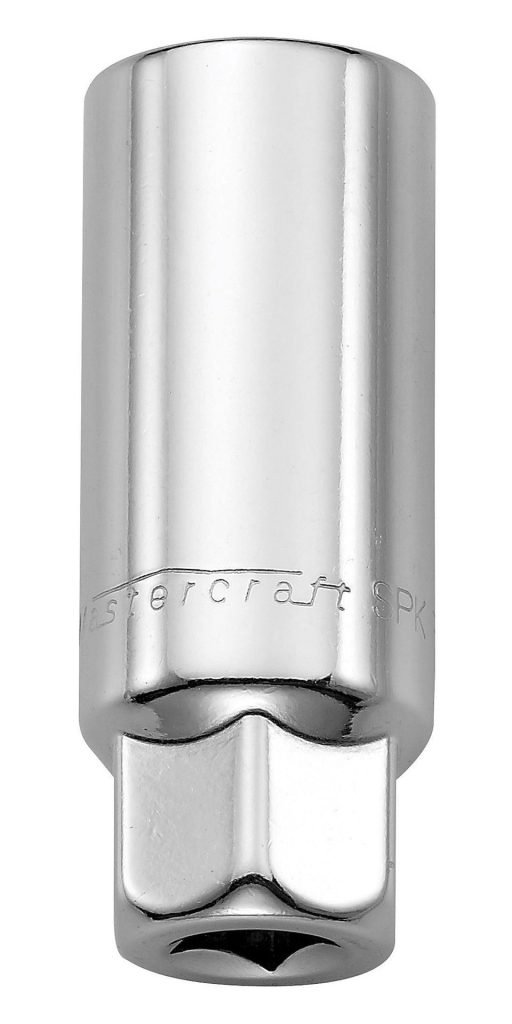
A spark plug socket plays a critical role in engine repairs by allowing you to safely remove and install spark plugs without damaging them or the engine. Its design includes a rubber insert or a magnetic core that grips the plug securely, preventing it from slipping or breaking.
Have you ever struggled with a regular socket that couldn’t hold the spark plug steady? Using the right socket means less frustration and fewer chances of cross-threading the plug, which can lead to expensive engine damage.
Benefits Over Regular Sockets
Spark plug sockets offer several advantages over regular sockets, making them a smart addition to your toolkit. They provide a snug fit that reduces the risk of rounding off the plug’s hex, which is a common issue with standard sockets.
Additionally, the built-in rubber or magnetic feature cushions the spark plug, protecting its fragile ceramic insulator. This means you can work faster and with more confidence, knowing you won’t accidentally break the plug during installation or removal.

Credit: www.reddit.com
Types Of Spark Plug Sockets
Spark plug sockets come in different types. Choosing the right one helps in easy removal and installation. These sockets vary in design, size, and material. Understanding these differences helps protect your spark plugs and engine parts.
Standard Vs Magnetic Sockets
Standard spark plug sockets hold plugs with a rubber insert. This insert grips the plug firmly during removal. Magnetic sockets use a magnet instead of rubber. The magnet keeps the spark plug secure and prevents dropping. Magnetic sockets are handy in tight spaces. They make handling spark plugs simpler and safer.
Sizes And Materials
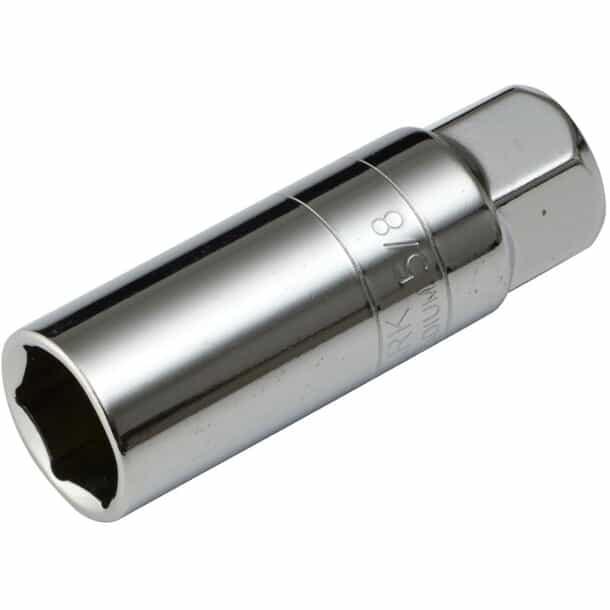
Spark plug sockets come in various sizes. Common sizes include 5/8 inch and 13/16 inch. Using the correct size avoids damage to spark plugs. These sockets are made from strong materials like chrome vanadium steel. This steel resists rust and lasts longer. Some sockets have a chrome finish for extra protection. Choosing the right size and material ensures durability and safety.
When To Use A Spark Plug Socket
Knowing when to use a spark plug socket can save you time and frustration during vehicle maintenance or repairs. This specialized tool is designed to fit snugly around spark plugs, allowing you to remove or install them without damage. Understanding the right moments to reach for this socket ensures you handle your engine with care and precision.
Routine Maintenance
During regular vehicle maintenance, spark plugs need inspection and sometimes replacement to keep your engine running smoothly. Using a spark plug socket makes this task easier and safer, preventing damage to the delicate ceramic insulator or threads.
If you’ve ever tried to remove a spark plug with the wrong tool, you know how frustrating it can be. The socket grips the plug securely, helping you avoid stripping or breaking it. This is especially important if your vehicle’s spark plugs are recessed deep within the engine.
Regularly changing spark plugs with the right socket can improve fuel efficiency and engine performance. Have you checked your spark plugs lately? Using the correct tool could make the process quicker and less stressful.
Troubleshooting Engine Issues
When your engine misfires or runs rough, spark plugs are often the first components to check. A spark plug socket allows you to safely remove plugs to inspect for wear, fouling, or damage that could be causing problems.
Imagine diagnosing a misfire without the proper socket—you risk breaking the plug or damaging the threads, which could lead to expensive repairs. The spark plug socket’s design protects both the plug and the cylinder head during removal.
Using the right tool also speeds up troubleshooting, so you can get your vehicle back on the road faster. Next time your engine acts up, ask yourself if you have the correct socket on hand to make the repair easier and more effective.
Credit: www.homehardware.ca
Choosing The Right Spark Plug Socket
Choosing the right spark plug socket can save you time and prevent damage to your engine components. It’s not just about having any socket; it’s about finding one that fits your vehicle and feels secure in your hand. Have you ever struggled with a socket that slips or just doesn’t fit right? That frustration can be avoided by knowing what features to look for.
Compatibility With Your Vehicle
Not all spark plug sockets are created equal. Your vehicle’s make and model determine the size and type of socket you need.
Check your owner’s manual or the spark plug specifications to find the exact size, usually measured in millimeters or inches. Choosing the wrong size can strip the spark plug or make removal impossible.
Some sockets come with adapters or flexible extensions, which can be helpful if your spark plugs are in hard-to-reach places. Ask yourself: will you need extra reach or flexibility for your vehicle’s engine layout?
Durability And Grip Features
A spark plug socket should withstand repeated use without wearing out quickly. Look for sockets made from high-quality steel or chrome-vanadium alloy—they resist rust and handle torque well.
Grip is just as important as strength. Sockets with rubber inserts or magnetic cores hold the spark plug firmly, preventing it from falling or slipping during installation or removal.
Think about your working conditions. If you often work in tight, slippery spaces, a socket with enhanced grip features can make your job easier and safer. Have you noticed how a better grip changes the whole experience?
How To Use A Spark Plug Socket
Using a spark plug socket correctly makes a big difference in your car maintenance routine. It ensures you remove and install spark plugs without damaging them or your engine. Whether you’re a beginner or have some experience, understanding the right way to handle this tool saves you time and frustration.
Step-by-step Removal
First, make sure your engine is cool to avoid burns or damage. Locate the spark plugs by following the ignition wires or coil packs.
- Remove the ignition wire or coil pack carefully by pulling it straight out.
- Attach the spark plug socket to a ratchet wrench and fit it snugly over the spark plug.
- Turn the wrench counterclockwise to loosen the plug. Don’t force it if it’s stuck; try a bit of penetrating oil and wait.
- Once loose, remove the spark plug by hand to avoid dropping or damaging it.
Have you ever struggled with a stuck spark plug? Using the right socket and some patience makes this job less stressful and protects your engine parts.
Safe Installation Tips
Before installing, check the new spark plug’s gap with a gauge to ensure it matches your vehicle’s specs. This small adjustment impacts your engine’s performance.
- Hand-thread the spark plug into the hole to avoid cross-threading.
- Use the spark plug socket and ratchet to tighten it gently. Over-tightening can strip the threads or crack the plug.
- Consult your vehicle manual for the recommended torque setting and consider using a torque wrench for precision.
- Reconnect the ignition wire or coil pack firmly to complete the installation.
Have you noticed how careful installation keeps your engine running smoothly? Taking these extra steps prevents costly repairs and extends the life of your spark plugs.

Credit: www.amazon.ca
Alternatives To Spark Plug Sockets
Sometimes, you might not have a spark plug socket handy, but the job still needs doing. Fortunately, there are alternatives that can help you remove or install spark plugs without the specific tool. However, these options require caution and a clear understanding of their limitations.
Using Regular Sockets Carefully
A deep well socket that fits snugly over the spark plug can sometimes substitute for a spark plug socket. Make sure the socket is the correct size to avoid slipping or damaging the plug.
Adding a piece of rubber or a folded rag inside the socket can help grip the plug better. This extra grip reduces the risk of the plug falling or getting stuck inside the socket during removal.
Using a ratchet with a swivel joint can also improve your angle and control when working in tight spaces. This flexibility often makes the task easier when you don’t have the right tool.
Potential Risks And Drawbacks
Using regular sockets without the rubber insert or proper fit can easily round off the spark plug’s hex edges. This damage makes future removal much more difficult and sometimes costly.
Without the built-in rubber or foam insert in a spark plug socket, there’s a higher chance the plug will drop into the engine bay. Retrieving a dropped spark plug can be a frustrating and time-consuming task.
Have you considered how much damage a simple mistake could cause? Stripped plugs or broken porcelain insulators often require professional help to fix, costing you more than a spark plug socket would.
Maintaining Your Spark Plug Socket
Maintaining your spark plug socket keeps it working well and lasts longer. Regular care prevents rust and damage. It also helps you avoid problems during spark plug changes. Simple actions can keep your tool ready for use anytime.
Cleaning And Storage
After using the spark plug socket, clean off dirt and grease. Use a dry cloth to wipe it down. Avoid water to stop rust from forming. Store the socket in a dry, cool place. Keep it inside a toolbox or container to protect it from dust and moisture.
When To Replace
Check the socket for cracks or worn parts before each use. If the socket does not grip the spark plug well, it might be time to replace it. Look for rust or bending that affects its function. Using a damaged socket can harm the spark plug or your engine. Replace the socket to ensure safe and easy spark plug changes.
Frequently Asked Questions
What Is A Spark Plug Socket Used For?
A spark plug socket is designed to fit spark plugs perfectly. It helps in safely removing or installing spark plugs without damage. The socket has rubber or foam inside to grip the plug securely. This tool is essential for proper engine maintenance.
Can I Remove Spark Plugs Without A Socket?
Removing spark plugs without a socket is difficult and risky. Using incorrect tools can damage the plug or engine. A spark plug socket ensures a secure grip and prevents breakage. It also makes the task faster and safer for beginners.
Why Choose A Spark Plug Socket Over Regular Sockets?
Spark plug sockets have special features like rubber inserts or magnetic tips. These hold the plug firmly, preventing it from falling. Regular sockets lack these features and can damage the spark plug. Using the right socket protects your engine and saves time.
What Sizes Of Spark Plug Sockets Are Common?
Common spark plug socket sizes include 5/8 inch and 13/16 inch. These sizes fit most standard spark plugs found in cars. Always check your vehicle’s manual for the correct size before buying a socket. Using the right size avoids stripping or damaging plugs.
Conclusion
A spark plug socket makes removing and installing spark plugs easier. It fits snugly and prevents damage to the plug. Using the right tool saves time and effort. For anyone working on their car, it is a useful addition. Not everyone needs one, but it helps with proper maintenance.
Keep your engine running smoothly by using the right tools. Simple tools can make a big difference in car care.





