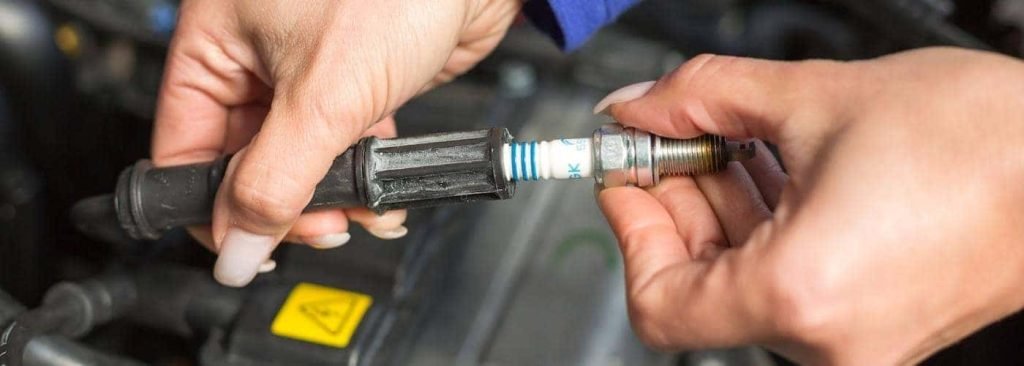
Ever wonder why your car isn’t running as smoothly as it used to? The answer might lie under the hood with your spark plugs.
These tiny components play a big role in ensuring your engine runs efficiently and smoothly. But how often should you change them? If you’re like most car owners, you might not think about your spark plugs until there’s a problem.
Ignoring them can lead to poor performance and even costly repairs down the road. By understanding the right timing to replace them, you can save money, maintain your car’s performance, and ensure a safe and smooth ride. So, let’s dive in and find out how often you need to change those spark plugs to keep your vehicle in top shape!

Credit: www.acg.aaa.com
Why Spark Plugs Matter
Understanding why spark plugs matter can change how you care for your car. These small components play a big role in your vehicle’s overall performance and efficiency. Ignoring them could lead to costly repairs or a less enjoyable driving experience.
Role In Engine Performance
Spark plugs ignite the air-fuel mixture inside your engine’s cylinders. This ignition creates the power needed to move your car forward. Without a strong spark, your engine struggles to start and run smoothly.
Good spark plugs help your engine deliver consistent power and maintain fuel efficiency. If they falter, you might notice rough idling, slower acceleration, or even engine misfires. Think about the last time your car hesitated on the road—chances are, worn spark plugs played a part.
Signs Of Worn Spark Plugs
How can you tell if your spark plugs need attention? Here are some clear signs to watch for:
- Hard Starts:Your engine takes longer to start or won’t start at all.
- Poor Fuel Economy:You notice more trips to the gas station than usual.
- Engine Misfires:The engine runs unevenly or shakes during acceleration.
- Loss of Power:Your car feels sluggish, especially when going uphill or carrying heavy loads.
Have you experienced any of these? Checking your spark plugs could save you time and money. Regular inspection can keep your car running like new.
Recommended Replacement Intervals
Knowing when to change your car’s spark plugs can save you from unexpected engine trouble and keep your vehicle running smoothly. Recommended replacement intervals are based on various factors and can differ depending on your car model and driving habits. Understanding these guidelines helps you maintain optimal performance and avoid costly repairs.
Manufacturer Guidelines
Car manufacturers provide specific recommendations for spark plug replacement in your vehicle’s owner manual. These guidelines are usually expressed in miles or kilometers, often ranging from 30,000 to 100,000 milesdepending on the spark plug type.
For example, standard copper spark plugs typically need changing around every 30,000 miles, while platinum or iridium plugs can last up to 100,000 miles. Following these intervals ensures you don’t replace plugs too early or wait until they cause engine problems.
Have you checked your owner’s manual lately? It’s the best source for exact details tailored to your car’s engine.
Factors Affecting Spark Plug Life
Several factors can shorten or extend the life of your spark plugs beyond the manufacturer’s suggested interval. Your driving style plays a big role—frequent short trips or stop-and-go traffic can wear plugs faster.
- Fuel quality and engine tuning affect spark plug wear. Poor fuel or a misfiring engine can cause deposits that reduce plug efficiency.
- Environmental conditions like dusty roads or extreme temperatures also impact spark plug lifespan.
- Using aftermarket spark plugs instead of OEM parts may change how often you need replacements.
Think about your daily routes and habits—do they align with the standard replacement schedule? Adjusting based on your driving conditions can help keep your engine firing perfectly.
Types Of Spark Plugs
Choosing the right type of spark plug can affect your car’s performance and how often you need to change them. Spark plugs come in different materials, each with unique benefits and lifespans. Understanding these types helps you make smarter maintenance decisions for your vehicle.
Copper
Copper spark plugs are the traditional choice and often the most affordable. They conduct electricity very well, which helps with good engine performance.
However, copper plugs wear out faster than other types, usually lasting around 20,000 to 30,000 miles. If you drive a lot or want fewer trips to the mechanic, you might find yourself changing these more often than other spark plugs.
Platinum
Platinum spark plugs offer better durability compared to copper. They last longer, typically around 60,000 miles, because platinum is harder and resists erosion.
If you want a balance between cost and performance, platinum plugs are a solid choice. They provide steady ignition and can improve fuel efficiency slightly.
Iridium
Iridium spark plugs are the top tier in terms of longevity and performance. They can last 100,000 miles or more, thanks to iridium’s extreme hardness and high melting point.
These plugs often improve your car’s throttle response and reduce misfires. If you value long intervals between spark plug changes and smoother engine operation, iridium plugs are worth considering.

Credit: carfromjapan.com
Checking Spark Plug Condition
Checking the condition of your car’s spark plugs is key to maintaining engine performance and fuel efficiency. Spark plugs wear down over time, and ignoring their condition can lead to misfires or poor starts. Regular checks help you catch issues before they turn into costly repairs.
Visual Inspection Tips
Start by removing the spark plugs carefully. Look at the tip and electrode for signs of wear like erosion, cracks, or heavy deposits.
- Black soot:Indicates a rich fuel mixture or oil leakage.
- White deposits:Could mean overheating or poor fuel quality.
- Worn electrodes:Appear rounded or eroded, reducing spark efficiency.
Compare the plugs to a new one if possible. This helps you judge how much they’ve degraded. Remember, a clean and properly gapped spark plug ensures smooth combustion and better mileage.
Using Diagnostic Tools
Beyond visual checks, diagnostic tools give you precise insights. An OBD-II scanner can detect misfire codes related to spark plug problems.
Multimeters measure the resistance of spark plugs, helping you spot internal damage. A high resistance reading often means the plug is failing.
These tools save time and take guesswork out of the process. Have you ever been surprised by a diagnostic reading that contradicted what you saw visually? It’s a good reminder to combine both methods for the best results.
Steps To Replace Spark Plugs
Replacing spark plugs keeps your engine running smoothly. It improves fuel efficiency and reduces emissions. The process involves a few careful steps. Using the right tools and following the correct removal and installation methods ensures success. Here is a simple guide to replace spark plugs safely.
Tools Needed
- Spark plug socket
- Ratchet wrench
- Socket extension
- Torque wrench
- Gap gauge
- Dielectric grease
- Compressed air or a soft brush
- Protective gloves
Removal Process
- Ensure the engine is cool before starting work.
- Locate the spark plugs on the engine.
- Use compressed air to clean around each plug.
- Remove the spark plug wire or coil carefully.
- Attach the spark plug socket to the ratchet and extension.
- Turn counterclockwise to loosen and remove the old plug.
- Inspect the removed plug for wear or damage.
Installation Tips
- Check the gap on the new spark plugs with a gap gauge.
- Adjust the gap to manufacturer specifications if needed.
- Apply a small amount of dielectric grease to the plug boot.
- Thread the new spark plug by hand to avoid cross-threading.
- Use the torque wrench to tighten the plug to the correct torque.
- Reconnect the spark plug wire or coil securely.
- Repeat for each spark plug and double-check all connections.
Maintenance Tips For Longevity
Keeping your spark plugs in good shape is key to making your car run smoothly for years. Proper maintenance not only extends the life of the plugs but also improves fuel efficiency and engine performance. Let’s look at some practical tips to help you get the most out of your spark plugs.
Regular Engine Tune-ups
Regular engine tune-ups are essential for spark plug longevity. During a tune-up, mechanics check and replace worn spark plugs before they cause bigger issues. I once skipped a tune-up, and my car started misfiring; replacing the plugs fixed the problem instantly.
How often should you schedule tune-ups? Most experts suggest every 30,000 miles, but your car’s manual may have specific recommendations. Keeping up with these appointments ensures your spark plugs stay clean and functional.
Fuel Quality Impact
The quality of fuel you use directly affects your spark plugs. Low-grade fuel can cause deposits that foul the plugs, reducing their effectiveness. I noticed my car ran rough after switching to cheaper fuel; going back to higher-quality fuel made a big difference.
Consider using fuel additives occasionally to clean the combustion chamber and spark plugs. You can also choose top-tier gasoline to keep your engine and spark plugs running cleaner for longer.

Credit: carfromjapan.com
Frequently Asked Questions
How Often Should I Change Spark Plugs In My Car?
Spark plugs typically need replacement every 30,000 to 100,000 miles. Check your car’s manual for exact intervals. Regular changes ensure optimal engine performance and fuel efficiency.
What Are Signs Of Worn-out Spark Plugs?
Common signs include engine misfires, poor fuel economy, rough idling, and difficulty starting. If you notice these, inspect and possibly replace your spark plugs promptly.
Can Old Spark Plugs Damage My Engine?
Yes, worn spark plugs can cause misfires and reduce engine power. Prolonged use may lead to costly engine damage. Timely replacement prevents performance issues and costly repairs.
Do All Cars Have The Same Spark Plug Replacement Interval?
No, replacement intervals vary by make and model. Some cars require changes every 30,000 miles, others up to 100,000 miles. Always follow the manufacturer’s recommendations for your vehicle.
Conclusion
Changing spark plugs regularly keeps your car running smooth and strong. Most cars need new spark plugs every 30,000 to 100,000 miles. Check your owner’s manual for the exact time. Worn spark plugs can cause engine problems and lower fuel efficiency.
Simple maintenance saves money and avoids bigger repairs later. Keep an eye on your spark plugs to enjoy better performance and a safer drive. Regular checks help your car last longer. Don’t wait for trouble—stay ahead with timely spark plug changes.





