Are you ready to tackle that spark plug change but unsure about the right wrench size? You’re not alone.
Choosing the correct wrench size for spark plugs can be confusing, especially with so many sizes and types available. But don’t worry, you’re in the right place. This guide will reveal the exact wrench size you need, ensuring a hassle-free spark plug replacement.
Imagine the satisfaction of knowing you have the right tool to get the job done smoothly and efficiently. Dive in, and let’s clear up any confusion, so you can get back to what you love: driving with confidence.
Credit: www.amazon.com
Common Spark Plug Sizes
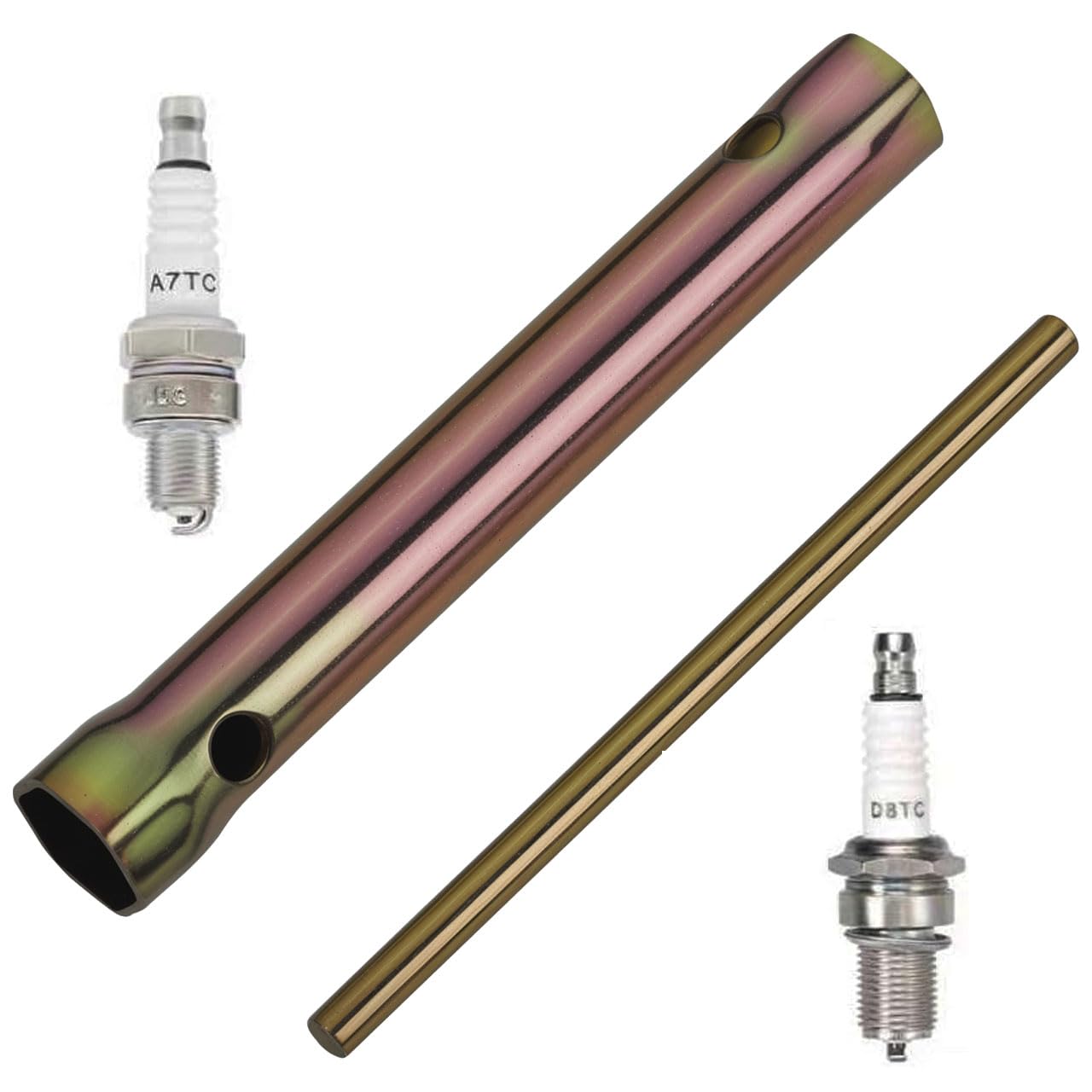
Spark plugs come in various sizes to fit different engines. Choosing the right wrench size is crucial for proper installation and removal. Knowing common spark plug sizes helps you pick the correct tool quickly. This saves time and prevents damage to the spark plug or engine.
Standard Metric Sizes
Most modern vehicles use metric-sized spark plugs. Common wrench sizes include:
- 16 mm – Widely used in many passenger cars.
- 14 mm – Found in smaller engines and motorcycles.
- 18 mm – Sometimes used in trucks and larger engines.
Metric sizes are measured across the flats of the hex nut on the spark plug.
Imperial Sizes In Use
Some older or specialty engines use imperial wrench sizes. Typical sizes are:
- 5/8 inch – Common in many U.S. vehicles.
- 13/16 inch – Used for larger spark plugs in trucks.
Imperial sizes are less common but still important for certain engines.
How Size Affects Performance
The right wrench size ensures a snug fit without slipping. A loose fit can damage the spark plug’s hex. Too tight can strip the nut or break the plug. Correct sizing helps apply even torque for proper sealing. Proper spark plug installation improves engine performance and fuel efficiency.
Credit: www.ebay.com
Choosing The Right Wrench Size
Choosing the right wrench size for spark plugs is crucial for both efficiency and safety. Using the wrong size can strip the plug or make removal difficult, leading to wasted time and potential damage. Knowing how to select the correct wrench lets you tackle spark plug changes confidently and prevents common headaches.
Measuring Spark Plug Dimensions
Start by checking the diameter of the hex part of your spark plug, which is the six-sided section the wrench grips. Most spark plugs come in standard sizes like 5/8 inch or 13/16 inch, but measuring ensures accuracy.
You can use a caliper or ruler to measure across the flats of the hex. Don’t guess—precision here saves you from frustration later.
Matching Wrench To Plug
Once you know the spark plug’s hex size, pick a wrench that fits snugly without wiggle room. An exact fit gives you better control and reduces the chance of rounding off the plug’s edges.
Consider using a spark plug socket with a rubber insert. It grips the plug firmly and helps you avoid dropping it into the engine bay.
Avoiding Common Mistakes
Many people use adjustable wrenches or pliers, thinking these will work fine. But these tools often slip and damage the spark plug.
Another mistake is forcing a wrench that’s too small or too large. It feels like you’re making progress, but you’re actually causing wear.
Have you ever struggled with a stuck spark plug? Using the right size wrench is the first step to making that job easier and less stressful.
Types Of Wrenches For Spark Plugs
Choosing the right wrench for spark plugs is key for easy removal and installation. Different wrenches fit various spark plug sizes and engine designs. Knowing the types helps pick the best tool for the job.
Spark Plug Sockets
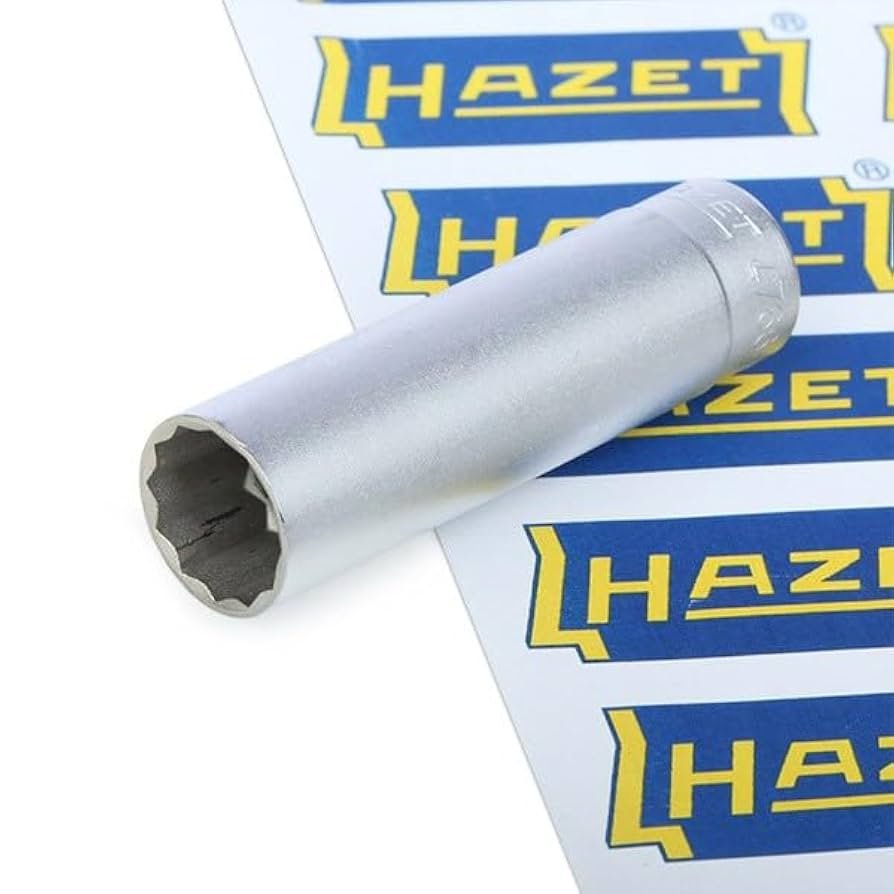
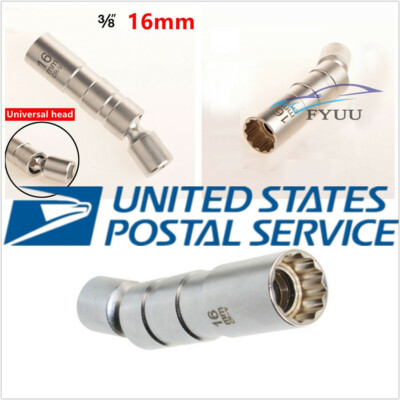
Spark plug sockets are made specifically for spark plugs. They have a rubber insert or magnetic core inside. This holds the spark plug firmly and prevents damage. They come in common sizes like 5/8 inch and 13/16 inch. Spark plug sockets attach to a ratchet for easy turning in tight spaces.
Combination Wrenches
Combination wrenches have an open end and a closed ring end. The ring end fits tightly around the spark plug hex. These wrenches offer good grip and control. Use the open end for bolts near the spark plug. Combination wrenches come in standard sizes matching spark plug hex sizes.
Adjustable Wrenches
Adjustable wrenches can fit many sizes by changing the jaw width. They are handy if you don’t have the exact wrench size. The adjustable jaw can grip the spark plug hex firmly. These wrenches are less precise but useful for quick fixes or odd sizes.
Credit: www.amazon.com
Tips For Using A Spark Plug Wrench
Using a spark plug wrench correctly ensures easy removal and installation of spark plugs. It also helps avoid damage to the plug or engine. Follow simple tips to get the best results with your spark plug wrench. Proper technique saves time and prevents costly repairs.
Proper Torque Application
Applying the right torque is crucial. Too tight can damage the spark plug or threads. Too loose can cause poor engine performance. Use a torque wrench to tighten spark plugs to the manufacturer’s recommended setting. Turn the wrench slowly and steadily for accuracy.
Protecting The Plug And Engine
Always clean the spark plug well before removal. Dirt or debris can fall into the engine cylinder. Use a spark plug socket with a rubber insert to protect the plug from scratches. Handle the plug gently to avoid damaging the ceramic insulator or electrodes.
Handling Tight Or Stuck Plugs
Stuck plugs need care to avoid damage. Spray a penetrating lubricant around the plug base and wait a few minutes. Use steady, even pressure with your wrench to loosen it. Avoid sudden force or hammering, which can break the plug or damage the threads.
Tools To Complement Spark Plug Wrenches
Having the right size wrench for spark plugs is just the start. To make the job smoother and avoid damage, you need a few more tools that work well with your spark plug wrench. These tools help you reach tight spots, apply the right force, and turn stubborn plugs without trouble.
Torque Wrenches
Using a torque wrench ensures you don’t overtighten or undertighten your spark plugs. Each engine has a specific torque setting, and missing this can cause engine problems or damage the spark plug. A torque wrench gives you control, letting you apply the exact amount of force needed.
I once tightened spark plugs without a torque wrench and stripped the threads. That mistake cost me extra repairs and time. Don’t let this happen to you—always use a torque wrench for a perfect fit.
Extension Bars
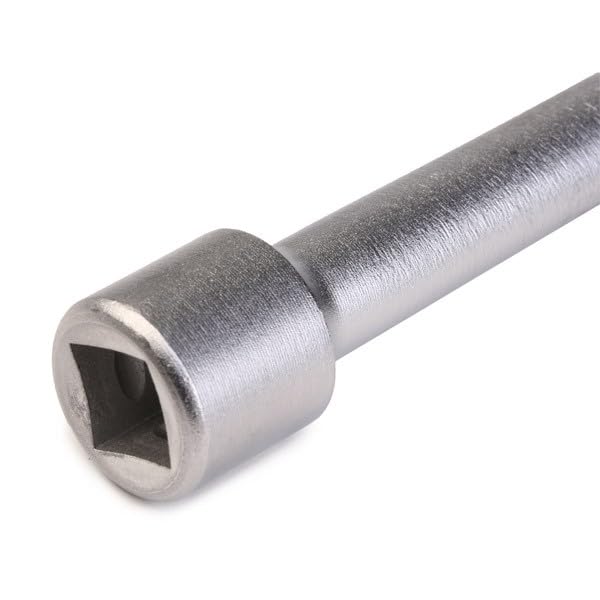
Extension bars help you reach spark plugs located deep in the engine bay. They add length to your wrench, making it easier to access plugs hidden under other components. Without them, you might struggle to get a good grip or risk hurting yourself in tight spaces.
Choose extension bars of different lengths depending on your vehicle’s layout. Having a small set ready can save frustration and speed up your work.
Ratchets And Breaker Bars
Ratchets provide smooth, continuous turning, making spark plug removal and installation faster and easier. Breaker bars offer extra leverage to loosen plugs that are stuck tight. Both tools are essential companions to your spark plug wrench.
If a spark plug won’t budge, don’t force it with just a wrench—you risk breaking it. Instead, switch to a breaker bar for controlled extra power. Then use a ratchet for quick tightening when putting plugs back in.
When To Replace Your Spark Plug Wrench
Your spark plug wrench is a vital tool for engine maintenance. It must grip tightly and turn smoothly. Over time, wrenches can wear out or get damaged. Using a faulty wrench can cause stripped spark plugs or injury. Knowing when to replace your spark plug wrench saves time and effort.
Signs Of Wear And Damage
Look for cracks or bends in the wrench body. Check if the wrench no longer fits spark plugs snugly. Worn edges or rounded corners reduce grip strength. Rust or corrosion weakens the metal. If the wrench slips or feels loose, it needs replacement.
Choosing Durable Materials
Pick wrenches made from strong metals like chrome vanadium steel. These resist rust and last longer. Avoid cheap alloys that bend or break easily. A durable wrench stands up to high torque and frequent use. Investing in quality materials saves money in the long run.
Maintaining Your Tools
Clean the wrench after every use to remove dirt and oil. Store it in a dry place to prevent rust. Apply light oil to joints and moving parts regularly. Avoid dropping or applying excessive force to the wrench. Proper care extends your tool’s life and keeps it reliable.
Frequently Asked Questions
What Size Wrench Fits Most Spark Plugs?
A 5/8-inch wrench is the most common size for spark plugs. Some vehicles may require a 13/16-inch wrench. Always check your vehicle’s manual to confirm the correct size for your spark plugs.
Can I Use A Socket Instead Of A Wrench?
Yes, a spark plug socket with a rubber insert is ideal. It grips the plug firmly and prevents damage. Sockets are easier to use in tight engine spaces than standard wrenches.
Why Is The Correct Wrench Size Important?
Using the right wrench size prevents stripping or damaging spark plugs. It ensures proper torque and easy removal or installation. Incorrect sizes can lead to costly repairs and unsafe engine performance.
Are Universal Wrenches Suitable For Spark Plugs?
Universal wrenches are not recommended for spark plugs. They may not fit snugly, causing slipping or damage. Using a dedicated spark plug wrench or socket ensures safety and efficiency.
Conclusion
Choosing the right wrench size for spark plugs is simple and important. A 5/8 inch or 13/16 inch wrench fits most spark plugs well. Using the correct size prevents damage and makes installation easier. Always check your vehicle’s manual to confirm the size.
Having the right tool saves time and effort. Remember, a good fit keeps your engine running smoothly. Simple steps lead to better car care. Keep your tools ready and your spark plugs tight.





