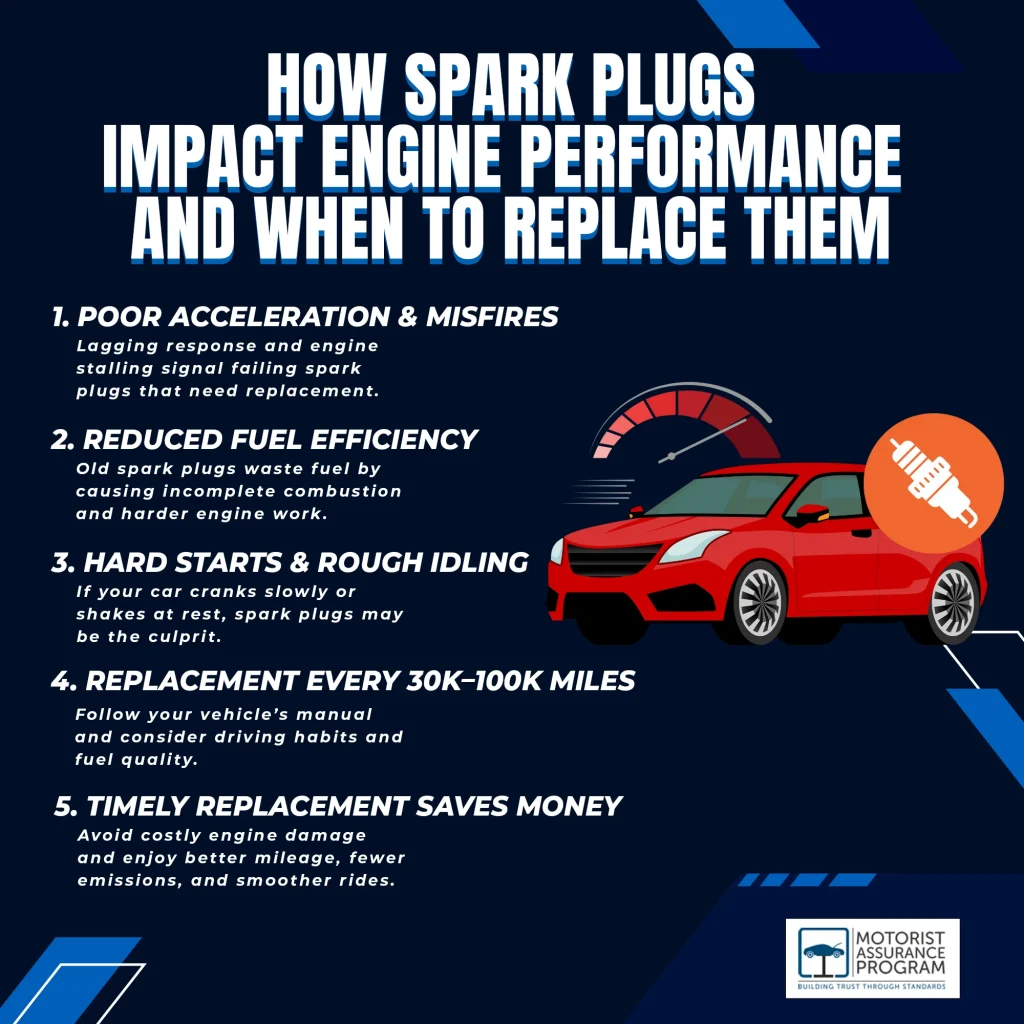
Are you wondering how often your spark plugs need replacing? You’re not alone.
Many drivers overlook this small, yet crucial component of their vehicle’s engine. Spark plugs play a vital role in keeping your car running smoothly. Neglecting them could lead to poor performance and even costly repairs down the line. By understanding when and why you should replace your spark plugs, you can keep your engine humming and your mind at ease.
Stick around to discover the signs that indicate it’s time for a change and learn expert tips to extend their lifespan. Your car—and your wallet—will thank you.
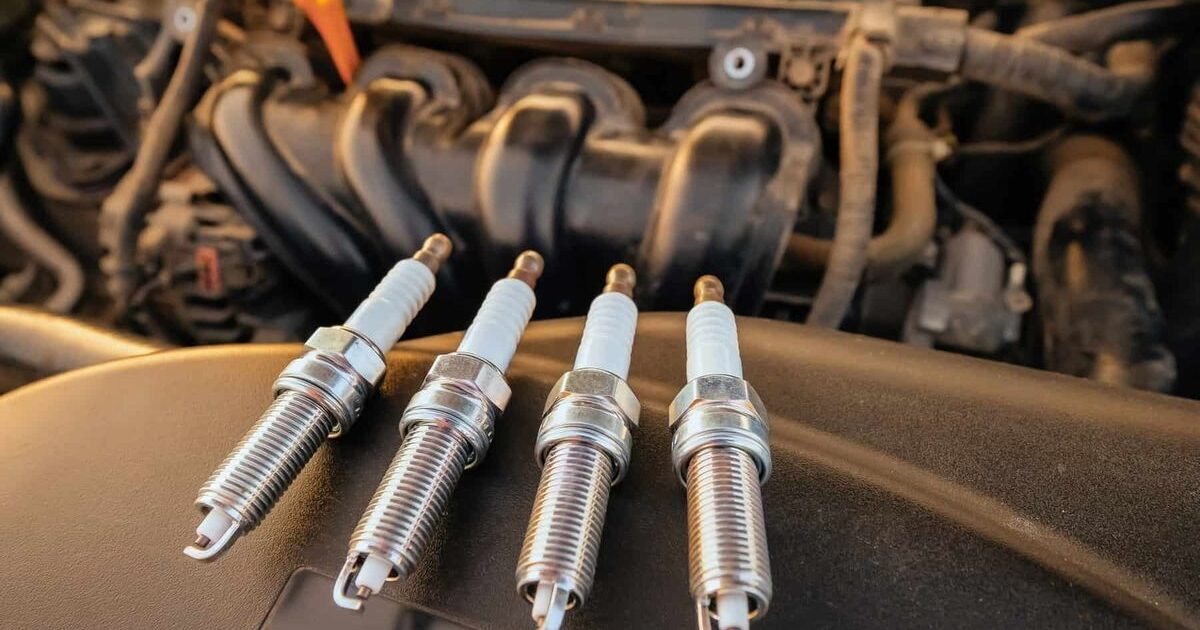
Credit: www.westsideauto.com.au
Spark Plug Lifespan
Spark plugs play a key role in engine performance. Their lifespan depends on many things. Knowing how long spark plugs last helps maintain your vehicle. It also prevents engine problems and saves money.
Factors Affecting Durability
Several factors influence how long spark plugs last. Driving style is one. Frequent short trips cause more wear. Engine type also matters. High-performance engines stress spark plugs more.
Fuel quality affects spark plug life too. Poor fuel causes deposits that reduce efficiency. Proper engine maintenance extends spark plug durability. Regular oil changes and tune-ups help keep plugs clean and working well.
Types Of Spark Plugs And Their Longevity
Different spark plug types offer various lifespans. Copper plugs usually last around 20,000 to 30,000 miles. They are affordable but wear out faster.
Platinum plugs last longer, about 60,000 miles. They resist wear and deposits better than copper. Iridium plugs have the longest life. They can last up to 100,000 miles due to their strong material and design.
Choosing the right spark plug depends on your vehicle and driving needs. Using the recommended type ensures optimal performance and durability.
Signs Of Worn Spark Plugs
Worn spark plugs can sneakily affect your car’s performance without you realizing it at first. Recognizing the signs early can save you from costly repairs and keep your vehicle running smoothly. Here are some clear indicators that your spark plugs may need replacing.
Engine Misfires And Rough Idling
Have you noticed your engine jerking or misfiring while driving? This often points to worn spark plugs struggling to ignite the fuel properly. Your engine might also idle roughly or stall unexpectedly, signaling inconsistent combustion caused by spark plug issues.
Pay attention to sudden jerks or hesitation during acceleration. These symptoms can worsen over time, leading to more serious engine problems if ignored.
Decreased Fuel Efficiency
If your car seems to be guzzling more fuel than usual, worn spark plugs could be the culprit. Faulty plugs don’t ignite the fuel-air mixture efficiently, causing your engine to burn more fuel to maintain power. This means more trips to the pump and higher expenses.
Tracking your mileage closely can help you spot this issue early. Have you noticed your fuel costs creeping up without a change in driving habits?
Starting Problems
Does your car take longer to start or fail to start at all sometimes? Spark plugs play a crucial role in igniting the engine’s combustion process. When they wear out, they may struggle to create the necessary spark, leading to frustrating starting issues.
Cold mornings often reveal this problem most clearly. If your car hesitates or won’t start easily, it’s time to have your spark plugs checked.
Manufacturer Recommendations
Understanding manufacturer recommendations is key to knowing how often you should replace your spark plugs. These guidelines come from the experts who designed your vehicle, ensuring optimal performance and longevity. Ignoring them can lead to reduced fuel efficiency and engine problems, which might surprise you if you thought spark plugs were just a “set and forget” part.
Mileage Intervals For Replacement
Most manufacturers suggest replacing spark plugs between 30,000 and 100,000 miles, but the exact interval depends on the type of spark plug and your driving conditions.
- Standard copper spark plugs usually last around 20,000 to 30,000 miles.
- Platinum spark plugs can often go 60,000 miles or more before needing replacement.
- Iridium plugs, known for durability, might reach 100,000 miles.
Have you checked your owner’s manual lately? It’s the best place to find the exact mileage interval recommended for your car’s spark plugs. Following these intervals helps maintain smooth engine operation and prevents costly repairs down the road.
Differences Across Vehicle Models
Not all cars are created equal when it comes to spark plug replacement. High-performance engines often require more frequent checks and replacements because they operate under more stress.
For example, a sports car like a Subaru WRX might need spark plugs replaced every 30,000 to 40,000 miles, whereas a family sedan like a Toyota Camry could go 60,000 miles or more.
Electric or hybrid vehicles may have different requirements or fewer spark plugs altogether, so always check your specific model’s recommendations. Are you curious about how your driving style affects these intervals? Aggressive driving can shorten spark plug life, so adjusting your habits might save you money and hassle.
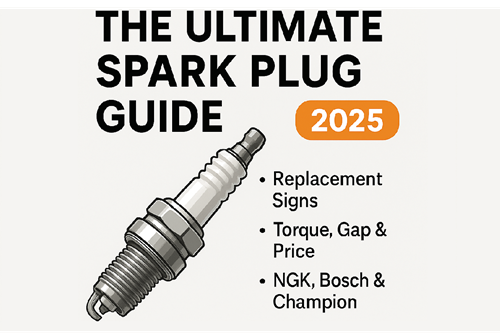
Credit: modernautoparts.co.za
Inspection And Maintenance Tips
Regular inspection and maintenance of spark plugs keep your engine running smoothly. Checking spark plugs helps detect issues early and prevents costly repairs. Simple maintenance steps improve engine performance and fuel efficiency.
How To Check Spark Plugs
Remove the spark plug using a wrench designed for spark plugs. Examine the electrode and insulator for signs of wear or damage. Look for:
- Carbon buildup or black soot
- Cracks or chips in the ceramic insulator
- Worn or rounded electrodes
- Oil or fuel deposits
Check the spark plug gap using a feeler gauge. Compare it to the vehicle’s specifications for accuracy.
Cleaning Vs Replacing
Light carbon deposits can be cleaned using a wire brush or spark plug cleaner. Avoid harsh scraping, which damages the electrode.
Replace spark plugs if:
- The electrode is worn or eroded
- The insulator is cracked or broken
- Cleaning does not restore proper function
- The spark plug has reached its recommended mileage
New spark plugs ensure better ignition and fuel efficiency. Cleaning extends life but does not restore full performance.
Diy Replacement Guide
Replacing spark plugs yourself can save you time and money while giving you a better understanding of your vehicle’s engine. It might seem intimidating at first, but with the right tools and clear steps, you can handle it confidently. Here’s a guide to help you tackle this task efficiently and safely.
Tools Needed
- Spark plug socket:A deep socket specifically designed to fit spark plugs.
- Ratchet wrench:To turn the socket and remove or install spark plugs.
- Torque wrench:Ensures spark plugs are tightened to the manufacturer’s specifications.
- Spark plug gap gauge:Measures the gap between the electrodes to ensure proper spark.
- Extension bar:Helps reach plugs in tight engine spaces.
- Anti-seize lubricant:Prevents the spark plugs from sticking in the cylinder head.
- Dielectric grease:Protects the electrical connection from moisture and corrosion.
Step-by-step Replacement Process
Start by locating your vehicle’s spark plugs. Usually, they are found on the engine block beneath ignition coils or spark plug wires.
Remove the ignition coils or wires carefully. Avoid pulling on the wires directly to prevent damage.
Use the spark plug socket and ratchet to loosen and remove each spark plug. Take your time to avoid dropping debris into the cylinder.
Check the gap on the new spark plugs with the gap gauge. Adjust if necessary to match your car’s specifications.
Apply a small amount of anti-seize lubricant on the threads of each new spark plug to make future removal easier.
Install the new spark plugs by hand first to avoid cross-threading. Then tighten with a torque wrench to the recommended setting.
Reattach the ignition coils or spark plug wires, applying a bit of dielectric grease inside the boots for a secure connection.
Safety Precautions
- Ensure the engine is completely cool before starting to avoid burns.
- Disconnect the battery to prevent accidental electrical shocks or shorts.
- Work in a well-ventilated area and keep the workspace clean to avoid inhaling dust or debris.
- Wear gloves and safety glasses to protect your hands and eyes from dirt and sharp components.
- Double-check that all tools and parts are accounted for before starting the engine again.
Have you ever hesitated to try car maintenance because of fear of making mistakes? Taking on spark plug replacement yourself can change that feeling. It’s a practical skill that builds your confidence and connection with your vehicle.
Professional Service Considerations
Professional service for spark plug replacement ensures safety and engine health. Experts check more than just spark plugs. They examine the ignition system and related parts. This helps avoid future engine problems and costly repairs.
Service centers use special tools and parts that fit your vehicle. Proper installation keeps the engine running smoothly. Professionals also test the engine performance after replacement. This confirms the spark plugs work correctly and efficiently.
When To Seek Expert Help
Seek expert help if your engine misfires or stalls often. Strange noises and rough idling need professional checks. A drop in fuel efficiency also signals spark plug issues. Experts can spot hidden problems you might miss.
Do not wait for the spark plugs to fail completely. Early professional service can save time and money. Mechanics provide accurate diagnosis and safe handling of engine parts.
Cost Factors
Cost depends on the vehicle type and spark plug quality. Luxury cars usually have higher replacement costs. Labor charges vary by location and service provider. Some shops offer package deals for full ignition system checks.
Choosing the right spark plug affects both price and performance. Long-lasting plugs may cost more upfront but save money over time. Always ask for a detailed estimate before service starts.
Impact On Engine Performance
Your engine’s performance heavily depends on the condition of your spark plugs. These small components play a critical role in igniting the air-fuel mixture inside the engine cylinders. If they are worn out or dirty, you’ll notice a drop in power, efficiency, and smoothness.
Benefits Of Timely Replacement
Replacing spark plugs on time keeps your engine running smoothly and efficiently. You will experience:
- Better fuel efficiency:Fresh spark plugs ensure complete combustion, saving you money at the pump.
- Smoother acceleration:Your engine responds faster and more reliably when spark plugs fire correctly.
- Reduced emissions:Clean sparks reduce unburned fuel, cutting down harmful exhaust gases.
- Longer engine life:Proper ignition reduces strain on engine parts, preventing costly repairs.
Think about the last time your car felt sluggish on the road. Chances are, worn spark plugs were behind that weak performance.
Risks Of Neglecting Spark Plugs
Ignoring spark plug replacement can lead to serious engine troubles. Common issues include:
- Engine misfires:When plugs don’t spark properly, your engine may stumble or hesitate.
- Hard starts:Worn plugs make it tougher to start your car, especially in cold weather.
- Increased fuel consumption:Poor combustion wastes gas, forcing you to fill up more often.
- Potential engine damage:Continuous misfires can harm the catalytic converter and other parts.
Have you noticed your check engine light flickering or your ride feeling rough? These could be warning signs that your spark plugs need attention.
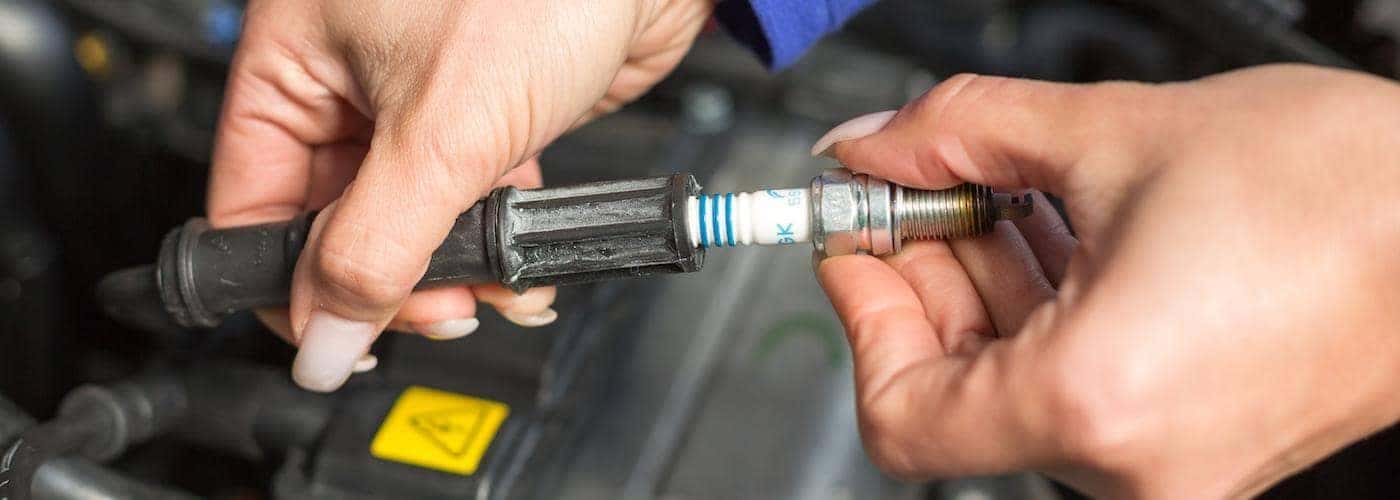
Credit: www.terrylabontechevy.com
Frequently Asked Questions
How Often Should Spark Plugs Be Replaced?
Spark plugs typically need replacement every 30,000 to 100,000 miles. Check your vehicle’s manual for exact intervals.
What Signs Indicate Spark Plug Replacement Is Needed?
Common signs include engine misfires, poor fuel economy, rough idling, and difficulty starting the car.
Can Old Spark Plugs Damage The Engine?
Yes, worn spark plugs can cause engine misfires, reduced power, and increased emissions.
Does Spark Plug Type Affect Replacement Frequency?
Yes, copper plugs wear faster than iridium or platinum, which last longer and need less frequent changes.
Conclusion
Spark plugs should be replaced regularly to keep your engine running well. Most cars need new spark plugs every 30,000 to 100,000 miles. Check your car manual for exact times. Worn spark plugs can cause poor fuel economy and engine trouble.
Changing them on time saves money and prevents bigger issues. Don’t wait for problems to start. Keep your car healthy by replacing spark plugs as needed. Simple care helps your vehicle last longer and run smoothly. Stay safe and avoid unexpected breakdowns by staying on top of spark plug maintenance.





