
Are you ready to uncover the mystery of the spark plug’s location in your vehicle? Whether you’re a seasoned car enthusiast or just beginning to explore the mechanics under your hood, knowing where the spark plug is located is crucial.
This small but mighty component plays a vital role in your engine’s performance, and understanding its position can save you time and money when it comes to maintenance and repairs. Imagine the confidence you’ll gain by mastering this essential knowledge.
Dive into this guide, and you’ll soon be one step closer to achieving that. Curious to discover where this hidden gem resides? Let’s find out together!
Spark Plug Basics
Spark plugs are small but vital parts of a car’s engine. They create the spark that ignites the fuel and air mixture inside the engine’s cylinders. This ignition powers the engine and keeps the car running smoothly. Understanding spark plug basics helps you know their importance and how they affect your vehicle’s performance.
Role In Engine Performance
Spark plugs deliver the spark needed for combustion. This process turns fuel into energy, which moves the car. Good spark plugs ensure smooth starts and steady engine running. Faulty or worn plugs cause misfires, rough idling, and poor fuel economy. Clean and well-functioning plugs help your engine run efficiently and reduce emissions.
Types Of Spark Plugs
Spark plugs come in several types based on materials and design. Common types include:
- Copper spark plugs:Offer good conductivity but wear faster.
- Platinum spark plugs:Last longer and perform well at high temperatures.
- Iridium spark plugs:Known for durability and strong sparks.
- Double platinum plugs:Used in waste spark ignition systems for longer life.
Choosing the right type depends on your car’s engine and driving habits. Proper spark plugs improve power, fuel efficiency, and engine life.

Credit: www.youtube.com
Common Spark Plug Locations
Knowing where to find the spark plug is essential for anyone working on engine maintenance or troubleshooting. Spark plugs are small but crucial components that ignite the fuel-air mixture inside an engine. Their location varies depending on the type of engine you’re dealing with, so understanding common spark plug locations can save you time and frustration.
Gasoline Engines
In gasoline engines, spark plugs are usually found screwed directly into the cylinder head. You’ll often see them along the top or side of the engine block, connected to thick ignition wires or coils. If you’ve ever opened the hood of a car, you might have noticed a row of wires leading to the engine’s top—those lead to the spark plugs.
Sometimes, spark plugs hide under engine covers or intake manifolds, especially in modern cars. Don’t let this deter you; removing these covers usually reveals the spark plugs quickly. Have you checked your car’s manual? It often points out the exact location, making your search easier.
Diesel Engines
Diesel engines don’t use spark plugs for ignition like gasoline engines do. Instead, they rely on glow plugs to help start the engine in cold conditions. Glow plugs are typically located near the fuel injectors on the cylinder head.
If you’re used to gasoline engines, this difference might be confusing. But here’s a tip: if your diesel engine struggles to start on cold mornings, checking the glow plugs is a smart first step. It’s a different part, but it plays a similar role in igniting the fuel.
Motorcycles And Small Engines
Motorcycles and small engines, like those in lawn mowers or chainsaws, usually have spark plugs that are easy to spot. They are often located on the cylinder head and stick out in a way that you can reach them without removing many parts. This design is user-friendly since these engines need regular spark plug checks.
In my experience working on a motorcycle, the spark plug was right on top and clearly visible once I removed the small plastic cover. This accessibility makes routine maintenance less intimidating. If you own a small engine, try locating the spark plug first before diving into repairs—it’s often the simplest part to inspect.
Tools To Locate Spark Plugs
Finding the spark plug can be tricky without the right tools. Using proper tools makes the task easier and safer. The right equipment helps you locate spark plugs quickly and avoid damage.
Essential Tools Needed
Several tools help find spark plugs efficiently. A basic toolkit usually contains some useful items.
- Screwdrivers – to remove engine covers or panels.
- Socket wrench with spark plug socket – fits spark plugs perfectly.
- Flashlight – bright light reveals hard-to-see areas.
- Gloves – protect your hands from heat and dirt.
- Magnet tool – can help pull out spark plugs in tight spaces.
Having these tools ready saves time and effort during the process.
Using The Owner’s Manual
The owner’s manual is a key resource for locating spark plugs. It contains detailed engine diagrams and instructions.
Look for the section about the engine or maintenance. It usually shows the exact location of spark plugs.
The manual also lists the right tools needed for your specific vehicle model. This prevents confusion and mistakes.
Follow the manual’s guidance carefully. It helps avoid damaging engine parts during spark plug access.
Step-by-step Location Guide
Finding the spark plug in your vehicle might seem tricky at first, but it becomes straightforward once you know where to look and what to look for. This guide breaks down the process into clear steps to help you locate the spark plug easily. You’ll save time and avoid frustration by following simple actions that anyone can do, even without much car experience.
Accessing The Engine Bay
Start by opening your car’s hood. Most vehicles have a latch inside the cabin, usually near the driver’s side door or under the dashboard. Once the hood is released, lift it up and secure it with the support rod or hood struts.
Look directly into the engine bay. The spark plugs are usually found on top or along the sides of the engine block. If your engine has a plastic cover, it may need to be removed to see the components underneath clearly.
Identifying Spark Plug Wires
Spark plug wires are your best clue. These wires are typically thick and insulated, running from the ignition coil or distributor to the engine. Each wire connects to a spark plug, so follow the wires carefully to their endpoints.
In modern cars, individual ignition coils might replace traditional wires, sitting directly on top of each spark plug. Recognizing these components can speed up your search. Have you noticed any thick cables or coil packs on your engine? That’s where you should focus your attention.
Removing Engine Covers
Engine covers can hide the spark plugs completely. They’re usually held in place by bolts or clips. Use a socket wrench or screwdriver to gently remove these fasteners.
Keep track of the screws and parts you remove to avoid losing anything. Once the cover is off, the spark plugs will be visible, often housed in cylindrical openings with wires or coils attached. This step reveals the spark plugs clearly, making your next moves much easier.
Tips For Quick Identification
Finding the spark plug quickly saves time and effort during car maintenance. Knowing where to spot it helps avoid confusion under the hood. A few simple tips make the search easier and faster.
Visual Clues
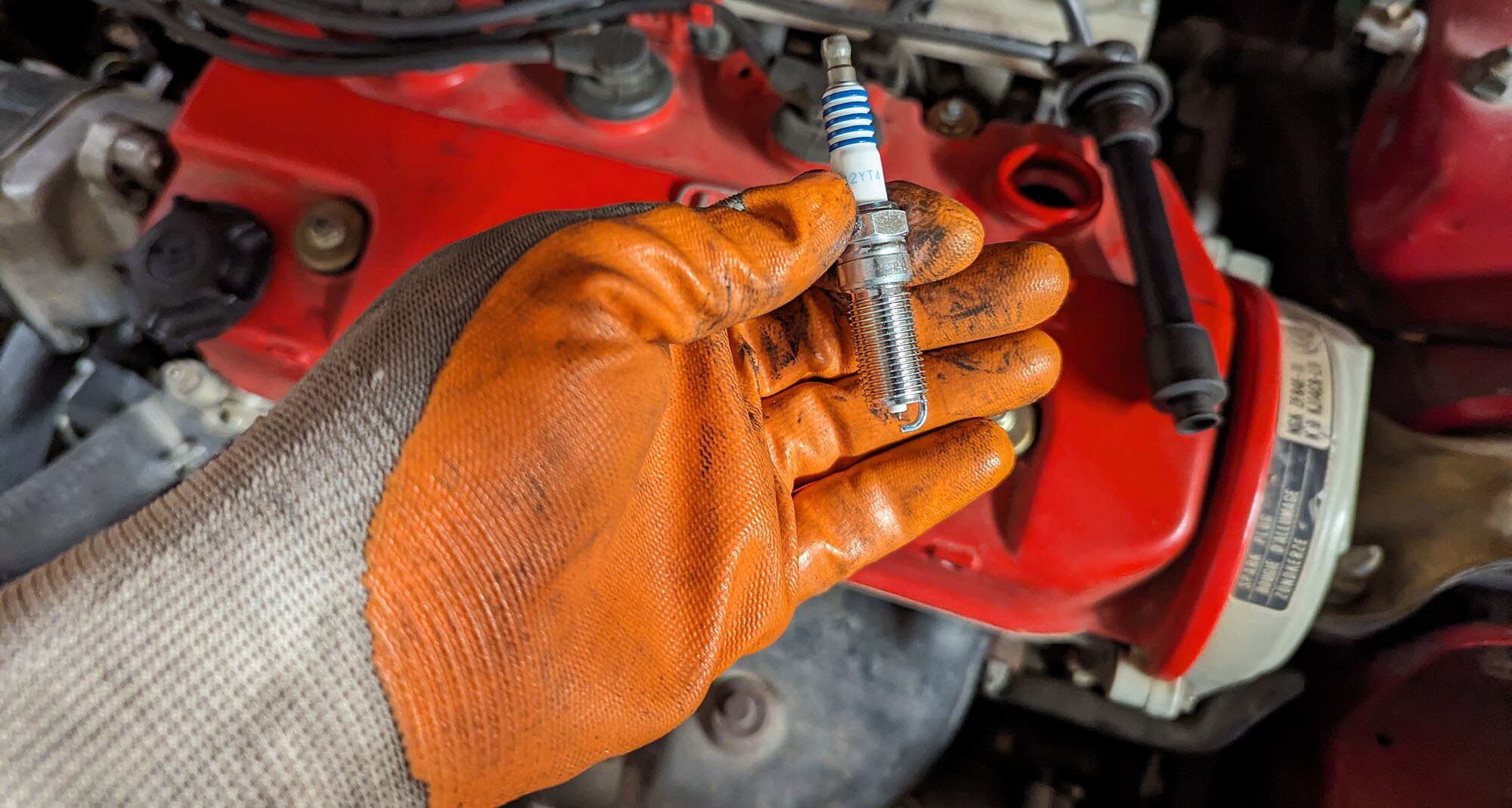
Spark plugs are usually attached to thick wires called ignition wires. These wires run from the ignition coil to the engine. Look for a small, cylindrical metal part connected to these wires.
Most spark plugs have a white ceramic insulator around the metal tip. This white part stands out against the engine’s dark metal. They often sit on top or side of the engine block, near the cylinders.
In some cars, spark plugs are hidden under plastic covers. Removing these covers can reveal the spark plugs and wires. The wires are often arranged in a row leading to the spark plugs.
Common Mistakes To Avoid
Do not confuse spark plugs with fuel injectors or sensors. Fuel injectors look different and connect to fuel lines, not wires. Sensors are usually smaller and have different shapes.
Avoid pulling on wires too hard. Spark plug wires are delicate and can break. Gently trace the wire to find the spark plug instead of yanking.
Do not ignore the car manual. It often shows the exact location of spark plugs. Skipping this step can lead to wrong guesses and damage.

Credit: www.carsales.com.au
When To Replace Spark Plugs
Knowing when to replace your spark plugs can save you from unexpected car troubles and keep your engine running smoothly. Spark plugs may seem small, but they play a big role in your vehicle’s performance. Replacing them at the right time ensures better fuel efficiency and a more reliable start every time you turn the key.
Signs Of Wear
Pay attention to how your car behaves. If you notice rough idling, difficulty starting, or poor acceleration, worn spark plugs might be the cause.
Another clear sign is increased fuel consumption. When spark plugs don’t ignite properly, your engine works harder, using more fuel than usual.
Also, if your check engine light comes on without an obvious reason, it’s worth checking the spark plugs. Have you felt any hesitation or engine misfires lately? These are red flags.
Maintenance Intervals
Check your vehicle’s manual for the recommended spark plug replacement schedule. Most cars suggest changing spark plugs every 30,000 to 100,000 miles, depending on the type.
For example, copper spark plugs generally need replacement closer to 30,000 miles, while platinum or iridium plugs can last much longer.
If you drive in harsh conditions like extreme cold or stop-and-go traffic, consider replacing them sooner. Regular inspection during oil changes can help you catch wear early.
Credit: www.capitalone.com
Frequently Asked Questions
Where Is The Spark Plug Located In A Car Engine?
The spark plug is located on the engine cylinder head. It screws into the combustion chamber. It ignites the air-fuel mixture for combustion. Its exact position varies by engine design but is always accessible for maintenance.
How To Find The Spark Plug In A Motorcycle?
In motorcycles, the spark plug is found on the cylinder head. It is connected to the ignition coil by a spark plug wire. Look near the engine’s top area, often under a cover or fuel tank.
Can I Locate Spark Plugs Without A Manual?
Yes, you can locate spark plugs by visually inspecting the engine. Look for thick wires leading to metal threaded components on the cylinder head. Online vehicle guides also help if the manual is unavailable.
Why Is Knowing Spark Plug Location Important?
Knowing the spark plug location helps with timely maintenance and troubleshooting. It ensures proper engine performance and fuel efficiency. It also prevents misfires and engine damage by allowing quick replacement.
Conclusion
Finding the spark plug is easier than you think. It usually sits on top of the engine block. You can spot it near the cylinder head. Knowing its location helps with car maintenance. Regular checks keep your engine running smooth.
Keep the area clean to avoid dirt buildup. Remember, a healthy spark plug means better car performance. Simple steps save time and money. Now, you can check your spark plug with confidence. A small part, but very important for your vehicle.





