
Imagine the sun shining down on your lush, green lawn, with every blade of grass perfectly trimmed. This picturesque scene owes much to your trusty John Deere riding mower.
But to keep it running smoothly, you need to give it a bit of TLC. Changing the oil in your mower is one of the simplest yet most crucial maintenance tasks you can do. Are you wondering how to do it yourself without any hassle?
You’ve come to the right place. By the end of this article, you’ll discover how easy it is to change the oil in your John Deere riding mower, ensuring it runs like a dream all season long. Let’s get started on keeping your mower in top-notch condition!
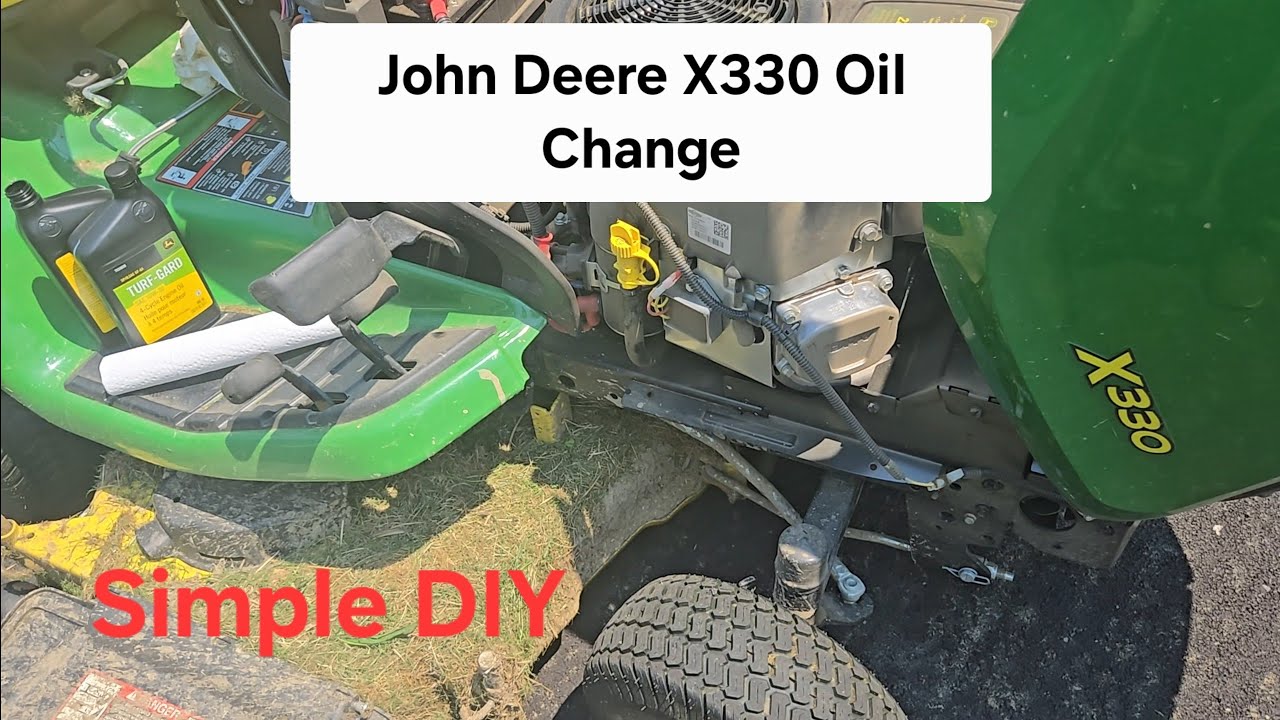
Credit: www.youtube.com
Gathering Tools And Materials
Before you dive into changing the oil on your John Deere riding mower, getting all the right tools and materials ready saves you time and hassle. Having everything at hand means you won’t have to interrupt the job halfway through to search for a missing wrench or the correct oil type. It’s a small step that makes the whole process smoother and safer.
Required Tools
To change the oil efficiently, gather these tools:
- Socket wrench set – essential for loosening and tightening the drain plug
- Oil drain pan – to catch the old oil without making a mess
- Funnel – helps pour new oil cleanly into the engine
- Rags or paper towels – for wiping spills and cleaning hands
- Oil filter wrench (if your model has an oil filter to replace)
I learned the hard way that skipping the funnel can lead to oil dripping all over the mower deck. Don’t make the same mistake—having the right tools means less cleanup and a neater job.
Choosing The Right Oil
Picking the correct oil is crucial for your mower’s engine health. Check your John Deere owner’s manual for the recommended oil type and viscosity. Most models use SAE 10W-30 oil, but some might call for synthetic blends for better performance in extreme temperatures.
Have you noticed your mower running rough or losing power? Using the wrong oil could be the cause. Using the right oil keeps your engine running smoothly and extends its life.
Safety Gear
Don’t overlook safety gear when working on your mower. Gloves protect your hands from hot oil and sharp parts, while safety glasses shield your eyes from splashes. Wearing old clothes or a shop apron can save your favorite shirt from stains.
One time, I didn’t wear gloves and ended up with a nasty oil rash that took days to heal. Taking a few moments to gear up properly keeps you safe and comfortable throughout the oil change.

Credit: www.youtube.com
Preparing The Mower
Preparing your John Deere riding mower before changing the oil is essential for safety and efficiency. Taking time to set up the mower correctly helps avoid mess and injury. Follow these steps carefully to get your mower ready.
Positioning The Mower
Park the mower on a flat, level surface. This prevents oil from pooling in one area. Engage the parking brake to stop any movement. Turn off the engine and remove the key for safety. Ensure the mower is stable before starting any work.
Cooling Down The Engine
Let the engine cool down for at least 30 minutes. Hot oil can cause burns and spills. Cooling also helps the oil settle, making it easier to drain. Never change oil when the engine is still hot. Patience here keeps you safe.
Cleaning The Area
Wipe dirt and debris away from the oil cap and drain plug. This stops contaminants from entering the engine. Use a clean cloth or brush for this task. A clean workspace reduces the risk of contamination. Keep tools and rags nearby before you start.
Draining The Old Oil
Draining the old oil from your John Deere riding mower is a crucial step to keep the engine running smoothly. Old oil loses its ability to lubricate and protect engine parts, leading to wear and potential damage. Taking the time to drain the oil properly ensures your mower stays in top shape for many seasons.
Locating The Drain Plug
Finding the drain plug is your first task. It is usually located at the bottom of the mower’s engine oil pan. Check your owner’s manual if you’re unsure, but generally, it’s a bolt that looks different from others around the engine.
Sometimes, it can be tricky to spot because of dirt or grass buildup. Cleaning around the area with a rag before loosening the plug can save you frustration. Have a small container ready to catch the oil as soon as you remove the plug.
Draining Process
Place your oil catch pan directly under the drain plug to avoid spills. Use the correct wrench to loosen the plug carefully; don’t force it to avoid stripping the threads. Once loose, remove it by hand and let the oil flow out freely.
It’s normal for the oil to drain slowly at first. Give it a few minutes until the flow nearly stops, ensuring most old oil is out. After draining, wipe the area clean and replace the drain plug securely but don’t over-tighten it.
Disposing Of Used Oil
Never pour used oil down the drain or on the ground. Used oil contains harmful contaminants that can damage the environment. Instead, transfer it into a sealed container and take it to a local recycling center or auto shop that accepts used oil.
Many communities offer free disposal programs for used oil. Keeping a reusable container handy makes this process easier next time. How often do you check your mower oil? Proper disposal is just as important as changing it.
Replacing The Oil Filter
Replacing the oil filter in your John Deere riding mower is a key part of maintaining engine health. The oil filter traps dirt and debris, preventing them from circulating through the engine. Changing it regularly helps keep your mower running smoothly and extends its lifespan.
Finding The Oil Filter
First, locate the oil filter on your mower. It’s usually near the engine block and looks like a small, round canister. If you’re unsure, check your mower’s manual or look for a part labeled “oil filter.”
Sometimes, the filter is tucked in tight spots, so don’t rush. Take your time to spot it correctly before moving on.
Removing The Old Filter
Before removing the filter, place a container underneath to catch any dripping oil. Use an oil filter wrench or your hands if it’s loose enough to turn counterclockwise. Be careful—oil can spill, so keep some rags handy.
Once loose, pull the filter away from the engine. You might notice some oil inside the filter; this is normal. Dispose of the old filter properly to avoid environmental harm.
Installing The New Filter
Before installing, dip your finger in fresh oil and lightly coat the rubber seal on the new filter. This ensures a better seal and makes removal easier next time. Screw the new filter onto the engine by hand until it’s snug.
Avoid using tools to tighten too much; hand-tight is usually enough. Over-tightening can damage the seal or the filter itself. After installation, run your mower and check for leaks around the filter area.
Adding New Oil
Adding new oil to your John Deere riding mower is a key part of maintenance that keeps the engine running smoothly. It’s not just about pouring oil in; you need to do it carefully to avoid overfilling or spillage. Let’s break down the process to make sure your mower gets exactly what it needs.
Filling The Oil Reservoir
Start by locating the oil reservoir—usually marked clearly on your mower. Use a funnel to pour the new oil slowly to prevent spills and allow air bubbles to escape.
Choose the oil type recommended in your mower’s manual. Pour in small amounts, checking frequently to avoid overfilling, which can cause engine problems.
Checking Oil Levels
Use the dipstick to check the oil level after filling. Wipe it clean, dip it back in, and then pull it out to see where the oil reaches.
The oil should sit between the “Full” and “Add” marks. If it’s below, add more oil carefully; if it’s too high, drain some out to protect your engine.
Sealing The Oil Cap
Once the oil level is right, screw the oil cap back on tightly. This prevents dirt from entering the reservoir and keeps the oil clean.
Have you ever noticed the oil cap is loose after a ride? Make it a habit to check it each time to avoid unexpected leaks or engine damage.
Finishing Steps
After draining the old oil and adding fresh oil to your John Deere riding mower, the finishing steps are crucial to ensure everything runs smoothly. These final checks help you avoid leaks, confirm the engine is operating properly, and leave your workspace tidy. Paying attention to these details can save you time and prevent costly repairs down the line.
Starting The Engine
Before you fully close up, start the mower’s engine and let it run for a few minutes. This allows the new oil to circulate through the engine, lubricating all the moving parts effectively.
Listen carefully for any unusual sounds. If the engine runs smoothly, it’s a good sign that the oil change went well. If you hear knocking or see smoke, shut off the engine immediately and double-check your work.
Checking For Leaks
Once the engine has run for a bit, inspect the oil drain plug and filter area for leaks. Oil leaks can cause serious damage if not caught early, so look closely underneath the mower.
Use a clean rag to wipe around the drain plug and filter, then check again after a few minutes. If you spot any fresh oil, tighten the fittings but avoid over-tightening, which can strip threads.
Cleaning Up
Cleaning your tools and work area is often overlooked but important. Dispose of the old oil properly by taking it to a recycling center or designated drop-off point.
Wipe any spilled oil off the mower to prevent dirt buildup and slippery spots on your garage floor. Keeping your workspace clean helps you stay safe and ready for your next maintenance task.
Maintenance Tips
Keeping your John Deere riding mower in top shape means paying close attention to routine maintenance. Oil plays a crucial role in the engine’s health, so understanding how and when to change it can save you from costly repairs. Let’s dive into some practical tips that will help you manage your mower’s oil like a pro.
Oil Change Frequency
How often you should change your mower’s oil depends on how much you use it and the conditions you mow in. Typically, changing the oil every 50 hours of use is a good rule of thumb, but if you mow in dusty or rough areas, consider doing it more frequently.
Check your owner’s manual for specific recommendations. Ignoring the schedule can lead to engine wear, reducing your mower’s lifespan.
Signs Of Oil Issues
Have you noticed your mower running rough or making unusual noises? These can be signs that the oil is dirty or low.
Look for dark, thick oil on the dipstick or a burning smell from the engine. If your mower struggles to start or overheats, poor oil quality might be the culprit.
Regularly inspecting the oil will help you catch these issues early and avoid bigger problems.
Storing Your Mower
If you plan to store your mower for an extended period, proper oil care is essential. Before putting it away, change the oil to prevent old, contaminated oil from damaging the engine during downtime.
Run the engine for a few minutes after the oil change to circulate the fresh oil thoroughly. Also, consider adding a fuel stabilizer to keep the fuel system clean while in storage.
Taking these steps ensures your mower will start smoothly when you need it again.
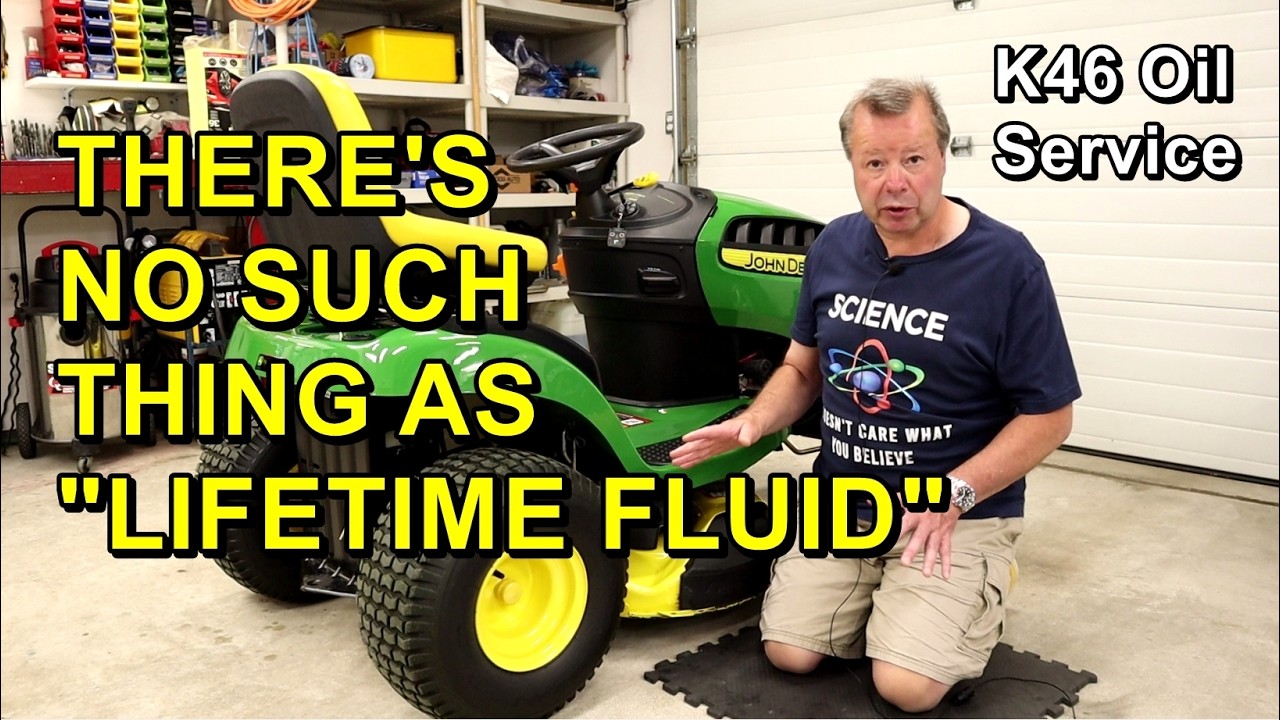
Credit: www.youtube.com
Frequently Asked Questions
How Often Should I Change Oil In John Deere Mower?
Change the oil every 50 hours of use or once per season. Regular oil changes keep the engine running smoothly and extend mower life.
What Type Of Oil Is Best For John Deere Mowers?
Use SAE 30 oil for temperatures above 40°F. For colder climates, use 10W-30 synthetic oil to ensure proper lubrication.
How Do I Drain Oil From John Deere Riding Mower?
Locate the oil drain plug beneath the mower’s engine. Place a container underneath, unscrew the plug, and let the oil drain completely.
Can I Reuse The Oil Filter When Changing Oil?
No, always replace the oil filter with a new one. A fresh filter ensures contaminants are removed and protects the engine.
Conclusion
Changing the oil in your John Deere riding mower keeps it running well. Clean oil helps the engine stay cool and work better. Regular oil changes prevent costly repairs and extend mower life. Follow the steps carefully to avoid mistakes.
Use the right oil and tools for the job. Check the oil level often to keep your mower healthy. Taking time for simple care saves money and time later. Keep your mower ready for every mowing season. Simple actions make a big difference.





