Are you wondering when it’s the right time to change your spark plugs? You’re not alone.
Many car owners overlook this crucial aspect of vehicle maintenance, only to face unexpected breakdowns and hefty repair bills. But don’t worry; this guide is here to help you avoid those headaches. By understanding when to change your spark plugs, you can keep your car running smoothly and efficiently.
Imagine the peace of mind you’ll have, knowing your engine is in top shape. Stick around, and we’ll reveal the simple signs to watch for and how timely spark plug changes can save you money and hassle. Ready to dive in? Let’s get started!
Credit: www.terrylabontechevy.com
Role Of Spark Plugs
Spark plugs play a crucial role in your vehicle’s engine. They are small but powerful components that ignite the air-fuel mixture inside the engine cylinders. Without properly functioning spark plugs, your engine won’t run efficiently or smoothly.
How Spark Plugs Work
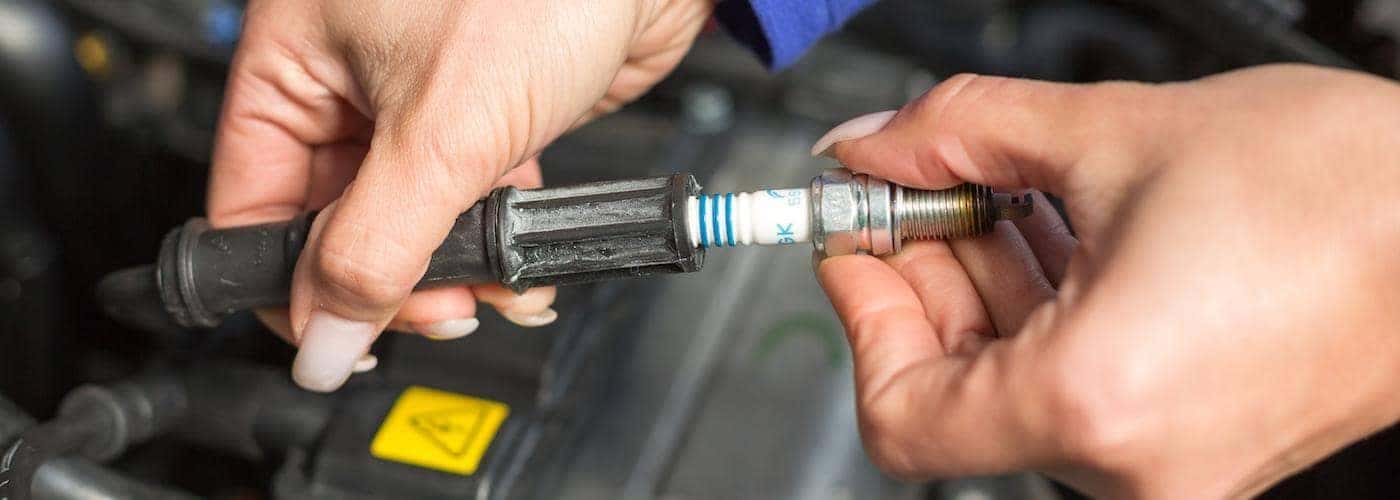
Spark plugs create a tiny spark that ignites the fuel-air mix in the engine’s combustion chamber. This spark happens when electricity jumps the gap between the plug’s electrodes. This ignition process powers the piston movement, which ultimately drives your car forward.
Think of spark plugs as the engine’s ignition switch. If this switch fails, your engine struggles to start or may not start at all. That’s why keeping spark plugs in good condition is essential for reliable performance.
Impact On Engine Performance
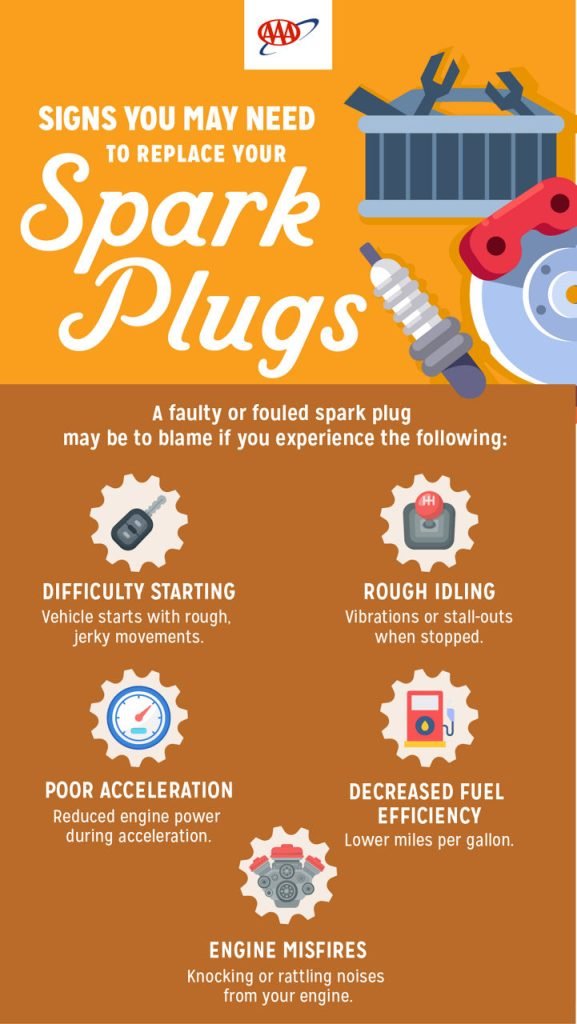
Worn or dirty spark plugs can cause misfires, poor fuel economy, and rough idling. If you notice your car hesitating during acceleration or stalling unexpectedly, the spark plugs might be to blame. These issues can also lead to increased emissions and damage to other engine parts over time.
Have you ever experienced a sudden loss of power while driving uphill or noticed your gas mileage dropping? These are clear signs your spark plugs may need attention. Regularly checking and replacing spark plugs helps maintain smooth engine operation and saves you money on fuel and repairs.

Credit: www.reddit.com
Signs To Replace Spark Plugs
Knowing when to replace your spark plugs can save you from costly repairs and keep your car running smoothly. Often, your vehicle gives clear signs that the spark plugs are wearing out. Paying attention to these signs can help you act before small issues turn into big problems.
Engine Misfires And Rough Idling
Have you noticed your engine stumbling or hesitating during acceleration? This could be a sign that your spark plugs are failing. Worn spark plugs cause incomplete combustion, leading to engine misfires and rough idling.
When your car vibrates more than usual at a stoplight or struggles to maintain a steady idle, it’s time to check the spark plugs. Ignoring this can hurt engine performance and increase emissions.
Poor Fuel Efficiency
If your fuel gauge seems to drop faster than before, your spark plugs might be the culprit. Faulty spark plugs cause your engine to burn fuel less efficiently.
Even a small drop in mileage can add up to more frequent gas station visits and higher costs. Have you tracked your fuel efficiency lately? Noticing a sudden change could mean your spark plugs need replacement.
Difficulty Starting The Engine
Struggling to start your car, especially on cold mornings, can point to worn spark plugs. They might fail to produce the spark needed to ignite the fuel-air mixture in the engine.
When you turn the key and the engine cranks longer than usual or doesn’t start at all, don’t ignore it. Replacing spark plugs can restore quick and reliable starts, saving you frustration and time.
Recommended Replacement Intervals
Knowing when to change your spark plugs can save you from unexpected car trouble and keep your engine running smoothly. Recommended replacement intervals vary widely, depending on several factors. Understanding these guidelines helps you plan maintenance effectively and avoid costly repairs.
Manufacturer Guidelines
Car makers provide specific spark plug replacement intervals in your vehicle’s owner manual. These intervals typically range from 30,000 to 100,000 miles. Following these recommendations ensures your engine performs as designed and maintains fuel efficiency.
Ignoring these guidelines can lead to rough idling or difficulty starting your car. If you’re unsure, checking the manual or asking your mechanic is a smart step.
Effect Of Driving Conditions
Your driving habits affect how often spark plugs wear out. Frequent short trips, stop-and-go traffic, or driving in dusty environments can cause plugs to degrade faster. Under these conditions, consider changing spark plugs more often than the standard interval.
Have you noticed your engine misfiring during city driving? That could be a sign your spark plugs need attention sooner. Adjust your maintenance schedule based on your unique driving style for better results.
Types Of Spark Plugs And Lifespan
Not all spark plugs last the same amount of time. Copper spark plugs typically last around 20,000 to 30,000 miles, while platinum and iridium plugs can go up to 60,000 to 100,000 miles.
Choosing the right type depends on your vehicle and budget. Investing in longer-lasting plugs might cost more upfront but saves money and hassle over time.
Consequences Of Delayed Replacement
Delaying the replacement of spark plugs can harm your vehicle’s performance and durability. Old spark plugs reduce engine efficiency and cause multiple issues. Understanding these consequences helps maintain your car’s health and saves money.
Engine Damage Risks
Worn spark plugs can cause misfires. Misfires strain engine parts and reduce power. This strain may lead to serious engine damage over time. Ignoring spark plug replacement risks costly repairs. Proper ignition keeps the engine running smoothly.
Increased Emissions
Old spark plugs burn fuel less efficiently. Incomplete combustion releases more harmful gases. This increases your car’s pollution and may fail emissions tests. Clean spark plugs help reduce environmental impact. They promote better fuel burning and cleaner exhaust.
Cost Implications
Delaying spark plug changes raises fuel costs. Poor combustion wastes fuel and lowers mileage. Engine repairs due to neglect cost much more. Regular spark plug maintenance avoids expensive fixes. It saves money on both fuel and repairs in the long run.
Tips For Checking Spark Plugs
Checking your spark plugs regularly can save you from unexpected car troubles and improve your vehicle’s performance. It’s not just about changing them on time but knowing how to inspect them yourself. Here are some practical tips to help you get started with checking your spark plugs effectively.
Visual Inspection Techniques
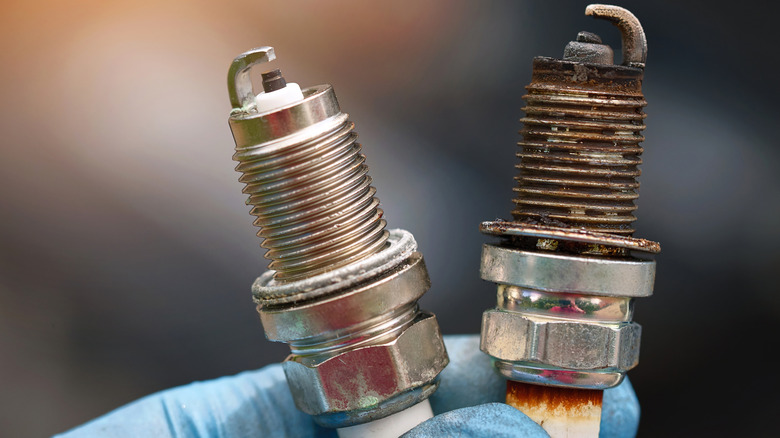
Start by removing the spark plug carefully, making sure the engine is cool to avoid burns. Look at the electrode and insulator for signs of wear or damage.
- Carbon Deposits:A black, dry soot indicates your engine might be running too rich or the air filter needs attention.
- Oily Deposits:Oil on the spark plug can mean leaking valve seals or worn piston rings.
- Burnt or Blistered Electrodes:This suggests overheating, which could lead to engine knocking.
Have you noticed your engine misfiring or rough idling? Visual clues on your spark plugs might explain why.
Tools Needed For Checking
To inspect your spark plugs properly, you don’t need a full mechanic’s toolbox. Here are the essentials:
- Spark Plug Socket:Designed to fit snugly around the plug for easy removal.
- Ratchet Wrench:Helps you turn the socket smoothly.
- Gap Gauge:Measures the distance between electrodes for correct spark plug gap.
- Wire Brush or Spark Plug Cleaner:Useful if you want to clean the plug instead of replacing it immediately.
Having these tools ready can make your inspection quick and efficient. Do you keep these handy in your car maintenance kit?
When To Consult A Mechanic
Sometimes, spark plug issues aren’t easy to diagnose or fix on your own. If you notice consistent engine problems despite replacing plugs, it’s time to seek professional help.
- Persistent misfires after spark plug replacement.
- Damaged spark plug threads that make removal difficult.
- Signs of oil or coolant leaking into the spark plug area.
Don’t ignore unusual engine noises or performance drops. A mechanic can perform detailed diagnostics to uncover hidden problems beyond the plugs.
Credit: www.slashgear.com
Frequently Asked Questions
When Is The Best Time To Change Spark Plugs?
Spark plugs should be changed every 30,000 to 100,000 miles. Check your vehicle’s manual for specific intervals. Signs of wear include rough idling and poor fuel efficiency. Regular replacement ensures optimal engine performance and fuel economy.
What Are The Symptoms Of Worn Spark Plugs?
Worn spark plugs cause engine misfires, rough idling, and reduced acceleration. You may also notice increased fuel consumption and difficulty starting the engine. Replacing spark plugs promptly can prevent further engine damage and maintain smooth performance.
Can Old Spark Plugs Damage My Engine?
Yes, old spark plugs can cause misfires and incomplete combustion. This leads to engine knocking and reduced power. Prolonged use of faulty plugs may damage catalytic converters and increase emissions. Timely replacement protects your engine and improves efficiency.
How Do I Know If Spark Plugs Need Replacement?
Look for signs like rough idling, poor fuel economy, and engine hesitation. Visual inspection shows worn or fouled electrodes and deposits. If your vehicle struggles to start or stalls frequently, it’s time to replace spark plugs.
Conclusion
Spark plugs wear out with time and use. Changing them keeps your engine running smooth. Check your car manual for the right interval. Worn plugs can cause rough starts and poor fuel use. Regular changes help avoid bigger engine problems.
Pay attention to signs like engine misfires or low power. Taking care of spark plugs saves money and stress. Keep your car healthy by changing spark plugs on time. Simple steps make a big difference in performance and fuel. Remember, good spark plugs mean a happier, stronger engine.





