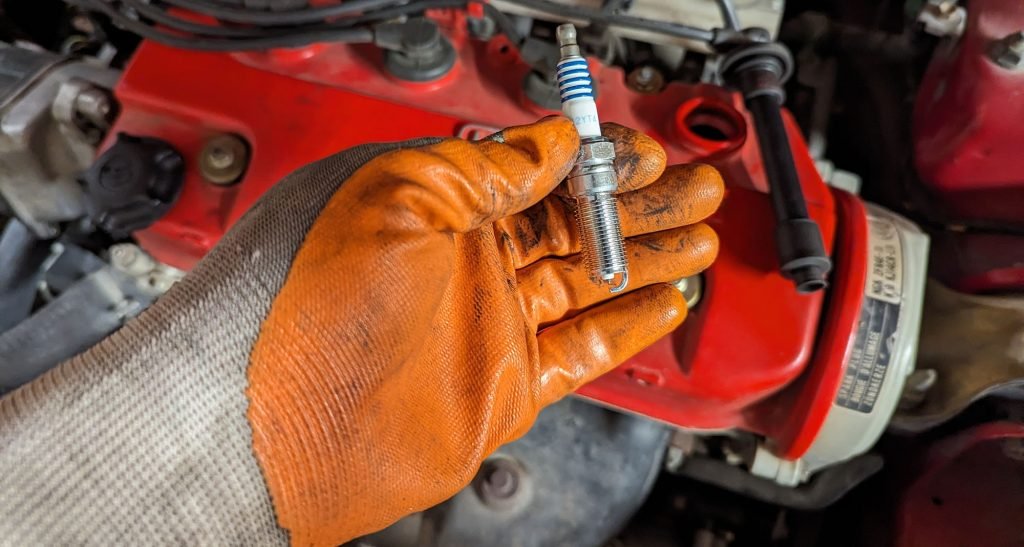
Have you ever wondered what keeps your car’s engine running smoothly? The answer lies in a tiny but mighty component: the spark plug.
These small devices play a crucial role in powering your vehicle, yet they often remain unnoticed until something goes wrong. Understanding what spark plugs are and how they work can save you time, money, and frustration down the road. Imagine having the knowledge to prevent car troubles before they start, or feeling confident when discussing car maintenance with your mechanic.
Curious to learn more? Stick around, because what you discover about spark plugs could transform the way you think about car care.
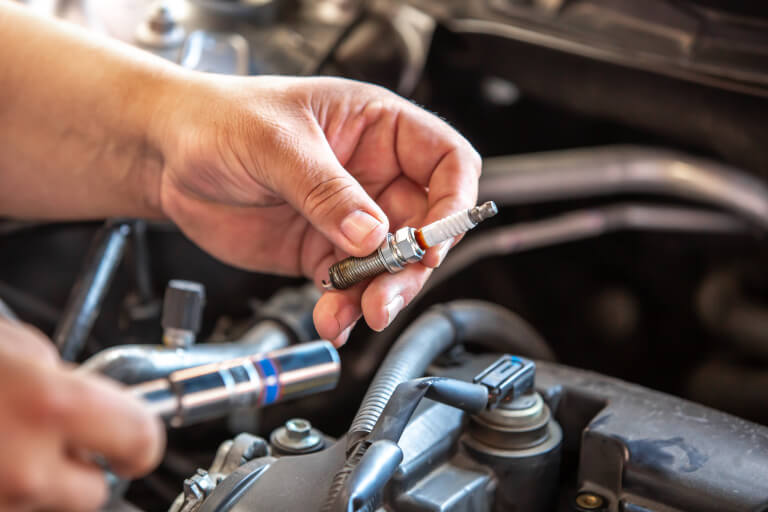
Credit: www.blackcircles.com
Role Of Spark Plugs
The role of spark plugs in your car’s engine is crucial yet often overlooked. They serve as the tiny ignition source that kickstarts the entire combustion process. Without spark plugs functioning properly, your engine simply won’t run efficiently, or in some cases, won’t run at all.
How Spark Plugs Ignite Fuel
Spark plugs generate a high-voltage electrical spark inside the engine’s combustion chamber. This spark ignites the air-fuel mixture, causing a controlled explosion that powers the engine.
Think of the spark plug as the match that lights a campfire. Without that initial spark, the fuel remains unburned and the engine won’t produce power.
Each spark plug fires thousands of times per minute, ensuring smooth and continuous engine operation. Have you ever noticed how a misfiring engine feels rough or shaky? That’s often due to a faulty spark plug failing to ignite fuel consistently.
Impact On Engine Performance
Worn or dirty spark plugs can lower your engine’s performance significantly. They cause poor fuel combustion, which means less power and lower fuel efficiency.
Replacing spark plugs can improve acceleration, reduce engine knocking, and even lower emissions. If your car hesitates when you press the gas or consumes more fuel than usual, checking the spark plugs should be one of your first steps.
Remember, keeping your spark plugs in good shape saves you money on fuel and repairs. It’s a simple maintenance task with a big impact on how your car drives every day.
Types Of Spark Plugs
Understanding the different types of spark plugs can help you choose the right one for your car. Each type has its own strengths and weaknesses, affecting your engine’s performance and lifespan. Knowing these differences can save you money and improve your driving experience.
Copper Spark Plugs
Copper spark plugs are the most basic and affordable option. They provide excellent conductivity but wear out faster than other types. If your car is older or you drive in normal conditions, copper plugs might be a practical choice.
However, copper plugs require more frequent replacement, usually every 20,000 to 30,000 miles. If you want a quick fix without spending much, they work well. But ask yourself: Are you ready for the maintenance they demand?
Platinum Spark Plugs
Platinum spark plugs last longer than copper ones because of their durable metal tips. They offer better performance and fuel efficiency, making them popular for newer vehicles. You can expect them to last around 60,000 miles.
Many drivers notice smoother starts and improved mileage with platinum plugs. They cost more upfront but often save money in the long run by reducing replacements. Have you considered how a small upgrade in spark plugs could boost your car’s efficiency?
Iridium Spark Plugs
Iridium spark plugs are the top-tier option, known for their strength and longevity. Iridium is a very hard metal, which means these plugs can last over 100,000 miles. They provide consistent sparks even under tough conditions.
If you want reliability and peak engine performance, iridium plugs are worth the investment. They help with better throttle response and lower emissions. Do you want your car to run smoother and cleaner with minimal hassle?
Signs Of Worn Spark Plugs
Worn spark plugs can quietly affect your car’s performance before you even realize there’s a problem. Recognizing the signs early can save you from costly repairs and keep your engine running smoothly. Here are some key indicators that your spark plugs might need attention.
Engine Misfires
One of the most obvious signs of worn spark plugs is engine misfires. Your car might jerk or hesitate when you accelerate, or the engine may run unevenly. Have you ever felt your car stumble during a drive? That could be your spark plugs struggling to ignite the fuel properly.
Poor Fuel Economy
If you notice your fuel gauge dropping faster than usual, worn spark plugs could be the cause. Damaged plugs don’t ignite fuel efficiently, which means your engine uses more gas to maintain power. Imagine paying more at the pump every week without knowing why—checking your spark plugs might fix that.
Difficulty Starting
When your engine has trouble starting, don’t immediately blame the battery or starter. Worn spark plugs can make it harder for your engine to catch fire, especially in cold weather. If your car takes longer to start or needs multiple tries, your spark plugs may be sending you a warning.
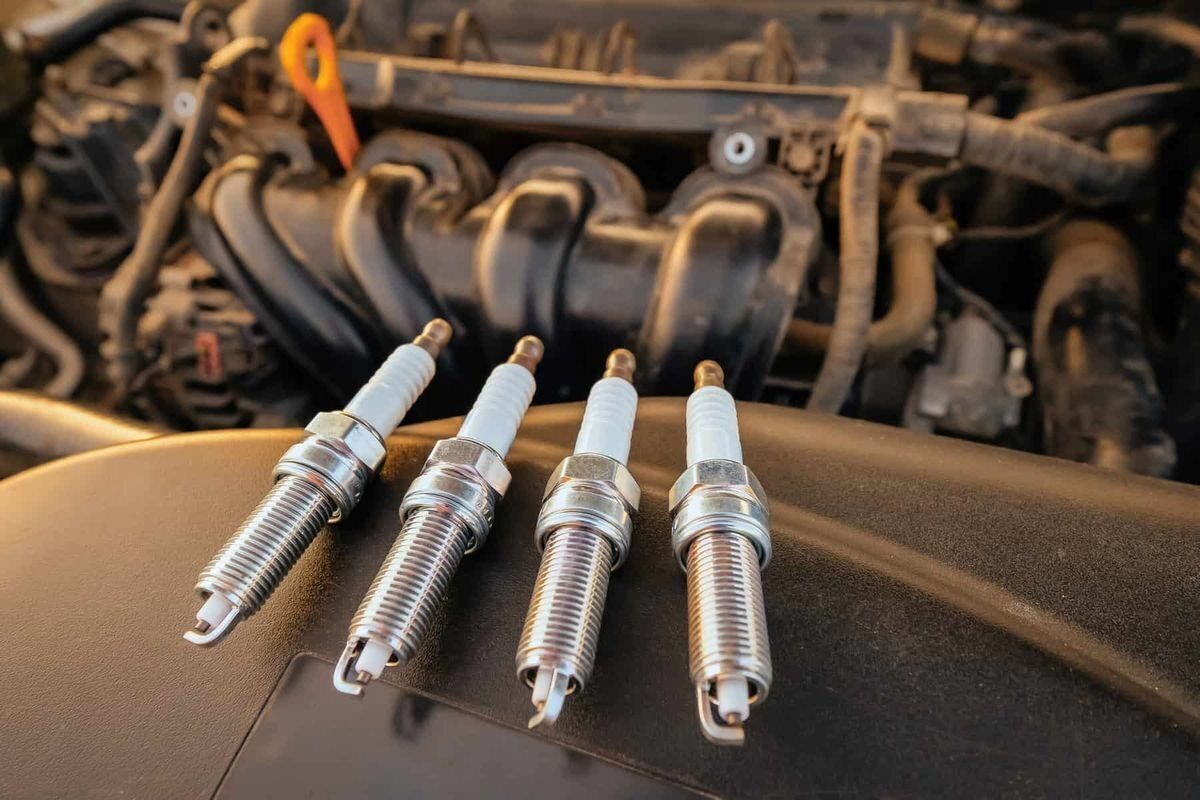
Credit: www.westsideauto.com.au
Choosing The Right Spark Plug
Choosing the right spark plug is key to keeping your car running smoothly. It’s not just about picking any plug off the shelf; the spark plug must fit your engine’s needs perfectly. Getting this right can improve fuel efficiency, power, and even extend your engine’s life.
Matching Plug To Engine Type
Every engine has unique requirements for spark plugs. Your car’s manual usually lists the recommended plug type, but understanding why matters. For example, high-performance engines often need plugs made from materials like iridium or platinum because they handle heat better and last longer.
Standard engines might do well with copper plugs, which are affordable and offer good conductivity. But if you have a turbocharged or high-compression engine, choosing a plug designed for intense conditions can prevent misfires and damage.
Ask yourself: does your engine operate under extreme conditions? If yes, selecting a plug built for that environment is crucial.
Heat Range Considerations
Heat range is a spark plug’s ability to dissipate heat from the combustion chamber. Using the wrong heat range can cause engine knocking or fouling. A plug that’s too hot might cause pre-ignition, while one that’s too cold won’t burn off deposits properly.
Manufacturers rate heat ranges differently, so it’s essential to know what suits your engine. For example, if you drive mostly in stop-and-go traffic, a colder plug might prevent overheating. On the other hand, long highway drives often require a hotter plug to stay clean.
Think about your driving habits and environment—this helps you pick the heat range that keeps your engine balanced and efficient.
Installing And Maintaining Spark Plugs
Installing and maintaining spark plugs ensures your car runs smoothly. Proper care helps avoid engine misfires and poor fuel efficiency. Spark plugs need correct installation and regular checks to keep performance high.
Proper Installation Techniques
Always start with the right spark plug type for your engine. Check the gap between the electrodes with a gauge. Adjust the gap carefully to match the manufacturer’s specs.
Use a spark plug socket to install the plug gently. Tighten it by hand first to avoid cross-threading. Then use a torque wrench to secure it to the correct tightness. Over-tightening can damage the threads or the plug itself.
Reattach the spark plug wire or ignition coil firmly. Make sure the connection is secure to prevent misfires. Repeat the process for each spark plug in the engine.
Cleaning And Inspection Tips
Remove spark plugs carefully to inspect them for wear or damage. Check for signs of carbon buildup, oil fouling, or cracks in the ceramic. Clean dirty spark plugs with a wire brush or specialized cleaner.
Avoid using harsh abrasives that can damage the electrodes. If the plug is severely worn or damaged, replace it. Regular inspection helps catch problems before they affect engine performance.
Keep spark plug threads clean and free of debris. Use anti-seize compound lightly on the threads if recommended. This prevents seizing and makes future removal easier.

Credit: www.chase.com
Spark Plugs And Performance Boost
Spark plugs play a key role in a car’s performance. They create the spark that ignites the fuel-air mix inside the engine. This ignition powers the engine and keeps the car running smoothly. Good spark plugs help the engine work better, leading to noticeable performance benefits.
Performance boost from spark plugs affects many areas of driving. From acceleration to fuel use, spark plugs impact engine efficiency. Understanding these effects helps drivers maintain their cars properly and enjoy a smoother ride.
Enhancing Acceleration
Spark plugs help the engine start each combustion cycle quickly. Faster ignition means quicker power delivery to the wheels. This results in better acceleration and response when pressing the gas pedal.
Worn or dirty spark plugs cause misfires, slowing down the engine’s response. New or high-quality spark plugs improve combustion consistency. That makes the car feel more powerful and lively on the road.
Improving Fuel Efficiency
Efficient spark plugs burn fuel more completely. This means the engine uses less fuel for the same power output. Clean sparks reduce wasted fuel and lower emissions.
Replacing old plugs regularly helps maintain good fuel economy. Drivers can save money on gas while reducing their car’s environmental impact. Proper spark plug care supports both wallet and planet.
Frequently Asked Questions
What Is The Primary Function Of Spark Plugs In Cars?
Spark plugs ignite the air-fuel mixture inside engine cylinders. This ignition powers the engine and starts the car. They ensure efficient combustion and smooth engine performance.
How Often Should Spark Plugs Be Replaced?
Spark plugs typically last 30,000 to 100,000 miles. Replacement depends on the type and driving conditions. Regular checks help maintain engine efficiency and prevent misfires.
What Are Common Signs Of Faulty Spark Plugs?
Faulty spark plugs cause engine misfires, rough idling, and poor fuel economy. You might also notice difficulty starting the car or reduced acceleration.
Can Bad Spark Plugs Affect Car Fuel Efficiency?
Yes, worn spark plugs cause incomplete combustion. This reduces fuel efficiency and increases emissions. Replacing them improves engine performance and saves fuel.
Conclusion
Spark plugs play a key role in your car’s engine. They create sparks that start the fuel burning. Without good spark plugs, the engine can run poorly or not start at all. Regular checks and replacements keep your car running smooth and fuel-efficient.
Remember, small parts like spark plugs make a big difference. Taking care of them helps avoid bigger problems later. Now, you know why spark plugs matter and how they work in your car.





