Your car’s dashboard suddenly lights up with the dreaded check engine signal, and you can’t help but wonder, “What’s wrong now?” It’s a moment of uncertainty that every driver dreads.
Among various reasons for this warning, one often-overlooked culprit could be your spark plugs. Yes, those tiny components play a crucial role in your car’s performance. But can bad spark plugs actually trigger that pesky check engine light? You might be surprised at the answer.
Understanding this connection could save you time, money, and a lot of stress. Dive in to discover how something as small as a spark plug can impact your driving experience and what you can do about it.
Credit: www.mccluskeychevrolet.com
Role Of Spark Plugs
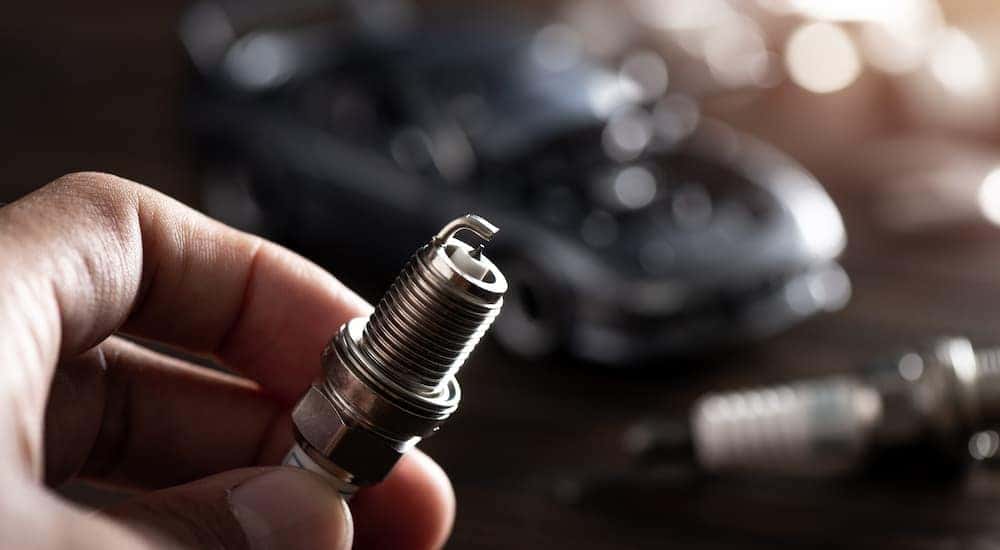
Spark plugs play a vital role in a vehicle’s engine system. They create the spark needed to ignite the air-fuel mixture inside the engine cylinders. This ignition starts the combustion process, which powers the engine. Without properly working spark plugs, the engine cannot run smoothly or efficiently.
Bad spark plugs can cause various engine problems. These problems often trigger the check engine light, signaling an issue. Understanding the role of spark plugs helps explain why they affect the engine’s health and performance.
Spark Plug Function
Spark plugs deliver an electric spark at the right time. This spark ignites the air-fuel mix in the combustion chamber. The ignition causes a small explosion that pushes the piston down. This movement generates the power needed to turn the engine’s crankshaft.
Each cylinder has its own spark plug. Proper timing and strength of the spark are crucial. Weak or no spark leads to incomplete combustion or engine misfires. This wastes fuel and reduces power output.
Impact On Engine Performance
Faulty spark plugs cause rough idling and hesitation during acceleration. The engine may run unevenly or stall. Fuel efficiency drops because combustion is incomplete. Emissions increase due to unburned fuel escaping the exhaust.
The vehicle’s computer detects these issues. It then triggers the check engine light to alert the driver. Ignoring bad spark plugs can lead to more serious engine damage. Regular inspection and replacement keep the engine running well.

Credit: www.piloteers.org
Check Engine Light Basics
The check engine light is a small indicator on your car’s dashboard. It signals that the vehicle’s computer has found an issue. Understanding this light helps you respond quickly and avoid bigger problems.
This light does not always mean a major breakdown. Sometimes, it points to simple issues that need attention. Knowing the basics helps you decide what to do next.
What Triggers The Light
The check engine light turns on when the car’s sensors detect a problem. These sensors monitor many systems like the engine, transmission, and emissions.
Common triggers include:
- Engine misfires
- Fuel system problems
- Oxygen sensor failure
- Loose or damaged gas cap
- Issues with the catalytic converter
The vehicle’s computer stores a code for each problem. Mechanics use these codes to diagnose the issue.
Common Warning Causes
Many things can cause the check engine light to glow. Some are easy to fix, while others need professional help.
- Worn spark plugs causing poor engine performance
- Faulty oxygen sensors affecting fuel efficiency
- Dirty air filters reducing airflow
- Malfunctioning catalytic converters
- Loose or missing gas caps causing fuel vapors to leak
Bad spark plugs often cause engine misfires. This triggers the check engine light to come on. Regular maintenance prevents this issue.
Bad Spark Plugs And Engine Light
Bad spark plugs can trigger the check engine light on your dashboard. This warning signals that something is wrong with the engine’s performance. Spark plugs play a key role in igniting the fuel-air mix in the engine. When they fail, the engine struggles to run smoothly. The check engine light often appears due to misfires caused by bad spark plugs.
How Spark Plug Issues Affect The System
Spark plugs create sparks to ignite fuel in the engine cylinders. Worn or damaged plugs can cause weak or no sparks. This leads to incomplete fuel burning and engine misfires. The engine control unit detects these misfires and turns on the check engine light. Poor ignition affects fuel efficiency and engine power. Continuous misfires may damage the catalytic converter. The engine runs rough and may stall.
Symptoms Of Faulty Spark Plugs
- Engine misfires or rough idling
- Reduced fuel efficiency
- Hard starts or failure to start
- Loss of power during acceleration
- Increased exhaust emissions
- Check engine light on
Recognizing these signs helps prevent serious engine damage. Replacing spark plugs on time restores smooth engine function. Always check spark plugs if the engine light appears.
Diagnosing Spark Plug Problems
Diagnosing spark plug problems is key to understanding car engine issues. Faulty spark plugs can trigger the check engine light. Detecting these problems early helps avoid bigger engine damage. Checking spark plugs involves certain tools and clear signs to know when to replace them.
Tools And Techniques
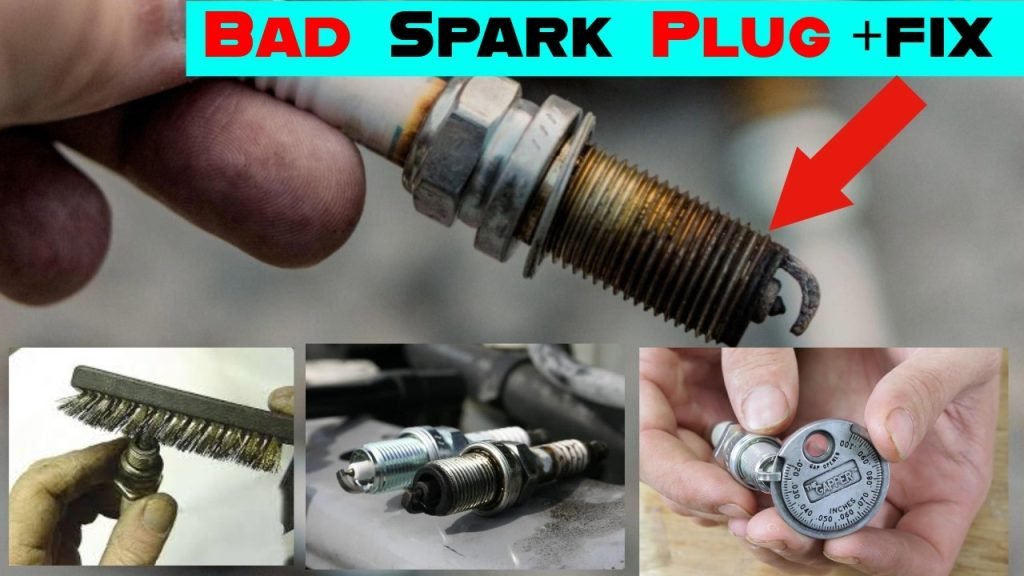
Use an OBD-II scanner to read error codes from your car’s computer. Codes related to misfires often link to spark plug issues. A spark plug socket and ratchet help remove plugs safely. A gap gauge measures the space between plug electrodes. Visual inspection reveals worn or dirty plugs. Look for black soot, cracks, or corrosion.
- OBD-II scanner for error codes
- Spark plug socket and ratchet
- Gap gauge to check electrode spacing
- Flashlight for clear inspection
When To Replace Spark Plugs
Replace spark plugs if the engine misfires or runs rough. Check engine light often signals spark plug failure. Follow your car manual for replacement intervals, usually every 30,000 to 100,000 miles. Signs include poor fuel economy and hard starting. Worn plugs produce weak sparks, causing engine hesitation. Change plugs sooner if they show visible damage or heavy deposits.
Preventing Spark Plug Failures
Preventing spark plug failures helps avoid engine problems and keeps your car running smoothly. Good spark plugs improve fuel efficiency and reduce emissions. Regular care extends their life and prevents the check engine light from turning on.
Maintenance Tips
Check spark plugs regularly for wear or damage. Clean them if they look dirty or fouled. Replace spark plugs according to the vehicle’s recommended schedule. Use a spark plug gap tool to ensure the correct gap. Tighten plugs to the proper torque to avoid engine damage.
- Inspect plugs every 30,000 miles or as advised
- Look for cracks, corrosion, or heavy deposits
- Use anti-seize compound on threads for easy removal
- Replace worn plugs immediately to prevent misfires
Choosing The Right Spark Plugs
Select spark plugs designed for your car’s make and model. Consider the heat range; it affects engine performance and plug life. Use high-quality plugs from trusted brands. Avoid cheap, generic plugs that may fail quickly. Consult your vehicle manual or a mechanic for guidance.
- Match plug type: copper, platinum, or iridium
- Check plug heat rating for your engine
- Choose plugs with proper thread size and length
- Buy plugs with good reviews and warranty

Credit: www.fcmuffler.com
Frequently Asked Questions
Can Bad Spark Plugs Trigger The Check Engine Light?
Yes, faulty spark plugs can cause the check engine light to turn on. They affect engine performance and fuel efficiency, leading to error codes.
How Do Bad Spark Plugs Affect Engine Performance?
Bad spark plugs cause misfires, rough idling, and poor acceleration. This leads to reduced power and increased emissions, triggering warning lights.
Can Spark Plug Issues Cause Misfire Codes?
Yes, worn or damaged spark plugs often trigger misfire codes like P0300. These codes indicate combustion problems needing spark plug inspection.
How Often Should Spark Plugs Be Replaced?
Most spark plugs need replacement every 30,000 to 100,000 miles, depending on type. Timely replacement prevents engine issues and check engine light activation.
Conclusion
Bad spark plugs can trigger the check engine light. They affect engine performance and fuel efficiency. Replacing worn spark plugs helps avoid engine problems. Regular vehicle checks keep your car running smoothly. Don’t ignore the check engine light warning. It signals your car needs attention soon.
Simple maintenance saves money and prevents bigger issues. Keep your engine healthy with timely spark plug care. Your car will thank you with better power and fewer troubles.





