Have you ever wondered how long spark plugs actually last in your vehicle? You’re not alone.
Spark plugs are small yet vital components that keep your engine running smoothly. However, their lifespan can vary greatly, leaving many drivers unsure of when to replace them. Knowing the right time to check and change your spark plugs can save you from unexpected breakdowns and costly repairs down the road.
We’ll uncover the secrets behind spark plug longevity and provide you with practical tips to ensure your engine stays in peak condition. Get ready to gain peace of mind and keep your vehicle purring like a kitten.

Credit: www.toyotanation.com
Spark Plug Lifespan
Understanding the lifespan of spark plugs is essential for maintaining your vehicle’s performance and fuel efficiency. Spark plugs play a vital role in igniting the fuel-air mixture in the engine, so knowing when to replace them can save you from unexpected breakdowns and costly repairs.
Typical Durability
Spark plugs usually last between 20,000 and 100,000 miles, depending on the type and quality. Standard copper spark plugs tend to wear out faster, often needing replacement around 20,000 to 30,000 miles. On the other hand, platinum and iridium plugs can last much longer, sometimes up to 100,000 miles.
Have you ever noticed a drop in your car’s fuel efficiency or rough idling? It could be a sign that your spark plugs are nearing the end of their life. Keeping track of your vehicle’s mileage and spark plug type helps you decide the right time for a change.
Factors Affecting Longevity
Several factors can influence how long your spark plugs last. Driving habits, engine condition, and environmental conditions all play a role. For example, frequent short trips or stop-and-go traffic can cause spark plugs to wear out faster.
Fuel quality also matters. Low-grade fuel may leave deposits on spark plugs, reducing their efficiency. Additionally, if your engine runs too hot or too cold, it can shorten spark plug life.
- Driving style (aggressive acceleration vs. smooth driving)
- Engine tuning and maintenance
- Exposure to dirt and moisture
- Type of spark plug used (copper, platinum, iridium)
Think about how you use your car daily. Does your routine or environment cause extra strain on the spark plugs? Recognizing these factors can help you plan maintenance better and avoid unexpected engine problems.
Credit: www.moderntiredealer.com
Types Of Spark Plugs
Choosing the right type of spark plug can make a big difference in how long it lasts and how well your engine runs. Each type has unique qualities that affect durability, performance, and cost. Understanding these differences helps you pick a spark plug that matches your vehicle’s needs and your driving habits.
Copper Spark Plugs
Copper spark plugs are known for their excellent conductivity, which helps deliver a strong spark to ignite the fuel-air mixture. However, they wear out faster than other types, usually lasting around 20,000 to 30,000 miles. If you drive an older car or have a tight budget, copper plugs might work well for you, but be ready for more frequent replacements.
Platinum Spark Plugs
Platinum spark plugs have a thin platinum disc welded to the electrode, which makes them more durable than copper plugs. They typically last between 60,000 and 100,000 miles, providing a good balance between price and longevity. If you want fewer trips to the mechanic and smoother engine performance, platinum plugs are a solid choice.
Iridium Spark Plugs
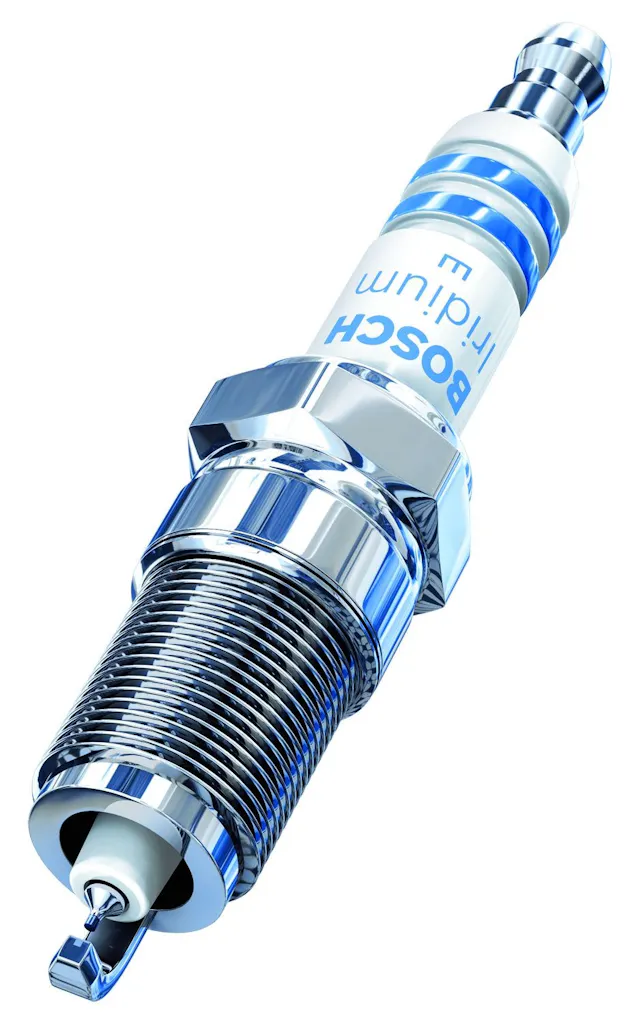
Iridium spark plugs use a very hard metal that withstands high temperatures and wear better than copper or platinum. They can last up to 120,000 miles or more, making them ideal for drivers who want long-lasting performance. Although they cost more upfront, their durability often saves money in the long run by reducing maintenance needs.
Signs Of Worn Spark Plugs
Recognizing the signs of worn spark plugs can save you from unexpected car troubles and costly repairs. Spark plugs play a crucial role in your engine’s performance. When they start to fail, your vehicle will send you clear signals that something isn’t right.
Engine Misfires
One of the most noticeable signs of worn spark plugs is engine misfires. Your engine might feel like it’s stumbling or hesitating when you accelerate. This happens because old spark plugs fail to ignite the fuel-air mixture efficiently.
If your car jerks or you hear popping sounds, don’t ignore it. These symptoms can lead to further engine damage if left unchecked. Have you ever experienced your car suddenly losing power on the road? That’s often a misfire warning.
Poor Fuel Economy
Worn spark plugs can cause your engine to burn fuel less efficiently. You might notice your fuel gauge dropping faster than usual. This means you’re spending more money on gas without getting the expected mileage.
Pay attention if your car’s fuel economy suddenly worsens. It’s a practical indicator that your spark plugs may need a check or replacement. How often do you track your fuel consumption? Keeping an eye on it can alert you to hidden engine issues.
Difficulty Starting
When spark plugs wear out, starting your car can become a struggle. You may experience slow cranking or the engine may fail to start on the first try. This happens because the spark plugs aren’t creating a strong enough spark to ignite the fuel.
If you find yourself turning the key multiple times before the engine fires up, it’s time to inspect those plugs. Have you noticed longer starting times during cold mornings? That’s a common clue pointing to worn spark plugs needing attention.
Maintaining Spark Plug Health
Maintaining the health of your spark plugs is key to keeping your engine running smoothly and efficiently. Neglecting them can lead to poor fuel economy, rough idling, and even engine misfires. Paying attention to a few simple practices can extend their lifespan and save you from costly repairs down the road.
Regular Inspection
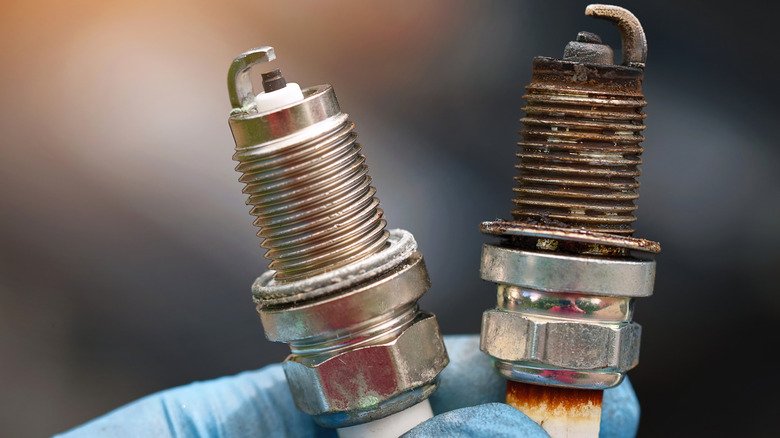
Checking your spark plugs regularly helps catch wear and tear before it becomes a problem. Look for signs like carbon buildup, worn electrodes, or cracked insulators. If your engine feels sluggish or you notice decreased fuel efficiency, it might be time for an inspection.
It’s easy to do during routine oil changes or tire rotations. Just remove the spark plugs and examine their condition. This small step can prevent unexpected breakdowns and keep your engine firing on all cylinders.
Proper Installation
Installing spark plugs correctly is just as important as choosing the right ones. Using the right torque ensures they’re snug but not overly tight, which can damage the threads or cause poor contact. Cross-threading or loose plugs can lead to misfires and engine damage.
Have you ever tried to install a spark plug and struggled with the threading? Taking your time and using a torque wrench can make all the difference. Proper installation means your spark plugs will perform their best and last longer.
Using Quality Fuel
The type of fuel you use impacts spark plug health more than you might think. Low-quality or contaminated fuel can leave deposits on spark plugs, causing them to foul faster. This buildup reduces spark efficiency and can cause engine knocking.
Choosing cleaner, higher-octane fuel can help keep your spark plugs cleaner and functioning well. Next time you fill up, consider how the fuel quality might be affecting your engine’s performance and spark plug longevity.
When To Replace Spark Plugs
Spark plugs play a crucial role in your vehicle’s engine. They ignite the air-fuel mixture for smooth combustion. Knowing when to replace spark plugs ensures your car runs efficiently. Worn spark plugs can cause poor fuel economy and engine misfires. Watch for signs and follow guidelines to keep your engine healthy.
Mileage Guidelines
Spark plugs have a typical lifespan measured in miles. Most standard plugs last between 30,000 and 50,000 miles. Platinum or iridium plugs can last up to 100,000 miles. Check your vehicle manual for specific mileage intervals. Replacing plugs on schedule helps avoid engine problems and costly repairs.
Performance Indicators
Listen for rough idling or engine misfires. Notice if your car struggles to start or lacks power. Poor fuel efficiency can also signal worn spark plugs. You might feel vibrations or hear knocking sounds. These signs mean spark plugs need attention and likely replacement.
Manufacturer Recommendations
Car makers provide clear guidelines for spark plug care. Follow the recommended service schedule in your owner’s manual. Use the type of spark plug specified by the manufacturer. Ignoring these instructions may void warranties and reduce engine life. Regular checks and timely replacements keep your vehicle reliable.

Credit: www.reddit.com
Cost And Replacement Tips
Knowing the cost and replacement tips for spark plugs can save you both time and money. Spark plugs don’t need frequent changing, but when they do, the right approach matters. Understanding your options helps you decide whether to tackle the job yourself or hire a pro, and how to pick the best spark plugs for your engine.
Diy Vs Professional Replacement
Replacing spark plugs yourself can cut costs significantly. Basic tools like a socket wrench and a spark plug gapper are usually enough for most cars.
However, some engines have spark plugs in hard-to-reach places. If you’ve ever struggled with tight spaces under your hood, you know this can quickly become frustrating.
Professionals bring experience and speed, reducing the risk of damaging delicate parts. Plus, they can spot other issues during the service.
Ask yourself: Do you have the right tools and patience to replace spark plugs without causing damage? If not, investing in professional service might be worth it.
Choosing The Right Spark Plugs
Your car manufacturer recommends specific spark plug types—stick to those. Using the wrong spark plugs can lead to poor performance or even engine damage.
Options include copper, platinum, and iridium plugs. Copper plugs are cheaper but wear out faster. Iridium plugs last longer and improve fuel efficiency but cost more upfront.
Think about your driving habits. If you drive daily in stop-and-go traffic, long-lasting iridium plugs might save you money in the long run.
Also, check the spark plug gap carefully. Even a small difference affects ignition and fuel consumption.
Frequently Asked Questions
How Often Should Spark Plugs Be Replaced?
Spark plugs generally last between 30,000 to 100,000 miles. Replacement frequency depends on the spark plug type and vehicle model. Regular inspections help maintain engine performance and fuel efficiency. Always follow your vehicle manufacturer’s recommendations for replacement intervals.
What Factors Affect Spark Plug Lifespan?
Spark plug lifespan depends on driving habits, engine condition, and spark plug quality. Frequent short trips and harsh driving can wear plugs faster. Proper maintenance and using high-quality spark plugs can extend their life significantly.
How To Tell If Spark Plugs Need Replacement?
Signs include engine misfires, rough idling, poor fuel economy, and difficulty starting. Visual inspection may show worn or fouled electrodes. If you notice these symptoms, have your spark plugs checked promptly to avoid engine damage.
Can Bad Spark Plugs Cause Engine Problems?
Yes, bad spark plugs can cause misfires, reduced power, and increased emissions. They affect ignition timing and combustion efficiency. Replacing faulty spark plugs can restore engine performance and improve fuel economy.
Conclusion
Spark plugs usually last between 30,000 and 100,000 miles. Their life depends on the type and driving habits. Regular checks help keep your engine running well. Worn spark plugs can cause poor performance and more fuel use. Changing them on time saves money and trouble.
Remember, good spark plugs mean smooth starts and better mileage. Keep an eye on them for a healthy car. Simple care goes a long way.





