
Ever popped the hood of your car and wondered where exactly those spark plugs are hiding? You’re not alone.
Knowing where spark plugs are located is crucial for anyone looking to maintain or troubleshoot their vehicle. These tiny components play a massive role in keeping your engine running smoothly. But locating them can feel like finding a needle in a haystack, especially if you’re not familiar with the ins and outs of your engine.
Stick around, because you’ll discover exactly where to find these vital parts in your car. By the end, you’ll feel more confident when it comes to your vehicle’s health, and maybe even save yourself a trip to the mechanic. Keep reading to unlock the mystery under your hood.
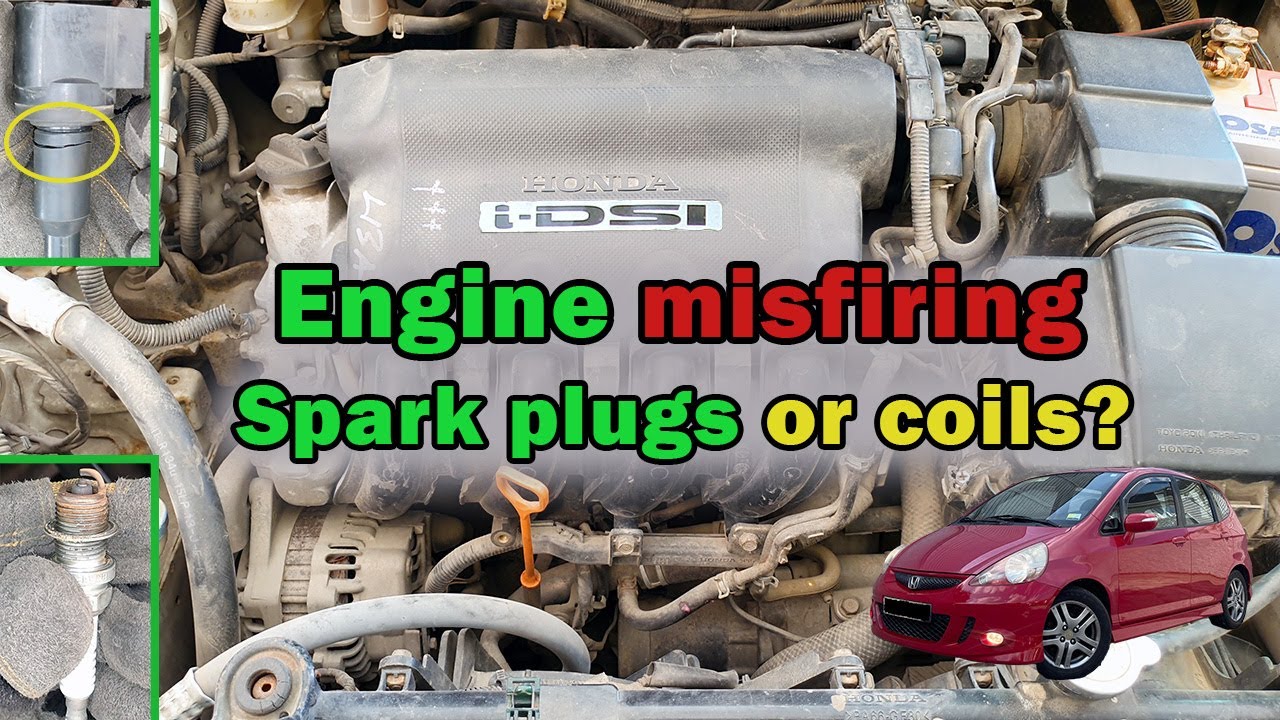
Credit: www.youtube.com
Spark Plug Basics
Spark plugs are small but mighty components in your vehicle’s engine. They deliver the spark needed to ignite the air-fuel mixture inside the cylinders. Without them, your engine simply won’t run.
Understanding the basics of spark plugs helps you spot issues early and keep your engine performing smoothly. Let’s look at their role and the different types available.
Role In Engine Performance
Spark plugs create a tiny explosion that powers your engine. This ignition starts the combustion process, turning fuel into energy.
If a spark plug is dirty or worn out, your engine may misfire, lose power, or use more fuel. Have you ever noticed your car hesitating or feeling sluggish? Faulty spark plugs could be why.
Regularly checking and replacing spark plugs can improve fuel efficiency and reduce emissions. They play a direct role in your car’s reliability and smooth running.
Types Of Spark Plugs
Not all spark plugs are the same. They come in various materials and designs suited for different engines and driving conditions.
- Copper Spark Plugs:Affordable and reliable for older cars, but they wear out faster.
- Platinum Spark Plugs:Last longer than copper and handle higher temperatures.
- Iridium Spark Plugs:Known for durability and better performance, ideal for modern engines.
- Double Platinum and Double Iridium:Designed for engines with waste spark systems, providing enhanced longevity.
Choosing the right type affects your engine’s efficiency and lifespan. Have you checked which spark plugs your car needs? Using the wrong kind could lead to costly repairs down the road.
Locating Spark Plugs In Different Engines
Finding the spark plugs in your engine can feel like a treasure hunt, especially if you’re not sure where to look. Different engines have their spark plugs in various spots, depending on the design and size. Knowing exactly where to find them saves you time and prevents frustration when you need to inspect or replace these critical parts.
Common Car Engines
In most cars, spark plugs are located on the top or side of the engine block. You’ll often see them attached to thick ignition wires or coil packs. On inline engines, they line up along the cylinder head, while in V-shaped engines, they sit on both sides of the engine.
Look for rubber boots or coil-on-plug assemblies that cover the spark plugs. These are easy to spot once you open the hood. If your car has a plastic engine cover, removing it might be necessary to get a clear view.
Motorcycle Engines
Motorcycle engines usually have their spark plugs on the cylinder head, but their location varies based on the bike’s make and model. On single-cylinder bikes, the spark plug is often right on top of the cylinder, making it easy to reach. Multi-cylinder motorcycles may have plugs on either side of the engine.
Because motorcycles have less space, spark plugs can be tucked away under fairings or near exhaust pipes. If you’re unsure, check your owner’s manual or look for spark plug wires leading to the engine’s top section.
Small Engines And Lawn Equipment
Small engines, like those in lawn mowers or chainsaws, usually have spark plugs sticking out from the side or top of the engine block. These plugs are often very accessible since these machines are designed for easy maintenance. You might find a single spark plug on these engines, making replacement straightforward.
Sometimes, the spark plug is partially hidden under a shroud or cover for protection. Removing this cover can give you direct access. Have you checked the spark plug on your mower lately? It’s a quick way to troubleshoot starting problems.
Tools Needed To Find Spark Plugs
Finding spark plugs requires some basic tools. These tools help you reach and remove the spark plugs safely. Having the right equipment makes the process quicker and easier. Some tools are common in most toolboxes. Others are designed specifically for spark plugs. Knowing which tools you need will prepare you for the task.
Basic Hand Tools
Start with simple hand tools. A ratchet wrench is essential for loosening spark plugs. You will also need a spark plug socket. This socket fits the spark plug perfectly without damage. An extension bar helps reach deep spark plugs. A screwdriver may be useful to remove any covers or clips. Gloves protect your hands from dirt and heat.
- Ratchet wrench
- Spark plug socket
- Extension bar
- Screwdriver
- Gloves
Specialized Equipment
Some vehicles need special tools to find spark plugs. A spark plug gap tool checks the gap size on the plug. A torque wrench ensures the spark plug is tightened correctly. A flashlight or inspection mirror helps see hard-to-reach areas. These tools improve accuracy and safety. They are worth having for a smooth job.
- Spark plug gap tool
- Torque wrench
- Flashlight
- Inspection mirror
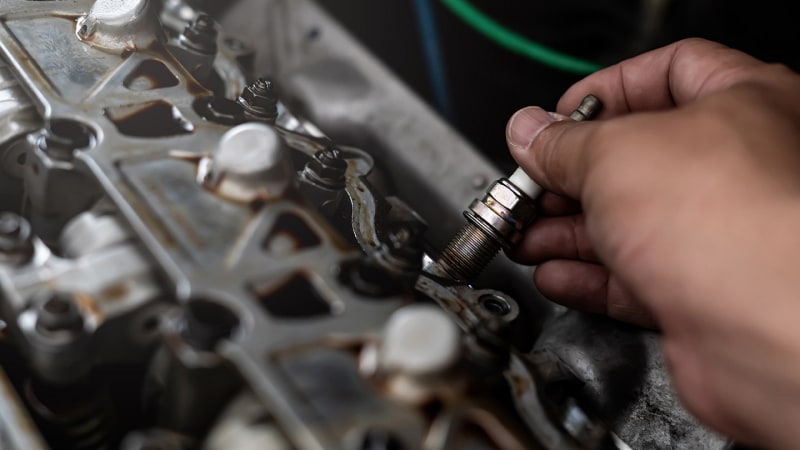
Credit: www.chase.com
Steps To Locate Spark Plugs Quickly
Locating spark plugs quickly can save you time and frustration, especially if you’re working on your car for the first time. Knowing exactly where to look and how to prepare the area will make the process smoother. Let’s break down the practical steps that help you find spark plugs without the usual hassle.
Preparing The Engine Area
Start by opening your car’s hood and giving the engine a quick visual inspection. Remove any plastic covers or engine shrouds that might be blocking your view. This simple step often reveals the spark plug locations right away.
Make sure the engine is cool to avoid burns. Use a flashlight to brighten dark corners—spark plugs are often tucked away in shadowy spots. Clearing away dirt or debris around the engine can also prevent it from falling into the spark plug wells once you start working.
Identifying Spark Plug Wires
Spark plug wires are usually thick, insulated cables running from the ignition coil to the spark plugs. Look for wires that end in rubber boots—these boots connect directly to each spark plug. Following these wires is often the easiest way to pinpoint the spark plug location.
In modern cars, you might see coil-on-plug systems without visible wires. Instead, look for small, box-like ignition coils sitting on top of the spark plugs. Knowing your engine type helps here—are you dealing with a wire system or coil packs?
Accessing Hard-to-reach Spark Plugs
Some spark plugs are buried deep beneath other engine components like the intake manifold or valve cover. Don’t rush—removing these parts carefully is key to avoid damage. Keep track of screws and bolts in a container to avoid losing them.
Using a flexible spark plug socket or an extension bar can help reach plugs in tight spaces. If you find it tricky, consider checking your vehicle’s manual or online guides specific to your car model. Have you ever struggled with a stubborn spark plug? Sometimes a little patience and the right tools make all the difference.
Tips For Safe Handling
Handling spark plugs safely is key to maintaining engine health and performance. Improper care can cause damage to the engine or the spark plugs themselves. Use the right tools and techniques to protect your vehicle and avoid costly repairs. Simple precautions make the process smoother and safer for everyone.
Avoiding Engine Damage
Never force spark plugs into place. Cross-threading can damage the engine’s cylinder head. Always start threading spark plugs by hand. This ensures they fit properly and reduce risks of stripping threads. Use a torque wrench to tighten spark plugs to the manufacturer’s specifications. Over-tightening can crack the plug or engine parts. Under-tightening may cause poor engine performance or leaks.
Handling Spark Plugs Properly
- Wear gloves to protect your hands and avoid contaminating the plug.
- Keep spark plugs clean and dry before installation.
- Use a spark plug socket with a rubber insert for a secure grip.
- Do not drop spark plugs; impacts can damage the electrode.
- Inspect spark plugs for cracks or wear before reinstalling.
- Store spark plugs in a safe place to prevent dirt and damage.
Common Issues With Spark Plug Location
Finding spark plugs can be tricky due to their location in the engine. Some issues make it hard to access or spot them quickly. Knowing common problems helps prepare for repairs and maintenance.
Obstructions And Covers
Many engines have plastic or metal covers hiding spark plugs. These protect parts but block direct view. Removing covers takes time and tools. Wiring and other engine parts may also block access. This makes spark plug checks harder and slower. Care is needed not to damage wires or connectors.
Engine Design Variations
Different cars have different engine layouts. Some have spark plugs deep inside the engine block. Others place them on the cylinder head’s top or side. Variations depend on engine size and type. Some use coil-on-plug systems, removing spark plug wires completely. These designs affect how easy it is to find and change spark plugs.

Credit: www.galsonauto.com
Frequently Asked Questions
Where Exactly Are Spark Plugs Located In A Car Engine?
Spark plugs are usually located on the cylinder head of the engine. They screw into the engine’s combustion chamber. You can find them by following the ignition wires or coils attached to the engine block.
How Can I Find Spark Plugs In Different Engine Types?
In inline engines, spark plugs are aligned on one side of the cylinder head. In V-type engines, they are on both sides of the engine block. Always consult your vehicle manual for the exact spark plug location for your engine type.
Are Spark Plugs Easy To Access For Replacement?
Most spark plugs are accessible by removing the engine cover or ignition coil. Accessibility depends on your car’s make and model. Some vehicles may require special tools or partial disassembly for spark plug replacement.
Do Spark Plug Locations Affect Engine Performance?
Yes, correct spark plug placement is crucial for optimal engine firing. Misplaced or faulty plugs can cause misfires, reduced power, and poor fuel efficiency. Proper location ensures efficient combustion and smooth engine operation.
Conclusion
Spark plugs sit inside the engine’s cylinder head. They connect to the ignition system. Their job is to ignite the fuel-air mix. This helps the engine start and run. Finding them is easy with a little knowledge. Checking spark plugs can keep your car healthy.
Remember to handle them with care. Knowing their location helps with simple car tasks. Keep your engine running smooth and strong. Spark plugs play a small but vital role. Understanding their place saves time and effort.





