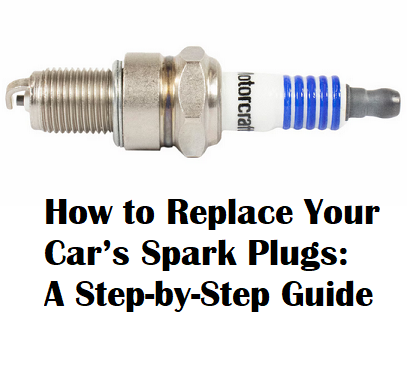
Changing spark plugs might seem like a daunting task, but what if you discovered it’s easier than you think? Imagine the satisfaction of rolling up your sleeves and saving money by doing it yourself.
You might be wondering if you have the skills or the tools for the job. Spoiler alert: you probably do! We’ll break down the process into simple steps that even a beginner can follow. Plus, we’ll uncover the common mistakes to avoid, so you can tackle this task with confidence.
Ready to dive in and see if you can change your spark plugs yourself? Let’s get started!
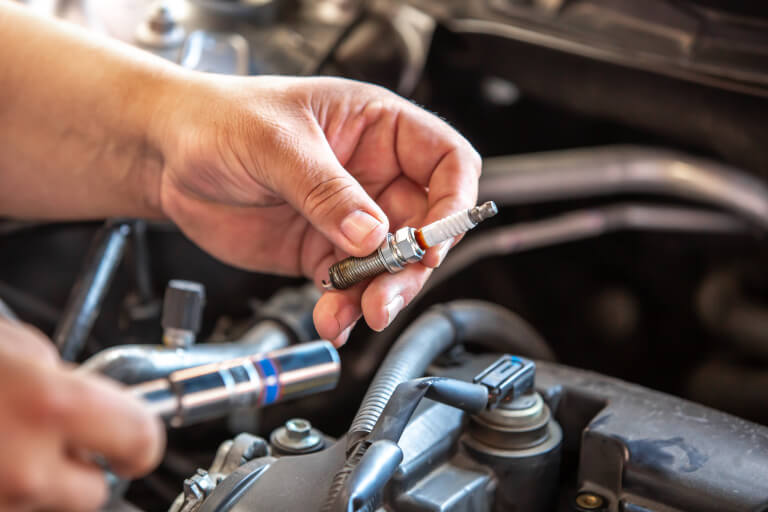
Credit: www.blackcircles.com
Signs You Need New Spark Plugs
Spark plugs play a key role in your car’s engine. They ignite the air-fuel mixture for the engine to run smoothly. Over time, spark plugs wear out and cause problems. Knowing the signs helps you decide when to replace them. This saves money and avoids bigger engine issues.
Common Symptoms
- Engine misfires or runs rough.
- Hard starts or slow engine cranking.
- Reduced fuel efficiency and higher gas costs.
- Loss of power during acceleration.
- Engine warning light is on.
- Unusual engine noises or vibrations.
When To Replace
Most spark plugs last between 30,000 and 100,000 miles. Check your vehicle’s manual for specific intervals. Replace spark plugs if you notice symptoms early. Also, replace them during major tune-ups for best performance.
Regular inspections help catch worn spark plugs. Clean or damaged spark plugs need replacement. Avoid waiting too long to prevent engine damage.
Tools And Materials Required
Changing spark plugs yourself requires some basic tools and materials. Having the right items makes the job easier and safer. Preparation helps avoid mistakes and saves time.
Essential Tools
Start with a good spark plug socket. It fits snugly around the plug for easy removal. A ratchet wrench is necessary to turn the socket. Extension bars help reach deep plugs in some engines.
Use a gap gauge to check the spark plug gap. A torque wrench ensures the new plugs are tightened correctly. Keep a pair of pliers or a wire brush for cleaning the spark plug area.
- Spark plug socket
- Ratchet wrench
- Extension bar
- Gap gauge
- Torque wrench
- Pliers or wire brush
Choosing The Right Spark Plugs
Select spark plugs that match your vehicle’s make and model. Check the owner’s manual or manufacturer’s website for specifications. Consider the plug type, heat range, and thread size.
Iridium and platinum plugs last longer but cost more. Copper plugs are cheaper but wear out faster. Buy plugs from trusted brands to ensure quality and performance.
Preparing Your Vehicle
Preparing your vehicle before changing spark plugs is key for a smooth process. Taking a few moments to get ready can save time and avoid mistakes. Proper preparation helps ensure safety and efficiency while working on your car.
Safety Precautions
Start by parking your car on a flat surface. Engage the parking brake and switch off the engine. Let the engine cool down completely to avoid burns. Wear gloves and safety glasses to protect your hands and eyes. Disconnect the negative battery cable to prevent electrical shocks. Keep a fire extinguisher nearby just in case. Remove any loose clothing or jewelry that could get caught.
Locating Spark Plugs
Open the car’s hood and find the engine. Look for spark plug wires or ignition coils on top of the engine. They usually connect to the spark plugs. Check your car’s manual for exact locations. Spark plugs are often arranged in a line or in pairs. Clean the area around spark plugs with a brush to avoid dirt falling inside. Use a flashlight to see clearly in tight spaces. Identifying the spark plugs helps you avoid confusion during removal.
Removing Old Spark Plugs
Removing old spark plugs is a crucial part of maintaining your vehicle’s engine performance. It might seem tricky at first, but with the right approach, you can handle it confidently. Understanding the correct way to disconnect wires and use tools will save you time and prevent damage.
Disconnecting Wires
Before you touch the spark plugs, you need to disconnect the wires carefully. Grip the boot, not the wire itself, to avoid pulling the wire loose or damaging it. If the boots feel stuck, a gentle twist while pulling usually helps them come off smoothly.
Marking the wires or taking a photo before removal can prevent confusion when reconnecting later. Have you ever mixed up wires and noticed your engine running rough afterward? This simple step avoids that hassle.
Using The Spark Plug Socket
A spark plug socket is designed to fit snugly around the plug and protect it during removal. Attach the socket to a ratchet or a breaker bar for better leverage. Turn the plug counterclockwise slowly to loosen it without stripping the threads.
Sometimes, plugs can be tight due to dirt or corrosion. Applying a penetrating lubricant a few minutes before can ease the process. Be patient and avoid forcing it; stripping threads can lead to costly repairs.
Installing New Spark Plugs
Installing new spark plugs might seem straightforward, but doing it right requires attention to detail. Your engine’s performance depends heavily on spark plugs firing correctly. Taking the time to install them properly can save you from costly repairs and improve your car’s efficiency.
Checking Spark Plug Gap
Before you install new spark plugs, check the gap between the electrodes. This gap controls the spark’s size and strength inside the engine. If it’s too wide or too narrow, your engine may misfire or run poorly.
You can measure the gap using a spark plug gap tool, which is easy to find online or at auto parts stores. Compare the measurement with your vehicle’s manual specifications. Adjust the gap carefully by gently bending the electrode if needed—don’t force it or you risk damage.
Proper Installation Techniques
Threading spark plugs by hand is essential to avoid cross-threading the cylinder head. Screw them in slowly and feel for resistance. Once snug, use a torque wrench to tighten each plug to the manufacturer’s recommended torque.
Over-tightening can crack the ceramic insulator or strip the threads, while under-tightening can lead to compression leaks. Applying a small amount of anti-seize compound on the threads can make future removal easier, but check if your plugs already come pre-coated.
Have you ever struggled with a stubborn spark plug? Taking your time and following these steps can turn a frustrating job into a smooth task. Proper installation not only protects your engine but also keeps your car running at its best.

Credit: www.youtube.com
Testing After Replacement
Testing after spark plug replacement is crucial to confirm the job was done right. It ensures your engine runs smoothly and avoids future problems. Proper testing can reveal if the new plugs are working correctly and if the engine responds well.
Starting The Engine
Turn the key and listen closely as the engine starts. It should fire up quickly without hesitation or strange noises. A smooth start means the spark plugs are delivering the right spark. If the engine struggles or stalls, double-check the plugs and connections.
Performance Checks
Drive the vehicle gently to feel how it performs. Notice any misfires, rough idling, or loss of power. Good spark plugs help the engine run evenly and efficiently. Watch the fuel economy; it should improve or stay steady. Pay attention to engine noise—it should be quieter than before.
Common Mistakes To Avoid
Changing your spark plugs yourself can save money and give you a sense of accomplishment. However, certain mistakes can turn a simple task into a frustrating experience or even cause damage. Being aware of these common pitfalls helps you avoid costly errors and ensures your vehicle runs smoothly after the job.
Using The Wrong Spark Plug Type
Not all spark plugs are created equal. Using the wrong type can lead to poor engine performance or damage.
Check your vehicle’s manual to find the exact spark plug specification. If you ignore this, you might face issues like misfires or increased fuel consumption.
Over-tightening Or Under-tightening
Applying too much force when tightening spark plugs can strip the threads in the cylinder head. This is an expensive mistake to fix.
On the other hand, under-tightening can cause poor heat transfer and lead to misfires. Use a torque wrench or follow the recommended torque settings carefully.
Not Cleaning The Spark Plug Hole
Debris or dirt in the spark plug hole can fall into the engine cylinder when you remove the old plug. This can cause engine damage.
Always clean around the spark plug area before you start. I once skipped this step and ended up with dirt inside the cylinder, which took hours to fix.
Neglecting To Check The Gap
Spark plugs come pre-gapped, but the gap can change during shipping or handling. Installing a plug with the wrong gap can affect engine efficiency.
Use a feeler gauge to check and adjust the gap according to your car’s specifications. Don’t assume the gap is always correct.
Touching The Electrode Or Ceramic Insulator
Oils and dirt from your fingers can damage the electrode or insulator, leading to misfires.
Handle spark plugs by the metal shell only. Wearing clean gloves or using a cloth can prevent contamination.
Ignoring Wear On Spark Plug Wires Or Coils
Replacing spark plugs without checking the wires or ignition coils can leave you with ongoing engine problems.
Inspect the wires and coils for cracks, corrosion, or wear. You might need to replace them together for optimal performance.
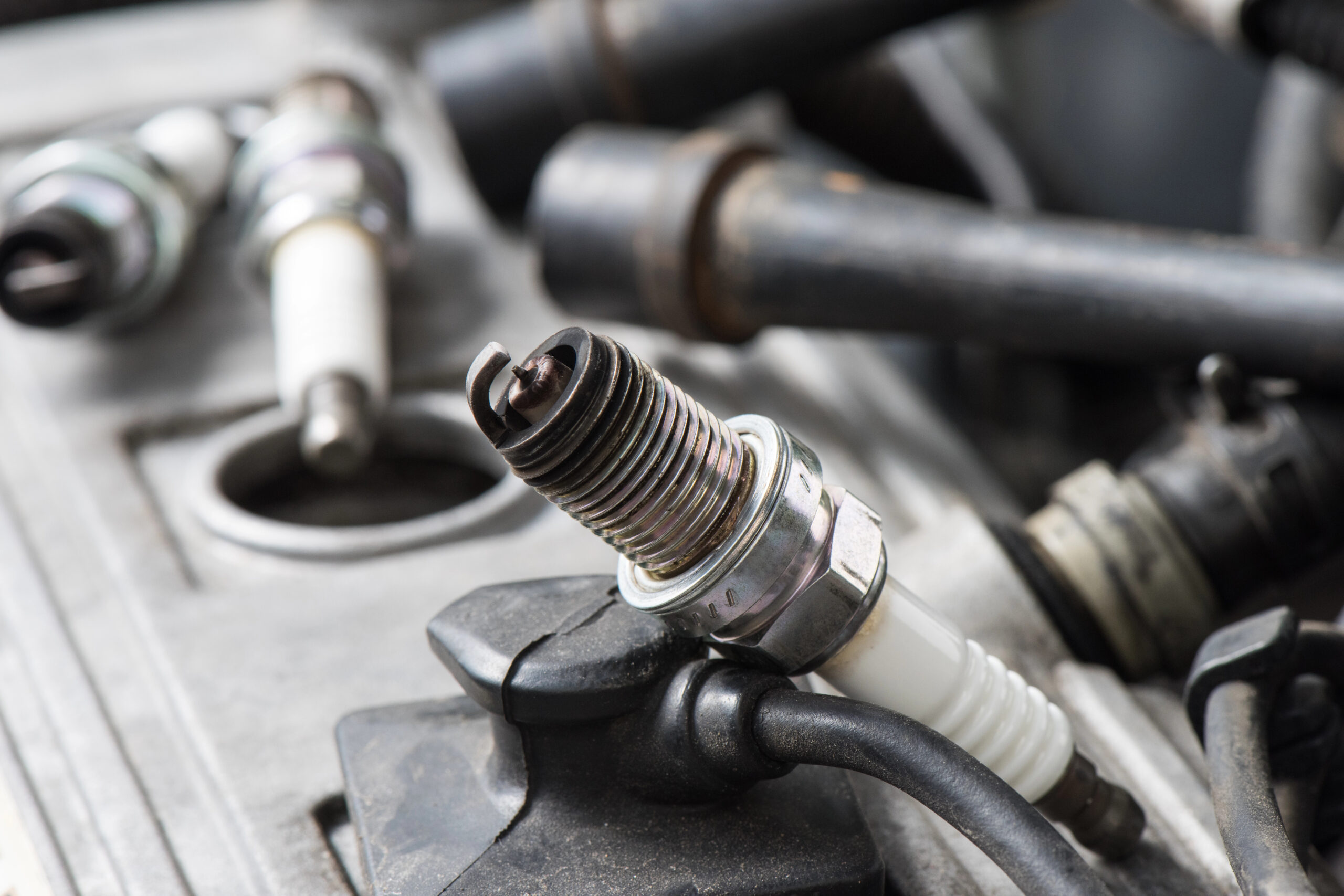
Credit: jerry.ai
Frequently Asked Questions
Can I Change Spark Plugs Myself Safely?
Yes, you can safely change spark plugs yourself with basic tools and precautions. Ensure the engine is cool and use the correct plug type. Follow the vehicle’s manual and replace one plug at a time to avoid wiring mistakes. Proper torque is essential to avoid damage.
What Tools Do I Need To Change Spark Plugs?
You need a spark plug socket, ratchet wrench, gap gauge, and possibly an extension bar. A torque wrench is recommended for precise tightening. Having a dielectric grease and anti-seize compound helps ensure better spark plug performance and easier future removal.
How Often Should Spark Plugs Be Replaced?
Spark plugs should generally be replaced every 30,000 to 100,000 miles, depending on the type and vehicle. Consult your owner’s manual for exact intervals. Regular inspection helps maintain engine efficiency and fuel economy, preventing misfires and rough idling.
What Are Signs My Spark Plugs Need Replacing?
Signs include engine misfires, rough idling, poor acceleration, and reduced fuel efficiency. Difficulty starting the engine or increased exhaust emissions also indicate worn spark plugs. Regular checks can help catch these symptoms early and avoid costly repairs.
Conclusion
Changing spark plugs yourself saves money and builds car knowledge. The task needs basic tools and some patience. Always check your car’s manual before starting. Careful steps help avoid damage and ensure good results. Taking your time makes the job easier and safer.
You can keep your engine running smoothly by doing this simple task. Why not give it a try and learn something new today?





