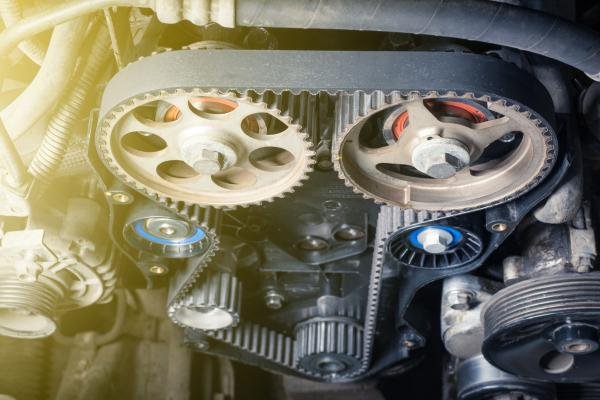
Have you ever wondered about the mysterious timing belt hidden within your car’s engine? This crucial component plays a vital role in ensuring your vehicle runs smoothly.
But here’s the catch: neglecting it can lead to costly repairs and unexpected breakdowns. So, how often should you replace your timing belt to keep your car in top shape? By understanding the timing belt’s importance and knowing when to replace it, you can save yourself a lot of headaches and money.
We’ll unravel the mystery behind timing belt replacement and provide you with essential insights to keep your car running like a dream. Stay with us to uncover the secrets to a well-maintained vehicle.
Timing Belt Basics
The timing belt is a small but crucial part of your car’s engine. It keeps everything running smoothly by coordinating the movements inside the engine. Understanding the basics of the timing belt helps you know why regular replacement matters and what could happen if you ignore it.
Role In Engine Function
The timing belt connects the crankshaft and camshaft, ensuring the engine’s valves open and close at the right time. This synchronization controls the flow of air and fuel and the exhaust gases out of the engine.
If the timing belt slips or breaks, your engine can stop running or suffer severe damage. Imagine driving and suddenly losing power because this small belt failed—it’s not just inconvenient but costly to fix.
Common Types Of Timing Belts
Timing belts are mostly made of rubber with high-tensile fibers for strength. Some common types include:
- Standard rubber belts:Flexible and affordable, used in many everyday cars.
- Neoprene belts:Offer better heat and wear resistance for more demanding conditions.
- Kevlar-reinforced belts:Stronger and longer-lasting, ideal for high-performance engines.
Choosing the right type depends on your vehicle’s make and driving conditions. Have you checked what type your car uses? Knowing this helps you plan the right maintenance schedule.

Credit: bullet-automotive.com
Signs Of Wear
Timing belts wear down over time and cause engine problems. Early signs of wear help avoid costly repairs. Regular checks can spot damage before failure. Knowing these signs keeps your engine safe and running smoothly.
Visual Inspection Tips
Look at the belt for cracks, fraying, or missing teeth. Check for shiny or glazed surfaces that show slipping. Feel the belt for stiffness or brittleness. Oil or coolant contamination can weaken the belt. Inspect the tension; a loose belt may slip or jump. Use a flashlight to see hard-to-reach areas clearly.
Noise And Performance Indicators
Listen for unusual noises like squealing or ticking near the engine. A worn belt can cause misfires or rough idling. Engine overheating may happen due to poor timing. Notice any loss of power or hesitation during acceleration. Strange noises or poor engine response often signal belt wear.
Manufacturer Recommendations
Manufacturer recommendations provide the most reliable guidance on timing belt replacement. Car makers design engines with specific timing belt lifespans in mind. Following these guidelines helps prevent engine damage and costly repairs.
These recommendations appear in the owner’s manual or service booklet. They reflect testing and engineering standards tailored to each engine type. Ignoring them can lead to belt failure and engine problems.
Typical Replacement Intervals
Most manufacturers suggest replacing timing belts between 60,000 and 100,000 miles. Some recommend changing the belt every 5 to 7 years regardless of mileage. This is because rubber belts degrade over time, even if the car is not driven much.
Common intervals include:
- 60,000 miles or 5 years
- 75,000 miles or 6 years
- 100,000 miles or 7 years
Following these intervals ensures the belt stays strong and reliable. It reduces the risk of sudden failure during driving.
Variations By Vehicle Model
Timing belt life varies between car brands and models. High-performance engines might require earlier replacement. Some smaller or economy cars have longer belt intervals.
Examples include:
| Vehicle Model | Recommended Interval |
|---|---|
| Honda Civic | 60,000 miles or 7 years |
| Toyota Camry | 90,000 miles or 6 years |
| Volkswagen Jetta | 80,000 miles or 5 years |
Check your car’s manual for exact timing belt intervals. Following the specific advice for your vehicle protects your engine well.
Factors Influencing Replacement
Timing belt replacement isn’t a one-size-fits-all deal. Several factors play a key role in deciding when you should replace it. Knowing these can save you from unexpected breakdowns and costly repairs.
Driving Conditions
Your daily driving habits impact the wear on your timing belt. If you often drive in stop-and-go traffic, the belt experiences more stress than on smooth highways.
Harsh environments like extreme heat or cold can also degrade the belt faster. Dusty or rough roads add extra strain, making the belt age quicker.
Think about your typical routes—are they easy or challenging for your car? Your timing belt’s health depends heavily on these conditions.
Maintenance Practices
Regular maintenance extends the life of your timing belt. Checking belt tension and condition during routine service helps spot issues early.
Ignoring small signs like squeaks or cracks can lead to sudden failure. Using recommended parts and following the manufacturer’s schedule keeps your engine safe.
Do you keep a maintenance log? Tracking your car’s service history helps you know when to replace the timing belt before problems arise.
Risks Of Delayed Replacement
Delaying the replacement of your timing belt can cause serious problems. This small part controls engine timing, so its failure damages many components. Understanding the risks helps protect your vehicle and wallet.
Engine Damage
The timing belt keeps engine parts moving in sync. If it breaks, valves and pistons collide. This collision leads to bent valves, broken pistons, and severe engine damage.
Repairing engine damage often means a full engine rebuild or replacement. Both are costly and time-consuming. A broken timing belt can leave you stranded on the road too.
Cost Implications
Replacing a timing belt on time costs much less than fixing engine damage. Ignoring the replacement can result in thousands of dollars in repairs.
Labor costs rise if the belt breaks while driving. Emergency towing and repairs add to the total bill.
Regular timing belt replacement is a smart way to avoid big expenses. It keeps your car running smoothly and saves money long-term.

Credit: bullet-automotive.com
Replacement Process
Replacing your timing belt is a critical task that ensures your engine runs smoothly and avoids costly damage. The process demands attention to detail and a clear understanding of your vehicle’s specific requirements. Knowing what the replacement involves can help you decide whether to tackle it yourself or seek professional help.
Diy Vs Professional Service
Taking on the timing belt replacement yourself can save money but requires mechanical skills and patience. If you enjoy working on cars and have a well-equipped garage, this can be a rewarding project. However, mistakes during installation can cause severe engine damage, so you need to be confident in your ability.
Professional mechanics bring experience and specialized tools to the job. They can identify related issues, such as worn tensioners or water pumps, and replace them at the same time. Hiring a pro might cost more upfront, but it often prevents future headaches and ensures the job is done right the first time.
Tools And Parts Needed
Whether you choose DIY or professional service, having the right tools and parts is non-negotiable. Here’s a basic list you’ll need for a DIY replacement:
- New timing belt compatible with your car model
- Timing belt tensioner and idler pulleys
- Socket set and wrenches
- Torque wrench for precise tightening
- Jack and jack stands for safe lifting
- Service manual or repair guide with timing marks
Missing even one of these tools can complicate the process or cause improper installation. Have you checked if your vehicle requires additional parts, like a water pump replacement during this service? Planning ahead can save you multiple trips to the parts store.
Extending Timing Belt Life
Extending the life of your timing belt can save you from costly repairs and unexpected breakdowns. A well-maintained timing belt keeps your engine running smoothly and avoids the risk of severe engine damage. Taking simple, proactive steps can help you get the most out of your timing belt’s lifespan.
Regular Inspections
Checking your timing belt regularly is crucial. Look for signs of wear such as cracks, fraying, or glazing on the belt surface. These early warnings can signal that the belt is nearing the end of its life.
Pay attention to any unusual noises from the engine area, like squealing or ticking sounds. These can indicate tension problems or belt misalignment. Catching these issues early can prevent complete belt failure.
Supporting Component Care
The timing belt doesn’t work alone; it relies on other parts like tensioners, pulleys, and water pumps. If these components fail, they can damage the belt quickly. Replacing or servicing them when needed helps protect your belt and extends its life.
Have you ever noticed your mechanic replacing multiple parts together? That’s because worn tensioners or leaking water pumps can cause premature belt wear. Keeping these parts in good shape reduces stress on the belt and lowers the chance of sudden breakdowns.

Credit: www.theengineeringchoice.com
Frequently Asked Questions
How Often Should You Replace A Timing Belt?
Timing belts generally need replacement every 60,000 to 100,000 miles. Check your vehicle’s manual for exact intervals. Regular replacement prevents engine damage and costly repairs.
What Happens If You Don’t Replace The Timing Belt?
Ignoring timing belt replacement can cause belt failure. This may lead to engine misfires, severe damage, or complete engine failure, resulting in expensive repairs.
Can I Replace The Timing Belt Myself?
Replacing a timing belt is complex and requires special tools. It’s best done by a professional mechanic to ensure proper installation and engine safety.
What Factors Affect Timing Belt Replacement Intervals?
Driving habits, engine type, and environmental conditions influence replacement frequency. Frequent stop-and-go driving or extreme temperatures may require earlier belt changes.
Conclusion
Replacing your timing belt regularly keeps your engine safe. Most cars need a new belt every 60,000 to 100,000 miles. Check your car’s manual for the exact time. Ignoring this can cause serious engine damage and costly repairs. Listen for strange noises or feel rough engine running.
Catching problems early saves money and stress. Stay on top of maintenance to drive worry-free. Simple steps protect your car and keep it running smooth. Don’t wait until it’s too late. Take care of your timing belt today.





