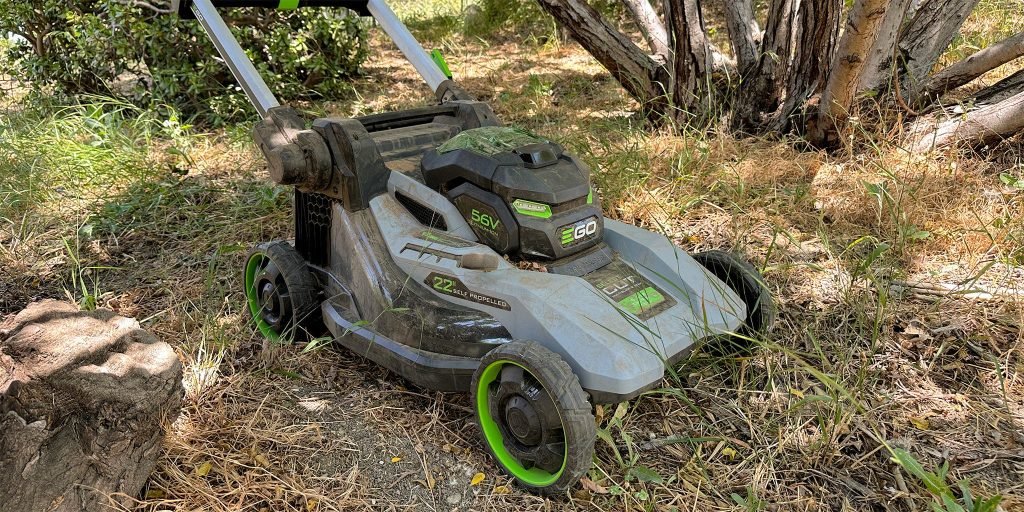
A well-kept lawn starts with the right tool. Lawn mowers are specialized machines designed to cut grass to a consistent height, turning an overgrown patch into a neat, healthy yard. Whether you maintain a tiny city strip or several acres of rolling turf, the mower you choose directly affects how much time, effort, and money you invest in lawn care.
This guide covers every major type of mower, the features that matter most, and how to match a machine to your specific lawn size, terrain, and budget. By the end, you’ll know exactly which model fits your situation — and how to keep it running for years. For more on this, see our guide on best gas lawn mower for large yard.
Understanding Lawn Mower Types
Lawn mowers fall into several categories, each engineered for a different combination of lawn size, slope, and user preference. Picking the right type is the first step toward hassle-free mowing.
Push Reel Mowers
A push reel mower has no motor. A set of spiral blades spins against a stationary bedknife as you push, slicing grass like scissors. These are the lightest, quietest, and most eco-friendly option. They work best on flat, small lawns (under 1,500 sq ft) where the grass is kept short. No fuel, no batteries, and almost no maintenance beyond occasional blade sharpening. The trade-off: they struggle with tall or wet grass and require physical effort on every pass. For more on this, see our guide on best mower small lawn safe operation.
Self-Propelled Gas Mowers
A self-propelled mower uses a gasoline engine to drive the wheels forward, so you only guide the direction. Most models let you adjust the ground speed to match your walking pace. These are the workhorse choice for medium lawns (up to ½ acre) with gentle slopes. Gas engines deliver high torque to cut through thick grass, but they produce exhaust fumes and need regular oil changes, air filter swaps, and spark plug replacements. For larger properties, consider a powerful gasoline model that can handle hours of continuous use.
Electric and Battery-Powered Mowers
Corded electric mowers are limited by the length of your extension cord but offer unlimited runtime and near-zero maintenance. Battery-powered mowers have improved dramatically since 2024 — modern lithium-ion packs now deliver 45–90 minutes of run time on a single charge, and many models use swappable batteries so you can keep going. They are quieter than gas mowers by roughly 15–20 decibels and produce zero tailpipe emissions. The downside: battery mowers are often slightly less powerful than their gas counterparts, and replacement batteries can be expensive. For small to medium yards, they are an excellent choice. For more on this, see our guide on best lawn mower for medium yard.
Riding Mowers and Zero-Turns
Riding mowers are essentially small tractors with a cutting deck underneath. They are designed for lawns over ½ acre, where walking becomes impractical. Standard riding mowers steer like a car and are fine for flat, open spaces. Zero-turn mowers, on the other hand, have independent rear wheels that allow a 360-degree turn on the spot — perfect for navigating around trees and flower beds. If your lawn has many obstacles, a zero-turn model can cut mowing time by 30–40% compared to a traditional rider. For flat properties, specific zero-turn models offer exceptional speed and a clean, even cut.
Robotic Mowers
Robotic mowers are autonomous machines that return to a charging station and mow on a schedule you set via a smartphone app. They work best on relatively flat, open lawns with clear boundaries (defined by a perimeter wire). Advanced models use GPS and optical sensors to avoid obstacles. The main benefit is convenience — you can go weeks without touching a mower. However, they are still expensive, and they struggle with steep slopes or irregularly shaped yards. For more on this, see our guide on best electric lawn mower for small yard.
Key Features to Evaluate Before You Buy
Beyond the type of mower, specific features determine how well the machine performs on your lawn. Focus on these five criteria.
Cutting Width and Adjustable Height
Cutting width is the swath of grass the blade covers in one pass. A 21-inch deck is standard for walk-behind mowers; 42–60 inches is common for riding mowers. Wider decks reduce pass count — for a ½-acre lawn, a 22-inch mower takes about 30–40 passes, while a 30-inch deck cuts that nearly in half. Adjustable cutting height (usually 1–4 inches) lets you respond to grass type and season. Keeping grass at the right height during summer helps it retain moisture and resist weeds. For more on this, see our guide on best way to advertise lawn care.
Engine or Motor Power
Gas mowers are rated by engine displacement (e.g., 140cc–190cc). For walk-behinds, 140–160cc is sufficient for flat lawns; 170cc+ is better for thick grass or slopes. Electric mowers are rated by voltage (36V–80V) and amp-hours (Ah). Higher voltage generally means more torque. Brushless motors are now standard on quality battery mowers — they deliver more power, run cooler, and last longer than brushed motors.
Maneuverability and Traction
A mower’s weight, wheel design, and drive system determine how easily it turns and climbs. Rear-wheel drive provides better traction on hills; front-wheel drive is lighter and turns more tightly on flat ground. Self-propelled models with variable speed control let you slow down for thick patches and speed up on straight runs. For steep terrain, look for models with large rear wheels (10–12 inches) and a differential lock.
Grass Management (Bag, Mulch, Side Discharge)
Most mowers offer three options: bagging collects clippings in a rear hopper (keeps the lawn clean but requires emptying); mulching chops clippings into fine pieces and returns them to the lawn (adds nitrogen to the soil); side discharge simply ejects clippings onto the grass (fast but can leave clumps). A mower with a dedicated mulching blade and a high-lift fan produces better results. If you prefer clean lawns, a bagger with a large-capacity (2–3 bushels) saves frequent trips to the compost pile.
Noise Level and Emissions
Gas mowers typically operate at 90–95 decibels — loud enough to require hearing protection for extended use. Electric mowers run at 65–80 decibels, comparable to a normal conversation. Emissions from a single gas mower can equal the volatile organic compound output of several cars per hour. If you’re environmentally conscious or have close neighbors, a battery-powered model with zero emissions is the quieter, cleaner choice.
Choosing the Right Mower for Your Specific Lawn
No universal “best” mower exists — the right one depends on your yard’s size, shape, slope, and your own comfort level. Use the guidelines below to narrow down your options.
Small Lawns (Under ¼ Acre)
For a small, flat lawn, a manual reel mower or a 20-inch cordless electric mower is ideal. Both are lightweight, easy to store, and require minimal upkeep. A push reel mower gives you a workout and costs under $150. A battery mower with a 40V–56V battery is quiet and starts instantly. Since maneuverability matters in tight spaces, choose compact models that are easy to handle and store.
Medium Lawns (¼ to ½ Acre)
This is the sweet spot for a self-propelled gas mower or a larger battery mower (60V–80V with a 21-inch deck). You’ll appreciate the self-drive feature on slopes and the extra power for occasional thick spots. Look for models with a 2-in-1 or 3-in-1 system (bag, mulch, discharge). A cutting height adjustment lever that operates without tools saves time. Consider a mower with a rear bagger that holds at least 1.5 bushels.
Large Lawns (Over ½ Acre)
Anything above half an acre calls for a riding mower or a zero-turn. A standard riding mower with a 42–46-inch deck handles open lawns efficiently. For properties with many trees, flower beds, or winding paths, a zero-turn mower saves significant time. If you have a large, flat yard, a zero-turn designed for flat terrain will give you the fastest, most precise cut. For very large acreage (2+ acres), a rear-engine riding mower offers comfortable mowing without the bulk of a full tractor.
Hilly or Uneven Terrain
Slopes require extra caution. Self-propelled walk-behind mowers with rear-wheel drive and high-traction tires provide better grip. For riding mowers, look for models with a low center of gravity and a wide wheelbase. Some zero-turn mowers offer a “steering wheel” option that provides better control on hills. Never mow across a steep slope — always mow up and down. If your terrain is extremely uneven, a commercial-grade mower with reinforced frame and larger tires may be necessary.
Budget and Long-Term Value
Entry-level push mowers start around $100, while a quality zero-turn can exceed $5,000. Your budget should account for both the purchase price and the total cost of ownership. Gas mowers require oil, filters, spark plugs, and fuel stabilizer — roughly $30–$60 per season. Battery mowers have no consumables beyond occasional blade sharpening, but battery replacement ($100–$300) after 3–5 years is a real cost. A well-built mower from a reputable brand often lasts 8–12 years, making the upfront investment worthwhile. The cheapest option often costs more in repairs and replacement down the line.
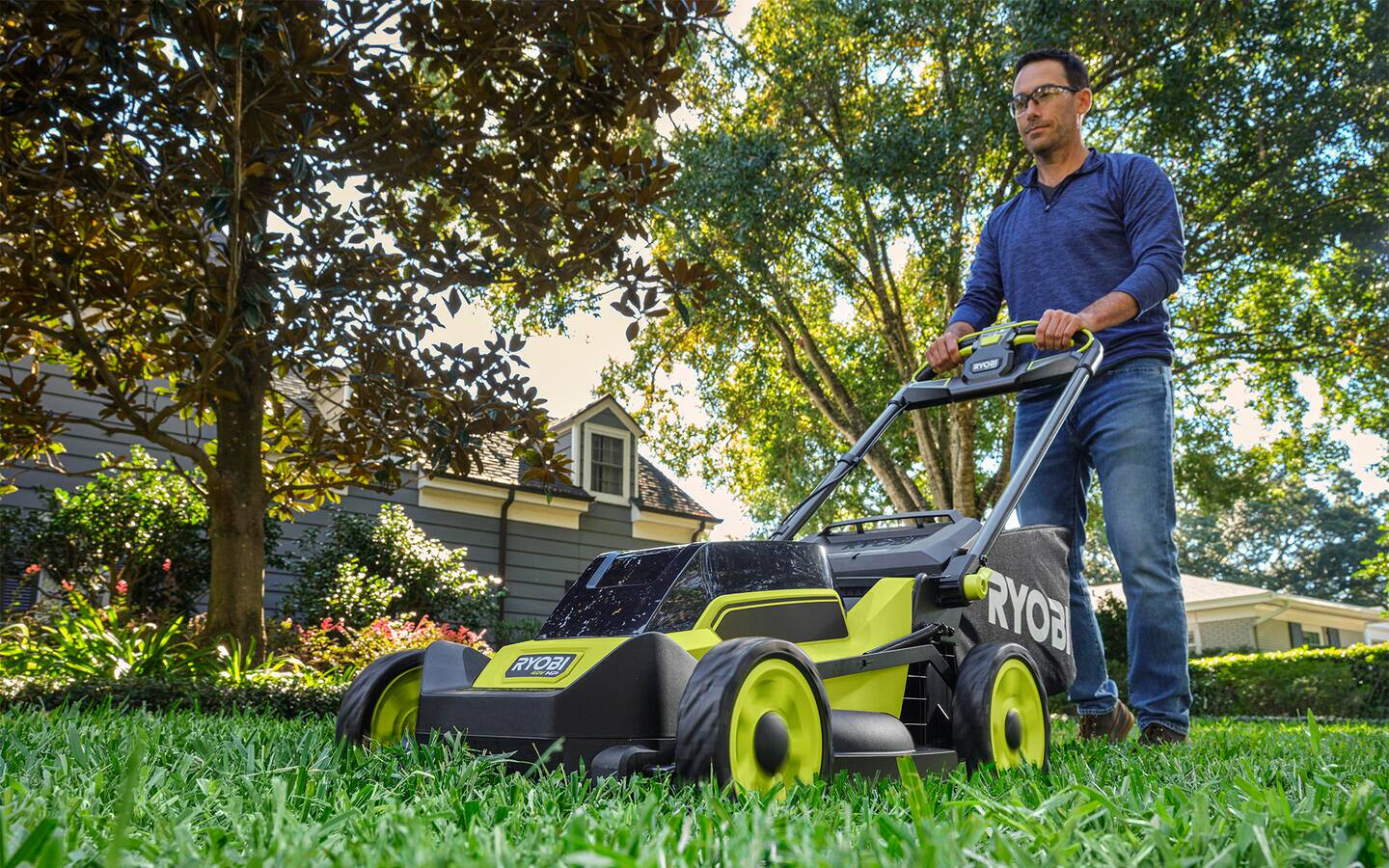 Image source: www.homedepot.com — A typical self-propelled mower in action, ideal for medium-sized lawns.
Essential Maintenance for Longevity
A mower that receives regular care cuts cleaner, starts easier, and lasts years longer. Focus on these four areas.
Blade Care and Sharpening
A dull blade tears grass, leaving ragged edges that turn brown and invite disease. Sharpen your blade after every 25 hours of mowing or at the start of each season. You can use a file, angle grinder, or a professional sharpening service. Always disconnect the spark plug or remove the battery before handling the blade. Replace the blade if it’s bent or has deep nicks. A sharp blade produces a clean, straight cut that heal quickly.
Engine and Motor Upkeep
For gas mowers: check the oil level every five hours of use. Change the oil once per season (or every 50 hours). Replace the air filter annually or sooner if you mow in dusty conditions. Use fresh, stabilized gasoline and drain it before winter storage. For electric mowers: keep the charging contacts clean and store batteries at 40–60% charge in a cool, dry place. Brushless motors require no maintenance beyond clearing debris from the cooling vents.
Cleaning and Winter Storage
After each mow, remove grass clippings from the deck and undercarriage. Dried clumps trap moisture and cause rust. Use a scraper or a hose — many modern mowers have a washout port that connects to a garden hose. Cleaning the underside of the deck prevents buildup that throws the blade off balance. Before winter, give the mower a thorough clean, change the oil, and either drain the fuel tank or add stabilizer. Store in a dry shed or garage off the ground to avoid dampness.
Common Troubleshooting
- Engine cranks but won’t start. Check fuel level, spark plug connection, and air filter. A clogged carburetor is common after storage.
- Mower cuts unevenly. Clean the deck, sharpen or replace the blade, and check tire pressure (uneven inflation causes scalping).
- Excessive vibration. A bent or unbalanced blade is the usual cause — inspect and replace if needed.
- Battery mower slows down or stops. The battery may be too hot or depleted. Allow it to cool before recharging. Check for grass wrapping around the motor shaft.
Safety First When Mowing
Every year, thousands of lawn mower-related injuries occur — most are preventable by following a few simple rules.
Pre-Mow Inspection and Gear
Walk your lawn and pick up rocks, sticks, toys, and pet waste. Clear debris that could become projectiles. Fill any holes or rabbit burrows to prevent tripping. Wear sturdy closed-toe shoes, long pants, safety glasses, and hearing protection (especially with gas mowers). Never operate a mower barefoot or in sandals.
Safe Operation Practices
- Only start the mower outdoors, never in an enclosed garage (carbon monoxide is deadly).
- Keep hands and feet away from the blade opening — even when the engine is off, blades can spin from momentum.
- Never leave a running mower unattended.
- Mow in daylight or with adequate artificial light.
- If the mower hits a foreign object, turn it off immediately and inspect for damage.
- On slopes, mow across the hill with a walk-behind mower (side-to-side) and up and down with a riding mower (to prevent tipping).
- Disable the mower before clearing a clogged discharge chute — use a stick, never your hands.
 Image source: www.cnet.com — Proper protective gear and safe mowing posture reduce injury risks.
Latest Innovations in Lawn Mowers (2026 Update)
The lawn mower industry has shifted rapidly. Most new models launched since 2024 include at least one of these features.
Smart Mowers with App Control
High-end robotic mowers now use LiDAR and machine learning to map your yard and avoid obstacles without a perimeter wire. App-connected walk-behind mowers let you monitor battery level, track mowing patterns, and receive maintenance reminders. Some models even adjust cutting height automatically based on grass growth rate.
Eco-Friendly Electric Advances
Battery mowers have crossed the threshold where a 60V–80V unit can match the power of a 150cc gas engine. Many municipalities now offer rebates for trading in gas mowers, and several states have enacted stricter small-engine emissions standards. For property owners looking to reduce their carbon footprint, modern battery-powered models are a viable alternative.
Improved Battery Technology
Lithium-ion cells now deliver up to 120 minutes of run time on a single charge in top-tier mowers. Fast-charging stations can refill a battery to 80% in under an hour. Swappable battery ecosystems let you share one battery between a mower, trimmer, and blower. The typical battery warranty has also lengthened to three years, reflecting increased reliability.
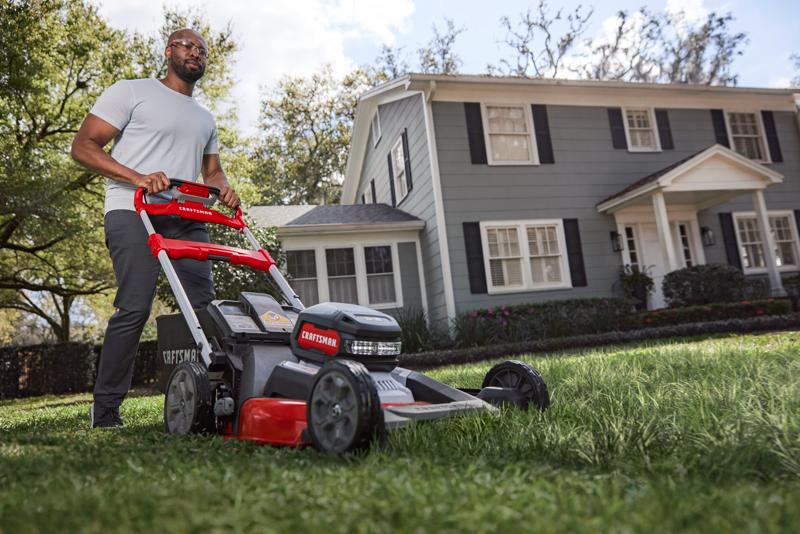 Image source: www.craftsman.com — A 2026 battery-electric mower with extended runtime and quiet operation.
Frequently Asked Questions
What is a lawn mower used for? A lawn mower cuts grass to a uniform height, keeping your yard neat and promoting healthy growth. Regular mowing encourages grass to spread and thicken, reducing weeds.
How do different types of lawn mowers work? Reel mowers use rotating blades that scissor against a bedknife. Gas and electric mowers use a spinning horizontal blade beneath a deck — the engine or motor spins the blade at high speed to slice the grass.
Which lawn mower is best for a small yard? A push reel mower or a cordless electric mower with a 16–20-inch deck works best. They are lightweight, quiet, and easy to store. For very small plots, consider a manual reel model.
How often should I mow my lawn? During active growth (spring and fall), mow once a week. In summer heat, allow grass to grow slightly taller and mow every 10–14 days. A proper mowing schedule for spring helps the lawn transition out of dormancy evenly.
Do I need to change the oil in an electric mower? No — electric mowers have no engine oil. They require no oil changes, fuel, or spark plug maintenance. The only regular tasks are blade sharpening and battery care.
Conclusion
The right lawn mower turns a chore into a satisfying job done well. Start by assessing your lawn’s size, slope, and obstacles, then match those needs to the mower type and features that fit your budget. Gas mowers still dominate for raw power and long run times, but battery mowers have closed the gap and offer a cleaner, quieter experience. Regular maintenance — especially blade sharpening and cleaning — will keep your mower performing like new for years.
Whether you choose a simple reel mower for a tiny plot or a zero-turn beast for acres of grass, the investment pays off in the health and appearance of your lawn. Now you have the knowledge to pick the perfect tool and keep it running at its best. Enjoy the fresh-cut smell and the satisfaction of a lawn well mowed.





