When it comes to maintaining your vehicle, every detail counts. One small oversight can lead to bigger headaches down the road.
You’ve probably heard about anti-seize compound and its role in preventing parts from sticking together. But when it comes to spark plugs, should you apply it or not? This decision could impact your engine’s performance and longevity. Imagine this: you’re tightening a spark plug, confident that everything is in order.
Fast forward a few months, and you need to remove it for a routine check. Suddenly, it’s stuck, causing you unnecessary stress and expense. Could this have been avoided with a simple application of anti-seize? This article will help you uncover the truth behind this question, guiding you through the pros and cons. By the end, you’ll know exactly what steps to take to keep your car running smoothly without unexpected surprises. Keep reading to ensure your engine gets the care it deserves.

Credit: www.kiasoulforums.com
Purpose Of Anti Seize
Understanding the purpose of anti seize is crucial before deciding whether to apply it on your spark plugs. This compound is designed to prevent parts from sticking together due to heat, corrosion, or pressure. Knowing exactly what anti seize does helps you avoid common mistakes that could affect your engine’s performance.
What Anti Seize Does
Anti seize is a lubricant mixed with fine metallic particles like copper, aluminum, or nickel. It creates a thin, protective layer between metal surfaces, stopping them from fusing due to heat and corrosion. This makes disassembly easier, even after long periods under extreme conditions.
Think about a time when you struggled to remove a rusted bolt. That’s exactly what anti seize prevents. It also reduces friction, which can protect threads from damage when tightening parts.
Common Uses In Automotive Work
In automotive work, anti seize is often applied to fasteners exposed to high heat or corrosive environments. You’ll find it on exhaust bolts, brake components, and sometimes on spark plug threads. This helps mechanics remove these parts without damaging the threads or the engine block.
- Exhaust manifold bolts to prevent rust and seizing
- Brake caliper bolts for easier maintenance
- Spark plug threads, especially in aluminum cylinder heads
However, using anti seize on spark plugs isn’t always straightforward. The metallic particles in some anti seize can affect torque readings, leading to over-tightening. Have you ever wondered if this could cause damage rather than prevent it?

Credit: www.carparts.com
Spark Plug Threads And Materials
Spark plug threads and materials play a key role in engine performance. Understanding these aspects helps decide if anti-seize is necessary. Threads differ by size, shape, and pitch. Materials affect how spark plugs interact with the engine’s cylinder head. Both factors influence installation and removal ease.
Types Of Spark Plug Threads
Spark plug threads vary mainly in diameter and pitch. Common sizes include:
- 10mm with a fine pitch
- 12mm with a medium pitch
- 14mm with a coarse pitch
- 18mm used in heavy-duty engines
Thread shape also matters. Most spark plugs use a standard 60-degree thread angle. Thread length varies to fit different engine designs. Using the correct thread size ensures a proper seal and prevents damage.
Material Compatibility Concerns
Spark plugs use various materials such as steel, nickel, and precious metals. The cylinder head is usually aluminum or cast iron. Aluminum heads are softer and more prone to thread damage. Steel threads can seize in aluminum without lubrication.
Anti-seize can help prevent galling and corrosion on aluminum heads. But it may affect torque readings during installation. Some manufacturers advise against anti-seize on certain plated spark plugs. Always check the spark plug and vehicle manual for material compatibility.
Pros Of Using Anti Seize On Spark Plugs
Using anti seize on spark plugs offers clear benefits that can make your maintenance tasks much smoother. It’s not just about making installation easier—it also protects vital engine parts from damage and saves you time down the road. Let’s break down the main advantages you’ll notice when you add anti seize to your spark plugs.
Prevents Thread Galling
Thread galling happens when metal parts stick and tear during tightening, leading to damaged threads on your spark plugs or cylinder head. Applying anti seize creates a thin protective layer that stops metal surfaces from welding together under heat and pressure.
This means your spark plugs won’t get stuck or ruined, which can save you from costly repairs. Have you ever struggled with a spark plug that just wouldn’t budge? Anti seize can prevent that frustration.
Eases Future Removal
Removing spark plugs can be a hassle, especially if they’ve been in place for a long time or exposed to extreme engine heat. Anti seize acts like a lubricant, making it easier to unscrew spark plugs when it’s time for replacement or inspection.
This not only reduces the risk of breaking a plug in the cylinder head but also cuts down the effort and time required. Imagine avoiding a stubborn spark plug that turns your routine maintenance into a major headache.
Cons Of Using Anti Seize On Spark Plugs
Using anti seize on spark plugs may seem helpful but it has drawbacks. Understanding these cons is important before applying it to your engine. The following points explain key concerns about anti seize on spark plugs.
Risk Of Over-tightening
Anti seize reduces friction between the spark plug and the engine. This can make the spark plug feel loose when it is actually tight. Drivers may tighten the spark plug too much, causing damage. Over-tightening can strip the threads or crack the plug. This leads to costly repairs and engine problems.
Potential Impact On Torque Accuracy
Torque specifications for spark plugs assume a dry thread. Anti seize changes the friction level. This affects torque readings and may cause incorrect tightening. Relying on torque specs with anti seize risks either under-tightening or over-tightening. Both situations harm engine performance and spark plug lifespan.
Manufacturer Recommendations
Manufacturer recommendations play a crucial role when deciding whether to apply anti-seize on spark plugs. Each spark plug brand designs its products with specific materials and coatings that react differently to lubricants like anti-seize. Ignoring these guidelines can lead to issues such as over-tightening, thread damage, or even misfires.
When To Follow Manufacturer Guidelines
Always check the owner’s manual or product packaging before adding anti-seize. Some spark plugs come with a special coating that already prevents seizure and corrosion, making anti-seize unnecessary. Applying anti-seize on these plugs can cause inaccurate torque readings, leading you to overtighten or undertighten.
If the manufacturer explicitly states not to use anti-seize, follow that advice to avoid voiding warranties or damaging engine components. On the other hand, if they recommend anti-seize, use the suggested type and amount carefully to ensure smooth installation and future removal.
Examples From Popular Spark Plug Brands
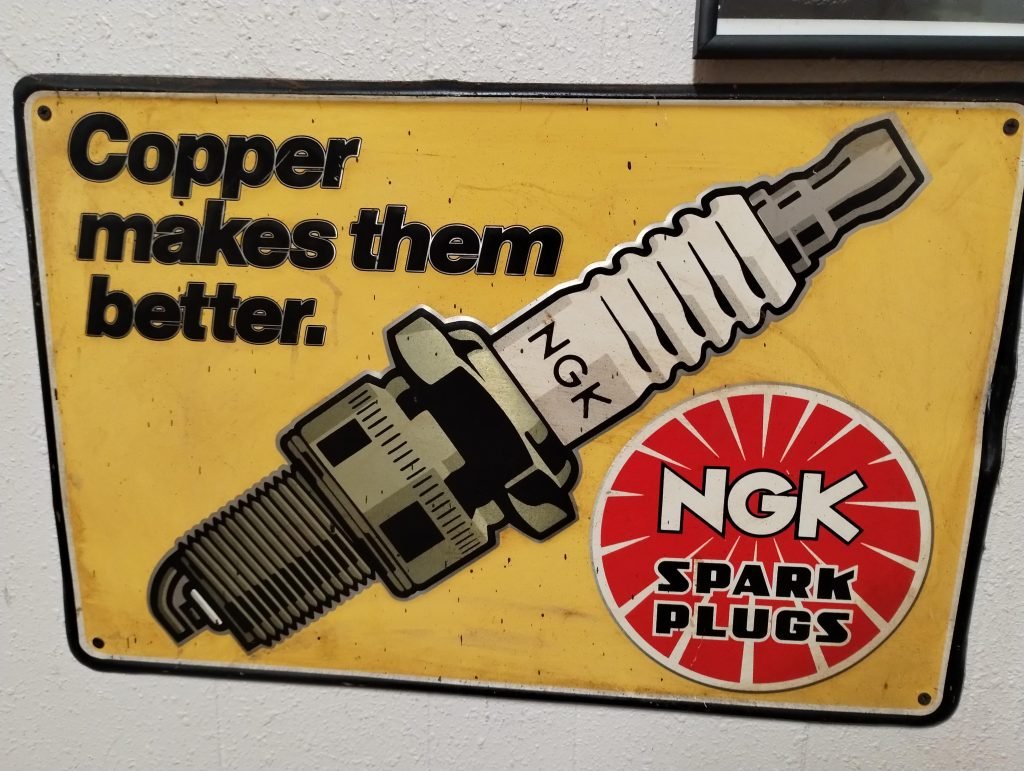
- NGK:Most NGK spark plugs have a special nickel-chrome plating that prevents seizing. NGK advises against using anti-seize to maintain proper torque values.
- Bosch:Bosch spark plugs often require anti-seize, especially those with stainless steel threads. They recommend applying a small amount to ease installation and removal.
- Denso:Denso’s iridium and platinum plugs usually come pre-coated, so they do not require anti-seize. Using it can cause overtightening and damage.
Have you checked your spark plug’s packaging or manual lately? Following these guidelines can save you from costly repairs and frustrating engine problems down the road.

Credit: shoppress.dormanproducts.com
Best Practices For Installation
Installing spark plugs correctly ensures your engine runs smoothly and lasts longer. Proper installation prevents damage to the spark plug and engine parts. Follow these best practices for a safe and effective spark plug installation.
Proper Torque Settings
Using the right torque is crucial when installing spark plugs. Too much force can damage the threads or the spark plug itself. Too little torque may cause poor contact or spark plug loosening.
Always check the vehicle’s manual for the recommended torque value. Use a torque wrench for accuracy. Tighten the spark plug until it reaches the specified torque, then stop.
- Hand-tighten the spark plug first to avoid cross-threading.
- Use a torque wrench to apply the exact torque value.
- Do not overtighten; it can cause damage.
When To Use Anti Seize
Anti seize helps prevent spark plugs from sticking in the cylinder head. It is useful in engines with aluminum heads or when spark plugs have a steel thread.
Many modern spark plugs come with a special coating that acts like anti seize. In these cases, adding extra anti seize is not needed.
- Use anti seize on older engines or aluminum heads.
- Apply a small amount on the threads only.
- Avoid getting anti seize on the electrode or spark plug tip.
Alternatives To Anti Seize
Finding alternatives to anti seize on spark plugs can prevent common issues like thread damage or seizing. Some options focus on installation techniques or on spark plug designs that reduce the need for extra lubricants. These choices help maintain proper torque and protect the engine’s parts.
Dry Thread Installation
Installing spark plugs dry means without any lubricant or anti seize. Many experts recommend this because modern spark plugs often come with coatings that prevent seizing. Dry installation avoids over-tightening, which can damage threads.
Benefits of dry thread installation include:
- Accurate torque readings during installation
- Reduced risk of spark plug breakage
- Less chance of contaminating the combustion chamber
Using a torque wrench is important to tighten spark plugs to the manufacturer’s specs. This method works well with clean, well-maintained engine threads.
Using Spark Plugs With Coated Threads
Many spark plugs have special coatings on their threads. These coatings act like a built-in anti seize. They help prevent corrosion and make removal easier later.
Common coatings include:
- Zinc phosphate
- Nickel plating
- Other anti-corrosive finishes
Coated spark plugs reduce the need for extra lubrication. They save time and lower the risk of over-tightening. Always check the spark plug packaging for coating information before installation.
Common Mistakes To Avoid
Using anti seize on spark plugs might seem simple. Mistakes can cause engine problems or damage the threads. Avoid common errors to keep your spark plugs working well.
Applying Too Much Anti Seize
Only a thin layer of anti seize is needed. Too much can affect the spark plug’s heat transfer. Excess grease can also cause false torque readings. This leads to over-tightening and thread damage. Spread a small amount evenly on the threads.
Ignoring Torque Specifications
Following torque specs is crucial for proper installation. Anti seize changes friction, which affects how tight the plug feels. Without adjusting torque, you might over-tighten or leave plugs loose. Always use a torque wrench and check your vehicle’s manual for exact settings.
Frequently Asked Questions
Should You Apply Anti-seize On Spark Plug Threads?
Applying anti-seize on spark plug threads is generally not recommended. Most modern spark plugs come pre-coated. Using anti-seize can alter torque readings and cause over-tightening or damage.
What Are The Benefits Of Using Anti-seize On Spark Plugs?
Anti-seize prevents spark plugs from seizing in the cylinder head. It helps with easier removal during maintenance. However, it may affect torque accuracy and is often unnecessary with OEM plugs.
Can Anti-seize Cause Spark Plug Over-tightening?
Yes, anti-seize reduces friction, which can lead to over-tightening. Over-tightening risks thread damage or breakage. Always follow manufacturer torque specs and guidelines when using anti-seize.
When Is It Appropriate To Use Anti-seize On Spark Plugs?
Use anti-seize only if spark plugs or engine manufacturer specifically recommend it. It’s helpful in engines prone to corrosion or with aluminum heads without coated plugs.
Conclusion
Applying anti-seize on spark plugs can help prevent them from sticking. It makes future removal easier and protects threads from damage. But not all spark plugs need it. Some come with special coatings already. Check your spark plug type before use.
Using too much anti-seize can cause problems. Always follow the manufacturer’s advice for best results. Keep your engine running smoothly and avoid costly repairs. Simple care goes a long way. Choose wisely and maintain your vehicle with confidence.





