Are you frustrated with carbon fouling affecting your engine’s performance? This common problem can make your vehicle sluggish, causing you both stress and unnecessary expenses.
But what if there was a simple solution? Enter the intriguing possibility of using a hotter spark plug to combat this issue. Could it really be the answer you’ve been searching for? We’ll unravel the mystery behind carbon fouling, explore how a hotter spark plug might just be the key to a smoother ride, and empower you with the knowledge to make an informed decision.
Get ready to transform your driving experience and keep your engine running at its best!
What Causes Carbon Fouling
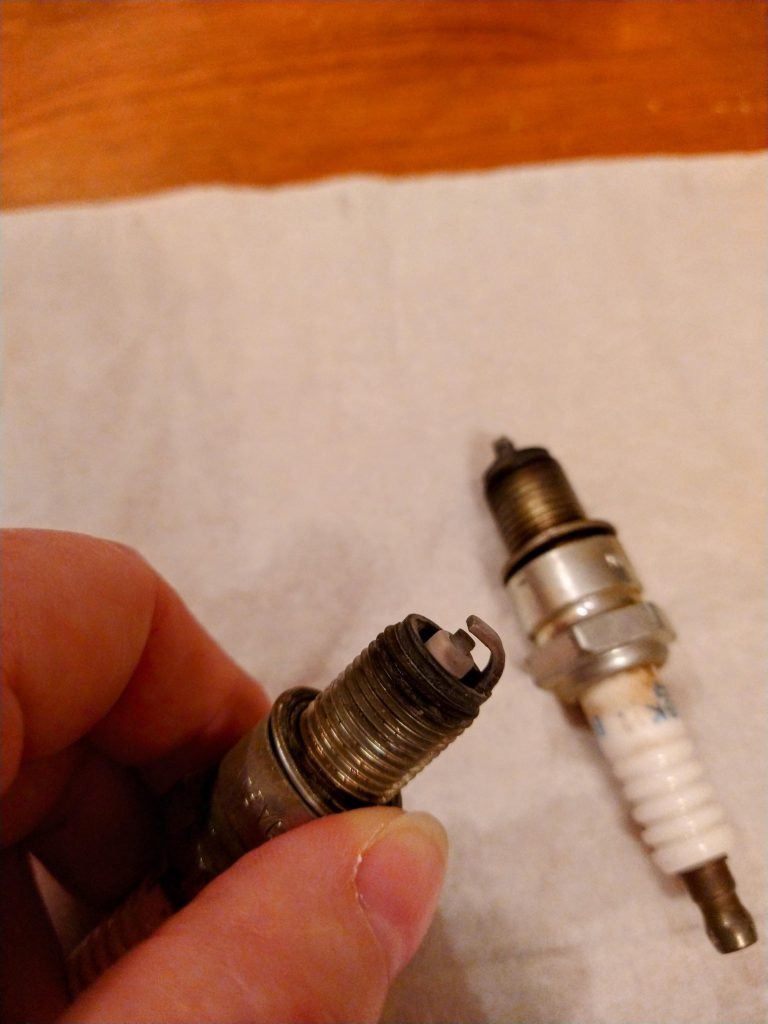
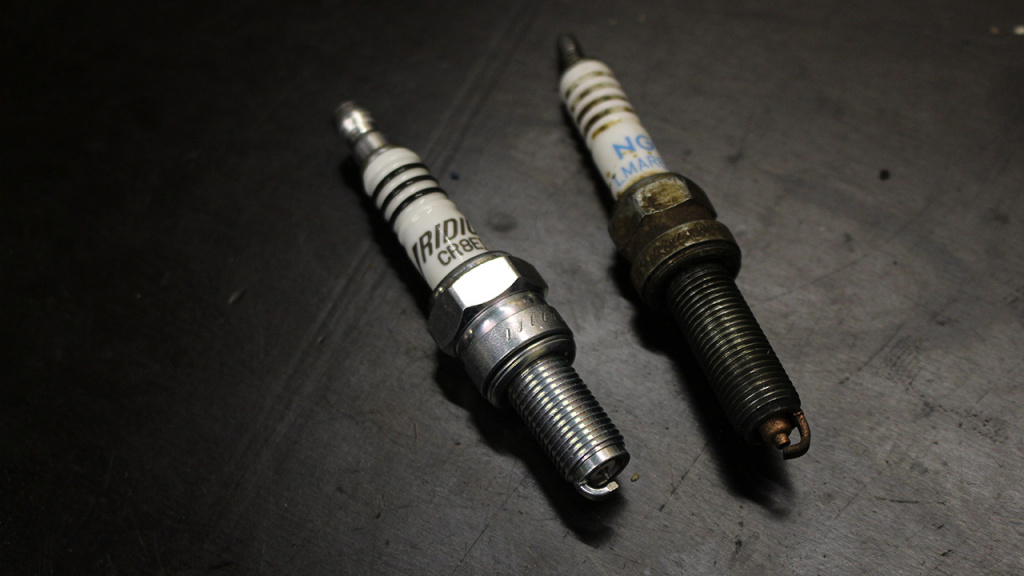
Carbon fouling occurs when unburned fuel and oil residues accumulate on your spark plugs, creating a black, sooty deposit. This buildup interrupts the spark plug’s ability to ignite the fuel-air mixture effectively. Understanding what causes carbon fouling helps you address the root of the problem instead of just treating the symptoms.
Common Symptoms
You might notice your engine misfires or struggles to start. The spark plugs may appear black and oily when inspected. Other signs include poor fuel economy and rough idling, which often point to carbon fouling as the culprit.
Impact On Engine Performance
Carbon fouling reduces the spark plug’s efficiency, leading to incomplete combustion. This causes your engine to lose power and run less smoothly. Over time, the buildup can increase emissions and even damage other engine components if left unchecked.
Credit: finntrail.com
Role Of Spark Plug Heat Range
The heat range of a spark plug plays a crucial role in how well your engine runs, especially when dealing with carbon fouling. Understanding this can save you from recurring maintenance headaches and improve your vehicle’s performance. Let’s look at how the heat range affects the spark plug’s ability to stay clean and efficient.
What Is Heat Range?
The heat range refers to how quickly a spark plug can transfer heat from its tip to the engine’s cylinder head. A hotter plug retains more heat at the tip, while a colder plug dissipates heat faster. This balance affects combustion and the plug’s self-cleaning ability.
Choosing the right heat range depends on your engine type and driving conditions. For example, a high-performance engine often needs a colder plug to avoid overheating. On the other hand, an engine prone to carbon buildup might benefit from a hotter plug to burn off deposits.
How Heat Range Affects Fouling
Carbon fouling happens when unburned fuel and carbon deposits build up on the spark plug tip. A hotter spark plug can reach temperatures high enough to burn away these deposits, reducing fouling. However, if the heat range is too hot, it can cause pre-ignition and damage the engine.
If you notice frequent fouling, switching to a hotter plug might help, but it’s not a guaranteed fix. Other factors like fuel mixture, ignition timing, and driving habits also play a role. Think about your driving style—do you mostly take short trips where the engine doesn’t fully warm up? That might cause fouling regardless of plug heat range.
Have you ever tried changing spark plug heat ranges? What difference did it make in your engine’s performance and fouling issues? Understanding this could be key to fixing persistent problems without unnecessary repairs.
Benefits Of A Hotter Spark Plug
Choosing a hotter spark plug can make a real difference if you’re struggling with carbon fouling. These spark plugs operate at a higher temperature, which helps keep your engine cleaner and running smoother. Understanding how they benefit your engine can help you decide if they are the right choice for your vehicle.
Burning Off Deposits
A hotter spark plug reaches a temperature that helps burn off carbon deposits before they build up. This self-cleaning effect reduces the chances of fouling, which often causes misfires and poor engine performance.
Think about how often you’ve seen black soot on your old spark plugs. Switching to a hotter plug can reduce this buildup, meaning fewer trips to the mechanic and less hassle for you.
Improving Combustion Efficiency
By maintaining a cleaner spark plug surface, a hotter spark plug ensures a strong, consistent spark. This leads to better fuel combustion and improved engine efficiency.
Better combustion means your engine runs more smoothly and can even improve fuel economy. Have you noticed your car feels sluggish or uses more gas? A hotter spark plug might just help fix that.
Risks Of Using A Hotter Spark Plug
Using a hotter spark plug might seem like a quick fix for carbon fouling, but it carries several risks that you need to consider carefully. While hotter plugs burn off deposits more effectively, they also run at higher temperatures. This increase can lead to problems that might harm your engine’s performance and longevity.
Overheating Concerns
A hotter spark plug operates at a higher temperature, which can cause your engine to run hotter than intended. This extra heat can lead to pre-ignition, where the air-fuel mixture ignites too early. Have you ever noticed knocking sounds or a loss of power? These could be signs of overheating caused by the spark plug.
Overheating doesn’t just affect performance. It can also degrade other engine components faster, such as valves and pistons. Your engine might end up needing repairs that cost more than the spark plugs themselves.
Potential Engine Damage
Using a hotter spark plug increases the risk of serious engine damage. When the spark plug runs too hot, it may cause the electrode to wear out quickly or even melt. This failure can lead to misfires and reduced fuel efficiency.
Additionally, excessive heat can warp the cylinder head or damage the gasket. These issues are expensive to fix and can leave your vehicle stranded if not caught early. Have you weighed these risks against the benefits of cleaner combustion?
Choosing the right spark plug heat range is about balance. Too cold, and you get fouling; too hot, and you risk damage. Always consult your vehicle’s manual or a trusted mechanic before making changes.
When To Choose A Hotter Spark Plug
Choosing a hotter spark plug can be a simple yet effective way to address carbon fouling in your engine. However, it’s not always the right choice for every situation. Understanding when your engine actually needs a hotter plug can save you time, money, and frustration.
Suitable Engine Conditions
Engines that run cooler than normal, such as those used mainly for short trips or city driving, often benefit from hotter spark plugs. These plugs maintain higher temperatures to help burn off carbon deposits before they build up. If your engine has a lower compression ratio or you’ve made modifications that reduce combustion chamber temperature, a hotter plug might help keep things clean.
On the other hand, if your engine operates at high temperatures or has performance upgrades like turbochargers or higher compression, a hotter plug could cause pre-ignition or engine knocking. Always check your vehicle’s specs and consider how you use your engine before upgrading.
Signs It’s Time To Upgrade
Watch for consistent misfires, rough idling, or a noticeable drop in fuel efficiency. These symptoms often indicate carbon fouling, especially if your spark plugs look black and sooty when inspected. If you’ve tried cleaning or replacing standard plugs and the problem keeps coming back, switching to a hotter spark plug could be the solution.
Have you noticed your engine struggling to start in cold weather or after short drives? These are subtle clues that your current plugs aren’t reaching the temperature needed to self-clean. Upgrading can restore smoother performance and reduce maintenance frequency.

Credit: www.hondatwins.net
Alternative Solutions To Carbon Fouling
Dealing with carbon fouling isn’t just about swapping out spark plugs or switching to hotter ones. Sometimes, the root cause lies deeper in your vehicle’s fuel system or maintenance routine. Looking beyond the spark plug can save you time, money, and frustration.
Fuel Quality And Additives
Your fuel’s quality plays a massive role in preventing carbon buildup. Low-quality fuel often contains impurities that leave deposits on spark plugs and engine parts.
Adding fuel additives designed to clean the combustion chamber can help reduce carbon deposits. These additives break down existing buildup and keep your engine cleaner over time.
Have you ever noticed a difference after switching to a higher-grade fuel or using a reputable fuel additive? Many drivers report smoother acceleration and fewer misfires after making this simple change.
Regular Maintenance Tips
Carbon fouling often signals that your engine needs some regular TLC. Routine maintenance like timely oil changes and air filter replacements can significantly reduce fouling risk.
Inspect your spark plugs regularly, even if your vehicle isn’t showing signs of trouble. Cleaning or replacing spark plugs at the right intervals keeps your engine running efficiently.
Don’t forget about your PCV (Positive Crankcase Ventilation) valve. A clogged valve can increase carbon buildup, so checking and replacing it when needed is crucial.
Are you tracking your maintenance schedule closely enough to catch these issues early? Staying ahead with regular check-ups can prevent carbon fouling before it starts.

Credit: www.reddit.com
Frequently Asked Questions
Can A Hotter Spark Plug Prevent Carbon Fouling?
Yes, a hotter spark plug can burn off carbon deposits more effectively. This reduces fouling but may increase wear if used improperly.
What Causes Carbon Fouling On Spark Plugs?
Carbon fouling is caused by incomplete combustion, rich fuel mixtures, or frequent short trips. It leads to poor engine performance.
How Does Spark Plug Heat Range Affect Fouling?
A hotter heat range spark plug reaches higher temperatures. This helps burn carbon deposits but must match the engine’s requirements.
Can Using A Hotter Spark Plug Damage My Engine?
Using an incorrect hotter spark plug can cause pre-ignition or overheating. Always choose the right heat range for your engine.
Conclusion
A hotter spark plug can help reduce carbon fouling in some engines. It burns off deposits more quickly, keeping the plug cleaner. Still, it is not a fix for all problems. Proper engine maintenance and fuel quality matter a lot.
Changing spark plugs alone might not solve deeper issues. Watch your engine’s performance and check plugs regularly. Clean plugs help your engine run smoother and last longer. Simple steps can prevent fouling and improve fuel efficiency. Keep your spark plugs in good shape for best results.





