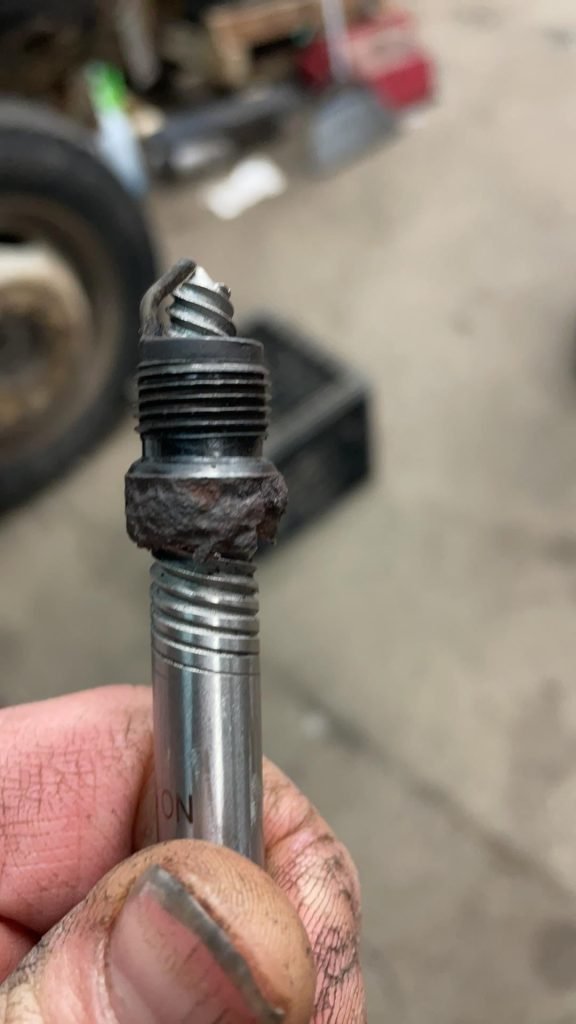
Have you ever found yourself under the hood, ready to replace a spark plug, only to pause and wonder, “Are spark plugs reverse threaded?” If this question has crossed your mind, you’re not alone.
This small yet crucial component of your engine can sometimes be a source of confusion. But don’t worry, you’re about to uncover the truth. Understanding the threading of spark plugs isn’t just about getting the job done; it’s about ensuring the longevity and performance of your vehicle.
Imagine the satisfaction of confidently performing maintenance on your car, knowing you’re doing it right. In this blog, we’ll clear up any confusion surrounding spark plug threads and provide you with the insights you need. Stick around to discover the answer and equip yourself with the knowledge to tackle this task like a pro.

Credit: www.reddit.com
Spark Plug Thread Types
Understanding spark plug thread types is crucial before you start any engine maintenance. Different engines may use different threading styles, which affects how you install or remove spark plugs. Knowing whether a spark plug is standard or reverse threaded can save you from costly mistakes and frustrating repairs.
Standard Threading Explained
Most spark plugs use standard threading, which means you turn them clockwise to tighten and counterclockwise to loosen. This is the same direction as most bolts and screws you encounter daily. The thread size and pitch are designed to fit snugly into the engine’s cylinder head, ensuring a tight seal and proper engine performance.
Standard threads are common because they match the majority of threaded fasteners, making tools and replacements easier to handle. If you’re used to working with screws and bolts, standard spark plugs will feel familiar and straightforward. Have you ever tried loosening a spark plug only to find it stuck? Knowing the thread type can prevent that hassle.
Reverse Threading Cases
Reverse threaded spark plugs turn counterclockwise to tighten and clockwise to loosen, which is the opposite of standard threading. This design is less common but is used in specific engines to prevent the spark plug from loosening due to engine vibrations. Some motorcycles, scooters, and certain older or specialized engines feature reverse threads.
Installing a reverse-threaded spark plug the wrong way can damage the threads and the cylinder head. Imagine tightening a plug the usual way only to strip the threads—costly repairs follow. Always check your vehicle’s manual or the spark plug itself for thread direction before you start.
Have you encountered a spark plug that didn’t loosen or tighten as expected? It could be reverse threaded. Paying close attention to this detail helps you avoid unnecessary damage and saves time on your next tune-up.
Common Myths About Spark Plugs
Spark plugs are essential for engine performance. Many myths surround their design and installation. These myths can cause confusion and mistakes during maintenance. Clearing these myths helps in proper care and use of spark plugs.
Reverse Threaded Spark Plugs
One common myth is that some spark plugs have reverse threads. Most spark plugs have standard right-hand threads. Reverse threading is rare and usually found in special applications. Using the wrong thread direction can damage the engine. Always check the manual before installation. If unsure, ask a professional mechanic.
Mixing Thread Directions
Some believe mixing thread directions in the same engine is normal. This is false. Engines typically use one thread direction for all spark plugs. Mixing threads can cause cross-threading and poor sealing. It leads to engine misfires and damage. Consistency in thread direction is critical for engine health.
How To Identify Spark Plug Threads
Knowing how to identify spark plug threads is essential before you start any engine repair or maintenance. Spark plugs usually have standard right-hand threads, but some rare models might have reverse threads. Mistaking one for the other can lead to damaged threads or stripped spark plugs, costing you time and money.
Visual Inspection Tips
Start by looking closely at the spark plug threads. Right-hand threads tighten clockwise, so the thread angle will slant downward to the right. Reverse threads tilt downward to the left.
If you have a spark plug in hand, try turning it gently in the direction it screws in. If it tightens clockwise, it’s a standard thread. If it tightens counterclockwise, then you’re dealing with a reverse thread.
Look for markings on the spark plug base or consult the vehicle manual. Some manufacturers label spark plugs clearly as “RH” for right-hand or “LH” for left-hand (reverse) threads.
Using Tools For Verification
A thread pitch gauge can help you measure the thread angle and pitch accurately. This tool will show you if the threads match standard right-hand or reverse threading.
You can also use a tap and die set to test the threading. Carefully try threading the spark plug into a matching die. If it screws in smoothly clockwise, it’s right-hand; if counterclockwise, it’s reverse.
Many mechanics keep a small collection of dies and gauges specifically for spark plugs. Investing in these tools can save you from costly mistakes, especially if you work on different engine types.

Credit: www.subaruxvforum.com
Risks Of Incorrect Threading
Incorrect threading of spark plugs can cause serious problems. Using the wrong thread direction or forcing a spark plug into the hole can damage engine parts. This damage may lead to costly repairs and affect engine life.
Understanding the risks helps prevent mistakes during installation. It ensures the engine runs smoothly and lasts longer. Below are key risks linked to incorrect threading.
Cross-threading Damage
Cross-threading happens when the spark plug is not aligned properly. The threads on the spark plug and cylinder head get damaged. This damage can strip the threads, making the hole unusable.
Repairing stripped threads often requires replacing the cylinder head or using thread inserts. Both options are expensive and time-consuming. Cross-threading also weakens the spark plug’s hold, increasing the chance it will loosen during operation.
Engine Performance Issues
Incorrectly threaded spark plugs may not seal properly. This poor seal can cause compression loss in the engine. Compression loss reduces engine power and efficiency.
Misfired sparks or poor ignition can follow from bad threading. This leads to rough idling, poor fuel economy, and increased emissions. Over time, the engine may suffer internal damage due to inconsistent combustion.
Safety Tips For Spark Plug Installation
Installing spark plugs requires care and attention to safety. Incorrect handling can damage the engine or cause injury. Following simple safety tips ensures a smooth and safe installation process. Protect yourself and your vehicle with these essential guidelines.
Proper Torque Application
Use a torque wrench to tighten spark plugs correctly. Too much force can crack the plug or damage threads. Too little force may cause poor engine performance. Check the vehicle manual for the recommended torque value. Tighten plugs gradually and evenly to avoid cross-threading.
Thread Lubrication Advice
Apply anti-seize compound to spark plug threads only if the manufacturer suggests it. Too much lubricant can cause over-tightening. Clean threads thoroughly before installation. Avoid using oil or grease unless specified. Proper lubrication helps prevent thread damage and makes future removal easier.
When To Seek Professional Help
Consult a mechanic if unsure about spark plug type or installation steps. Difficult access or damaged threads require expert attention. Strange engine noises after installation may indicate a problem. Professionals have tools and experience to avoid costly mistakes. Safety and engine health come first.

Credit: www.ebay.com
Frequently Asked Questions
Are Spark Plugs Ever Reverse Threaded?
No, most spark plugs have standard right-hand threads. Reverse threading is rare and usually found in specialized applications. Always check your vehicle’s manual to confirm the thread direction before installation.
Why Are Some Spark Plugs Reverse Threaded?
Some spark plugs use reverse threading to prevent loosening in specific engine designs. This helps maintain tightness under vibration. However, this is uncommon and mostly seen in unique or older engines.
How Can I Tell If My Spark Plug Is Reverse Threaded?
Check your vehicle’s service manual or consult the manufacturer. You can also inspect the threads visually or test carefully by hand before using tools to avoid damage.
What Happens If I Install A Spark Plug Backwards?
Installing a spark plug with the wrong thread direction can damage the threads or engine. It may cause poor engine performance or costly repairs. Always confirm thread type before installation.
Conclusion
Spark plugs usually have standard right-hand threads. Reverse threading is rare and found in some specific engines. Always check your vehicle’s manual before removal or installation. Using the wrong thread type can cause damage. Proper tools and care help avoid problems.
Knowing the thread type saves time and money. Keep this fact in mind for safe spark plug handling.





