Your car’s engine is like a finely tuned orchestra, and spark plugs are the conductors. When they fail, the whole performance can fall apart.
But how can you tell if a spark plug is bad? Recognizing the signs early can save you from costly repairs and keep your vehicle running smoothly. If you’ve ever wondered whether your car’s sputtering or rough idling might be due to faulty spark plugs, you’re in the right place.
This guide will help you identify the red flags of a bad spark plug, ensuring your car remains in top shape. Stay with us, and you’ll learn how to keep your engine purring like a kitten.

Credit: www.reddit.com
Symptoms Of A Bad Spark Plug
Bad spark plugs cause noticeable problems in your car’s performance. Recognizing these symptoms early can save costly repairs. Watch for signs like engine trouble and poor fuel use. These clues help know when to check or replace spark plugs.
Engine Misfires
One common sign is engine misfires. The engine may jerk or hesitate during acceleration. Misfires happen when spark plugs fail to ignite the fuel. This causes rough running and loss of power.
Difficulty Starting
Hard starts can signal bad spark plugs. The engine might crank longer before it fires up. Weak spark plugs struggle to ignite the fuel-air mix. This makes starting slow or sometimes impossible.
Poor Fuel Economy
Fuel efficiency drops with bad spark plugs. The engine burns more fuel to compensate for weak sparks. Expect more visits to the gas station than usual. This symptom often goes unnoticed until fuel costs rise.
Rough Idling
A rough or shaky idle can point to spark plug issues. The engine may vibrate or sound uneven when idling. Faulty plugs cause incomplete combustion at low speeds. This leads to an uncomfortable and unstable idle.

Credit: www.toyotanation.com
Visual Inspection Tips
Visual inspection is one of the quickest ways to spot a bad spark plug. Just by looking closely, you can identify signs that tell you it’s time for a replacement. Keep your eyes sharp and your workspace well-lit to catch even the smallest issues.
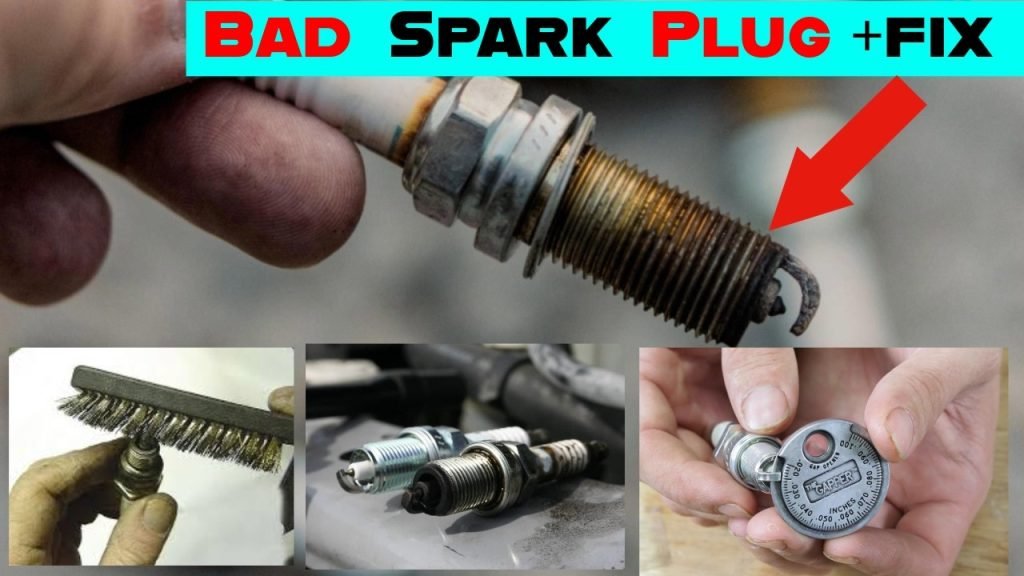
Check For Carbon Deposits
Carbon buildup looks like a black, sooty coating on the spark plug’s tip. This deposit can block the spark, causing misfires and poor engine performance. If you notice thick black deposits, it’s a strong sign your spark plug isn’t firing properly.
Think about the last time your engine hesitated or ran rough. Could this carbon buildup be the culprit? Cleaning may help temporarily, but heavy deposits usually mean replacement is the better choice.
Look For Worn Electrodes
The electrode is the small metal piece that creates the spark. Over time, it wears down and becomes rounded or thin. If your electrode looks visibly eroded or uneven, your spark plug can’t ignite the fuel efficiently.
Have you ever experienced difficulty starting your car or noticed a drop in fuel efficiency? Worn electrodes are often behind these symptoms. Checking the electrode closely helps you catch problems before they worsen.
Inspect For Cracks Or Damage
Cracks in the ceramic insulator or other visible damage are clear signs of a faulty spark plug. Even small cracks let moisture in, which disrupts the spark and can cause engine misfires. Always handle spark plugs carefully to avoid accidental damage during inspection.
Does your spark plug look physically damaged? If yes, don’t risk it—replace it immediately. Running your engine with a cracked spark plug can lead to bigger mechanical issues down the road.
Performance Issues To Watch
Performance issues often signal that a spark plug is struggling. These problems can sneak up on you, showing as subtle changes in how your vehicle responds. Paying attention to these signs can save you from costly repairs and unexpected breakdowns.
Reduced Acceleration
If your car feels sluggish or takes longer to speed up, a bad spark plug might be the culprit. This happens because the spark plug fails to ignite the fuel-air mixture efficiently, reducing engine power.
You might notice your vehicle hesitating when you press the gas pedal or struggling to merge onto highways. Have you ever felt your car lag behind when you expect a quick response? That’s a clear red flag worth checking immediately.
Engine Surging Or Hesitation
Engine surging feels like sudden bursts of power followed by a drop, while hesitation causes a delay in response when you accelerate. Both can indicate inconsistent sparks from faulty plugs.
These irregular engine behaviors might leave you wondering if your car is losing its touch. If you experience this, it’s time to inspect your spark plugs or have a mechanic take a look before it worsens.
Testing Spark Plugs
Testing spark plugs is a crucial step in diagnosing engine problems. It helps you understand if the spark plug is delivering the right spark to ignite the fuel-air mixture. Without proper testing, you might replace parts unnecessarily or miss the real cause of engine troubles.
Using A Spark Tester
A spark tester is a simple tool that lets you see if the spark plug is firing correctly. Connect the tester between the spark plug and the ignition wire. When you crank the engine, watch for a strong, blue spark inside the tester.
If the spark is weak, irregular, or absent, the spark plug could be bad or the ignition system may have issues. This quick check saves you from guessing and helps pinpoint the problem faster. Have you ever noticed your engine struggling during cold starts? A faulty spark plug might be the culprit.
Measuring Electrode Gap
The gap between the spark plug’s electrodes affects the spark strength. Use a feeler gauge to measure this gap accurately. Compare the reading with the specifications found in your vehicle’s manual.
A gap that is too wide or too narrow can cause misfires or poor engine performance. Adjusting or replacing the spark plug with the correct gap can improve fuel efficiency and engine smoothness. Do you keep track of your spark plug gaps during regular maintenance, or is it something new to you?
When To Replace Spark Plugs
Spark plugs play a key role in your engine’s performance. Over time, they wear out and need replacement. Knowing the right time to replace spark plugs keeps your car running smoothly. It also helps avoid costly repairs and poor fuel efficiency.
Manufacturer Recommendations
Car makers provide specific guidelines for spark plug replacement. These vary by vehicle model and spark plug type. Check your owner’s manual for exact intervals. Most spark plugs last between 30,000 and 100,000 miles. Following these guidelines ensures optimal engine function.
Signs Of Severe Wear
Wear signs show when spark plugs need urgent replacement. Look for:
- Engine misfires or rough idling
- Difficulty starting the engine
- Poor fuel economy
- Reduced acceleration power
- Unusual engine noises
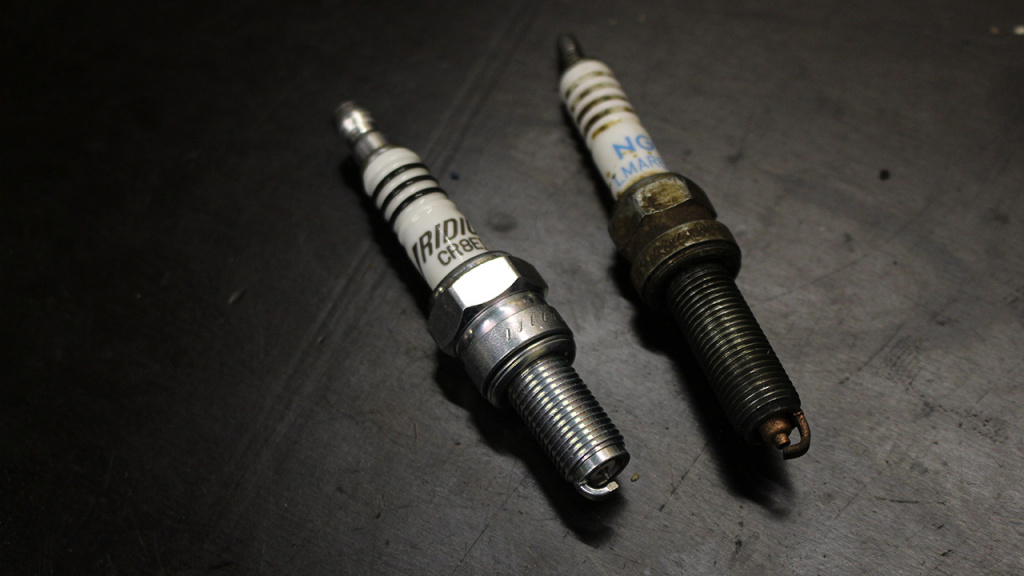
Inspect spark plugs for damage like worn electrodes or heavy deposits. These signs indicate the plug cannot ignite fuel properly. Replacing spark plugs at this stage prevents further engine damage.
Credit: finntrail.com
Preventive Maintenance Tips
Keeping your spark plugs in good condition is key to your engine running smoothly. Preventive maintenance not only extends the life of your spark plugs but also saves you from unexpected breakdowns and costly repairs. With a few simple habits, you can easily spot early signs of wear and keep your vehicle performing at its best.
Regular Inspection Schedule
Set a routine to check your spark plugs every 20,000 to 30,000 miles, or more often if you drive in harsh conditions. Look for signs like carbon buildup, worn electrodes, or cracks in the ceramic insulator. Don’t wait for symptoms like rough idling or poor fuel economy to appear—catching problems early makes a big difference.
Use a spark plug socket and a gap gauge during inspections. If you’re unsure about what to look for, keep a photo guide handy or ask a mechanic to show you. Regular inspection helps you avoid surprises and keeps your engine running efficiently.
Choosing Quality Spark Plugs
Not all spark plugs are created equal. Investing in high-quality plugs designed for your specific engine can improve performance and durability. Brands like NGK, Bosch, or Denso often provide better materials and tighter manufacturing standards.
Consider the type of spark plug material—iridium or platinum plugs usually last longer and resist fouling better than copper ones. Think about your driving habits too; if you frequently do short trips or city driving, quality plugs can reduce misfires and improve fuel efficiency.
Have you ever noticed a difference in engine response after switching to better spark plugs? Choosing wisely can make your daily drive smoother and save you money over time.
Frequently Asked Questions
How Do I Know If My Spark Plug Is Bad?
A bad spark plug causes engine misfires, poor fuel economy, and rough idling. Check for visible wear, cracks, or deposits on the plug. If your car struggles to start or runs unevenly, the spark plug likely needs replacement.
What Are Common Signs Of Spark Plug Failure?
Common signs include engine misfires, reduced acceleration, difficulty starting, and increased fuel consumption. You might also notice a rough idle or engine hesitation. These symptoms indicate the spark plug isn’t firing correctly and needs inspection or replacement.
Can A Bad Spark Plug Cause Engine Misfires?
Yes, a bad spark plug often causes engine misfires. It fails to ignite the fuel-air mixture properly. This leads to poor engine performance, vibrations, and increased emissions. Regular inspection can prevent misfires and maintain smooth engine operation.
How Often Should Spark Plugs Be Replaced?
Spark plugs generally last between 30,000 and 100,000 miles, depending on type and vehicle. Consult your vehicle’s manual for specific intervals. Regular replacement ensures efficient engine performance and prevents issues like misfires and hard starts.
Conclusion
A bad spark plug can cause many car problems. Watch for rough idling, poor fuel economy, or hard starts. Check spark plugs regularly to keep your engine healthy. Clean or replace them when you see wear or damage. Taking care of spark plugs saves time and money.
Stay alert to signs and fix issues early. Your car will run smoother and last longer. Simple steps help avoid bigger engine troubles later. Keep your vehicle in top shape with good spark plugs.





