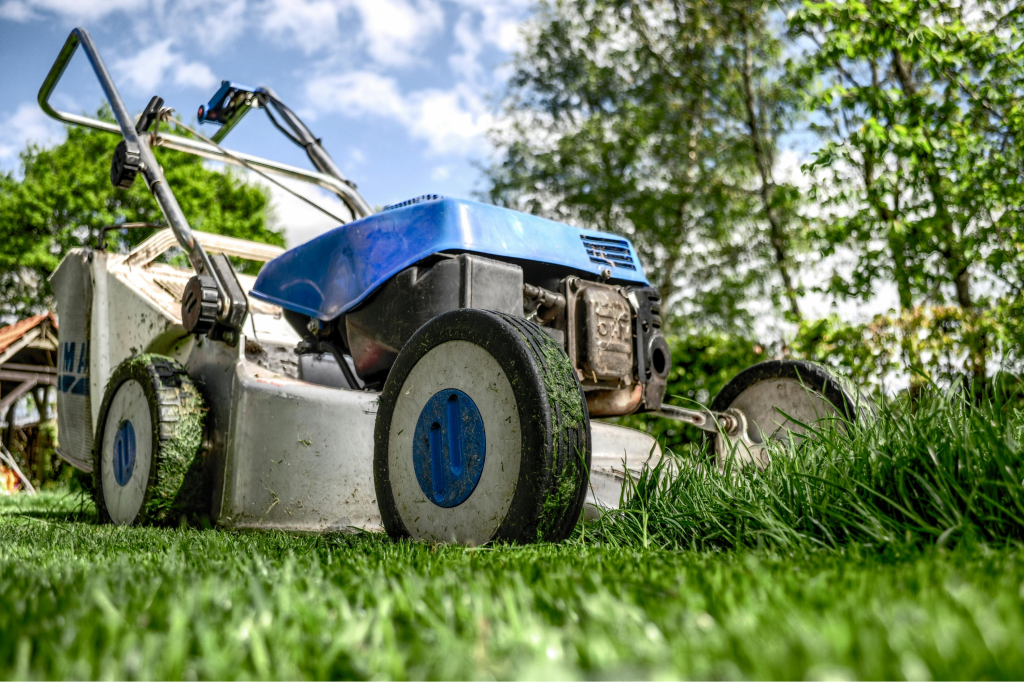
Every lawn mower owner has faced that moment: you pull the cord, the engine sputters, then dies. More often than not, stale or wrong fuel is the culprit. Choosing the right gasoline isn't just about getting the mower started – it directly affects engine life, cutting power, and how much time you spend on repairs.
In 2026, fuel blends and engine designs have evolved, but the core principles remain. This guide covers everything you need to know about picking the right gas, storing it properly, and avoiding common fuel-related headaches. Whether you're maintaining a small push mower or handling larger properties with a ride-on, understanding fuel chemistry will save you money and frustration. For more on this, see our guide on best gas lawn mower for large yard.
 Always use a clean fuel can and fresh gas to keep your mower starting reliably.
Types of Gas for Lawn Mowers
Not all gas is created equal. The differences in octane rating, ethanol content, and additives matter more than most people realise.
Regular Unleaded Gas
Regular unleaded gasoline (87 octane) remains the standard recommendation for the vast majority of small engines. Modern mowers – especially those built in the last decade – are calibrated to run efficiently on 87 octane. Using a higher octane doesn't provide any performance gain; the engine simply isn't designed to take advantage of it. For more on this, see our guide on best mower small lawn safe operation.
Stick with fuel from a reputable station. Discount or unbranded fuel may contain lower-quality additives that leave deposits over time. If you regularly use a mower for medium-sized lawns, buying fresh 87 octane is both the most economical and practical choice.
Premium Gasoline
Premium gas (91–93 octane) is not needed for standard lawn mowers. Higher octane resists premature detonation (knocking) in high-compression engines, but lawn mower engines have relatively low compression ratios. Spending extra on premium is a waste of money unless your owner's manual specifically calls for it. For more on this, see our guide on best lawn mower for medium yard.
One exception: if you accidentally filled with ethanol-heavy fuel and notice knocking, premium's higher octane can provide temporary protection. But the real fix is switching to ethanol-free or low-ethanol gas.
Ethanol-Blended Fuels
Most pump gas in the U.S. contains up to 10% ethanol (E10). Ethanol raises the octane cheaply and reduces certain tailpipe emissions, but it brings serious problems for small engines:
- It attracts water from the air, leading to phase separation (water and alcohol settling to the bottom of the tank).
- It degrades rubber and plastic components in older fuel systems.
- It leaves gummy deposits when it evaporates.
- It burns hotter, which can accelerate wear in air-cooled engines.
If you must use E10, never let it sit in the mower for more than two weeks without running the engine. Always add a fuel stabiliser designed for ethanol blends. For more on this, see our guide on best electric lawn mower for small yard.
Tip: You can check ethanol content at the pump. Some stations now offer "Rec 90" or "Ethanol-Free" options specifically for small engines.
Non-Ethanol Gas Options
Non-ethanol gasoline (often labelled "pure gas" or "recreational fuel") is the gold standard for lawn mowers. It eliminates moisture absorption, prevents corrosion in the carburetor, and stays stable for months longer than ethanol blends. The trade-off: it costs 20–50 cents more per gallon and can be harder to find.
For anyone who stores a mower over winter or only mows every couple of weeks, the extra cost of non-ethanol fuel pays for itself in reduced repair bills. Many marinas, hardware stores, and specialty fuel retailers carry it. For more on this, see our guide on best way to advertise lawn care.
 Ethanol-free gas avoids phase separation and keeps fuel system components clean longer.
Two-Stroke vs Four-Stroke Engines
Your mower's engine type determines not only the fuel you put in but also whether you need to mix oil.
Fuel Requirements for Two-Stroke Engines
Two-stroke engines (common in older push mowers, leaf blowers, and trimmers) require a precise mix of gasoline and two-stroke oil – typically 50:1 or 40:1 by volume, depending on the manufacturer. The oil lubricates the crankcase and piston because the engine lacks a separate oil pump.
Never use regular motor oil in a two-stroke; it won't burn correctly and will cause carbon buildup. Use a high-quality synthetic two-stroke oil (ISO-L-EGD or JASO FD certified) and measure carefully. Too little oil leads to seizure; too much causes smoke and fouled plugs.
Fuel Needs for Four-Stroke Engines
Four-stroke engines (found on nearly all modern walk-behind and riding mowers) have a separate oil sump just like a car engine. You simply pour straight gasoline into the tank – no mixing required. That makes them simpler to fuel, but you still need to check oil level regularly.
Use the same octane and ethanol guidelines as above. For riders and zero-turn models, especially when handling larger properties, consistent fuel quality becomes even more critical because the engines run longer and hotter.
Impact of Fuel Quality on Performance
The difference between fresh 87 octane and old gas with ethanol is night and day. Here's what happens inside your engine.
Engine Efficiency and Power
Clean fuel evaporates easily and burns completely. That translates to smooth acceleration, stable idling, and full power when the blade meets thick grass. In contrast, degraded fuel fails to atomise properly, causing misfires, hesitation, and a noticeable loss of cutting performance.
If your mower has felt "lazy" lately – especially when the grass is damp or tall – consider draining the tank and refilling with fresh non-ethanol fuel. Many users report an immediate improvement.
Fuel Stability and Storage
Gasoline begins to oxidise the moment it's produced. After about 30 days, volatiles start evaporating and heavier components form varnish. Ethanol accelerates this process. The result: clogged carburetor jets, stuck float valves, and hard starting.
Using a fuel stabiliser (like STA-BIL or Lucas) right when you fill the can extends usable life to six months or more. But stabilisers cannot fix already-bad gas. Always start with fresh fuel, then treat it.
Effect on Emissions
Burning stale or ethanol-heavy fuel increases hydrocarbon and carbon monoxide emissions. The U.S. Environmental Protection Agency (EPA) sets strict evaporative emission standards for small engines, but those standards don't account for what you actually put in the tank. Cleaner-burning fuel reduces your personal environmental footprint and keeps the air around your yard healthier.
For those interested in further lowering emissions, switching to a mower that handles larger properties efficiently – with modern fuel injection – makes a genuine difference.
Common Fuel Issues and Solutions
Even careful owners run into fuel trouble. Knowing what to look for can save an afternoon of frustration.
Ethanol Damage Risks
Ethanol corrosion typically shows up first in the carburetor. You'll see white powdery deposits, sticky float needles, or a greenish tinge on brass components. If the mower starts and dies quickly, or refuses to restart when hot, suspect ethanol damage.
Solution: Replace the carburetor (or rebuild it with ethanol-resistant parts) and switch to ethanol-free fuel. Some manufacturers now offer carburetors with coated brass and Viton seals that resist ethanol better.
Fuel Contamination
Dirt, water, or debris in the gas can clog the fuel filter and main jet. Contamination often happens when filling a dirty can, or from condensation inside a partially full tank.
Solution: Install an inline fuel filter and replace it yearly. Always use a funnel with a fine mesh screen. Clean the tank at the beginning of each season. For mowers used on larger properties, consider a water-separating fuel can spout.
Starting Problems
If the engine cranks but won't catch, the issue is almost always fuel-related: stale gas, a clogged jet, or a gummed-up carburetor bowl.
Quick fix: Remove the spark plug, squirt a teaspoon of fresh fuel directly into the cylinder, reinstall the plug, and pull. If it fires for a second then dies, you've confirmed a fuel delivery problem. Clean the carburetor thoroughly or replace it – a new carburetor for a push mower often costs less than two hours of shop labour.
Best Practices for Fuel Storage
How you store gasoline is just as important as what you buy.
Proper Containers
Use only approved red plastic or metal containers designed for gasoline. They have special flame arrestors in the spout and pressure-release mechanisms. Never use milk jugs or glass bottles – they can leak, crack, or allow vapours to escape.
In 2026, many states require CARB-compliant spouts that minimise spillage. If your container is older, consider upgrading to a modern no-spill model.
Storage Duration
Fresh gas degrades noticeably after 30 days. By 90 days, it may be unusable without stabiliser. If you only mow once every two weeks, buy only what you'll use in a month. For seasonal equipment (snow blowers, tillers), drain the tank completely or add stabiliser and run the engine for five minutes to circulate treated fuel.
Fuel Stabilizers
Add stabiliser as soon as you fill the can – not when you notice the gas smelling sour. Pour the correct dose (check the label) then swirl the can. Ethanol-specific stabilisers (like STA-BIL Ethanol Treatment) also neutralise the corrosive effects of ethanol.
- For storage over 6 months: double the recommended dose.
- Always treat fuel before storing, not after it's already breaking down.
Environmental Considerations
Choosing the right fuel isn't just about engine health – it affects the air you breathe and the ground you mow.
Eco-Friendly Fuel Options
Non-ethanol gasoline burns cleaner than E10, producing fewer VOCs and particulates. Propane-powered mowers offer near-zero evaporative emissions, though they require different equipment. For those looking to go fully electric, modern battery mowers now rival gas models in run time and torque, especially for small to medium lawns. However, if you already own a gas mower, simply using ethanol-free fuel and maintaining it well is one of the most practical environmental steps you can take.
Reducing Carbon Footprint
Fresh fuel that burns completely reduces the carbon emissions per mowing session. Keeping your engine tuned – sharp blade, clean air filter, proper oil level – further lowers fuel consumption and exhaust output. According to the EPA, one hour of lawn mowing emits roughly the same VOCs as a 100-mile car trip, so every efficiency gain matters.
Tips for Choosing the Right Fuel
Making the best choice for your specific mower, climate, and usage pattern takes a little thought.
Checking Manufacturer Recommendations
Your owner's manual is the final authority. It will specify minimum octane, maximum ethanol content, and whether premium is needed. Many newer mowers explicitly warn against using more than 10% ethanol. If you've lost the manual, look up the model online – most manufacturers still host PDFs.
Balancing Cost and Performance
Paying extra for ethanol-free gas is worthwhile if you store the mower for weeks between uses or if you live in a humid area where moisture absorption is rapid. If you mow every three days during the growing season and use a mower that handles larger properties, you may burn through fresh E10 fast enough that ethanol never becomes a problem. Calculate fuel cost per month and weigh it against potential carburetor repair costs.
Seasonal Fuel Choices
Winter-blend gasoline (sold between October and March in cold states) contains higher levels of butane for cold starting. It evaporates faster in summer, causing vapour lock. If you fill up your mower in spring with leftover winter gas, you may experience hard hot restarts. Try to buy fuel seasonally – spring/summer blend for mowing, winter blend only for snow equipment.
 Use a stabiliser immediately when filling a storage container to maintain fuel quality.
Frequently Asked Questions
What type of gas is best for lawn mowers?
Regular unleaded gasoline with 87 octane and no more than 10% ethanol is best for most mowers. For optimal engine life and reliability, ethanol-free gas (often sold as "Rec 90") is superior.
Can I use ethanol-free gas in my lawn mower?
Yes – in fact, ethanol-free gas is the recommended choice. It eliminates moisture-related issues, prevents carburetor corrosion, and extends fuel shelf life. It's especially beneficial for mowers that sit unused for long periods.
Is premium gas necessary for lawn mowers?
No. Premium gas provides no benefit in standard small engines and is a unnecessary expense. Only use premium if your owner's manual explicitly requires it.
How often should I use fresh gas in my mower?
Use gas that is less than 30 days old for best results. If you store fuel longer than that, add a fuel stabiliser immediately when filling. Drain and replace any gas that has been sitting for more than 90 days.
Can I use E15 or E85 in my lawn mower?
No. E15 (15% ethanol) and E85 (up to 85% ethanol) are illegal to use in small engines and will cause severe damage. Most lawn mower warranties are voided by using fuel above E10.
What should I do if I accidentally put old gas in my mower?
Drain the fuel tank completely, clean the carburetor bowl, and refill with fresh gas. If the mower won't start, remove and clean the carburetor jet with carburetor cleaner.
Conclusion
The best gas for your lawn mower boils down to three simple choices: use 87 octane regular unleaded, avoid ethanol if possible, and never let fuel sit longer than a month without stabiliser. These steps dramatically reduce hard starts, carburetor clogs, and premature engine wear.
Pay attention to your specific mower's manual, store fuel properly, and consider switching to ethanol-free gas for long-term reliability. A little effort at the pump saves hours of repair time – and keeps your lawn looking its best all season.





