
Are you ready to tackle a task that can save you time and money while keeping your lawn mower in top shape? Removing the spark plug from your lawn mower might sound daunting, but it’s easier than you think—and we’re here to guide you through it.
Imagine the satisfaction of knowing your machine is well-maintained, running smoothly, and starting effortlessly every time you need it. By learning how to remove the spark plug, you’re taking a crucial step towards achieving that peace of mind. Stick with us, and you’ll discover simple steps that will not only make you feel like a pro but also ensure your mower’s longevity.
Don’t miss out on this essential skill that every lawn enthusiast should have in their toolkit!
Tools Needed
Having the right tools ready makes removing a spark plug from your lawn mower much easier and safer. Without the proper equipment, you might damage the spark plug or the engine, leading to costly repairs. Let’s look at the essential tools you’ll need to get the job done efficiently.
Spark Plug Wrench
A spark plug wrench is designed specifically to fit around the spark plug’s hexagonal shape. It provides the right grip and leverage to loosen or tighten the plug without slipping. If you’ve ever tried using regular pliers, you know how easily the plug can get damaged—this wrench prevents that risk.
Socket Set
A good socket set is invaluable because spark plugs come in different sizes. Having a variety of sockets ensures you can select the perfect fit for your mower’s spark plug. This tool also speeds up the process by allowing easy access in tight spaces around the engine.
Ratchet Handle
The ratchet handle pairs with your socket set to provide smooth turning action. It helps you apply steady force and control while loosening or tightening the spark plug. Using a ratchet handle means you won’t have to twist awkwardly or strain your wrist during the task.
Replacement Spark Plug
Always have a replacement spark plug ready before you start removing the old one. This saves time and ensures your mower is back up and running quickly. Check the owner’s manual to get the exact spark plug type recommended for your model—you don’t want to guess and risk poor engine performance.

Credit: www.youtube.com
Safety Precautions
Handling the spark plug on your lawn mower requires more than just the right tools. Prioritizing safety is essential to avoid injuries or damage. Taking simple precautions can save you from unexpected shocks or burns.
Disconnecting The Spark Plug Wire
Always start by disconnecting the spark plug wire before touching the plug. This prevents the engine from accidentally starting while you work. Make sure to pull the wire by the boot, not the wire itself, to avoid damage.
Wearing Protective Gear
Protect your eyes and hands with safety glasses and gloves. Small debris or oil can easily cause irritation or cuts when you remove the spark plug. Gloves also provide better grip and prevent burns from hot parts.
Ensuring Mower Is Off And Cool
Never attempt to remove the spark plug immediately after mowing. The engine and surrounding parts remain hot and can cause serious burns. Wait at least 30 minutes for the mower to cool down completely before starting your work.
Locating The Spark Plug
Finding the spark plug on your lawn mower is the first step before you can remove or replace it. Knowing exactly where it sits can save you time and prevent frustration during maintenance. Let’s get clear on how to spot it quickly and prepare the area around it.
Identifying The Spark Plug Position
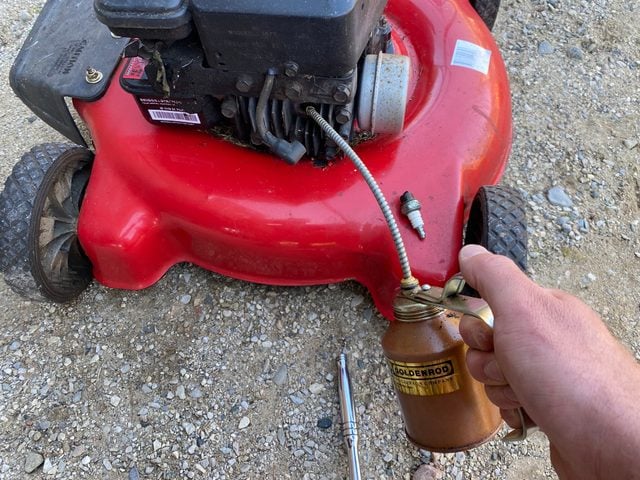
The spark plug is usually located near the top or side of the engine. It looks like a small metal cylinder with a wire attached to its end. This wire is the spark plug wire, often covered with a rubber boot.
Check around the engine block for a component sticking out with a thick wire connected to it. If you’re unsure, consult your lawn mower’s manual or look online for images specific to your mower model. This can help you avoid pulling on the wrong part.
Clearing Debris Around The Plug
Before you remove the spark plug, clear away any grass, dirt, or debris around it. This keeps unwanted material from falling into the engine once the plug is out. Use a soft brush or a small vacuum to clean the area gently.
Taking this extra step protects your mower’s engine and makes the removal process smoother. Have you noticed how often dirt builds up around engine parts? Cleaning regularly can prevent bigger issues down the road.
Credit: www.familyhandyman.com
Removing The Spark Plug
Removing the spark plug from your lawn mower is a straightforward task that can save you time and money on maintenance. It’s essential to handle this step with care to avoid damaging the plug or the engine. Let’s walk through the process to make sure you feel confident tackling it yourself.
Disconnecting The Spark Plug Wire
First, locate the spark plug wire connected to the top of the spark plug. You need to gently pull the boot—the rubber cover—off the plug. Avoid yanking the wire itself, as this can cause internal damage.
It might feel a bit stiff, especially if it hasn’t been removed in a while. Wiggle the boot carefully while pulling to loosen it. Have you ever pulled a wire too hard and ended up with a bigger repair job? Taking it slow here saves you that hassle.
Using The Wrench To Loosen The Plug
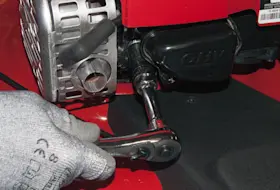
Once the wire is disconnected, grab a spark plug wrench or a suitable socket wrench. Fit it snugly over the spark plug head. The right size is crucial to prevent rounding off the hexagonal shape.
Turn the wrench counterclockwise to loosen the plug. It might require some effort if it’s been tightened firmly. Don’t rush or force it too hard—if it won’t budge, a few drops of penetrating oil can help ease the tension.
Removing The Plug Carefully
After loosening, continue turning by hand to avoid dropping the spark plug into the engine. Pull it out slowly and inspect its condition. A clean, intact plug means you can reuse it; a worn or damaged one needs replacing.
Keep a rag handy to wipe any dirt around the plug hole before inserting a new plug. Have you noticed how small steps like this keep your mower running smoothly? It’s these details that make maintenance less frustrating.
Inspecting The Spark Plug
Inspecting the spark plug is a crucial step in maintaining your lawn mower. It helps you understand how well your mower is running and whether the spark plug is doing its job. Taking a closer look can save you time and money by catching problems early.
Checking For Wear And Damage
Start by examining the spark plug’s electrode and insulator. Look for signs of wear such as rounded or eroded electrodes, cracks, or chips in the ceramic insulator. These signs indicate that the spark plug may not fire properly, causing your mower to struggle or stall.
Have you noticed your mower running rough or having trouble starting? The condition of the spark plug often tells the story. Don’t overlook corrosion or buildup around the threads, which can affect performance too.
Cleaning The Spark Plug
If the spark plug shows only minor dirt or deposits, cleaning might bring it back to life. Use a wire brush or spark plug cleaner to gently remove carbon buildup and debris. Avoid using abrasive tools that can damage the electrode.
After cleaning, check the gap between the electrodes with a feeler gauge. The correct gap ensures the spark jumps efficiently and ignites the fuel. Adjust the gap carefully if it’s too wide or narrow, as this can affect engine performance.
Determining If Replacement Is Needed
Not all spark plugs can be saved by cleaning. If you see heavy deposits, severe wear, or damage, it’s best to replace the spark plug. A worn-out plug can cause poor fuel efficiency and increase emissions.
Consider how old the spark plug is. If it’s been in use for more than a season or 25 hours of running time, replacement is often the safer choice. Are you unsure if the spark plug is the problem? Testing it with a spark plug tester can give you a clear answer before making a purchase.
Installing A New Spark Plug
Installing a new spark plug in your lawn mower is a simple task that improves engine performance. It ensures efficient ignition and smooth running. Follow these steps carefully for a secure and proper installation.
Gapping The New Spark Plug
Check the gap between the spark plug electrodes. Use a spark plug gap tool to measure this distance. Adjust the gap to match the lawn mower’s specifications. A correct gap helps the spark ignite fuel properly.
Threading The Plug By Hand
Insert the spark plug into the engine’s cylinder head. Turn it slowly by hand to avoid cross-threading. Hand threading ensures the plug fits smoothly without damaging the threads.
Tightening The Plug Properly
Use a spark plug socket and wrench to tighten the plug. Do not over-tighten; this can damage the threads or the plug. Tighten until snug, then give a slight additional turn for a secure fit.
Reconnecting The Spark Plug Wire
Attach the spark plug wire firmly to the new plug. Push it until you hear a click or feel it snap into place. A secure connection ensures the spark reaches the plug for engine ignition.
Testing The Lawn Mower
After removing and inspecting your spark plug, testing the lawn mower ensures everything is running smoothly before you get back to work. This step helps confirm that the spark plug is functioning correctly and that the engine responds as expected. Paying close attention during testing can save you from future breakdowns and unexpected frustrations.
Starting The Engine
Begin by reconnecting the spark plug wire securely to the spark plug. Make sure the lawn mower is on a flat surface and the throttle is set to the recommended starting position.
Pull the starter cord firmly and steadily. If the engine starts without hesitation, your spark plug installation is likely successful.
Listening For Proper Operation
Once the engine is running, listen carefully to the sound it makes. A healthy engine runs smoothly with a steady hum, without sputtering or irregular noises.
If you hear knocking, popping, or uneven sounds, it could indicate issues with the spark plug or fuel mixture. These auditory clues tell you whether the mower is ready or needs further attention.
Troubleshooting Common Issues
If the engine won’t start or sounds rough, check a few things right away:
- Is the spark plug wire firmly connected?
- Is the spark plug clean and gap set correctly?
- Is there fresh fuel in the tank?
- Is the air filter clean?
Sometimes, a simple fix like tightening a connection or cleaning the spark plug can get your mower back to life. What’s the last thing you checked when your mower refused to start?
Credit: www.searspartsdirect.com
Frequently Asked Questions
How Do I Safely Remove A Spark Plug From A Lawn Mower?
First, disconnect the spark plug wire to avoid shocks. Use a spark plug socket and ratchet to loosen it. Turn counterclockwise gently until the plug is free. Always work on a cool engine to prevent burns and damage.
What Tools Are Needed To Remove A Lawn Mower Spark Plug?
You’ll need a spark plug socket, a ratchet, and possibly an extension bar. These tools help loosen and remove the spark plug easily. Having a spark plug gap gauge is useful for inspection after removal.
How Often Should I Remove And Check The Spark Plug?
Check the spark plug every 25 hours of use or once per mowing season. Frequent inspection ensures optimal engine performance and fuel efficiency. Replace the spark plug if it shows wear, corrosion, or carbon buildup.
Can I Remove The Spark Plug Without Disconnecting The Wire?
No, always disconnect the spark plug wire first. This prevents accidental engine starts and electrical shocks. It’s a crucial safety step before any maintenance involving the spark plug.
Conclusion
Removing a spark plug from a lawn mower is simple with the right steps. Always make sure the mower is off and cool before starting. Use the correct tools to avoid damage. Keep track of the spark plug’s position for easy reinstallation.
Regular spark plug checks improve mower performance and save money. A little care goes a long way in lawn mower maintenance. Try this method next time your mower needs a spark plug change. You’ll find it easier than you thought.





