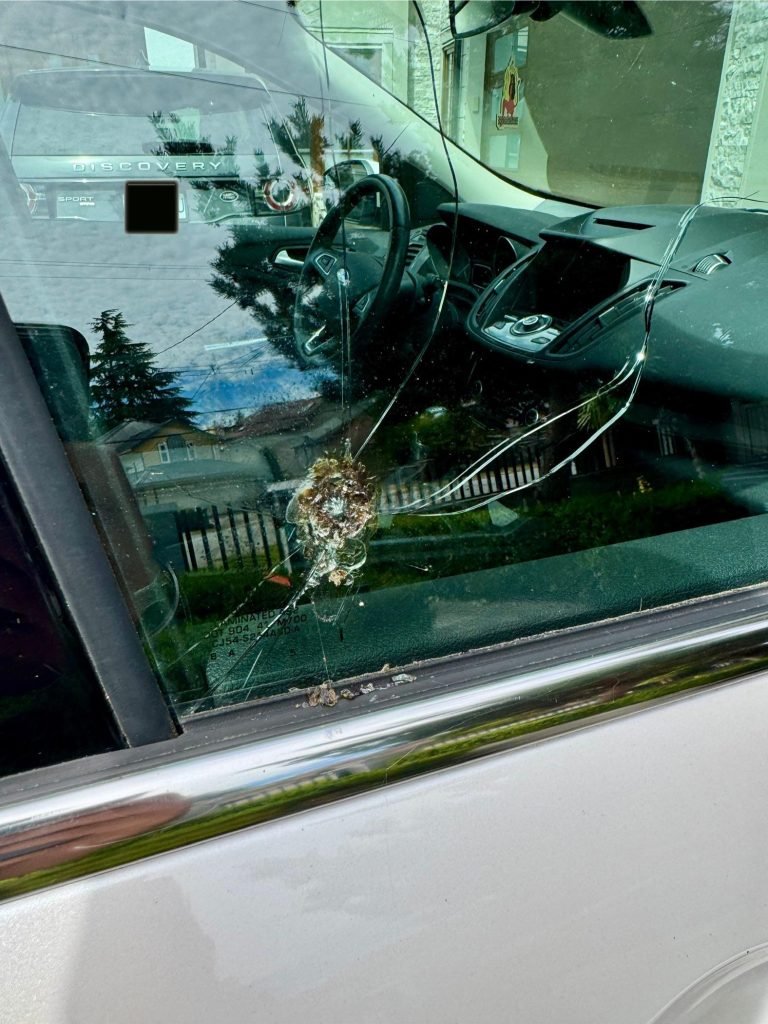
Have you ever heard that a simple spark plug can shatter a car window? It might sound like an urban legend, but it’s surprisingly true.
You might be wondering why something so small can cause such a big impact. This intriguing fact has piqued the curiosity of many, and it might just change the way you think about everyday objects. We’ll dive into the science behind this phenomenon, revealing the hidden power of spark plugs.
You’ll discover why this tiny tool holds such a surprising secret and what it means for you. Stay with us to uncover why a spark plug can be more than just a car part.
Spark Plug Basics
Understanding the basics of a spark plug is key to grasping why it can break a window. These small components play a powerful role in your vehicle’s engine, and their design and function can sometimes lead to surprising outcomes. Let’s dive into what spark plugs are and how they work to see why they can cause such damage.
What Is A Spark Plug
A spark plug is a small device that fits into your engine’s cylinder head. Its main job is to create a spark that ignites the air-fuel mixture inside the engine. Without it, your car simply wouldn’t start or run.
Spark plugs look simple but are made from durable materials like ceramics and metal. This makes them tough enough to handle extreme heat and pressure inside the engine. Have you ever thought about how something so small can survive such harsh conditions?
How Spark Plugs Work
When your engine runs, the spark plug generates a high-voltage electrical spark. This spark jumps across a tiny gap at the tip of the plug, igniting the fuel-air mix. This combustion produces the power that moves your car.
The spark plug’s metal electrode is key to producing this spark. If the plug is damaged or removed suddenly, this small piece of metal can become a dangerous projectile. Imagine the force behind an electrical spark combined with a sharp metal tip flying at high speed—this explains how it can break a window.

Credit: www.silveradosierra.com
Physics Behind The Break
The moment a spark plug shatters a window, it’s not just random luck or brute force at play. The physics behind the break reveals a fascinating interaction of energy, temperature, and pressure within the glass. Understanding these forces can help you see why something seemingly small can cause such dramatic damage.
Energy Transfer From Spark Plug
When a spark plug strikes a window, it transfers a sudden burst of kinetic energy. This energy moves from the small, hard surface of the plug directly into the glass. Because the glass is rigid and brittle, it can’t absorb the energy smoothly, so it cracks instead.
Think about dropping a rock into a calm pond—the ripples spread out. In glass, the energy tries to spread but meets resistance, causing stress points that lead to fractures. Have you ever noticed how a tiny chip in glass can quickly turn into a spiderweb crack? That’s the energy moving through the material.
Thermal Shock And Glass
A spark plug can be extremely hot when it hits the glass. This sudden heat causes the glass to expand rapidly in one small area. Since the surrounding glass stays cooler and doesn’t expand, this uneven expansion creates internal stress.
This stress is known as thermal shock. It’s like heating one side of a metal spoon in hot water and leaving the other side cold—the metal bends or breaks because of uneven expansion. Glass is even more sensitive to this, which is why a hot spark plug can cause it to crack instantly.
Pressure Changes In Glass
Glass isn’t just a solid block; it has microscopic imperfections and internal stresses from manufacturing. When the spark plug hits, it can cause a sudden pressure change inside the glass’s structure. These pressure changes can push weak points past their breaking limit.
Imagine squeezing a balloon too hard in one spot—it bursts where it’s weakest. Similarly, the pressure from the impact combined with existing weaknesses causes the glass to shatter. This explains why some windows break easily while others hold up better under similar impacts.
Types Of Glass And Their Reactions
Different types of glass respond differently to impacts like a spark plug hitting them. Understanding these reactions helps explain why some windows break easily while others resist damage. The glass structure and thickness play key roles in how the glass reacts to sudden forces.
Tempered Vs. Regular Glass
Tempered glass is stronger than regular glass. It is made by heating and then quickly cooling the glass. This process puts the glass under tension, making it hard to break.
When a spark plug hits tempered glass, the glass shatters into small, blunt pieces. This reduces the risk of injury.
Regular glass, also called annealed glass, breaks into sharp, large shards. It has no special treatment to increase strength. A spark plug can easily crack or shatter it with force.
Glass Thickness And Durability
Thicker glass can absorb more impact before breaking. It is harder for a spark plug to break thick glass than thin glass. Durability depends on thickness and the type of glass.
Thin glass is fragile and breaks quickly under stress. Thick glass lasts longer but can still break under high force. The spark plug’s speed and angle affect the damage too.
Credit: www.africatwinforum.com
Real-world Examples
Understanding why a spark plug can break a window is easier when you look at real-life cases. These examples show how the shape, material, and force of a spark plug contribute to glass breaking. It’s not just about hitting the glass hard; it’s about how the impact is delivered.
Accidents Involving Spark Plugs
There have been several reported accidents where spark plugs caused car windows to shatter unexpectedly. In one case, a mechanic accidentally dropped a spark plug inside a car, and it shattered the passenger window instantly. The sharp edges and the concentrated force on a small area caused the glass to crack.
Think about your own experiences—have you ever dropped something small but heavy, like a tool, and saw it break glass? That’s because objects like spark plugs focus energy on one tiny spot, which glass cannot handle well.
These accidents highlight the importance of handling spark plugs carefully around glass surfaces. Even a slight slip can cause costly damage, so keeping spark plugs away from windows is a practical safety tip.
Laboratory Demonstrations
Scientists and educators often use spark plugs in controlled experiments to demonstrate how impact force affects glass. In labs, a spark plug dropped from a certain height consistently breaks standard glass panels.
These demonstrations reveal that it’s not the weight alone but the pointed tip and hard ceramic material that cause the glass to fail. The spark plug’s design makes it an excellent example of how stress concentrates on glass.
Next time you see a spark plug, consider how its shape and hardness can cause damage, even without much force. Could understanding this help you prevent accidents at home or work?
Safety Precautions
Safety is crucial when handling spark plugs, especially around glass surfaces. A spark plug can easily break a window if dropped or thrown accidentally. Taking the right precautions helps avoid injuries and costly damage. Understanding how to manage spark plugs carefully ensures a safer environment for everyone.
Handling Spark Plugs Safely
Always hold spark plugs firmly to prevent slips. Use gloves to improve grip and protect your hands. Avoid tossing or dropping spark plugs near glass or fragile areas. Store spark plugs in a padded container to cushion impacts. Keep them away from children and pets to prevent accidents.
Preventing Glass Breakage
Maintain a clear workspace free of glass near spark plugs. Place spark plugs on soft surfaces like cloth or foam. Use barriers or shields when working close to windows. Clean up broken glass immediately to avoid injuries. Avoid throwing or dropping spark plugs near any glass surface.

Credit: www.reddit.com
Frequently Asked Questions
Why Does A Spark Plug Break A Window?
A spark plug breaks a window due to its hard, dense material and high velocity when thrown. The glass is fragile and cannot withstand the impact force. The focused point of contact causes the glass to shatter instantly.
Can A Spark Plug Cause Serious Window Damage?
Yes, a spark plug can cause serious window damage. Its solid metal construction and sharp edges create concentrated impact. This impact often leads to cracks or full window breakage, especially on thin or tempered glass.
What Makes Spark Plugs Effective At Breaking Glass?
Spark plugs are effective at breaking glass because of their compact size and heavy metal core. When thrown, they hit with significant force on a small area. This pressure exceeds the glass’s tensile strength, causing it to shatter.
Are All Windows Equally Vulnerable To Spark Plug Impacts?
No, window vulnerability varies. Tempered and laminated glass resist impacts better than regular glass. However, even tough glass can break if the spark plug hits a weak spot or edge with enough force.
Conclusion
A spark plug can break a window because it is hard and small. When thrown with force, it can hit glass and cause cracks. The glass shatters due to the impact and pressure. Understanding this helps explain accidents involving spark plugs.
Always handle spark plugs carefully to avoid damage. Knowing why windows break can prevent costly repairs. Stay safe by keeping spark plugs away from fragile surfaces. This simple fact shows how physics works in everyday life.





