
If you’ve ever tried starting your lawn mower only to hear a sputter instead of a roar, you’re not alone. Many homeowners face this frustration, often unaware that the solution might be simpler than they think.
The culprit? It could be your spark plug. Knowing where the spark plug is on your lawn mower can save you time, money, and a trip to the repair shop. Imagine effortlessly maintaining a perfect lawn with a mower that starts on the first pull, every time.
By understanding the location and function of your spark plug, you empower yourself to tackle minor issues with confidence. In this guide, we’ll take you step-by-step through finding that elusive spark plug, ensuring your mower runs smoothly. Ready to turn frustration into triumph? Let’s dive in!
Credit: www.familyhandyman.com
Role Of The Spark Plug
The spark plug plays a crucial role in your lawn mower’s engine. Without it, the engine can’t start or run efficiently. Understanding what the spark plug does helps you maintain your mower better and avoid frustrating breakdowns.
How The Spark Plug Works
The spark plug creates a small but powerful spark inside the engine’s cylinder. This spark ignites the fuel-air mixture, causing combustion. That explosion pushes the piston down, which turns the engine’s crankshaft and powers the mower.
Think of the spark plug as the engine’s ignition switch. If it fails to spark, your mower simply won’t start or will run poorly. I once struggled with a mower that wouldn’t start until I cleaned the spark plug; that simple fix saved me a trip to the repair shop.
Importance For Engine Performance
A clean and well-functioning spark plug ensures smooth engine performance. It helps your mower start quickly and run without hiccups. If the spark plug is dirty or worn out, you might notice hard starting, rough idling, or reduced power.
Ignoring the spark plug can increase fuel consumption and even cause engine damage over time. Regular checks and replacements keep your mower running efficiently and extend its life. Have you checked your spark plug lately? It could be the key to a better mowing experience.

Credit: www.reddit.com
Common Locations On Lawn Mowers
Finding the spark plug on a lawn mower is easier when you know where to look. Most spark plugs sit near key engine parts for easy access. Recognizing common spark plug spots can save time during maintenance. This section highlights typical locations on lawn mowers.
Spotting Near The Engine Cylinder
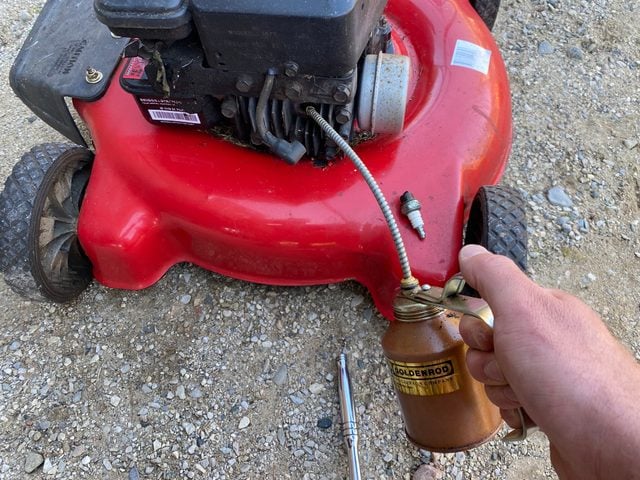
The spark plug usually sits close to the engine cylinder. The cylinder is the main part where fuel burns. Look for a small metal piece with a thick wire attached. This wire delivers the electric spark needed to start the engine. The spark plug often sticks out of the cylinder head. It might be covered with a rubber boot to protect it from dirt and moisture.
Checking Around The Air Filter
Another common area is near the air filter housing. The air filter cleans the air before it enters the engine. It often sits on top or beside the engine. The spark plug is usually close to this part. You might see a wire running from the air filter area to the spark plug. This location is easy to reach for quick checks or replacements.
Tools Needed To Locate The Spark Plug
Finding the spark plug on a lawn mower requires a few basic tools. These tools help you identify and access the spark plug easily. Having the right equipment makes the task safer and quicker. Below is a simple guide on the tools needed to locate the spark plug on your lawn mower.
Essential Tools List
- Screwdriver – to remove any covers or panels
- Socket wrench with spark plug socket – to loosen and remove the spark plug
- Flashlight – to see clearly in tight or dark spaces
- Gloves – to protect your hands from dirt and heat
- Rag or cloth – to clean around the spark plug area
Safety Gear Recommendations
- Protective gloves – prevent cuts and burns
- Safety glasses – shield your eyes from debris
- Long sleeves – protect your arms from scratches
- Closed-toe shoes – protect your feet from heavy parts
- Work in a well-ventilated area to avoid fumes
Step-by-step Spotting Guide
Finding the spark plug on your lawn mower might seem tricky at first, but it becomes straightforward once you know where to look. This guide walks you through the process clearly, helping you identify and access the spark plug safely. With a few simple steps, you’ll be ready to check or replace it without hassle.
Preparing The Mower
Start by making sure your lawn mower is turned off and completely cool. Disconnect the spark plug wire to avoid any accidental starts. This small safety step can prevent shocks or injuries while you work on your mower.
Next, move your mower to a flat surface with enough light so you can see the engine clearly. Having the right tools nearby, like a wrench or socket set, makes the job smoother. A clean workspace helps you stay organized and focused.
Visual Inspection Tips
Look for a thick wire leading from the engine to a small metal component – that’s usually the spark plug. It’s often located near the top or side of the engine, sticking out with a ceramic insulator and metal tip. Check around the engine for a boot or cap that covers the plug.
If the spark plug is hidden behind dirt or grass buildup, gently clean the area with a brush or cloth. You might notice a hexagonal shape on the plug’s body, which is designed for a wrench. Spotting these signs helps you identify the plug quickly without guessing.
Removing Covers And Guards
Some lawn mowers have protective covers or guards hiding the spark plug. These parts usually snap or screw into place. Use a screwdriver or socket wrench to carefully remove these covers without damaging them.
Keep the screws or clips in a safe place so you can easily reattach the covers later. Once removed, you’ll have clear access to the spark plug for inspection or replacement. Have you ever tried working without removing these covers? It often leads to frustration and wasted time.
Identifying Spark Plug Features
Identifying the spark plug on a lawn mower is easier when you know its key features. The spark plug is a small but vital part of the engine. It helps start the mower by creating a spark in the combustion chamber. Knowing how to spot it can save time during maintenance or repairs.
Focus on two main features to find the spark plug: the plug wire and the shape of the plug itself. These details stand out among other engine parts. Recognizing them will guide you quickly to the spark plug’s exact location.
Recognizing The Plug Wire
The plug wire is a thick, insulated cable. It usually has a rubber or plastic boot on the end. This boot fits snugly over the spark plug’s top. The wire carries electricity from the ignition coil to the spark plug.
You can follow the plug wire from the ignition coil. The wire often looks different from other cables. It is usually thicker and shorter. This feature helps find the spark plug fast.
Distinguishing The Spark Plug Shape
The spark plug has a unique shape compared to other engine parts. It is a small metal cylinder with a hexagonal section for a wrench. The bottom end has a small gap between two electrodes.
The top end connects to the plug wire boot. The metal body is often shiny or silver. Dirt or oil may cover it, but its shape stays clear. Spotting this shape helps confirm the spark plug’s spot.
Troubleshooting Common Issues
Troubleshooting common spark plug issues can save you time and frustration when your lawn mower won’t start or runs poorly. Knowing what to look for and where to check can help you fix problems quickly. Let’s dive into some practical tips to identify and solve spark plug troubles.
When You Can’t Find The Spark Plug
Sometimes, locating the spark plug feels like a scavenger hunt. It’s usually near the engine’s cylinder head, but if you’re new to lawn mower maintenance, it might not be obvious.
Look for a thick wire connected to a small, metal part protruding from the engine block. This wire is the spark plug wire, and it leads straight to the spark plug itself.
If your mower has a plastic or metal cover over the engine, you may need to remove it first. Keep a flashlight handy to spot the spark plug in tight, shadowed spaces.
Signs Of Spark Plug Problems
Is your mower hard to start, or does it sputter and stall during use? These are classic signs that your spark plug might be the culprit.
- Engine won’t start:A worn or fouled spark plug can stop the engine from igniting fuel.
- Rough idling:If the mower runs unevenly or stalls when idling, the spark plug might be dirty or damaged.
- Poor fuel efficiency:A bad spark plug can cause incomplete combustion, wasting fuel.
- Visible damage or buildup:Check the spark plug for carbon deposits, oil, or cracks on the ceramic insulator.
Have you ever cleaned a spark plug and noticed your mower ran smoother afterward? Sometimes, a quick scrub with a wire brush is all it takes to get back on track.
Don’t overlook the spark plug gap either. If it’s too wide or narrow, the spark won’t fire correctly. A spark plug gap tool can help you measure and adjust it easily.
Maintenance Tips After Locating
Once you’ve found the spark plug on your lawn mower, keeping it in good shape is essential for smooth engine performance. Regular maintenance not only extends the life of the spark plug but also helps your mower start easily and run efficiently. Let’s look at some practical tips to keep your spark plug clean and know when it’s time to replace it.
Cleaning The Spark Plug
Cleaning the spark plug is a simple task that can make a big difference. Start by removing any dirt or debris around the plug with a soft brush or compressed air. This prevents contaminants from entering the engine.
Next, inspect the spark plug for buildup or carbon deposits. Use a wire brush or spark plug cleaner to gently scrub the electrode and insulator. Make sure you don’t damage the ceramic part while cleaning.
Check the gap between the electrodes using a feeler gauge. If it’s too wide or narrow, carefully adjust it to the manufacturer’s specifications. This gap is crucial for proper spark generation and engine ignition.
Replacing When Needed
How do you know when it’s time to replace your spark plug? If cleaning doesn’t improve your mower’s performance or if the electrode looks worn or damaged, replacement is necessary. A worn spark plug can cause hard starting, misfires, or poor fuel efficiency.
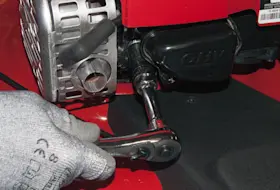
Choose the right spark plug model for your mower by checking the owner’s manual. Installing the wrong type can lead to engine problems or reduced performance. Always apply a small amount of anti-seize compound to the threads before screwing it in to prevent it from getting stuck.
After installing a new plug, tighten it securely but avoid over-tightening, which can crack the insulator or strip the threads. Have you noticed your mower struggling to start lately? It might be time to give the spark plug a closer look.
Credit: www.searspartsdirect.com
Frequently Asked Questions
Where Is The Spark Plug Located On A Lawn Mower?
The spark plug is usually on the engine’s side, near the cylinder head. It connects to a thick wire for ignition.
How Can I Find The Spark Plug On My Mower?
Look for a thick wire leading to a small metal component on the engine. That metal part is the spark plug.
Why Is The Spark Plug Important For Lawn Mowers?
It ignites the fuel-air mixture in the engine. Without it, the mower won’t start or run.
Can I Replace The Spark Plug Myself?
Yes, you can. Make sure the engine is cool, disconnect the wire, and unscrew the old spark plug carefully.
Conclusion
Finding the spark plug on your lawn mower is simple. It usually sits near the engine, easy to spot. Knowing its location helps you keep your mower running well. Check the spark plug regularly for dirt or wear. Clean or replace it to avoid engine problems.
Taking care of this small part saves time and money. A little maintenance goes a long way. Keep your lawn mower ready for every job.





