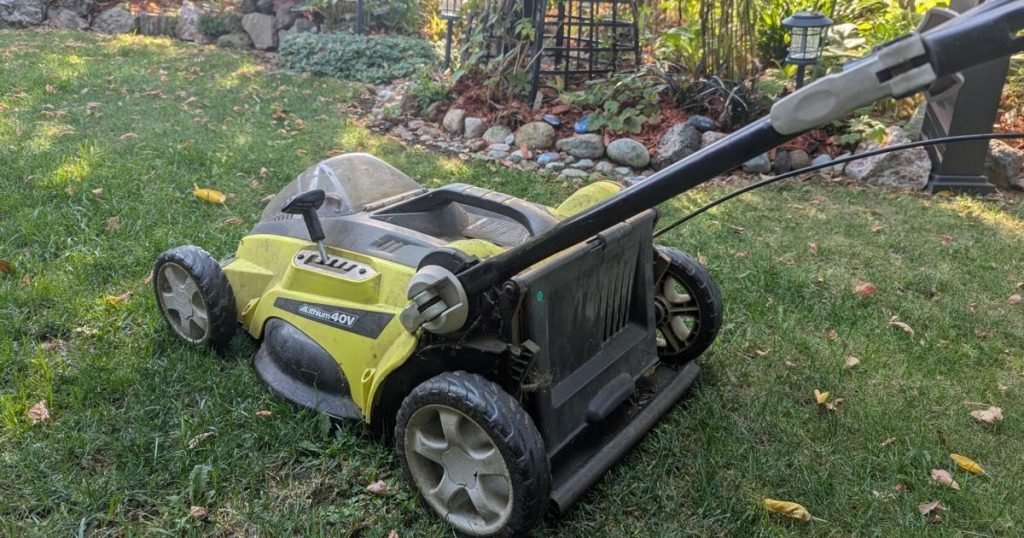
Have you ever wondered about the environmental impact of your lawn mower? You might be surprised to learn just how much these common garden tools contribute to pollution.
While they help keep your yard looking neat and tidy, lawn mowers can also be harmful to the environment. Understanding the pollution they cause can empower you to make more eco-friendly choices. So, if you’re curious about the hidden costs of maintaining your lawn, read on.
This article will reveal eye-opening facts that could change the way you care for your grass, and might even inspire you to explore greener alternatives.
Lawn Mower Emissions
Lawn mower emissions contribute significantly to air pollution in many neighborhoods. These machines release various harmful gases during operation. Understanding these emissions helps to make better choices for the environment and personal health.
Types Of Pollutants Released
Lawn mowers emit several pollutants. The main ones include:
- Carbon monoxide (CO) – a toxic gas harmful to humans and animals.
- Volatile organic compounds (VOCs) – contribute to smog and respiratory issues.
- Nitrogen oxides (NOx) – linked to respiratory problems and environmental damage.
- Particulate matter – tiny particles that can enter lungs and cause health problems.
Gas-powered mowers produce more of these pollutants than electric models. Small engines often lack advanced pollution controls. This leads to higher emissions in short mowing sessions.
Comparing Gas And Electric Models
Gas lawn mowers run on gasoline and release exhaust gases. These include carbon monoxide, VOCs, and NOx. They can pollute as much as several cars during one hour of use.
Electric mowers, powered by batteries or electricity, have zero tailpipe emissions. They do not produce harmful gases while running. Their overall environmental impact depends on how electricity is generated.
| Type | Emissions | Environmental Impact |
|---|---|---|
| Gas Lawn Mower | High CO, VOCs, NOx, particulate matter | Higher air pollution, noise, and fuel use |
| Electric Lawn Mower | Zero direct emissions | Lower pollution, quieter, depends on power source |
Carbon Footprint Of Lawn Mowers
The carbon footprint of lawn mowers is an important factor to consider if you care about your environmental impact. These machines might seem small, but their fuel use and emissions add up quickly. Understanding how much carbon dioxide they release helps you make better choices for your yard and the planet.
Fuel Consumption And Co2 Output
Lawn mowers typically run on gasoline or electricity, but gas-powered models dominate and consume fossil fuels. A standard gas mower uses about half a gallon of fuel per hour, releasing roughly 7 pounds of CO2. This means mowing your lawn for just one hour contributes more carbon emissions than driving a car 20 miles.
Electric mowers produce no direct emissions but still rely on the electricity grid, which may use fossil fuels. Switching to electric can reduce your personal carbon footprint, especially if your electricity comes from renewable sources. Have you checked where your power is coming from lately?
Impact On Greenhouse Gas Levels
Greenhouse gases from lawn mowers add to the global warming problem by trapping heat in the atmosphere. While each mower’s output is small alone, millions in use multiply this effect significantly. This hidden source of pollution often goes unnoticed in everyday conversations about climate change.
Reducing your mower’s greenhouse gas output can start with simple actions like mowing less frequently or using manual push mowers. These choices lower emissions and can even save you money on fuel. How might cutting back your mowing schedule change your lawn and your carbon footprint?
Air Quality Concerns
Air quality concerns around lawn mowers are often overlooked. Yet, these machines release pollutants that can linger in your neighborhood’s air. Understanding their impact helps you make smarter choices about lawn care and your health.
Effects On Local Air Pollution
Lawn mowers, especially gas-powered ones, emit harmful pollutants like carbon monoxide, nitrogen oxides, and volatile organic compounds. These chemicals contribute to smog and worsen local air quality.
Did you know that just one hour of lawn mowing can produce as much pollution as driving a car for 100 miles? This surprising fact shows how much local air pollution spikes during lawn care season.
Using electric or battery-powered mowers can significantly cut down on these emissions. Even switching to manual reel mowers eliminates pollution altogether.
Health Risks From Emissions
The pollutants from lawn mowers don’t just harm the environment—they affect your health too. Breathing in these emissions can irritate your lungs, worsen asthma, and increase the risk of heart problems.
I once experienced shortness of breath after mowing the lawn with a gas mower on a calm day. That personal discomfort made me rethink my choice and switch to a quieter, cleaner electric mower.
Are you exposing your family to these risks every time you mow? Choosing low-emission alternatives or mowing when the air is moving can reduce your exposure.
Credit: pirg.org
Noise Pollution And Wildlife
Noise pollution from lawn mowers is more than just an annoyance for your neighbors—it can seriously affect local wildlife. The constant hum or roar disrupts natural habitats and can scare away animals that rely on quiet surroundings. Understanding how loud different mowers are and their impact on urban and suburban animals helps you make better choices for your yard and the environment.
Decibel Levels Of Different Mowers
Gas-powered mowers usually produce noise levels between 85 and 100 decibels, which is loud enough to cause hearing damage with prolonged exposure. Electric mowers, including battery-powered ones, tend to be much quieter, often around 60 to 75 decibels. This difference means switching to an electric mower can reduce noise pollution significantly.
Here’s a quick comparison table:
| Lawn Mower Type | Average Decibel Level (dB) |
|---|---|
| Gas-Powered Mower | 85 – 100 dB |
| Electric Corded Mower | 60 – 75 dB |
| Battery-Powered Mower | 60 – 75 dB |
| Manual Reel Mower | Silent – Very Low |
Have you noticed how your pet reacts differently to the mower sound? That’s a clue to how animals perceive it too.
Impact On Urban And Suburban Wildlife
Many birds and small mammals depend on quiet environments to communicate, hunt, or avoid predators. Loud lawn mowers can cause them to flee their habitats temporarily or even permanently. This disruption reduces biodiversity in your own backyard.
Urban wildlife like squirrels and songbirds may stop visiting areas with frequent loud mowing, while sensitive species such as owls can be driven away entirely. The noise also interrupts nesting and feeding patterns, which can lead to lower survival rates for young animals.
What if you adjusted your mowing schedule to early morning or late afternoon when wildlife activity is lower? Small changes like this can help protect local creatures without compromising your lawn care.
By choosing quieter tools and being mindful of when and how you mow, you can reduce noise pollution and support a healthier ecosystem around your home.
Environmental Costs Beyond Emissions
Lawn mowers affect the environment beyond just the smoke they emit. Their full impact includes how they are made and what happens after they are thrown away. These hidden costs add to pollution and waste.
Manufacturing And Disposal Impacts
Making lawn mowers uses energy and raw materials like metal and plastic. Mining and processing these materials harm nature. Factories also produce waste and pollution during assembly.
When lawn mowers become old or broken, they often end up in landfills. Parts like batteries and oils can leak harmful chemicals. Recycling rates for mowers remain low, increasing toxic waste.
Fuel Production And Supply Chain Effects
Gas-powered mowers rely on fuel from oil drilling and refining. Extracting and transporting oil causes spills, habitat damage, and carbon emissions. Each step adds pollution before fuel even reaches the mower.
The supply chain involves trucks and ships burning fuel to deliver parts and gas. This chain increases the overall carbon footprint of lawn mowing. Electric mower supply chains also have environmental costs from battery production.
Alternatives To Traditional Lawn Mowers
Traditional gas-powered lawn mowers are known for their noise and pollution. Thankfully, there are alternatives that reduce your carbon footprint without sacrificing a neat lawn. These options can save you money on fuel and maintenance, while also making your mowing experience more enjoyable.
Battery-powered And Electric Options
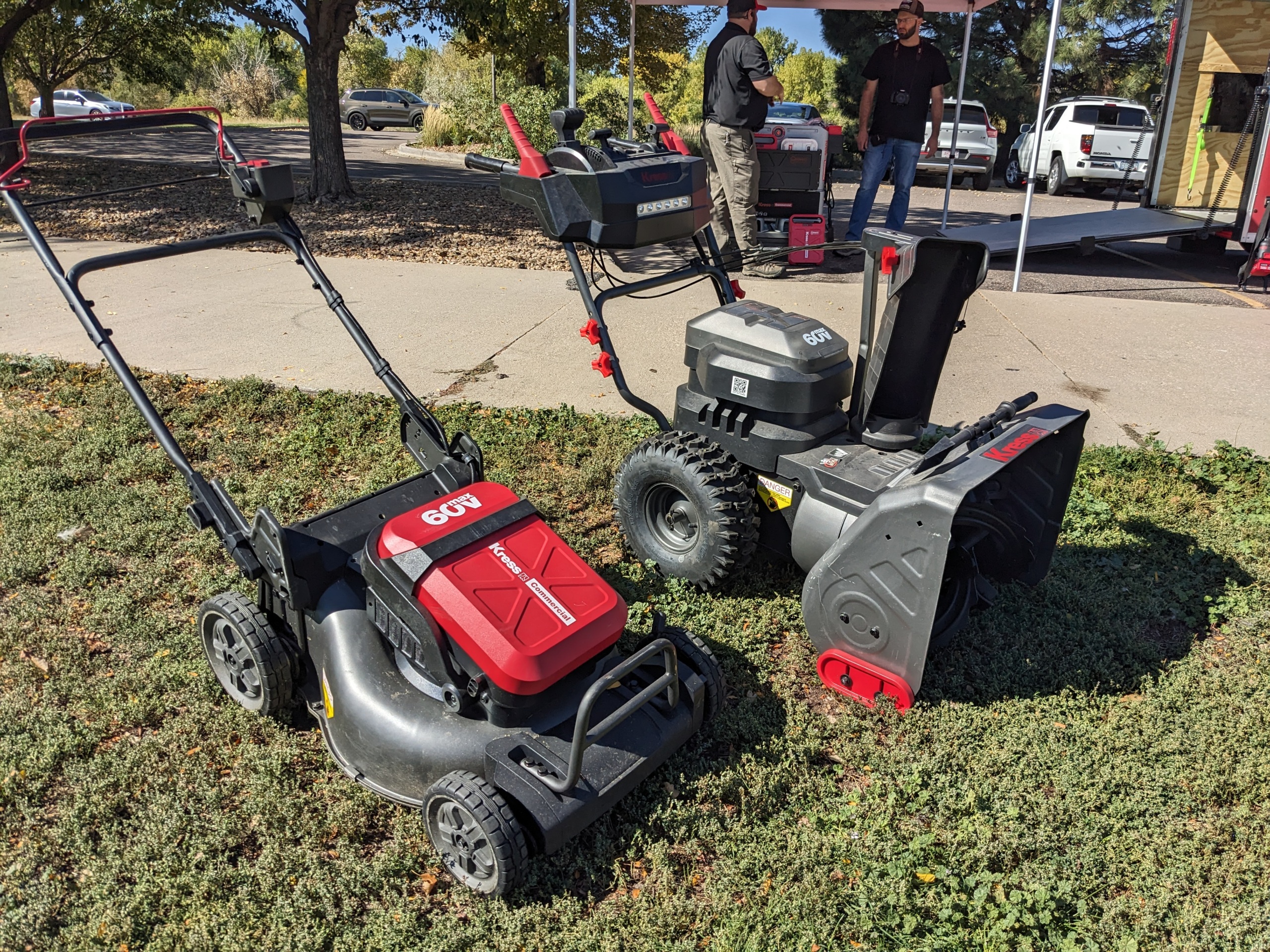
Battery-powered and electric lawn mowers produce zero emissions during use. They run quietly, so you won’t disturb your neighbors or wildlife. Plus, they require less maintenance since there’s no need for oil changes or spark plugs.
Many models offer long battery life and quick charging times. Some even come with smart features like adjustable cutting heights and self-propulsion. Have you tried one? Switching to electric might surprise you with how easy and efficient mowing can be.
Manual And Robotic Mowers
Manual reel mowers are a simple, eco-friendly choice. They don’t use any fuel or electricity, and their quiet operation makes mowing peaceful. Using one can give you a bit of exercise while you work on your yard.
Robotic mowers offer a hands-free experience. They quietly trim your lawn on a schedule you set, using electric power. These devices save time and reduce emissions, but require an initial investment and setup.
Would you prefer to get some fresh air while mowing, or let a robot handle the job while you relax? Both alternatives can significantly cut down pollution compared to traditional mowers.
Reducing Lawn Mower Pollution
Reducing lawn mower pollution is essential for cleaner air and a healthier environment. Small changes in how we use and maintain lawn mowers can lower harmful emissions. Communities and governments also play a key role in promoting greener options. Together, these efforts help reduce pollution from lawn care activities.
Best Practices For Use And Maintenance
Proper use and care of lawn mowers can cut down pollution significantly. Follow these tips for cleaner mowing:
- Use electric or battery-powered mowers instead of gas models.
- Keep the mower engine tuned and clean for better efficiency.
- Change the air filter and spark plug regularly.
- Use fresh, clean fuel to reduce harmful emissions.
- Limit mowing time and avoid running the mower in high-traffic areas.
- Mow grass at the right height to reduce strain on the mower.
Community And Policy Initiatives
Communities and policymakers help reduce pollution by encouraging eco-friendly practices. Some initiatives include:
- Offering rebates or incentives for electric mower purchases.
- Setting rules that limit gas mower use during high pollution days.
- Organizing community clean-up and lawn care awareness programs.
- Promoting shared use of electric mowers in neighborhoods.
- Supporting research for cleaner, quieter lawn equipment.
Credit: www.977maxfm.ca

Credit: www.pediamower.com
Frequently Asked Questions
How Much Pollution Do Gasoline Lawn Mowers Produce?
Gasoline lawn mowers emit high levels of carbon monoxide and hydrocarbons. They contribute significantly to air pollution and smog formation. Running a gas mower for one hour can produce as much pollution as driving a car for several hundred miles.
Are Electric Lawn Mowers Less Polluting Than Gas Ones?
Yes, electric lawn mowers produce zero direct emissions. They are quieter and cleaner for the environment. However, pollution depends on the electricity source; renewable energy reduces their overall carbon footprint.
What Pollutants Are Emitted By Lawn Mowers?
Lawn mowers emit carbon monoxide, nitrogen oxides, and volatile organic compounds. These contribute to air pollution and can harm respiratory health. Gas-powered mowers release more pollutants than electric or battery-operated models.
Can Using A Lawn Mower Impact Local Air Quality?
Yes, frequent use of gas-powered mowers worsens local air quality. Pollutants contribute to smog and respiratory issues. Choosing cleaner alternatives or mowing less often helps reduce these negative effects.
Conclusion
Lawn mowers release harmful gases into the air every time they run. Gas-powered mowers pollute more than electric ones. This pollution can affect air quality and health. Choosing cleaner options helps reduce damage to the environment. Small changes, like mowing less often, also make a difference.
Being aware of mower pollution is the first step. Protect the planet while keeping your lawn neat. Simple actions today lead to a healthier tomorrow.





