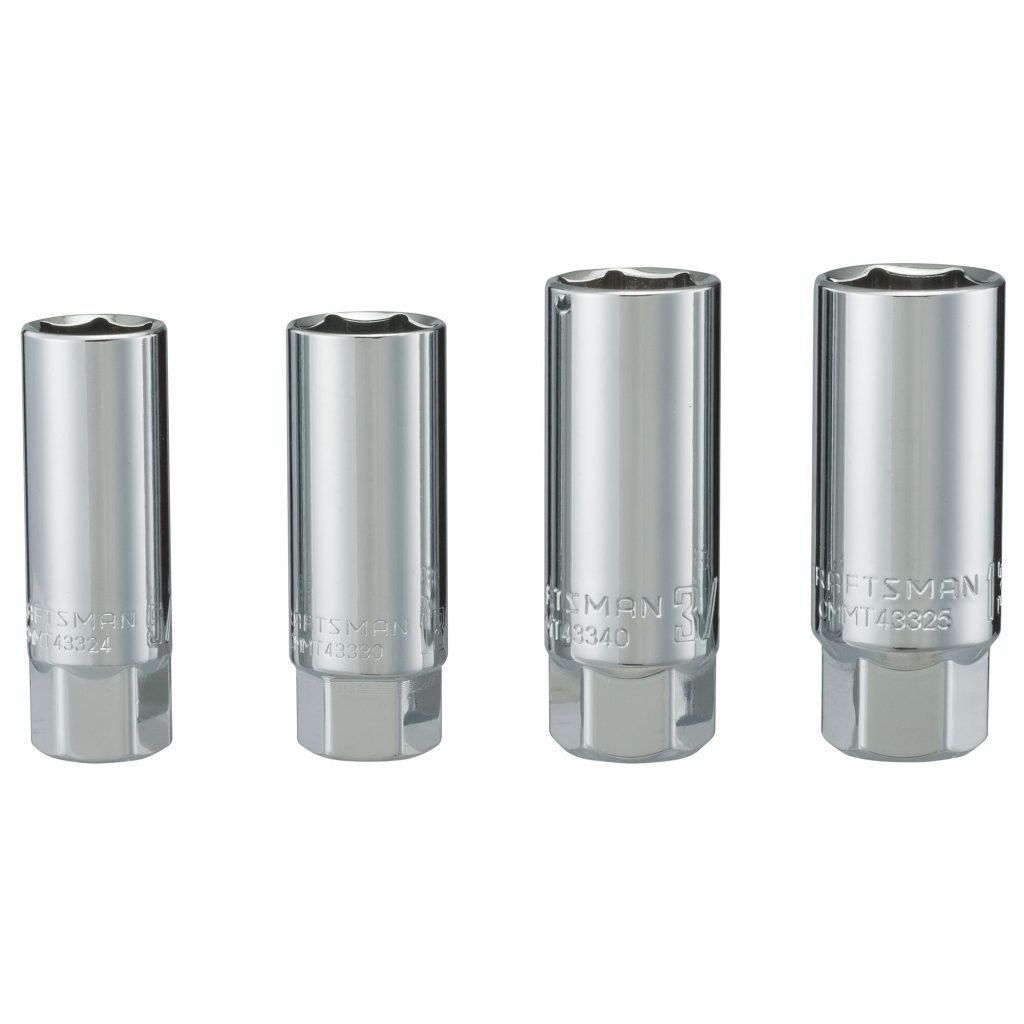
Are you standing in your garage, staring at a set of spark plugs and wondering which socket size to use? You’re not alone.
Many car enthusiasts and DIY mechanics find themselves puzzled by this seemingly simple task. Choosing the right socket size isn’t just about convenience; it’s crucial for maintaining your vehicle’s performance and avoiding damage. You’ll discover everything you need to know about selecting the perfect socket size for your spark plugs.
We’ll guide you through the process with clear explanations and practical tips, ensuring you can tackle this task with confidence. Keep reading, because understanding these details could save you time, money, and a whole lot of frustration.
Spark Plug Socket Sizes
Spark plug socket sizes vary depending on the type of engine and spark plug used. Using the correct socket size ensures a proper fit and prevents damage. It makes removing and installing spark plugs easier and safer. Understanding these sizes helps choose the right tool for the job.
Common Socket Sizes
Most spark plugs require sockets in these sizes:
- 5/8 inch (16 mm) – Very common for many car engines
- 13/16 inch (21 mm) – Used for larger spark plugs
- 9/16 inch (14 mm) – Found in some motorcycles and small engines
- 3/4 inch (19 mm) – Less common but available for specific plugs
Sockets often have a rubber insert or magnetic feature. This holds the spark plug securely during removal or installation.
Metric Vs Imperial Measurements
Sockets come in both metric and imperial sizes. Metric sockets use millimeters, while imperial sockets use inches.
Car manufacturers may specify spark plug sizes in either system. European and Asian cars mostly use metric sizes. American vehicles may use imperial sizes more often.
Using the correct measurement system avoids stripping the spark plug or socket. Always check your vehicle manual to know the right size. Having both sets of sockets helps cover all needs.
Choosing The Right Socket
Choosing the right socket for a spark plug is key for easy removal and installation. Using the wrong size can cause damage or make the job harder. Knowing how to pick the perfect socket helps save time and effort.
Checking Spark Plug Specifications
Start by checking the spark plug’s size listed on its packaging or manual. The size usually refers to the hex shape across the flats of the plug. Common sizes include 5/8 inch and 13/16 inch. Knowing this number guides you to the socket size needed.
Some spark plugs also show metric sizes like 16mm or 21mm. Always match the socket size to these specs for a snug fit. Using a socket that is too big or too small can strip the plug or make it hard to turn.
Matching Socket To Plug Type
Spark plugs come in different types, such as standard or iridium. The socket choice may vary depending on the plug’s design. Most sockets for spark plugs have a rubber insert or foam padding inside. This holds the plug securely and protects the ceramic part.
Look for sockets labeled as spark plug sockets. They come in common sizes like 5/8 inch or 13/16 inch and often fit metric sizes too. Having the right socket type ensures a firm grip and prevents damage during removal or installation.
Tools For Spark Plug Replacement
Replacing a spark plug is a straightforward task, but having the right tools makes all the difference. Using the correct equipment not only saves time but also prevents damage to the spark plug or engine. Let’s look at the essential tools you’ll need for a smooth spark plug replacement.
Socket Wrenches
The core tool for spark plug removal and installation is the socket wrench. Specifically, you need a spark plug socket, which usually comes with a rubber insert to grip the plug securely.
Common spark plug socket sizes are 5/8 inch (16mm) and 13/16 inch (21mm), but you should confirm your spark plug’s size before buying one.
Using a regular socket can slip or damage the plug, so investing in a proper spark plug socket is worth it.
Torque Wrenches
Have you ever wondered why some spark plugs fail prematurely? Over-tightening or under-tightening could be the culprit.
A torque wrench ensures you apply the exact amount of force recommended by your vehicle’s manufacturer. This prevents damage to the threads and ensures a proper seal.
Even if you’re confident with a socket wrench, a torque wrench adds precision and protects your engine.
Extensions And Adapters
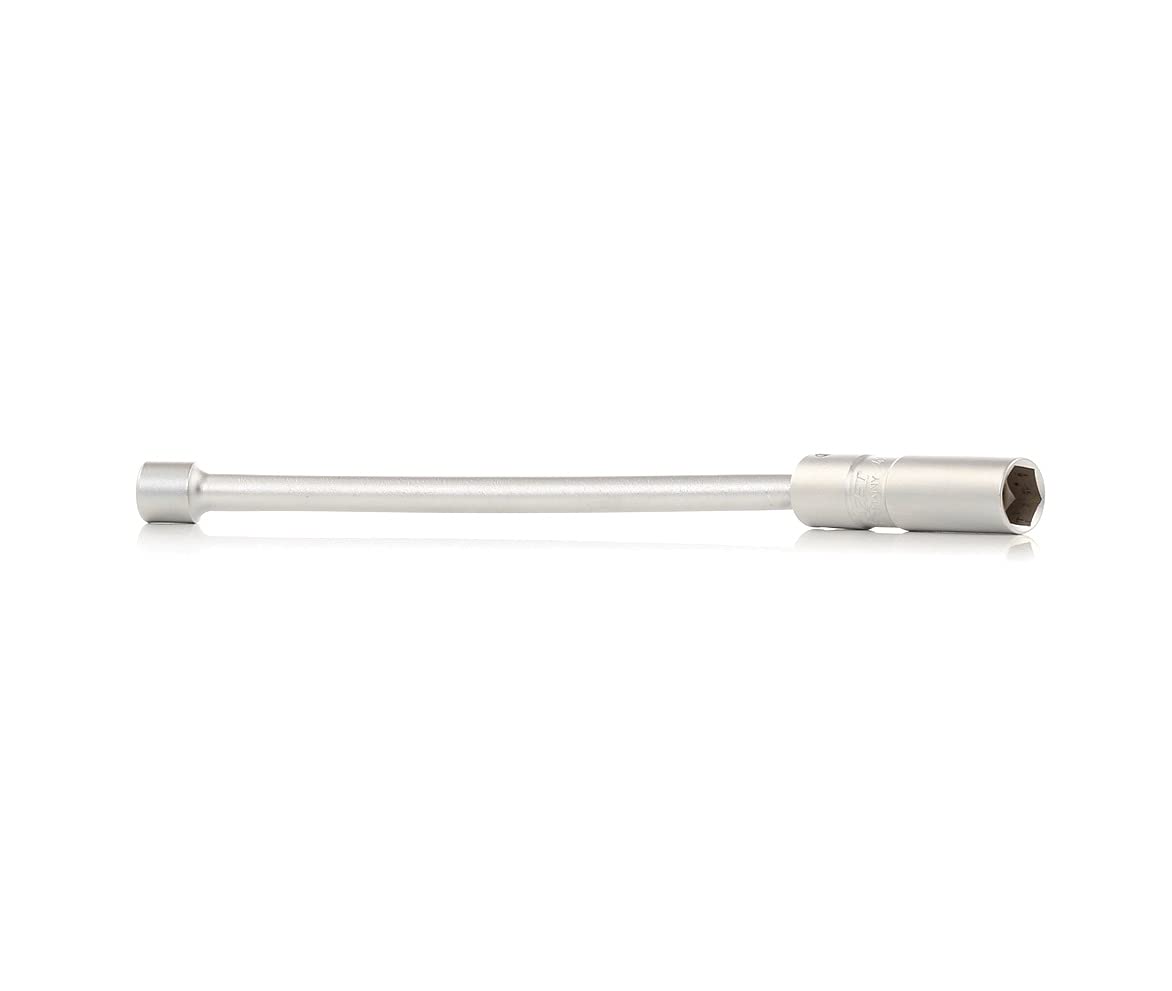
Sometimes spark plugs sit deep in the engine bay or in tight spaces. Extensions help you reach those hard-to-access plugs without forcing or bending.
Adapters might be necessary if your torque wrench or socket wrench doesn’t match the spark plug socket size exactly.
Having a variety of extension lengths and adapters ready gives you flexibility and prevents frustration during the job.

Credit: www.amazon.com
Tips For Using Spark Plug Sockets
Using the right spark plug socket makes the job easier and safer. A spark plug socket fits snugly around the plug, helping you remove or install it without slipping. Following some simple tips ensures you protect the spark plug and get the best results.
Avoiding Damage To Spark Plugs
Choose a spark plug socket with a rubber insert or foam cushion. This holds the plug firmly and prevents cracking. Avoid using regular sockets, as they may crush or break the ceramic part.
Do not apply too much force when loosening or tightening. Spark plugs are fragile and can break under excessive pressure. Turn slowly and stop if you feel resistance.
Keep the socket and spark plug clean. Dirt or grit can scratch or damage the plug threads. Wipe off any debris before working.
Proper Socket Handling Techniques
Use a ratchet wrench with a long handle for better control. This reduces the chance of slipping or over-tightening. Avoid using impact tools on spark plugs.
Align the socket straight with the spark plug. Angled pressure can damage the plug or strip threads.
Hold the socket steady while turning. Let the ratchet do the work, not your wrist. This reduces fatigue and improves precision.
After loosening, pull the spark plug out carefully with the socket. Do not force or twist it off by hand.
Troubleshooting Socket Fit Issues
Finding the right socket size for your spark plug is crucial, but sometimes even the correct size can feel off. Socket fit issues can turn a simple task into a frustrating experience. Understanding how to troubleshoot these problems can save you time and prevent damage to your spark plugs or tools.
Socket Too Loose Or Tight
If your socket feels loose on the spark plug, it might not be the right size or it could be worn out. A loose socket can slip, stripping the plug’s hex and making removal difficult. Try switching to a new socket or double-check the size—most spark plugs require a 5/8 inch or 13/16 inch socket, but some vary.
On the other hand, if the socket feels too tight, don’t force it. Forcing a tight socket can damage the plug or your tool. Sometimes, debris or rust on the plug can make the socket hard to fit. Clean the spark plug’s hex area carefully and try again. If it still feels tight, verify the socket size to avoid using the wrong one.
Dealing With Stubborn Spark Plugs
Have you ever faced a spark plug that just won’t budge? Stubborn plugs often result from corrosion or being overtightened. Before applying extra force, spray some penetrating oil around the base and let it sit for 15-20 minutes. This can loosen rust and make removal easier.
Using a breaker bar can give you more leverage without risking damage to your socket or plug. But be cautious—too much force might snap the plug. If you hit resistance, try gently rocking the plug back and forth instead of continuous turning. This approach often loosens the grip without causing damage.
Have you ever had a spark plug socket slip and strip the plug? What steps did you take to fix it? Share your experience and tips—you might help someone avoid the same problem.

Credit: r44performance.com
Credit: www.amazon.com
Frequently Asked Questions
What Size Socket Fits Most Spark Plugs?
Most spark plugs use a 5/8-inch socket. Some require a 13/16-inch socket. Always check your vehicle’s manual for exact size.
How Do I Choose The Right Spark Plug Socket?
Pick a socket matching your spark plug size. Use a deep socket with a rubber insert for grip and protection.
Can I Use A Regular Socket For Spark Plugs?
Regular sockets may damage spark plugs. Use a spark plug socket designed to avoid slipping and breaking the plug.
Why Is Socket Size Important For Spark Plugs?
Using the correct socket size prevents damage. It ensures a secure fit and proper torque when installing or removing spark plugs.
Conclusion
Choosing the right socket size for a spark plug saves time and avoids damage. Most spark plugs need either 5/8 inch or 13/16 inch sockets. Check your vehicle’s manual to be sure. Using the correct socket fits snugly and helps remove or install spark plugs easily.
Keep the right tools ready before you start any work. This simple step makes your job smoother and safer. Remember, the right socket size matters for good engine care.





