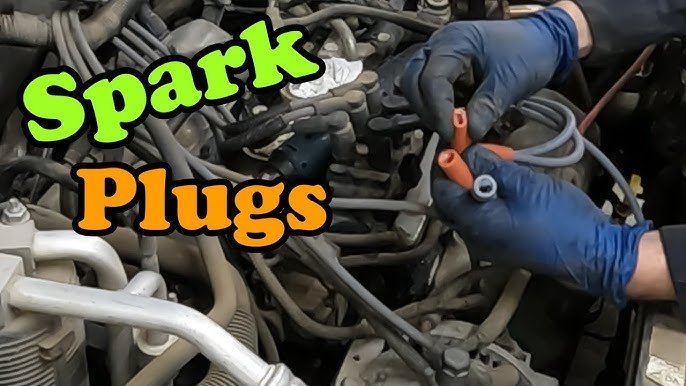
Have you ever popped the hood of your car, only to stare in confusion at the maze of parts and wires? You’re not alone.
One of the most common questions car owners have is, “Where are the spark plugs in a car? ” These small yet mighty components play a crucial role in starting your engine, yet they often remain a mystery to many.
Understanding their location is the first step to demystifying your vehicle’s inner workings. By the end of this article, you’ll not only know where to find them, but you’ll also gain a sense of empowerment and readiness to tackle basic car maintenance. So, let’s dive in and unlock the secrets under your hood together!
Credit: www.familyhandyman.com
Role Of Spark Plugs
Spark plugs play a vital role in a car’s engine. They create the spark needed to ignite the fuel-air mixture. This ignition powers the engine and keeps the car running smoothly. Without spark plugs, the engine would not start or run efficiently. Understanding their role helps in maintaining a healthy engine.
How Spark Plugs Work
Spark plugs sit in the engine’s cylinder head. They receive electrical energy from the ignition system. This energy creates a small spark between the plug’s electrodes. The spark ignites the compressed fuel-air mix inside the cylinder. This ignition causes a controlled explosion. The explosion pushes the piston down. This movement turns the engine’s crankshaft and produces power.
Impact On Engine Performance
Good spark plugs help the engine run smoothly. They ensure complete fuel combustion. This improves fuel efficiency and reduces emissions. Worn or dirty spark plugs cause misfires. Misfires make the engine run rough or stall. They can lower power and increase fuel use. Regular spark plug checks keep the engine healthy. They help maintain steady acceleration and smooth idling.

Credit: www.youtube.com
Common Spark Plug Locations
Spark plugs play a vital role in your car’s engine. They create the spark that ignites the air-fuel mixture. Knowing their common locations helps with maintenance and repairs. Spark plugs are usually hidden but accessible for servicing. Their exact position depends on the engine design and layout.
Under The Engine Cover
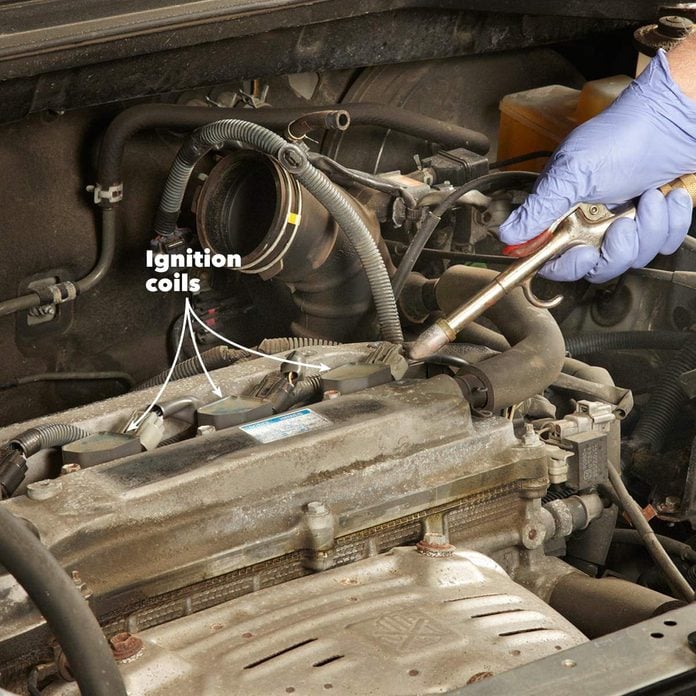
Many modern cars have an engine cover that hides important parts. Spark plugs sit beneath this cover to protect them from dirt. Removing the cover reveals the spark plug wires or ignition coils. This is often the first place to check when locating spark plugs.
Near The Cylinder Head
Spark plugs screw directly into the cylinder head. This part sits on top of the engine block. It forms the combustion chamber where the spark ignites the fuel. You can spot spark plugs by locating the cylinder head bolts and nearby wiring.
In Inline Engines
Inline engines have cylinders arranged in a straight line. Spark plugs line up on one side of the engine. They are easy to access along the cylinder head’s length. This layout makes spark plug replacement simpler and quicker.
In V-shaped Engines
V-shaped engines have two cylinder banks in a V formation. Spark plugs sit on the inner side of each bank. This design places plugs deeper inside the engine bay. Access might require removing parts near the engine’s center.
Tools To Locate Spark Plugs
Finding the spark plugs in a car requires the right tools and information. These tools help you identify the exact location quickly and safely. Knowing the right approach saves time and avoids damage.
Using A Repair Manual
A repair manual is a great tool for locating spark plugs. It shows the engine layout and spark plug positions clearly. Manuals include step-by-step instructions and diagrams. They often cover different car models and engine types. This makes it easier to find the spark plugs without guesswork.
Online Resources And Diagrams
Online resources provide detailed diagrams and pictures. Car forums and manufacturer websites offer helpful guides. You can search by your car’s make, model, and year. Some websites have videos showing where spark plugs sit. These visuals make it simple to spot the plugs quickly.
Visual Inspection Tips
Visual inspection helps confirm spark plug locations. Look for thick wires or ignition coils on top of the engine. Spark plugs usually sit under these parts. Check around the cylinder head area for small metal caps. Clean the area to see parts clearly. A flashlight can help in dark engine compartments.
Steps To Access Spark Plugs
Accessing the spark plugs in your car is a task that requires careful attention and a bit of patience. Knowing exactly where they are and how to reach them can save you time and frustration. The process generally involves removing some parts that cover the engine and then safely disconnecting components that stand in the way of the spark plugs.
Removing Engine Covers
Engine covers are often the first barrier between you and the spark plugs. These covers can be plastic or metal and are usually held in place by bolts or clips. Before you start, make sure your engine is cool to avoid burns.
Use a proper-sized socket wrench or screwdriver to remove the bolts. Keep the bolts in a safe place, so you don’t lose them. If you’ve never taken off an engine cover before, you might find it slightly stuck; gently wiggle it free rather than forcing it.
Disconnecting Ignition Coils
Ignition coils sit directly on top of the spark plugs in most modern vehicles. They supply the electrical current to the plugs, so you’ll need to disconnect them carefully. Start by unplugging the electrical connectors; these usually have small tabs you can press to release.
After unplugging, remove the bolts holding the ignition coils in place. Keep track of the order and orientation of the coils; mixing them up can cause engine issues. When pulling out the coils, do it straight up to avoid damaging the coil or the spark plug below.
Checking For Obstructions
Sometimes, other engine components or wiring can block direct access to the spark plugs. Before you start pulling anything, take a good look around to spot any obstructions. This may include air intake hoses, wiring harnesses, or brackets.
Remove or reposition these carefully to create a clear path to the spark plugs. Rushing through this step can lead to broken clips or damaged wires, which are costly to fix. Have you noticed anything unusual or tight in your engine bay that might complicate this step?
Tips For Spark Plug Maintenance
Maintaining spark plugs is essential for a car’s smooth performance. Proper care helps avoid engine problems and improves fuel efficiency. Regular checks and cleaning keep the spark plugs working well. Below are simple tips to maintain spark plugs effectively.
When To Inspect And Replace
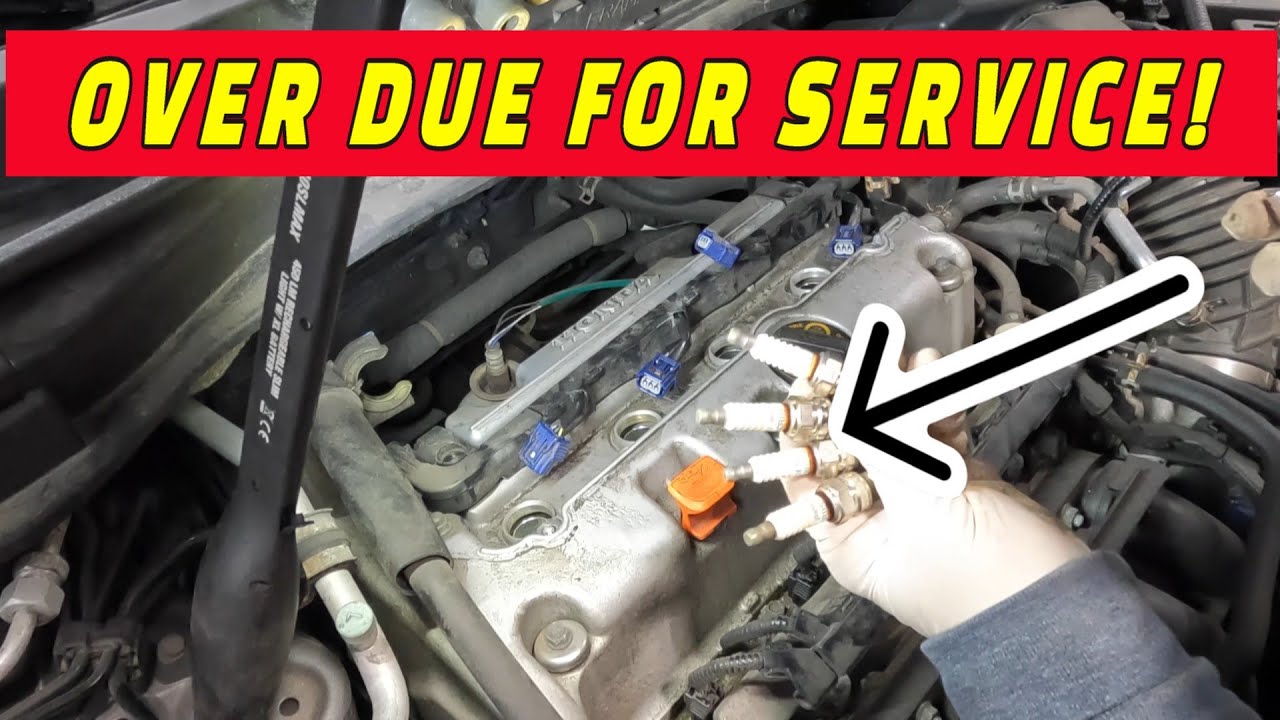
Check spark plugs every 30,000 miles or as the car manual suggests. Replace them if the engine misfires or starts roughly. Frequent short trips can cause faster wear. Inspect spark plugs during regular vehicle servicing for best results.
Signs Of Worn Spark Plugs
- Engine misfires or runs unevenly
- Difficulty starting the car
- Lower fuel efficiency
- Rough idling or stalling
- Increased exhaust emissions
These signs suggest spark plugs need attention. Ignoring them can damage the engine over time.
Cleaning And Installation Advice
Use a wire brush or spark plug cleaner to remove deposits. Avoid harsh chemicals that can damage the plug. Check the gap using a feeler gauge and adjust it to the car’s specification. Install the spark plug carefully without over-tightening to prevent damage. Use a torque wrench for correct tightness. Always replace spark plug wires if worn or damaged.
Credit: www.youtube.com
Frequently Asked Questions
Where Exactly Are Spark Plugs Located In A Car Engine?
Spark plugs are screwed into the cylinder head of the engine. They sit between the engine’s combustion chamber and the ignition system, delivering the spark needed to ignite the fuel-air mixture.
How Can I Find Spark Plugs In Different Car Models?
Spark plugs are usually found on top or side of the engine block. Consult your car’s manual for exact locations, as it varies by engine design and manufacturer.
Why Are Spark Plugs Important In A Car’s Engine?
Spark plugs ignite the air-fuel mixture in the combustion chamber. This ignition powers the engine, making spark plugs essential for starting and running the car efficiently.
How Often Should Spark Plugs Be Checked Or Replaced?
Spark plugs should typically be inspected every 30,000 to 50,000 miles. Replace them according to your car’s maintenance schedule for optimal engine performance.
Conclusion
Spark plugs sit on top of your engine’s cylinders. They help start your car by creating sparks. Knowing their location makes checking and replacing easier. Clean and working spark plugs improve engine performance. Old or dirty plugs can cause engine problems.
Regular inspection keeps your car running smooth. Keep an eye on them for better fuel use. Simple steps help avoid costly repairs later. Now, you understand where spark plugs are found. Maintaining them saves time and money.





