Are your spark plugs not performing as they should? Properly gapping your spark plugs can make a huge difference.
It can enhance your vehicle’s performance, fuel efficiency, and even its lifespan. You might think it’s a complicated task reserved for mechanics, but that’s not the case. With just a few easy steps, you can learn how to gap spark plugs correctly and keep your engine running smoothly.
Don’t risk engine misfires or poor mileage—grab your tools and let’s dive into this essential skill. Stay tuned, because mastering this could be the key to unlocking your car’s full potential.

Credit: www.youtube.com
Importance Of Spark Plug Gapping
Getting the spark plug gap right is more important than many car owners realize. The gap controls how the spark ignites the air-fuel mixture in your engine. If the gap is too wide or too narrow, your engine won’t run as smoothly as it should.
Effects On Engine Performance
The spark plug gap directly affects engine power and smoothness. If the gap is too small, the spark might be weak, causing misfires and rough idling. A gap that’s too large can make the spark inconsistent, leading to hesitation during acceleration.
Think about the last time your car stumbled or felt sluggish. A misadjusted spark plug gap could be the hidden cause. Adjusting the gap to the manufacturer’s specs can restore your engine’s responsiveness.
Fuel Efficiency And Emissions
Incorrect spark plug gaps can also impact how efficiently your engine burns fuel. A poor spark wastes fuel, which means you’ll see fewer miles per gallon and more trips to the gas station. Over time, this adds up to a bigger expense than just the cost of adjusting your plugs.
Besides money, there’s the environment to consider. A faulty spark can increase harmful emissions like carbon monoxide and unburned hydrocarbons. Fixing your spark plug gap helps your car run cleaner, reducing its environmental footprint.

Credit: www.youtube.com
Tools Needed For Gapping
Getting the gap on your spark plugs right is crucial for your engine’s performance and fuel efficiency. But before you start adjusting, you need the right tools at hand. Having proper tools not only makes the job easier but also ensures you don’t damage the delicate electrodes.
Let’s look at the essential tools you’ll need to gap spark plugs correctly.
Spark Plug Gap Gauge Types
You might wonder what kind of gauge works best for measuring the gap. There are several types available, each with its own advantages.
- Feeler Gauge:Thin metal strips with specific thicknesses. You slide them between the electrodes to measure the gap precisely.
- Wire Gauge:A round wire of set diameter that you insert into the gap. It’s flexible and less likely to damage the electrodes.
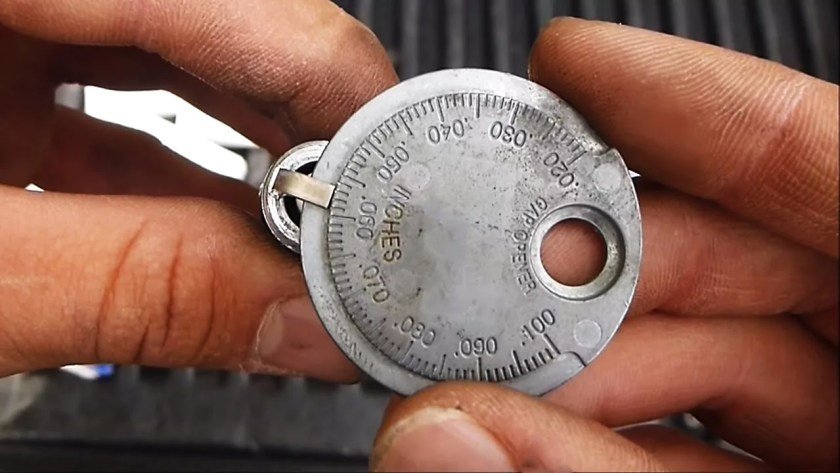
- Coin or Disc Gauge:A flat metal disc with notches of different sizes. You match the right notch to the gap for a quick check.
Personally, I found wire gauges the easiest to use because they don’t scrape the electrode edges. Which one fits your style and comfort?
Additional Helpful Tools
Besides the gap gauge, a few more tools can save you time and protect your spark plugs.
- Gap Adjuster Tool:A small tool designed to gently bend the ground electrode without damaging it.
- Magnifying Glass:Helps you see the gap clearly, especially in low-light conditions or with worn plugs.
- Clean Cloth or Brush:To wipe away any dirt or debris before checking or adjusting the gap.
Imagine trying to adjust the gap in a dim garage without proper lighting or a magnifier—it’s frustrating. Have you ever skipped these tools and ended up with a misgapped plug? Taking a few extra minutes with the right gear can prevent costly engine troubles later on.
Choosing The Right Gap Size
Choosing the right gap size for your spark plugs is crucial for engine performance and efficiency. The gap influences how the spark ignites the air-fuel mixture, affecting combustion quality. Getting this size right ensures smoother starts, better fuel economy, and less engine wear.
Manufacturer Specifications
Your vehicle’s manufacturer provides specific gap sizes for spark plugs. These specs are based on extensive testing to optimize engine performance and emissions. Always check your owner’s manual or the sticker under the hood to find the exact gap measurement recommended for your engine.
Ignoring these specs can cause misfires or poor fuel combustion. For instance, a gap that’s too wide might require more voltage to jump, leading to weak sparks or no spark at all. On the other hand, a gap that’s too narrow can produce a weak spark, reducing power and efficiency.
Adjusting For Engine Modifications
If you’ve modified your engine with upgrades like high-performance air filters, turbochargers, or changed the ignition system, you might need to adjust the spark plug gap. These modifications can alter combustion conditions, requiring a different spark intensity for optimal performance.
Think about your last engine tune-up. Did you notice any hesitation or rough idling? Adjusting the gap slightly larger or smaller can help fix those issues. A common practice is to widen the gap for performance engines to allow a bigger spark, which improves combustion under higher boost or increased airflow.
However, widening the gap too much can cause misfires. It’s important to test and fine-tune the gap in small increments. Have you experimented with different gap sizes before? Tracking your engine’s response can guide you to the perfect setting.
Credit: www.vanguardpower.com
Step-by-step Gapping Process
Correctly gapping your spark plugs is essential for optimal engine performance and fuel efficiency. The process may seem straightforward, but precision and care make all the difference. Let’s break down the steps to ensure your spark plugs are perfectly adjusted for your vehicle’s needs.
Measuring The Current Gap
Start by checking the existing gap between the spark plug’s electrodes. Use a feeler gauge or a spark plug gap tool for this task. Gently slide the tool into the gap until you feel slight resistance.
If the tool fits too loosely or not at all, the gap is either too wide or too narrow. Take note of the measurement and compare it to your vehicle’s manufacturer specifications found in the owner’s manual or service guide.
Adjusting The Gap Safely
Handle the spark plug carefully to avoid damaging the delicate electrodes. To increase the gap, gently bend the ground electrode away from the center electrode using the gap tool or a small flat-head screwdriver.
To decrease the gap, tap the electrode lightly against a hard surface. Avoid using excessive force as this can weaken or break the electrode, leading to costly replacements.
Have you ever tried bending the electrode only to snap it? Take your time and make small adjustments—you’ll get better results and save money.
Rechecking The Gap
After adjustment, measure the gap again with your tool. The goal is a snug fit that matches the exact specification. Too tight or too loose, and your engine might misfire or lose power.
Repeat the adjustment and measurement until you achieve the perfect gap. Trust your tools and your hands, but always prioritize precision.
Common Mistakes To Avoid
Getting the spark plug gap right is crucial for your engine’s performance. Yet, many people make avoidable mistakes that can lead to poor fuel economy, misfires, or even engine damage. Knowing what to watch out for can save you time, money, and frustration.
Over-gapping And Under-gapping
One common mistake is setting the gap too wide or too narrow. If you over-gap the spark plug, the spark has to jump a larger distance, which can cause weak ignition or misfires. On the other hand, under-gapping reduces the spark’s intensity, leading to incomplete combustion.
Think about your car struggling to start or running rough—often, an incorrect gap is the hidden culprit. Always use a proper gap tool to measure and adjust the distance carefully. Avoid guessing or eyeballing it, as even a small difference can affect performance.
Damaging The Electrodes
It’s easy to damage spark plug electrodes if you’re not gentle. Using pliers or improper tools can bend or crack the electrodes, ruining the plug’s efficiency. I once saw a friend snap an electrode while trying to adjust the gap with a screwdriver—his engine ran worse after that.
Use a dedicated spark plug gap tool that lets you bend the side electrode gently. Make sure to handle the plug by its ceramic insulator rather than the metal parts. Damaged electrodes can cause inconsistent sparks and reduce the lifespan of the spark plug.
Maintaining Spark Plug Health
Keeping your spark plugs in top shape is essential for your engine’s smooth running and fuel efficiency. Spark plug health directly affects how well your car starts and performs. Paying attention to their condition helps you avoid unexpected breakdowns and costly repairs.
Regular Inspection Tips
Check your spark plugs every 10,000 to 15,000 miles or during routine maintenance. Look for signs like worn electrodes, heavy deposits, or cracks in the porcelain insulator. These issues can lower performance and cause misfires.
Use a spark plug gap tool to measure the gap accurately. An incorrect gap can lead to poor combustion or engine knocking. Clean the spark plugs gently if you notice minor carbon buildup, but don’t ignore severe wear.
- Inspect the color: light tan is ideal, black soot indicates a rich fuel mixture.
- Look for oil fouling, which might signal engine oil leaks.
- Check for physical damage such as broken electrodes or cracked insulators.
When To Replace Spark Plugs
If your spark plugs show heavy wear, damage, or persistent fouling, it’s time to replace them. Many manufacturers recommend changing spark plugs every 30,000 to 100,000 miles depending on the type and driving conditions.
Pay attention to changes in engine behavior like rough idling, difficulty starting, or decreased fuel efficiency. These symptoms often point to worn spark plugs. Waiting too long can strain your ignition system and reduce overall engine life.
Ask yourself: have you noticed any drop in your vehicle’s performance recently? If yes, don’t hesitate to swap out your old plugs for new ones. This simple step can save you from more expensive repairs down the road.
Frequently Asked Questions
What Is The Correct Gap Size For Spark Plugs?
The correct gap size varies by vehicle model. Check your owner’s manual or spark plug packaging for exact measurements. Proper gap ensures optimal engine performance and fuel efficiency.
How Do You Measure Spark Plug Gaps Accurately?
Use a spark plug gap tool or feeler gauge to measure the gap. Insert the tool between the electrodes and adjust until it fits snugly without forcing.
Why Is Spark Plug Gapping Important For Engines?
Proper spark plug gapping ensures efficient combustion and smooth engine running. Incorrect gaps can cause misfires, poor fuel economy, and reduced engine power.
Can Wrong Spark Plug Gap Damage My Engine?
Yes, an incorrect gap can cause misfires and engine knocking. It may lead to increased emissions and potential long-term engine damage if ignored.
Conclusion
Correctly gapping spark plugs helps your engine run smoothly. It saves fuel and reduces pollution. You need the right tool and a steady hand. Check the gap often for best results. Small changes make a big difference in performance. Keep your spark plugs clean and well-spaced.
This simple step improves starting and power. Stay safe and follow the guide carefully. Your car will thank you with better runs. Try it yourself and see the change.





