Are you standing in your garage, staring at your Toro lawn mower, and wondering what type of oil to use? You’re not alone.
Choosing the right oil is crucial for keeping your mower running smoothly and extending its lifespan. The wrong oil can lead to frequent breakdowns and costly repairs. In this guide, we’ll break down everything you need to know about selecting the perfect oil for your Toro lawn mower.
You’ll discover how the right choice can save you time and money while ensuring your lawn stays immaculate. Ready to make mowing a breeze? Let’s dive in!
Choosing The Right Oil
Choosing the right oil for your Toro lawn mower is key to keeping it running smoothly. The correct oil protects the engine from wear and tear. It also helps the mower perform well in different weather conditions. Using the wrong oil can cause engine damage or reduce mower life. Learning about oil types and viscosity will help you pick the best option.
Oil Types For Toro Mowers
Toro lawn mowers usually require either synthetic or conventional oil. Both types lubricate the engine parts but differ in composition. Conventional oil is made from crude oil and offers good protection. Synthetic oil is man-made and provides better performance in extreme temperatures. Check your mower’s manual to find the oil type recommended by Toro.
Synthetic Vs Conventional Oil
- Synthetic Oil:Lasts longer and resists breakdown better.
- Conventional Oil:More affordable and works well in normal conditions.
- Synthetic oil helps engines start easier in cold weather.
- Conventional oil may need more frequent changes.
Choosing between synthetic and conventional depends on your mower’s needs and how often you use it.
Recommended Viscosity Grades
Viscosity measures oil thickness at different temperatures. Toro mowers usually use 10W-30 oil. This grade works well in warm and cold weather. Some models may require 5W-30 or 30 weight oil in hot climates. Always check the user manual for the exact viscosity grade. Using the right viscosity ensures proper engine lubrication and cooling.

Credit: partsource.ca
Oil Specifications And Standards
Choosing the right oil for your Toro lawn mower depends on understanding oil specifications and standards. These standards ensure the oil protects the engine and keeps it running smoothly. Using the correct oil type helps avoid engine wear and improves mower performance.
Api Service Categories
The American Petroleum Institute (API) sets standards for engine oils. These categories show the oil’s quality and suitability for different engines. For small engines like Toro mowers, look for oils marked with “SJ,” “SL,” or “SM” service categories. These oils offer good protection against wear, deposits, and corrosion.
Always select oil meeting or exceeding the API standards recommended for your mower. This ensures your engine stays clean and lasts longer.
Toro Manufacturer Recommendations
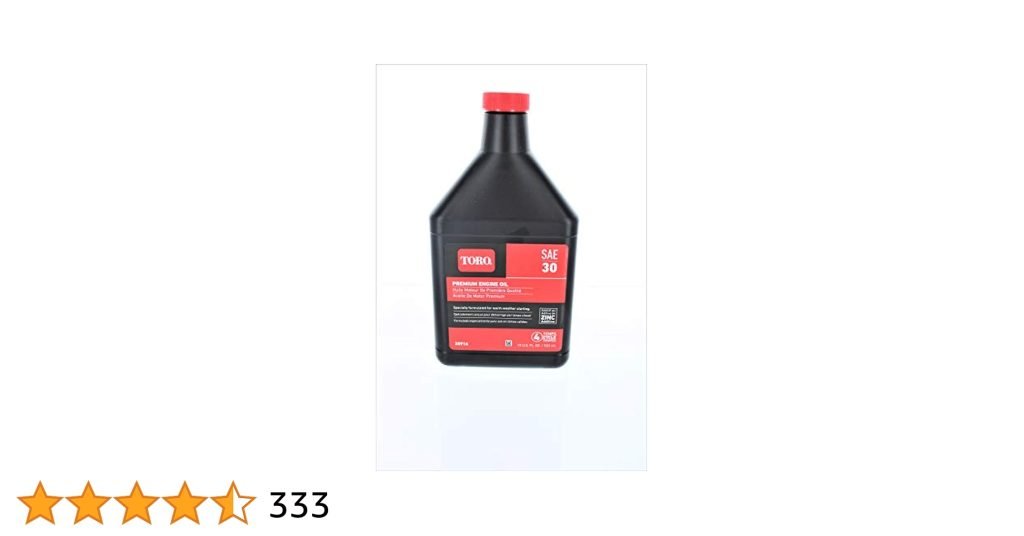
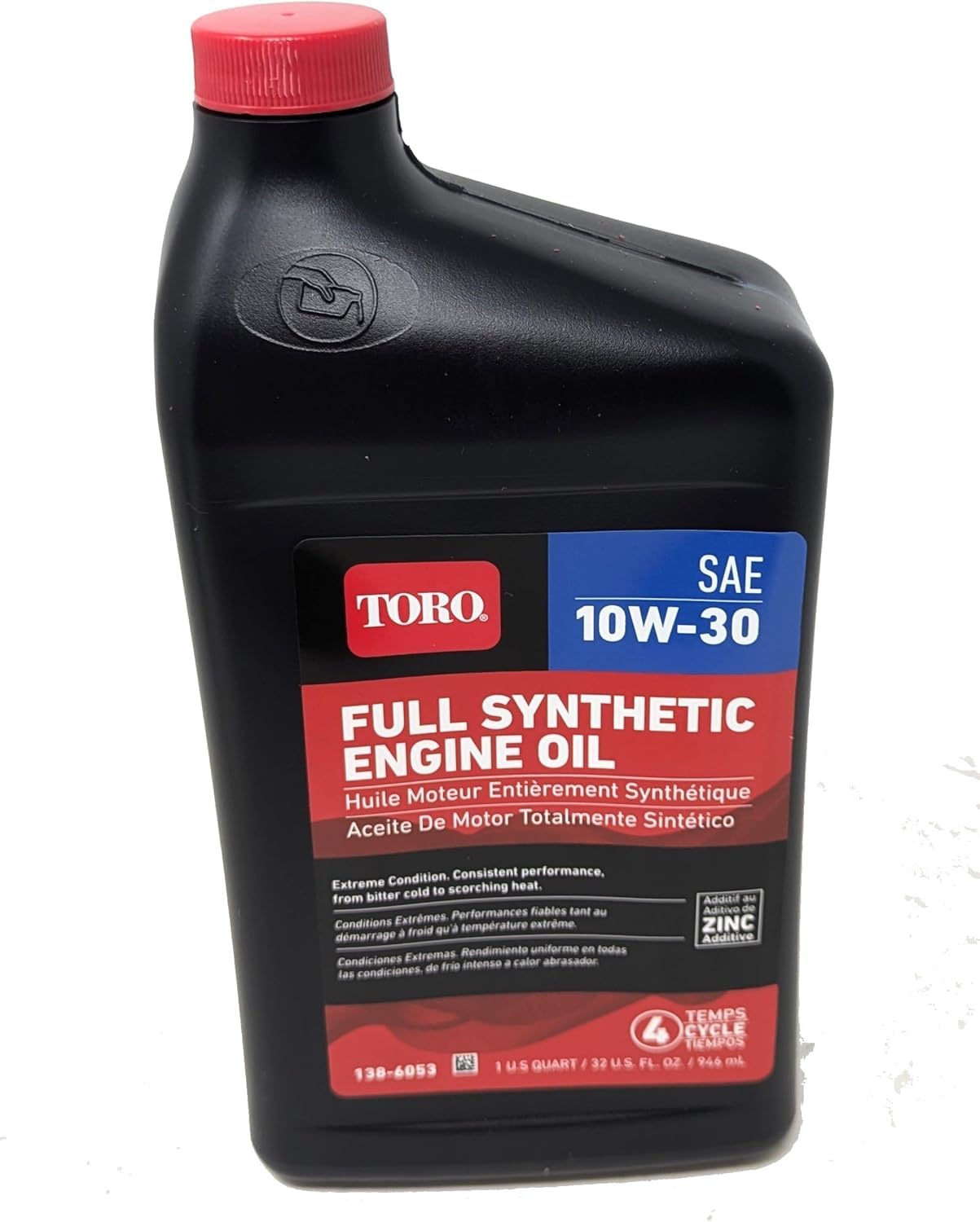
Toro sets specific oil requirements to match their mower engines. They often recommend using SAE 30 oil for warmer weather. For colder climates, Toro suggests using 10W-30 oil. Following Toro’s advice helps maintain proper lubrication and engine health.
Using oil not approved by Toro may cause performance issues or engine damage. Check Toro’s website or product labels for the exact oil type recommended.
Checking The Owner’s Manual
The owner’s manual is the best source for oil information. It details the oil grade, viscosity, and service category suitable for your Toro mower. Manuals also provide guidance on oil change intervals and quantities.
Reading the manual ensures you use the right oil and maintain your mower correctly. Keep the manual handy for quick reference before adding oil or servicing your mower.
How Oil Affects Performance
Oil plays a key role in how your Toro lawn mower runs. It affects the mower’s power, efficiency, and how long it lasts. Using the right oil keeps the engine clean and helps it work well. Poor oil choice can cause damage and reduce performance. Understanding how oil affects your mower helps keep it in top shape.
Engine Protection Benefits
Oil forms a thin layer between engine parts. This stops metal pieces from rubbing and wearing out. It also helps stop rust and corrosion inside the engine. Good oil cleans dirt and particles from the engine. This keeps the mower running smoothly and safely.
Improving Fuel Efficiency
Clean, high-quality oil lowers friction inside the engine. Less friction means the engine uses less fuel to run. This helps save money on gas and reduces pollution. The right oil keeps the engine parts moving freely and easily.
Extending Engine Life
Regular oil changes with the right type of oil protect the engine. It keeps the parts from overheating and wearing out fast. Clean oil helps the engine run cooler and last longer. Using the correct oil extends the mower’s life and keeps it reliable.
Credit: www.walmart.com
Oil Change Frequency
Keeping your Toro lawn mower running smoothly means paying close attention to how often you change its oil. Regular oil changes prevent engine damage and maintain performance. But how do you know when it’s time for fresh oil, and what’s the best way to handle the process?
Signs You Need An Oil Change
Watch for dark, dirty oil on the dipstick—that’s a clear signal your mower needs new oil. If the engine starts running louder or feels sluggish, oil quality could be the culprit. Another sign is excessive smoke or unusual smells coming from the mower’s engine.
Have you noticed your mower struggling to cut like it used to? Check the oil before blaming the blades. Fresh oil keeps the engine cool and lubricated, so ignoring these signs can lead to costly repairs.
Seasonal Maintenance Tips
Changing oil at the start and end of mowing season is a smart move. This routine helps clear out old oil and prepares your mower for the months of heavy use or rest. Use the oil type recommended by Toro—usually SAE 30 or 10W-30 for most models—depending on your climate.
Don’t forget to warm up the engine before draining the oil; warm oil flows out faster and carries more contaminants with it. Also, replace the oil filter if your mower has one to ensure peak engine protection. These small steps save you time and money in the long run.
Proper Disposal Of Used Oil
Never pour used oil down drains or onto the ground—this harms the environment. Instead, collect the oil in a sealed container and take it to a recycling center or a local auto shop that accepts used oil. Many communities offer free disposal services.
Keeping a clean workspace while changing oil helps prevent spills. Have absorbent materials on hand just in case. Responsible oil disposal protects your yard and local water sources, so it’s worth the extra effort.
Steps For Changing Toro Mower Oil
Changing the oil in your Toro lawn mower keeps the engine running smoothly. Regular oil changes prevent damage and extend mower life. Follow these simple steps to change the oil safely and correctly.
Gathering Tools And Materials
Prepare all items before starting to avoid interruptions. You will need:
- Fresh oil (check Toro’s manual for type and amount)
- Oil drain pan or container
- Wrench or socket set
- Clean rag or paper towels
- Funnel
- Gloves to protect your hands
Draining Old Oil
Run the mower for a few minutes to warm the oil. Warm oil drains faster and carries more impurities.
Turn off the mower and disconnect the spark plug wire for safety. Locate the oil drain plug under the mower. Place the drain pan beneath the plug. Use the wrench to remove the drain plug carefully. Let the oil drain completely into the pan. Wipe off any spilled oil with a rag.
Adding New Oil Correctly
Replace the drain plug tightly to avoid leaks. Remove the oil fill cap on top of the engine. Using a funnel, pour in the new oil slowly. Check the oil level with the dipstick to avoid overfilling. Add oil until it reaches the correct mark on the dipstick. Secure the oil fill cap back in place. Clean any oil spills around the engine area.
Credit: www.amazon.com
Common Oil-related Issues
Oil is essential for Toro lawn mowers. It keeps the engine parts moving smoothly. Yet, many common oil problems can harm your mower. Knowing these issues helps keep your mower in good shape. Here are some frequent oil-related problems to watch for.
Overfilling And Underfilling Risks
Too much oil causes pressure inside the engine. This can lead to leaks and smoke. Too little oil means poor lubrication. The engine parts can wear out fast. Both can cause serious engine damage. Check the oil level with the dipstick before starting. Fill only to the recommended level in the user manual.
Oil Leaks And How To Fix Them
Oil leaks can happen from worn seals or loose bolts. Look for oil spots under the mower. Clean the area and inspect the engine. Tighten any loose parts carefully. Replace damaged seals or gaskets. Regular oil changes reduce the chance of leaks. Catch leaks early to avoid big repairs.
Dealing With Dirty Or Contaminated Oil
Dirty oil loses its ability to protect the engine. Dust, grass, and water may get inside the oil. This causes sludge and poor engine performance. Change the oil after every mowing season or as the manual says. Use the right type of oil for your Toro mower. Always store oil in a clean container to avoid contamination.
Tips For Maintaining Peak Performance
Maintaining your Toro lawn mower in top shape depends largely on how well you care for its oil system. Clean and fresh oil keeps the engine running smoothly and extends its life. Simple daily habits can prevent many common problems and keep your mower ready for every cut.
Regular Oil Checks
Check your mower’s oil level before each use. Use the dipstick to see if the oil reaches the recommended mark. Low oil can cause engine damage. Dirty oil loses its ability to lubricate. Change the oil after every 25 hours of mowing or once a season. Always let the engine cool before checking or changing oil. Use the oil type suggested in the Toro manual for best results.
Using High-quality Oil Filters
Oil filters trap dirt and debris that damage the engine. Replace the oil filter regularly to keep oil clean. A clogged filter reduces oil flow and engine performance. Choose filters made for your Toro model. High-quality filters last longer and protect your engine better. Follow Toro’s service schedule for changing filters to avoid issues.
Storing Your Mower Properly
Store your Toro mower in a dry, clean place. Drain old oil or change it before long storage periods. Old oil can thicken and harm engine parts. Remove the oil filter or clean it if storing for months. Cover the mower to keep dust and moisture away. Proper storage prevents rust and oil problems. Ready your mower for the next season with these simple steps.
Frequently Asked Questions
What Oil Type Is Best For Toro Lawn Mowers?
Toro lawn mowers typically require SAE 30 oil for warm temperatures. For colder climates, 10W-30 oil is recommended. Always check your mower’s manual to confirm the exact oil type for optimal performance and engine protection.
How Often Should I Change Toro Mower Oil?
Change the oil after the first 5 hours of use, then every 50 hours or annually. Regular oil changes keep the engine running smoothly and extend mower life. Always use fresh, clean oil for best results.
Can Synthetic Oil Be Used In Toro Mowers?
Yes, synthetic oil can be used if it meets the mower’s specifications. Synthetic oils improve engine performance and last longer. However, always verify compatibility with your Toro mower manual before switching oil types.
Why Is The Right Oil Important For Toro Mowers?
Using the correct oil ensures proper lubrication, prevents engine wear, and improves mower efficiency. Incorrect oil can cause engine damage or poor performance. Follow manufacturer guidelines to maintain mower reliability and longevity.
Conclusion
Choosing the right oil keeps your Toro mower running smoothly. Use the recommended oil type for best results. Changing oil regularly protects the engine from damage. Clean oil helps the mower cut grass efficiently. Avoid cheap or wrong oil to save repair costs.
Simple care means longer life for your mower. Trust the oil guide to make the right choice. Your lawn will look better with a well-kept mower. Small steps like oil changes make a big difference. Keep your mower ready for every mowing job.





