
Are you tired of constantly changing spark plugs and wondering if there’s a more durable option out there? Imagine the convenience and cost savings of having a spark plug that lasts much longer.
Enter the world of iridium spark plugs. Known for their impressive longevity and performance, these spark plugs have become a favorite among car enthusiasts and everyday drivers alike. But exactly how long do they last, and are they the right choice for your vehicle?
Stick around as we dive into the lifespan of iridium spark plugs, unraveling the secrets that make them a smart investment for your car’s engine. By the end, you’ll have a clear understanding of what to expect and whether it’s time to make the switch.
Credit: www.moderntiredealer.com
Iridium Spark Plug Basics
Understanding the basics of iridium spark plugs helps you make smarter choices for your vehicle’s performance and maintenance. These plugs are known for their durability and efficiency, but what exactly sets them apart from regular spark plugs? Let’s break down the key features and differences to see if they are worth the investment for your car.
What Makes Iridium Special
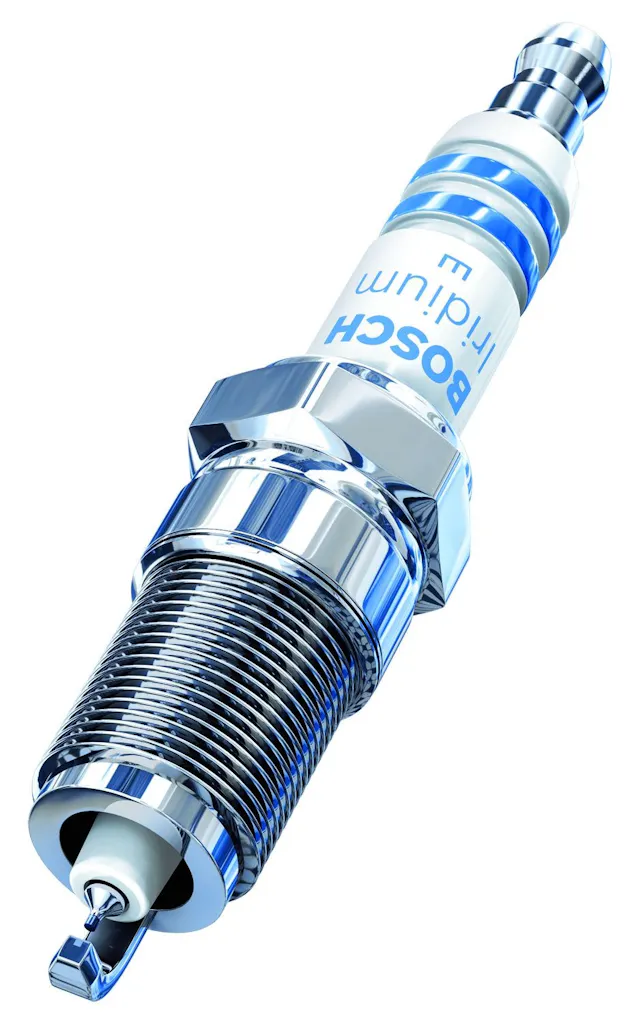
Iridium spark plugs use a very thin center electrode made of iridium, a rare and extremely hard metal. This thin electrode allows for a more focused spark, which improves ignition efficiency and fuel combustion.
Because iridium is so tough, these plugs resist wear better than traditional plugs. This means they maintain their performance longer, giving you a smoother engine start and better fuel economy over time.
Have you ever noticed your car struggling to start on cold mornings? Iridium plugs often solve this problem by delivering a stronger spark consistently, even in challenging conditions.
Differences From Other Spark Plugs
- Material:Traditional plugs usually have nickel or copper electrodes, which wear out faster than iridium.
- Longevity:Iridium plugs can last up to 60,000 to 120,000 miles, whereas standard plugs often need replacement around 20,000 to 30,000 miles.
- Performance:The fine iridium tip provides a more precise spark, leading to better combustion and less fuel waste.
- Cost:They are more expensive upfront, but many find the longer lifespan and improved performance worth the extra cost.
Choosing the right spark plug can affect your car’s efficiency and maintenance schedule. Would you prefer changing your spark plugs more often, or investing in a longer-lasting option that can improve your engine’s overall health?
Typical Lifespan Of Iridium Plugs
Iridium spark plugs are known for their durability and performance, but understanding their typical lifespan can help you plan maintenance effectively. Knowing how long these plugs last ensures your engine runs smoothly without unexpected issues. Let’s break down what you can generally expect from iridium plugs and what factors might change their longevity.
Average Mileage Expectancy
Iridium spark plugs usually last between 60,000 to 120,000 miles. This range is significantly higher than traditional copper or platinum plugs. Many drivers report going over 100,000 miles before needing a replacement, especially when using quality fuel and proper engine care.
Your car’s make and model also influence this expectancy. High-performance vehicles might experience shorter lifespans due to intense engine conditions. However, for everyday driving, iridium plugs offer reliable longevity that can save you money on frequent replacements.
Factors Affecting Longevity
Several factors can shorten or extend the life of your iridium spark plugs. Fuel quality plays a major role; lower-grade fuels can cause deposits that wear down the plugs faster. How you drive matters too—stop-and-go traffic and short trips put more stress on plugs than steady highway driving.
Engine tuning and maintenance also impact plug life. If your engine runs too rich or too lean, it can cause premature wear. Regular checks and timely replacements of air filters and fuel injectors help keep plugs in good shape.
- Driving habits: Aggressive acceleration may reduce lifespan.
- Engine condition: A well-maintained engine prolongs plug life.
- Environmental factors: Extreme temperatures and humidity can affect wear.
Have you noticed any changes in your engine’s performance? It might be time to inspect your spark plugs. Keeping an eye on these factors ensures you get the most out of your iridium plugs and avoid unexpected breakdowns.
Signs It’s Time To Replace
Iridium spark plugs are known for their long life, but they don’t last forever. Recognizing the signs that they need replacing helps avoid engine trouble. Early detection keeps your car running smoothly and saves money on repairs.
Regular checks help spot issues before they worsen. Pay attention to how your engine feels and looks. Certain symptoms clearly show it’s time to change your spark plugs.
Performance Issues
- Engine misfires or rough idling
- Difficulty starting the car
- Reduced fuel efficiency
- Loss of power during acceleration
- Engine hesitation or stalling
These problems occur because worn spark plugs fail to ignite fuel properly. Your engine struggles to run smoothly. Fuel burns unevenly, leading to poor performance. Don’t ignore these signs as they affect your vehicle’s reliability.
Visual Wear Indicators
- Electrode erosion or thinning
- Deposits or buildup on the tip
- Cracks in the ceramic insulator
- Burn marks or discoloration
Remove the spark plugs and inspect them closely. Iridium tips should be sharp and intact. Rounded or damaged electrodes mean the plug is worn out. Buildup can block the spark, causing misfires. Cracks indicate heat damage and require immediate replacement.
Maintenance Tips For Longer Life
To extend the life of your iridium spark plugs, a little care goes a long way. Maintenance doesn’t have to be complicated or time-consuming. Small habits can prevent damage and keep your engine running smoothly for much longer.
Regular Inspection Routine
Check your spark plugs every 20,000 to 30,000 miles, even if they seem fine. Look for signs like carbon buildup, erosion, or cracks in the ceramic insulator. These issues can reduce efficiency and cause misfires.
Keep an eye on your engine’s performance too. If you notice rough idling or harder starts, it might be time to inspect the plugs. Regular checks help you catch problems early before they affect other parts of your engine.
Proper Installation Practices
Always use a torque wrench to tighten iridium spark plugs to the manufacturer’s specifications. Over-tightening can damage the threads, while under-tightening may cause poor contact and misfires.
Make sure the spark plug gap matches your vehicle’s requirements. A wrong gap affects combustion and can shorten plug life. If you’re unsure, ask a professional or use a reliable gap tool for accuracy.
Have you ever skipped cleaning the spark plug threads before installation? Dirt or debris can prevent proper seating and lead to overheating or engine knocking. Clean threads ensure a secure fit and better performance.
Cost Vs. Benefit Analysis
Considering the cost versus benefit of iridium spark plugs helps decide if they are worth buying. These plugs usually cost more than standard ones. The key question is whether their advantages justify the higher price. Understanding their lifespan and performance effects can guide your choice.
Investment Compared To Lifespan
Iridium spark plugs last much longer than regular plugs. They can run up to 60,000 to 120,000 miles. This means fewer replacements over time. Although the initial price is higher, the long life reduces overall spending. You save on labor costs since you change plugs less often.
Fuel Efficiency And Performance Gains
These spark plugs provide better fuel combustion. This leads to improved fuel efficiency and engine performance. Your car may use less gas and run smoother. The improved ignition reduces engine misfires. This can lower emissions and help the environment. The benefits add up during the plugs’ long lifespan.

Credit: www.impreza5.com
Choosing The Right Iridium Plug
Choosing the right iridium spark plug matters for your engine’s performance. It affects fuel efficiency, power, and how long the plug lasts. Picking the right one means understanding different brands and making sure the plug fits your vehicle. Let’s explore these points to help you make a smart choice.
Brand Comparisons
Not all iridium spark plugs are the same. Some brands offer better durability and performance. Popular brands include NGK, Denso, and Bosch. NGK plugs often provide consistent spark and long life. Denso plugs are known for quick starts and smooth running. Bosch plugs focus on reliability and fuel savings.
Check reviews and ratings. Compare prices and warranty terms. Choose a brand with a good balance of quality and cost. This helps you get the best value for your money.
Compatibility Considerations
Iridium plugs must match your engine’s specifications. Using the wrong size or heat range can cause problems. Your vehicle manual lists the correct plug type. Ignoring this can harm engine performance or cause damage.
- Check thread size and reach length.
- Match the heat range to your driving conditions.
- Consider the gap size for optimal spark.
Buy plugs designed for your specific make and model. This ensures smooth operation and longer plug life.
Common Myths About Iridium Plugs
Iridium spark plugs often come with a reputation that doesn’t always match reality. Many drivers believe things about their lifespan and performance that simply aren’t true. Let’s clear up some of these common myths so you know exactly what to expect from your iridium plugs.
Durability Misconceptions
One common myth is that iridium spark plugs last forever. While they do last longer than standard plugs, they still wear out over time. Typically, you can expect around 60,000 to 100,000 miles, depending on your driving habits and engine type.
Some people think that because iridium is a hard metal, the plugs don’t need regular checks or replacements. Neglecting maintenance can lead to engine misfires and reduced fuel efficiency. Have you checked your plugs lately?
Performance Expectations
Many drivers expect immediate and dramatic performance boosts after switching to iridium plugs. The truth is, the difference is often subtle but consistent. Iridium plugs help maintain optimal engine performance over time rather than delivering a sudden power surge.
Another misconception is that iridium plugs will fix all ignition-related problems. If your engine has deeper issues, changing the plugs won’t solve them. It’s important to diagnose the real cause before expecting miracles from new spark plugs.

Credit: www.youtube.com
Frequently Asked Questions
How Long Do Iridium Spark Plugs Typically Last?
Iridium spark plugs usually last between 60,000 to 120,000 miles. Their durability depends on driving habits and engine type. Regular maintenance helps maximize their lifespan. They outperform standard plugs by lasting longer and maintaining performance.
What Factors Affect Iridium Spark Plug Lifespan?
Driving conditions, engine type, and maintenance routines affect lifespan. Aggressive driving and poor maintenance can reduce durability. Using correct spark plugs for your vehicle ensures optimal longevity and performance.
How To Know When To Replace Iridium Spark Plugs?
Signs include rough idling, poor acceleration, and engine misfires. Check spark plugs every 30,000 miles for wear or damage. Timely replacement prevents engine issues and maintains fuel efficiency.
Are Iridium Spark Plugs Cost-effective Long Term?
Yes, despite higher upfront costs, iridium plugs last longer and improve fuel economy. They reduce maintenance frequency and enhance engine performance, saving money over time. Investing in quality plugs benefits your vehicle’s health.
Conclusion
Iridium spark plugs can last up to 60,000 to 120,000 miles. They offer better performance and durability than standard plugs. Regular checks help spot wear early. Replace them when your engine shows signs of misfiring or rough idling. Proper maintenance keeps your car running smoothly.
Investing in quality spark plugs saves money over time. Remember, good spark plugs improve fuel efficiency and reduce emissions. Keeping track of mileage helps know the right replacement time. Simple care leads to longer engine life and better driving.





