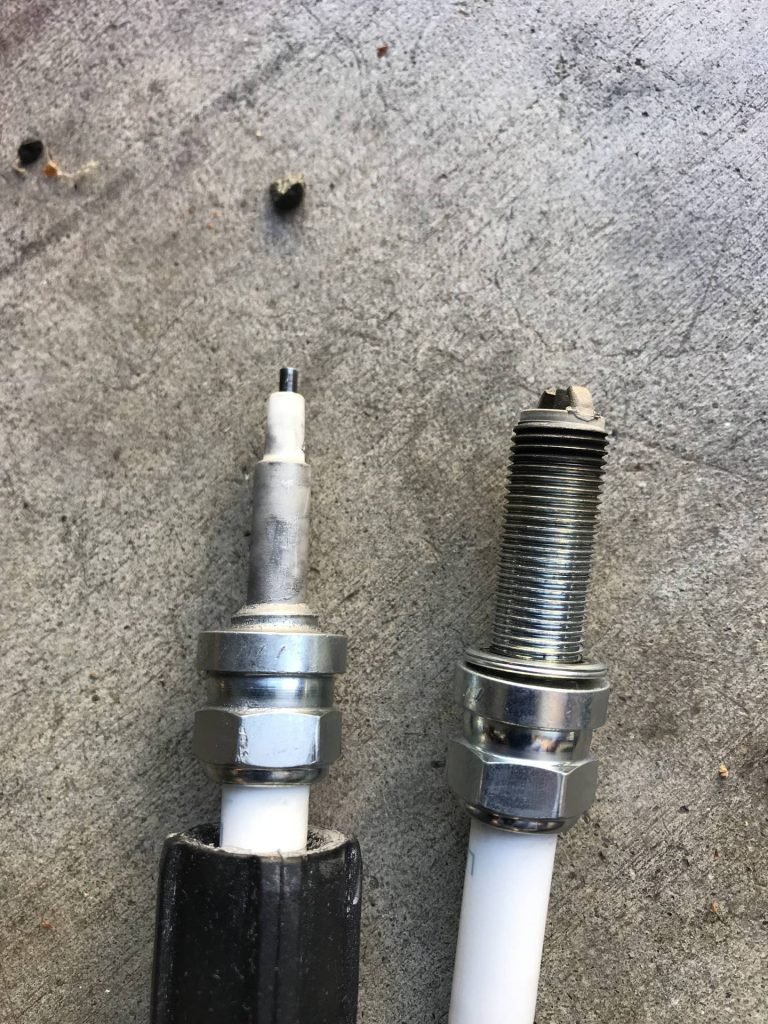
Have you ever faced the frustration of a broken spark plug stuck deep in your engine? It’s a common problem that can stop your car from running smoothly and leave you feeling stuck.
But don’t worry—you don’t have to be a mechanic to fix this. In this guide, you’ll discover simple, step-by-step tips to safely remove that broken spark plug and get your engine back in shape. Keep reading, and you’ll learn how to save time, avoid costly repairs, and take control of your vehicle’s health today.

Credit: www.odyclub.com
Signs Of A Broken Spark Plug
Recognizing the signs of a broken spark plug is crucial before you attempt to remove it. Ignoring these signs can lead to further engine damage and expensive repairs. Pay close attention to how your engine behaves and any unusual changes you notice while driving.
Common Symptoms
You might feel your vehicle struggling to start or notice it running roughly. Misfires are common when a spark plug is broken—this means the engine stutters or hesitates during acceleration.
Other signs include poor fuel economy and a drop in engine power. You may also experience increased exhaust emissions or hear unusual noises coming from the engine. These symptoms often appear suddenly, so don’t brush them off as minor issues.
Potential Causes
Broken spark plugs usually happen due to overtightening during installation or using the wrong tools. Rust and corrosion inside the spark plug hole can cause the plug to seize and break when you try to remove it.
Engine overheating or extreme vibrations also contribute to spark plug damage. If your vehicle runs in harsh conditions frequently, this increases the risk as well. Have you checked if your spark plugs were installed correctly or inspected regularly?
Tools Needed For Removal
Removing a broken spark plug can be frustrating without the right tools. Having the proper equipment not only makes the job easier but also prevents damage to your engine. Let’s take a closer look at the tools you’ll need to tackle this challenge effectively.
Essential Hand Tools
Start with a good quality ratchet wrench and a set of socket wrenches. A spark plug socket with rubber or foam inside helps grip the plug securely without slipping. You’ll also want a breaker bar for extra leverage if the spark plug is stuck tight.
Don’t forget basic tools like pliers and screwdrivers. Sometimes, you’ll need them to remove surrounding components or to help grip the broken piece gently. Having a magnetic pickup tool on hand can save you if a piece drops into a hard-to-reach spot.
Specialized Equipment
When a spark plug breaks off below the surface, a spark plug extractor or an easy-out tool becomes essential. These tools are designed to grip the broken spark plug and pull it out without damaging the threads.
Some mechanics use a small drill bit to create a hole in the broken plug so the extractor can bite in. If you don’t have an extractor, a left-hand drill bit can sometimes unscrew the broken piece by drilling in reverse. Have you ever tried this approach? It can save a lot of time but requires patience and steady hands.
Preparing The Engine
Preparing the engine before removing a broken spark plug is crucial to avoid further damage and make the process smoother. Taking time to set up the workspace and protect yourself will save frustration later. Getting these basics right can turn a tough job into a manageable one.
Safety Precautions
Always start by disconnecting the battery to prevent any electrical shocks or sparks. You want to eliminate any chance of the engine accidentally starting while you’re working.
Wear safety goggles and gloves to protect your eyes and hands from debris and sharp edges. Have a fire extinguisher nearby—broken spark plugs can sometimes cause unexpected sparks.
Think about your workspace. Is it well-ventilated? Are there any flammable materials around? Clearing these away minimizes risks and keeps you focused on the task.
Cleaning The Area
Before attempting to remove the broken spark plug, clean around the spark plug hole thoroughly. Dirt and debris falling into the cylinder can cause serious engine damage.
Use compressed air or a small brush to remove loose dirt and grime. If you don’t have compressed air, a vacuum cleaner with a narrow nozzle can work well.
Take a damp cloth to wipe the immediate area once loose dirt is gone. This simple step reduces the chance of contaminants entering the engine once the plug is out.
Removing The Broken Spark Plug
Removing a broken spark plug can feel tricky, but with the right approach, you can get the job done without extra damage. It requires patience and the right tools to loosen the stuck piece and safely extract it from the cylinder head. Let’s break down the key steps to help you handle this task confidently.
Applying Penetrating Oil
Start by spraying a generous amount of penetrating oil around the broken spark plug. This oil seeps into tiny gaps, loosening rust and corrosion that may be holding the plug tight.
Give the oil time to work—waiting at least 15 to 20 minutes helps it penetrate fully. If possible, apply the oil multiple times for stubborn cases. Have you noticed how patience often pays off in mechanical fixes?
Using Extraction Tools
Once the oil has done its job, use a spark plug extractor or an easy-out tool designed for this purpose. These tools grip the broken piece securely without causing further damage.
Insert the extractor carefully, turning it counterclockwise to unscrew the plug. If you don’t have these tools, a pair of locking pliers can sometimes do the trick, but they require a steady hand.
Remember, forcing the plug too hard can worsen the problem. Do you feel comfortable handling specialized tools, or would you seek professional help at this point?
Avoiding Common Mistakes
- Don’t rush the process.Applying too much force can crack the cylinder head.
- Avoid using the wrong tools.Regular wrenches or screwdrivers can slip and cause damage.
- Don’t skip applying penetrating oil.It’s key for loosening rust and preventing breakage.
Taking your time and using the correct tools reduces risks significantly. How often have you seen a small mistake lead to a bigger repair bill?
Dealing With Stuck Or Damaged Threads
Dealing with stuck or damaged threads can be frustrating when removing a broken spark plug. Threads may seize due to rust, dirt, or overtightening. Damaged threads make it hard to remove the spark plug or install a new one properly.
Careful handling is essential to avoid further damage. Using the right tools and techniques can save time and prevent costly repairs. Sometimes, thread repair is necessary to restore the cylinder head’s integrity.
Thread Repair Techniques
Thread repair restores damaged spark plug holes for proper fitting. Several techniques exist depending on the thread damage level.
- Heli-Coil Insert:A coil is inserted into the damaged thread to create a new thread surface. It provides strong and durable threads.
- Time-Sert Insert:A solid metal insert replaces damaged threads. It offers a permanent repair, ideal for serious damage.
- Thread Chaser:A special tool cleans and reshapes slightly damaged threads. It is useful for minor thread problems.
- Tap and Re-tap:Using a tap tool to cut new threads can fix stripped threads. It requires precision and care to avoid further damage.
Always use thread lubricant and clean the hole before repair. Follow the manufacturer’s instructions for any thread repair kit used.
When To Seek Professional Help
Seek professional help if threads are severely damaged or stuck. Experts have specialized tools like extractors and thread repair kits.
Professionals can assess the damage and avoid harm to the engine. They provide safe and efficient removal and repair services.
Attempting complex repairs without experience may cause costly damage. A professional saves time and ensures the spark plug hole is correctly restored.

Credit: www.reddit.com
Installing A New Spark Plug
Installing a new spark plug is essential after removing a broken one. The right plug improves engine performance and fuel efficiency. Proper installation prevents damage and ensures a secure fit. Follow these simple tips to install your new spark plug correctly.
Choosing The Right Plug
Select a spark plug that matches your vehicle’s specifications. Check the owner’s manual for the correct size and heat range. Use plugs from trusted brands for reliability and durability. Avoid cheap or generic plugs that may cause engine problems.
Consider the electrode type. Copper plugs work well but wear out faster. Platinum and iridium plugs last longer and resist fouling. Choose based on your driving style and budget.
Proper Installation Steps
- Clean the spark plug hole to remove dirt and debris.
- Apply a small amount of anti-seize compound to the plug’s threads.
- Insert the new spark plug by hand to avoid cross-threading.
- Tighten the plug with a torque wrench to the manufacturer’s recommended setting.
- Reconnect the spark plug wire or coil securely.
Do not overtighten the spark plug. Too much force can damage the threads or the plug itself. Proper torque ensures a tight seal without risk.
Tips For Future Spark Plug Maintenance
Keeping your spark plugs in good shape can save you from future headaches and costly repairs. After dealing with a broken spark plug, it’s smart to focus on maintenance habits that help your engine run smoothly. Here are some practical tips to help you keep your spark plugs healthy and avoid similar issues down the road.
Regular Inspection
Check your spark plugs regularly, at least every 30,000 miles or as recommended in your vehicle’s manual. Look for signs like worn electrodes, carbon buildup, or cracks in the porcelain.
Pay attention to how your engine feels. Is it misfiring or struggling to start? These can be early warnings that your spark plugs need attention.
Keep a simple checklist in your glove box or maintenance log to track your inspections. This habit helps you spot problems early and plan replacements before damage occurs.
Preventive Measures
Use the correct spark plug type and gap size specified for your engine. Using the wrong kind can cause poor performance and spark plug damage.
Apply a small amount of anti-seize lubricant on the spark plug threads before installation. This prevents them from getting stuck, making future removal much easier.
Don’t overtighten spark plugs. Tighten them just enough to secure firmly, usually around 15-20 Nm (check your manual). Over-tightening can cause breakage, just like you’ve experienced.
Have you ever thought about how your driving habits affect your spark plugs? Short trips and frequent stops can cause carbon buildup faster, so try longer drives occasionally to burn off deposits.

Credit: www.reddit.com
Frequently Asked Questions
How Do I Safely Remove A Broken Spark Plug?
First, disconnect the battery to avoid shocks. Use penetrating oil on the spark plug. Carefully use a spark plug extractor tool to remove the broken piece without damaging the threads.
What Tools Are Needed To Extract A Broken Spark Plug?
You need penetrating oil, a spark plug extractor, a ratchet, and a socket wrench. A drill with a small bit may be required for stubborn plugs.
Can I Fix A Broken Spark Plug Without A Mechanic?
Yes, with the right tools and patience, you can remove it yourself. Follow safety steps and use a proper extractor tool for the best results.
How To Prevent Spark Plugs From Breaking In The Future?
Avoid over-tightening spark plugs during installation. Use the correct torque and ensure plugs are clean and properly gapped before fitting.
Conclusion
Removing a broken spark plug can be tricky, but it’s doable. Start by gathering the right tools. Patience and care are essential throughout the process. Always wear safety gear to protect yourself. Follow each step carefully to avoid damage. If you’re unsure, seek help from a professional.
Keeping your vehicle in top shape ensures a smooth drive. Regular maintenance can prevent future problems. Remember, taking your time leads to better results. With these tips, you’ll handle spark plug issues confidently. Keep learning and practicing for better skills.
Your car will thank you!





