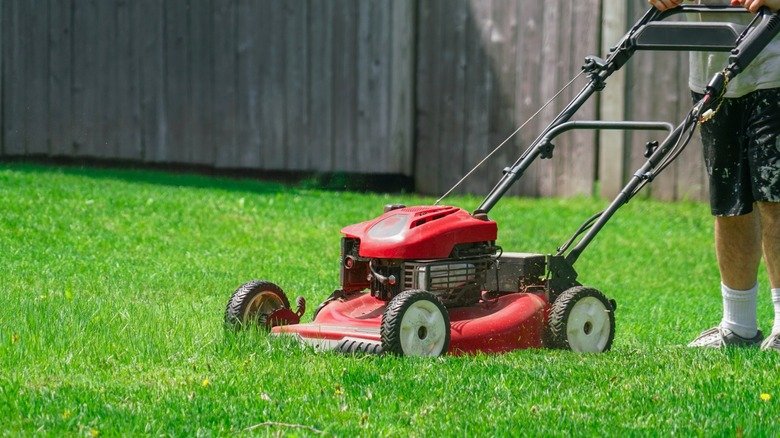
You’re ready to tackle your lawn, but there’s one question lingering in your mind: what type of fuel does your lawn mower need? It’s a small yet crucial detail that can make or break your mowing experience.
Choosing the right fuel not only ensures your lawn mower runs smoothly but also prolongs its life and efficiency. Imagine the frustration of a mower sputtering to a halt in the middle of a hot summer day simply because the wrong fuel was used.
You deserve a lush, well-manicured lawn without the headache of unexpected mower troubles. Keep reading to discover the best fuel options for your lawn mower and ensure every mowing session is as seamless as possible.

Credit: mobilemowertechs.com
Common Lawn Mower Fuels
Choosing the right fuel for your lawn mower can make a big difference in performance and maintenance. Knowing the common types of fuels helps you decide what suits your mower and your lawn care routine. Let’s look at the main fuels used in lawn mowers and what you should consider for each.
Gasoline
Gasoline is the most popular fuel for lawn mowers. It powers most push mowers and riding mowers, offering strong performance and easy availability.
Regular unleaded gasoline usually works well. However, adding a fuel stabilizer can prevent the gas from going bad if you don’t use your mower often. Have you ever noticed how stale gas can make your mower hard to start? That’s why fresh fuel matters.
Diesel
Diesel is less common but used in some heavy-duty riding mowers. It provides better fuel efficiency and more torque than gasoline engines.
If you have a large property or commercial mower, diesel might be the better choice. Diesel engines can last longer but often require more maintenance. Have you considered how fuel type affects your mower’s lifespan?
Propane
Propane is an alternative fuel growing in popularity for lawn mowers. It burns cleaner than gasoline and diesel, reducing emissions and engine wear.
Using propane can save you money on fuel over time, especially if you mow frequently. Plus, propane tanks are easy to refill and store. Would switching to propane help you cut down on your carbon footprint?
Electricity
Electric lawn mowers use batteries or a power cord instead of liquid fuel. Battery-powered mowers offer great convenience and low noise, making them ideal for smaller yards.
They don’t produce emissions and require less maintenance. If you prefer a quiet and eco-friendly option, electric might be the way to go. How often do you mow, and would an electric mower’s runtime fit your schedule?
Gasoline-powered Mowers
Gasoline-powered mowers remain a popular choice for many homeowners because of their power and reliability. These mowers are ideal for larger lawns where electric models may struggle. Understanding the type of gasoline required and proper handling can extend the life of your mower and improve its performance.
Types Of Gasoline Used
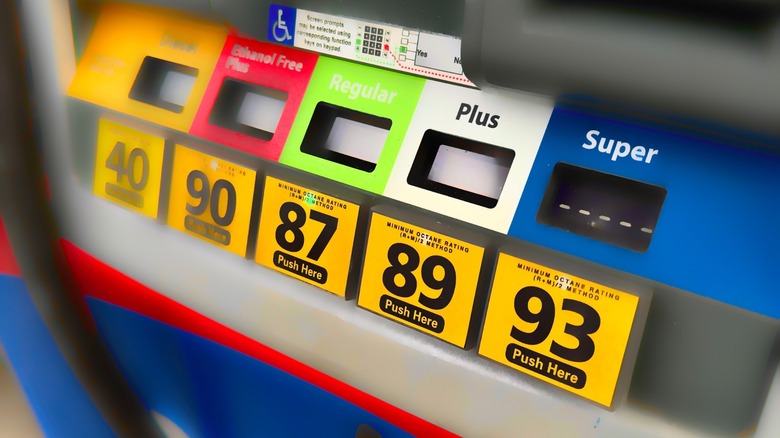
Most gasoline-powered mowers run on regular unleaded gasoline with an octane rating of 87 or higher. Avoid using gasoline with more than 10% ethanol, as high ethanol content can damage the engine over time. Some mowers specify the need for premium fuel, but this is less common.
Check your mower’s manual to confirm the recommended fuel type. Using the wrong gasoline can cause starting problems or reduce engine efficiency. Have you ever noticed your mower sputtering or running rough? The fuel type might be the cause.
Mixing Fuel For Two-stroke Engines
Two-stroke engines require a mix of gasoline and oil to operate properly. This blend lubricates the engine during combustion, preventing damage. The typical ratio is 50:1 or 40:1 gasoline to oil, but always follow the manufacturer’s instructions.
Mix the fuel thoroughly before filling the tank. Using pre-mixed fuel can save time, but homemade mixes give you control over the exact ratio. Have you tried mixing your own fuel? It might improve your mower’s performance.
Storage And Safety Tips
Store gasoline in approved containers away from heat sources and open flames. Keep fuel in a cool, dry place to prevent evaporation and degradation. Never store gasoline inside your home or garage for long periods.
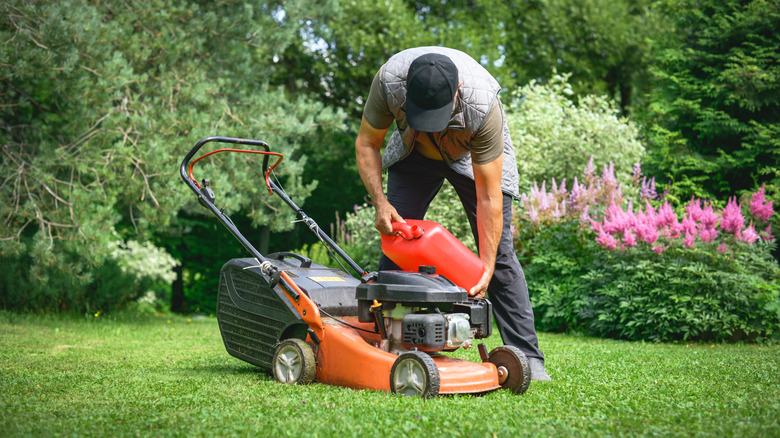
Use fresh fuel within 30 days to avoid engine problems caused by stale gasoline. When refueling, always turn off the mower and allow the engine to cool. Have you ever spilled gas while refueling? Using a funnel can help reduce mess and improve safety.
Diesel Lawn Mowers
Diesel lawn mowers use diesel fuel to power their engines. These machines are built for strength and durability. They often serve larger lawns or commercial properties. Diesel engines run slower and produce more torque than gasoline engines. This makes them ideal for tough mowing jobs.
Advantages Of Diesel Fuel
- Diesel engines are more fuel-efficient than gasoline ones.
- They provide higher torque, improving cutting power.
- Diesel fuel lasts longer in storage without degrading.
- Engines tend to have a longer lifespan due to their design.
- Diesel mowers usually require less maintenance over time.
Typical Usage Scenarios
Diesel lawn mowers suit large areas like parks and farms. They handle thick grass and uneven terrain well. Many landscaping companies prefer diesel mowers for daily use. These mowers perform best in heavy-duty tasks requiring power and endurance. They also work well in colder climates because diesel engines start easily in low temperatures.
Propane Lawn Mowers
Propane lawn mowers offer a clean and efficient alternative to traditional gasoline models. They use propane gas stored in tanks as fuel. This type of mower is gaining popularity for its eco-friendly features and cost savings over time.
Benefits Of Propane
- Burns cleaner than gasoline, reducing air pollution.
- Produces less engine noise during operation.
- Offers longer engine life due to cleaner combustion.
- Fuel costs are often lower than gasoline.
- Propane is stored in sealed tanks, preventing spills.
- Emits fewer greenhouse gases, helping the environment.
Refilling And Handling
Refilling propane tanks is simple and safe with proper care. Use certified refill stations or exchange empty tanks for full ones. Always store tanks upright in well-ventilated areas away from heat sources.
Handle tanks carefully to avoid damage. Check for leaks before connecting to the mower. Follow manufacturer instructions for attaching and detaching the propane tank.
Electric Lawn Mowers
Electric lawn mowers offer a quiet and eco-friendly way to keep your lawn neat. They do not need gasoline or oil, which makes them easier to maintain. These mowers run on electricity, either from a battery or a power cord. Their lightweight design helps reduce fatigue during mowing.
Battery-powered Options
Battery-powered mowers use rechargeable lithium-ion batteries. They provide freedom to move without a cord. Most models run for 30 to 60 minutes on a full charge. Batteries are lightweight and easy to swap if needed. These mowers suit small to medium yards well.
Corded Electric Mowers
Corded mowers plug directly into an outdoor power outlet. They offer unlimited run time as long as the cord stays connected. These mowers are lighter because they have no battery. The main limit is the cord length, which can restrict movement. Extension cords help cover larger areas safely.
Charging And Maintenance
Charging battery-powered mowers takes about 1 to 3 hours. Use the charger that comes with the mower only. Store batteries in a cool, dry place to prolong life. Keep mower blades sharp and clean for best cutting results. Electric mowers need less maintenance than gas models. No oil changes or spark plugs required.
Fuel Selection Tips
Choosing the right fuel for your lawn mower is important for its performance and lifespan. Using proper fuel keeps the engine running smoothly and avoids damage. Knowing how to select fuel can save money and protect the environment.
Matching Fuel To Mower Type
Different mowers need different fuels. Gasoline mowers use regular unleaded gas. Some models require a mix of gasoline and oil. Electric mowers do not need fuel but rely on batteries. Always check the mower’s manual for the right fuel type. Using the wrong fuel can cause engine problems or void warranties.
Environmental Considerations
Choosing cleaner fuel helps reduce pollution. Low-ethanol gasoline burns cleaner and is better for engines. Avoid fuels with more than 10% ethanol for small engines. Using fresh fuel prevents harmful emissions. Electric mowers produce no emissions and reduce noise. Think about the impact on air and soil when selecting fuel.
Cost And Availability
Fuel prices vary by region and season. Regular gasoline is usually cheaper and widely available. Special fuel blends or additives can cost more. Keep a small supply of fresh fuel to avoid buying expensive fuel last minute. Consider fuel storage safety and shelf life. Balancing cost and quality ensures the mower runs well without overspending.
Fuel Storage And Safety
Storing lawn mower fuel safely protects your home and garden. Proper storage stops spills, fire risks, and fuel damage. Understanding how to store fuel correctly keeps your mower running well and your family safe.
Proper Containers
Use containers made for gasoline storage. These containers have special caps to prevent leaks. They are usually red to show they hold fuel. Always check containers for cracks or damage before use. Avoid storing fuel in bottles or cans not designed for gasoline.
Avoiding Contamination
Keep fuel clean by sealing containers tightly. Dirt and water can harm your mower’s engine. Store fuel away from dust and moisture. Never mix old fuel with new fuel. Use a funnel to pour fuel into the mower to reduce spills and dirt entry.
Fire Prevention Measures
Store fuel in a cool, dry place away from flames. Keep it far from heaters, sparks, and electrical devices. Use a fireproof cabinet if possible. Always allow the mower engine to cool before refueling. Dispose of rags soaked in fuel safely, as they can catch fire easily.
Credit: www.slashgear.com
Common Fuel Problems
Fuel problems can quickly turn your lawn mowing routine into a frustrating experience. Even the best mowers struggle without clean, fresh fuel. Recognizing and addressing common fuel issues helps keep your mower running smoothly and saves you time and money.
Engine Starting Issues
Have you ever pulled the starter cord only to hear your mower cough and stall? This often points to fuel-related problems. Stale fuel, contaminated gasoline, or incorrect fuel mixtures can prevent your engine from firing up properly.
Make sure to use fresh fuel and the right type recommended by your mower’s manufacturer. Sometimes, simply draining old fuel and refilling with fresh gas solves the problem instantly.
Fuel System Maintenance
Your mower’s fuel system needs regular care to avoid blockages and malfunctions. Dirt, debris, and varnish buildup can clog fuel lines, filters, and carburetors, restricting fuel flow.
Cleaning or replacing fuel filters and inspecting fuel lines can prevent many headaches. Think about how often you check your car’s fuel filter—your mower deserves that same attention.
Signs Of Fuel Degradation
Fuel doesn’t last forever. Over time, gasoline breaks down and loses its effectiveness, leading to poor engine performance. You might notice rough idling, sputtering, or a decrease in power.
Check if your fuel smells sour or looks cloudy—these are clear signs it’s gone bad. If you don’t use your mower often, consider adding a fuel stabilizer to extend fuel life and keep your engine happy.
Credit: www.hunker.com
Frequently Asked Questions
What Fuel Is Best For Gas-powered Lawn Mowers?
Gas-powered lawn mowers typically use unleaded gasoline with an octane rating of 87 or higher. Avoid using gasoline with more than 10% ethanol, as it can damage the engine. Always use fresh fuel to ensure optimal mower performance and prevent starting issues.
Can I Use Diesel Fuel In A Lawn Mower?
Most lawn mowers are not designed to run on diesel fuel. Diesel engines are rare in lawn mowers and require specific fuel. Using diesel in a gasoline mower can damage the engine and void warranties. Always check your mower’s manual before choosing fuel.
Do Electric Lawn Mowers Require Fuel?
Electric lawn mowers do not use traditional fuel. They run on rechargeable batteries or power cords. This makes them eco-friendly and quieter than gas mowers. They require no gasoline or oil, reducing maintenance and emissions.
How Often Should I Refuel My Lawn Mower?
Refuel your lawn mower before each use or when the tank is low. Avoid letting gasoline sit in the tank for extended periods. Fresh fuel ensures efficient running and prevents engine problems caused by stale gas.
Conclusion
Choosing the right fuel keeps your lawn mower running well. Gasoline is common for many mowers. Some use a mix of gas and oil, especially two-stroke engines. Electric mowers use batteries or power cords instead. Always check your mower’s manual to know the correct fuel.
Using the wrong fuel can damage the engine. Proper fuel use saves money and extends mower life. Keep your mower clean and fueled for the best results. Simple steps help your lawn stay neat and healthy.





