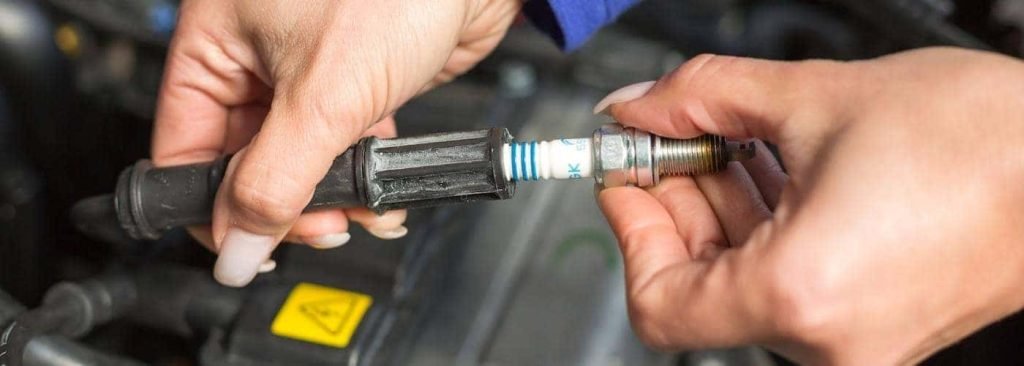
Have you ever wondered how often you should change your car’s spark plugs? It might seem like a small detail, but these tiny components play a huge role in keeping your engine running smoothly.
Ignoring them can lead to bigger problems down the road, affecting your car’s performance and fuel efficiency. In this blog post, we’ll uncover the secrets behind spark plug maintenance and how it can save you time and money. You’ll discover exactly when to change them and why it’s so crucial for the health of your vehicle.
Keep reading to ensure you’re not missing out on the simple steps to keep your car in top shape.
Role Of Spark Plugs
Spark plugs play a vital role in your vehicle’s engine. They help start the combustion process that powers your car. Without properly working spark plugs, your engine struggles to run smoothly. Understanding their role helps explain why regular changes matter.
Function In Engine
Spark plugs create a small electric spark inside the engine cylinder. This spark ignites the air-fuel mixture. The ignition causes a controlled explosion that pushes the piston down. This movement generates the power needed to turn the wheels. Each cylinder has its own spark plug to keep the engine running efficiently.
Impact On Performance
Good spark plugs ensure smooth engine starts and steady running. Worn or dirty spark plugs cause misfires and rough idling. They reduce fuel efficiency and increase emissions. Poor spark plug condition can lower engine power and responsiveness. Regular replacement keeps the engine performing at its best.
Signs Of Worn Spark Plugs
Worn spark plugs can quietly sabotage your vehicle’s performance. Ignoring their condition often leads to noticeable issues that can affect your daily driving experience. Spotting these signs early can save you from costly repairs and keep your engine running smoothly.
Engine Misfires
Have you ever felt your car jerk or hesitate while driving? This is often caused by engine misfires linked to worn spark plugs. When plugs fail to ignite the fuel-air mixture properly, the engine stumbles, causing rough idling or sudden power loss.
Misfires can also trigger warning lights on your dashboard. If you notice these symptoms, it’s a clear sign to inspect and possibly replace your spark plugs.
Reduced Fuel Efficiency
Are you filling up your tank more often than usual? Worn spark plugs can lower your vehicle’s fuel efficiency by causing incomplete combustion. This means your engine burns more fuel to produce the same power.
Pay attention to a drop in miles per gallon—it’s a subtle hint that your spark plugs might need changing. Keeping them in good shape helps you save money at the pump.
Difficulty Starting
Does your car take longer to start or struggle to turn over? This is a common symptom of aging spark plugs. When plugs wear out, they can’t generate the strong spark needed to ignite the engine quickly.
Experiencing this regularly means your spark plugs are not firing properly and could fail completely soon. Replacing them ensures smoother and quicker starts every time you turn the key.
Recommended Replacement Intervals
Knowing the recommended replacement intervals for spark plugs helps you maintain your vehicle’s performance without unnecessary spending. Spark plugs wear out over time, affecting fuel efficiency and engine smoothness. Understanding these intervals ensures you replace them before problems arise.
Standard Mileage Guidelines
Most spark plugs need replacement every 30,000 to 50,000 miles. Copper plugs typically last around 20,000 to 30,000 miles, while platinum and iridium plugs can last up to 100,000 miles.
Check your car’s owner manual for specific recommendations. Sticking to these guidelines can prevent misfires and rough idling.
Variations By Vehicle Type
Different vehicles have different spark plug needs. High-performance cars often require premium plugs that last longer, while older models might need more frequent changes.
For example, a sports car with a turbocharged engine may demand iridium plugs every 60,000 miles. Meanwhile, economy cars might get by with standard plugs changed every 30,000 miles.
Effect Of Driving Conditions
Driving habits and conditions greatly influence spark plug life. Frequent short trips, stop-and-go traffic, or towing heavy loads can wear plugs faster.
If you mostly drive in the city, consider checking your spark plugs sooner. Have you noticed any drop in fuel economy or engine hesitation? These could be signs your plugs need attention earlier than expected.

Credit: carfromjapan.com
Types Of Spark Plugs
Understanding the types of spark plugs can help you decide how often you need to change them. Different materials affect their durability, performance, and cost. Let’s look at the common types so you can make an informed choice for your vehicle.
Copper
Copper spark plugs are the most affordable option and have been used for decades. They conduct electricity well but wear out faster than other types. If you drive an older car or one with a simple engine, copper plugs might be enough, but expect to replace them every 20,000 to 30,000 miles.
Platinum
Platinum spark plugs last longer than copper ones because they have a harder metal tip. You can often go 60,000 miles before changing them. They provide better performance and efficiency, which might save you a bit on fuel over time.
Iridium
Iridium spark plugs are the most durable and expensive type. They can last up to 100,000 miles or more, making them a good investment if you want less frequent replacements. Their fine tips improve ignition and fuel efficiency, especially in modern engines.
Have you checked what type of spark plugs your car uses? Choosing the right one can save you time and money in the long run.
Checking Spark Plug Condition
Keeping an eye on your spark plugs’ condition is key to maintaining your engine’s performance. Checking spark plugs regularly helps you catch issues before they cause bigger problems. It’s not just about how often you change them, but also about understanding their current state.
Visual Inspection
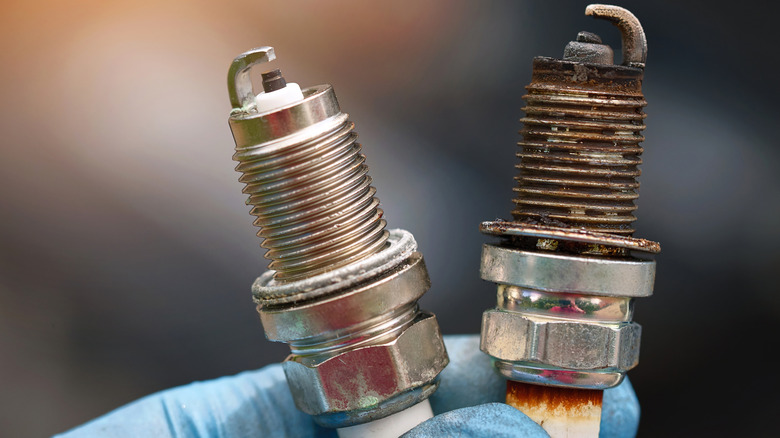
Look closely at the spark plug’s tip and body. Is there any buildup of black soot, oil, or ash? These deposits can tell you a lot about your engine’s health.
Check for cracks in the porcelain insulator or worn electrodes. A cracked insulator means it’s time for a replacement. Even small cracks can cause misfires or poor fuel efficiency.
Have you noticed your car hesitating or stalling? This might be linked to dirty or damaged spark plugs visible during your inspection.
Measuring Electrode Wear
Electrode wear affects the spark plug’s ability to ignite the fuel-air mixture properly. Use a spark plug gap tool to measure the distance between electrodes. If the gap is larger than the manufacturer’s recommended size, the plug needs adjustment or replacement.
Over time, electrodes erode due to heat and electrical stress. This erosion increases the gap and weakens the spark. You can often find the correct gap measurement in your vehicle’s manual or online.
Have you ever tried to check the gap yourself? It’s a simple step that can save you from unnecessary replacements and keep your engine running smoothly.
Diy Replacement Tips
Changing spark plugs by yourself can save money and boost your car’s performance. A DIY approach lets you understand your engine better. Follow clear steps to replace spark plugs safely and correctly. Prepare the right tools and take safety seriously for best results.
Tools Needed
- Spark plug socket wrench
- Ratchet and extension bar
- Gap gauge tool
- Torque wrench
- Anti-seize compound
- Dielectric grease
- Work gloves
- Safety glasses
- Compressed air or brush
Step-by-step Process
- Let the engine cool down completely to avoid burns.
- Remove the ignition wires carefully by pulling the boot, not the wire.
- Clean around the spark plug with compressed air or a brush.
- Use the spark plug socket and ratchet to loosen and remove the old plug.
- Check the gap on the new spark plug with the gap gauge.
- Apply a small amount of anti-seize compound on the plug threads.
- Insert the new spark plug carefully and hand-tighten it.
- Use the torque wrench to tighten the plug to the manufacturer’s specification.
- Apply dielectric grease inside the spark plug boot to protect against moisture.
- Reattach the ignition wires firmly to each spark plug.
- Start the engine to check for smooth running and proper installation.
Safety Precautions
- Always work on a cool engine to prevent burns.
- Wear gloves and safety glasses to protect hands and eyes.
- Avoid touching spark plug tips with bare hands to keep them clean.
- Disconnect the battery if working near electrical components.
- Follow the vehicle manual for correct torque settings and procedures.
- Work in a well-ventilated area to avoid inhaling fumes.
- Keep tools organized to prevent accidents and lost parts.
Benefits Of Timely Replacement
Replacing spark plugs on time offers more than just a fix; it directly impacts your vehicle’s performance and your driving experience. Neglecting this simple maintenance can lead to bigger issues, but staying on top of it ensures your car runs efficiently and smoothly. Let’s look at how timely spark plug changes benefit you in practical ways.
Improved Fuel Economy
Worn-out spark plugs cause incomplete combustion, which wastes fuel. By replacing them promptly, your engine burns fuel more efficiently, saving you money at the pump. Have you noticed a drop in your miles per gallon? It might be time to check those plugs.
Smoother Engine Operation
Old spark plugs can cause misfires and rough idling, making your drive less comfortable. Fresh plugs ignite fuel consistently, helping your engine run smoothly without jerks or stalls. Think about the last time your car hesitated—could a simple spark plug swap have fixed it?
Lower Emissions
Faulty spark plugs increase harmful emissions because of incomplete fuel burning. Timely replacement helps reduce pollutants released into the air, which is better for the environment and can help you pass emission tests. How often do you consider your vehicle’s impact on air quality?
Credit: www.slashgear.com
When To Consult A Mechanic
Knowing when to consult a mechanic about your spark plugs can save you from bigger car troubles down the road. Spark plugs might seem simple, but issues related to them can sometimes signal deeper problems. If you notice unusual engine behavior or if your car’s performance drops, it’s time to think about professional help.
Complex Issues
Some spark plug problems go beyond basic wear and tear. If your engine misfires repeatedly, struggles to start, or your fuel efficiency suddenly drops, these could be signs of complex issues.
Sometimes, worn spark plugs mask other engine troubles like ignition coil failure or fuel system problems. A mechanic can identify these hidden issues before they cause costly damage.
Diagnostic Tests
Mechanics use diagnostic tools to pinpoint the exact cause of spark plug problems. These tests can check spark plug gaps, ignition timing, and engine sensors.
Diagnostic scans often reveal error codes that you won’t see on a simple visual inspection. This helps in deciding whether your spark plugs need replacement or if another component is at fault.

Credit: www.reddit.com
Frequently Asked Questions
How Often Should Spark Plugs Be Replaced?
Spark plugs typically need replacement every 30,000 to 100,000 miles. Check your vehicle manual for exact intervals. Regular changes ensure optimal engine performance and fuel efficiency.
What Signs Indicate Spark Plug Replacement Is Needed?
Common signs include engine misfires, rough idling, poor fuel economy, and difficulty starting. If you notice these, inspect or replace spark plugs promptly.
Can Driving Habits Affect Spark Plug Lifespan?
Yes, aggressive driving and frequent short trips can wear spark plugs faster. Gentle driving and regular maintenance help extend their lifespan.
Are All Spark Plugs Changed At The Same Time?
Yes, it’s best to replace all spark plugs simultaneously. This maintains balanced engine performance and prevents uneven wear or damage.
Conclusion
Spark plugs need changing to keep your engine running well. Most cars require new plugs every 30,000 to 100,000 miles. Check your owner’s manual for the exact time. Worn plugs can cause poor fuel economy and engine problems. Regular checks help avoid costly repairs.
Clean, new spark plugs improve your car’s performance and start. Don’t wait for signs like rough idling or hard starts. Stay on schedule for smooth driving and better gas mileage. Simple care keeps your vehicle healthy and saves money.





