Have you ever wondered how long it takes to change spark plugs in your car? Whether you’re a DIY enthusiast or just trying to save some money on car maintenance, understanding this simple yet crucial task can make a big difference in your vehicle’s performance.
Imagine driving smoothly, with your engine purring like a kitten, knowing that you’ve done the job yourself. We’ll reveal the secrets to changing spark plugs efficiently, ensuring your car runs at its best and giving you the confidence to tackle more automotive tasks.
Keep reading to discover the step-by-step process, expert tips, and the potential time it might take, so you can plan your next car maintenance day with ease.

Credit: www.reddit.com
Signs It’s Time To Change Spark Plugs
Knowing when to change your spark plugs can save you from costly repairs and keep your car running smoothly. Spark plugs wear out over time, and recognizing the signs early helps you avoid breakdowns. Watch for specific changes in your vehicle’s performance that signal it’s time for new spark plugs.
Engine Misfires And Rough Idling
If your engine feels like it’s skipping beats or hesitating, it could be due to worn spark plugs. Misfires happen when the spark plug fails to ignite the fuel-air mixture properly.
You might notice your car shaking or vibrating more than usual when stopped or idling. These symptoms often mean your spark plugs aren’t firing consistently, causing rough idling.
Reduced Fuel Efficiency
Have you noticed your gas tank emptying faster than before? Old spark plugs can reduce your engine’s efficiency, leading to poorer fuel economy.
Your engine has to work harder to compensate for the weak spark, burning more fuel in the process. If your mileage suddenly drops without any change in driving habits, check the spark plugs.
Difficulty Starting The Engine
Struggling to start your car can be frustrating, especially on cold mornings. Spark plugs that are worn or fouled can make it harder for the engine to ignite.
If you find yourself turning the key multiple times before the engine fires up, it’s a clear sign the spark plugs need attention. Don’t wait too long—this issue can lead to a dead battery or starter problems.
Factors Affecting Spark Plug Lifespan
Spark plug lifespan varies widely based on several factors. Understanding these can help you know when to replace them. Some spark plugs last longer, while others wear out faster. Knowing what affects their life saves money and avoids engine trouble.
Driving Conditions
Driving style influences spark plug wear. Frequent short trips cause more buildup on plugs. Stop-and-go traffic heats plugs unevenly. High-speed or long-distance driving keeps plugs hotter and cleaner. Dusty or rough roads can also shorten spark plug life.
Type Of Spark Plugs
Different spark plugs have different lifespans. Copper plugs wear out faster but are cheaper. Platinum plugs last longer than copper. Iridium plugs offer the longest life and better performance. Choosing the right type depends on your vehicle and budget.
Engine Type And Age
Older engines may cause spark plugs to wear out quicker. Engines with more deposits can foul plugs faster. High-performance engines run hotter and stress plugs more. Regular maintenance helps extend spark plug life in all engines.
Recommended Replacement Intervals
Knowing when to replace your spark plugs can save you from unexpected engine troubles and costly repairs. The recommended replacement intervals vary depending on the type of spark plug and your vehicle’s specific needs. Understanding these intervals helps you maintain optimal engine performance and fuel efficiency.
Manufacturer Guidelines
Always check your vehicle’s owner manual for spark plug replacement intervals. Manufacturers design these guidelines based on rigorous testing tailored to your engine model. Following their advice ensures your spark plugs are replaced before performance drops or damage occurs.
Some manuals suggest changing spark plugs every 30,000 miles, while others recommend up to 100,000 miles. Have you ever ignored these guidelines only to experience rough idling or poor acceleration? Staying on schedule can prevent such issues.
Standard Vs. Long-life Spark Plugs
Standard spark plugs typically last around 20,000 to 30,000 miles. They are made from materials like copper, which wear out faster but cost less initially.
Long-life spark plugs, often made with platinum or iridium, can last between 60,000 and 100,000 miles. Though pricier upfront, these plugs reduce the frequency of replacements and often improve your engine’s efficiency.
Choosing the right type depends on your driving habits and budget. Would you rather replace spark plugs more often or invest in long-lasting ones?
When To Inspect Early
Certain signs mean you should inspect your spark plugs earlier than scheduled. If you notice engine misfires, decreased fuel economy, or difficulty starting your car, it’s time to check them.
Driving conditions also matter—frequent short trips, stop-and-go traffic, or dusty environments can wear plugs faster. Don’t wait for a warning light; a quick inspection can save you from bigger problems.
Have you ever caught spark plug issues before they turned serious? Early inspections often mean simpler fixes and lower costs.
Tools And Equipment Needed
Changing spark plugs isn’t just about twisting bolts; it requires the right tools to do the job efficiently and safely. Without proper equipment, you risk damaging the spark plugs or your engine components. Having the right tools on hand makes the process smoother and helps you avoid unnecessary frustration.
Spark Plug Socket And Ratchet
A spark plug socket is specially designed to fit spark plugs snugly, preventing damage during removal or installation. It usually has a rubber insert or a magnet to grip the plug securely. Pair this with a ratchet wrench to provide the necessary leverage for loosening or tightening the plugs without slipping.
Using a regular socket might seem easier, but it can easily strip the plug or get stuck. Have you ever struggled with a stuck spark plug? The right socket and ratchet can save you from that headache.
Gap Gauge
A gap gauge measures the space between the center and ground electrode of the spark plug. This gap is crucial for proper ignition and engine performance. Even new spark plugs might need adjustment to fit your vehicle’s specifications exactly.
Don’t guess the gap; use the gauge to check and adjust it carefully. A small difference can affect fuel efficiency and engine power, so precision matters here.
Torque Wrench
Over-tightening or under-tightening spark plugs can cause serious engine problems. A torque wrench ensures you apply just the right amount of force, protecting the threads and sealing the plug properly.
Think about the last time you worked on your car without measuring torque. Did you worry about snapping the plug or it coming loose later? Using a torque wrench removes that guesswork and adds peace of mind.
Step-by-step Spark Plug Replacement
Replacing spark plugs is a simple task that improves engine performance. Doing it yourself saves money and gives you control over your car’s health. The process involves preparing the engine, removing old plugs, checking gaps, and installing new ones.
Preparing The Engine
Make sure the engine is cool to avoid burns. Open the hood and locate the spark plugs. Clean the area around each plug to prevent dirt from entering the cylinder. Gather necessary tools like a ratchet, spark plug socket, and a gap tool.
Removing Old Spark Plugs
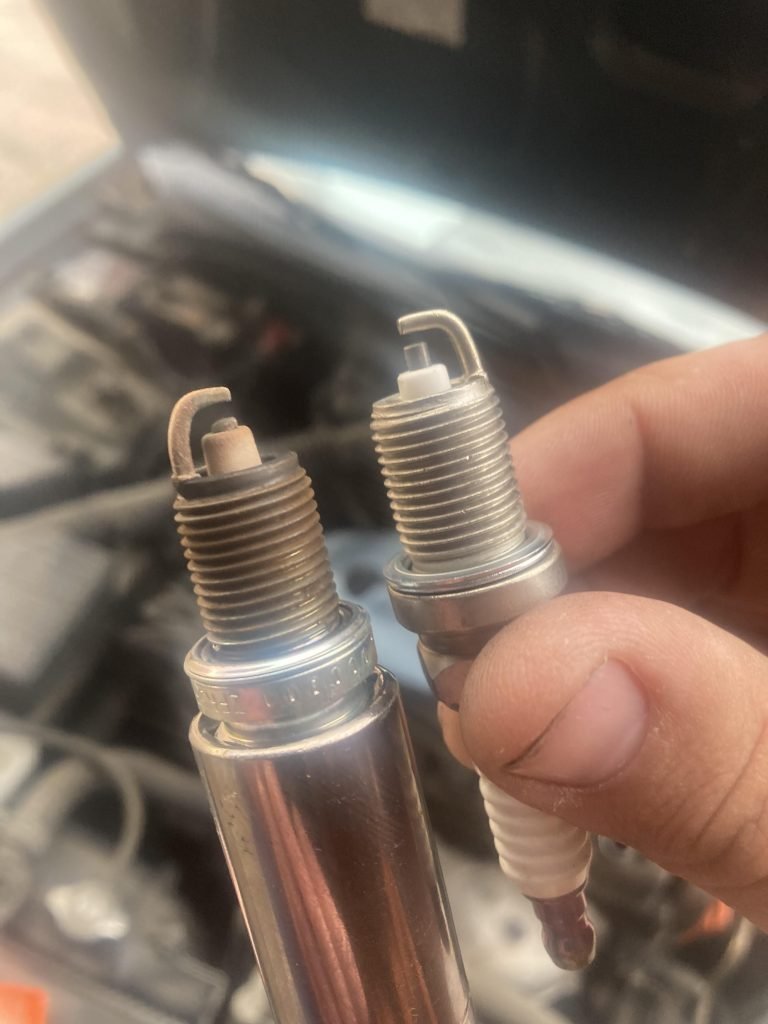
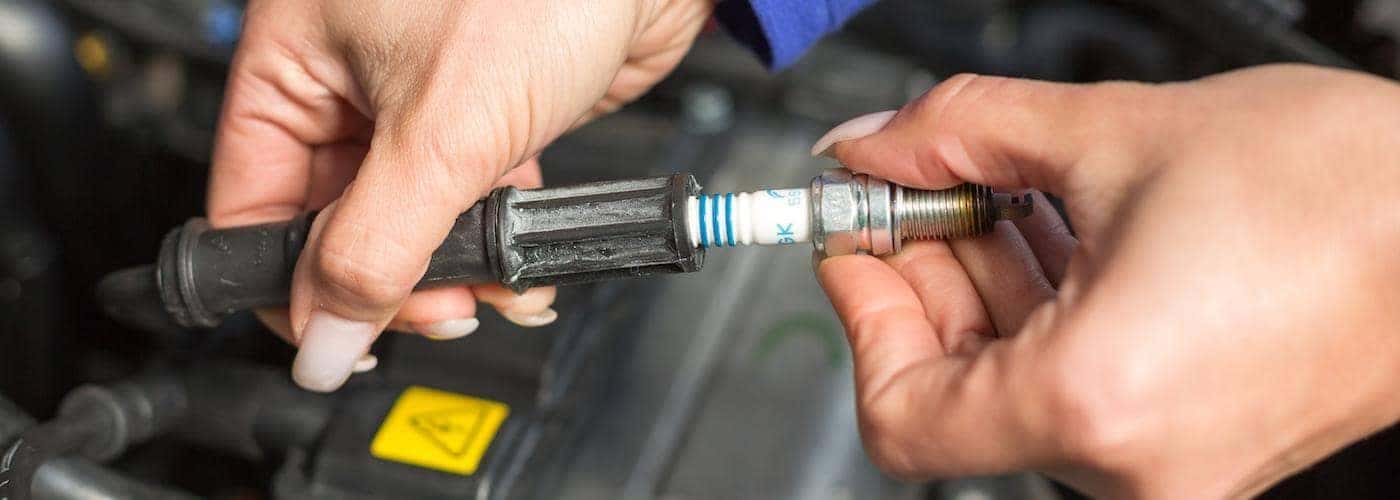
Remove the spark plug wires or coil packs carefully. Use the spark plug socket and ratchet to turn the plugs counterclockwise. Take out the old plugs gently. Inspect them for wear and damage to understand your engine’s condition.
Checking And Setting The Gap
Use a gap tool to measure the gap on the new spark plugs. Compare it with the manufacturer’s recommended gap. Adjust the gap by bending the ground electrode slightly if needed. Correct gap ensures proper spark and engine efficiency.
Installing New Spark Plugs
Insert the new spark plugs into the cylinder by hand to avoid cross-threading. Tighten them with the ratchet until snug, then give a slight extra turn. Reattach the spark plug wires or coil packs firmly. Double-check all connections before closing the hood.
Credit: www.terrylabontechevy.com
Expert Tips For Maintaining Spark Plug Health
Maintaining the health of your spark plugs is crucial for a smooth-running engine and better fuel efficiency. Neglecting them can lead to misfires, poor acceleration, and increased emissions. Here are some expert tips to help you keep your spark plugs in top condition and extend their lifespan.
Regular Inspections
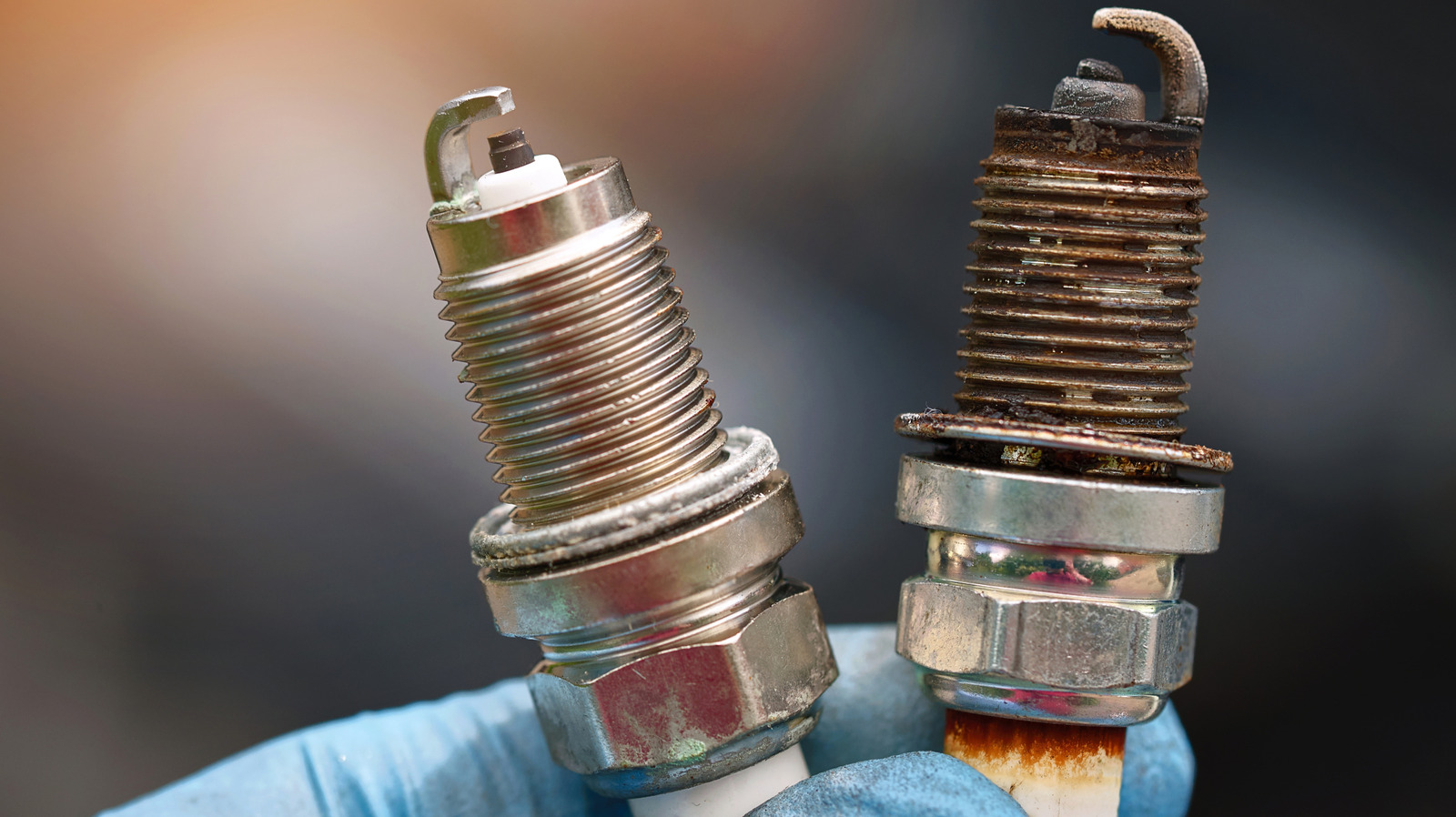
Check your spark plugs at least every 30,000 miles or during routine vehicle maintenance. Look for signs of wear such as carbon buildup, cracks, or erosion of the electrodes. Catching problems early can prevent costly engine damage and keep your car running efficiently.
Have you ever noticed your car hesitating or struggling to start? That’s often a sign that your spark plugs need attention. A quick inspection can save you from unexpected breakdowns.
Using Quality Fuel
The type of fuel you use directly affects spark plug health. Low-quality or contaminated fuel can cause deposits to form on the plugs, reducing their ability to ignite the air-fuel mixture properly.
Choose reputable fuel brands and consider using fuel additives occasionally to clean your engine. This simple step helps maintain cleaner spark plugs and improves overall engine performance.
Avoiding Engine Overheating
Excessive engine heat can damage spark plugs by causing electrode wear and premature failure. Monitor your vehicle’s temperature gauge and address any cooling system issues promptly.
Have you ever driven in heavy traffic or hot weather and noticed your engine running hotter than usual? Reducing engine stress during these conditions protects your spark plugs and other vital components from heat damage.
Credit: www.slashgear.com
Frequently Asked Questions
How Often Should Spark Plugs Be Changed?
Spark plugs should be changed every 30,000 to 100,000 miles, depending on your vehicle and spark plug type. Check your owner’s manual for specific recommendations to maintain engine performance and fuel efficiency.
What Happens If Spark Plugs Are Not Changed Timely?
Worn spark plugs cause poor engine performance, reduced fuel efficiency, and harder starts. Delaying replacement may lead to engine misfires and costly repairs.
Can I Change Spark Plugs Myself Safely?
Yes, with basic tools and knowledge, you can change spark plugs yourself. Ensure the engine is cool and follow your vehicle’s manual instructions carefully.
How Do I Know If Spark Plugs Need Changing?
Signs include rough idling, engine misfires, poor acceleration, and decreased fuel economy. Regular inspection helps spot worn plugs before problems worsen.
Conclusion
Spark plugs usually last between 30,000 and 100,000 miles. It depends on the type and car model. Changing them on time keeps your engine running smooth. Worn spark plugs can cause poor fuel economy and rough idling. Check your vehicle’s manual for the best schedule.
Regular maintenance saves money and avoids bigger problems. Don’t wait for signs of trouble. Keep your car healthy and enjoy a safer drive. Simple care goes a long way.





