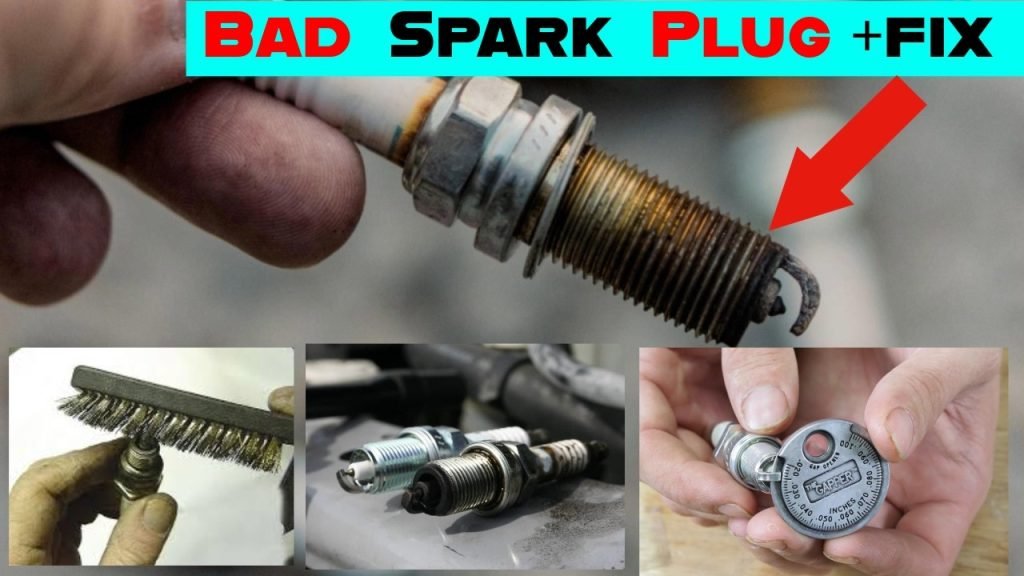
Have you ever felt your car acting up just when you need it most? Imagine cruising down the highway, and suddenly, your car starts to stutter.
The culprit could very well be bad spark plugs. These small components play a crucial role in keeping your engine running smoothly. But, what happens when they start to fail? Can you continue driving with bad spark plugs without causing more damage?
Your mind might be swirling with questions and concerns. Don’t worry, you’re not alone. We’ll unravel the mystery behind spark plugs and why ignoring their condition could lead to more headaches than you bargained for. Stick around, and you’ll discover how to spot the warning signs and what steps you should take next.
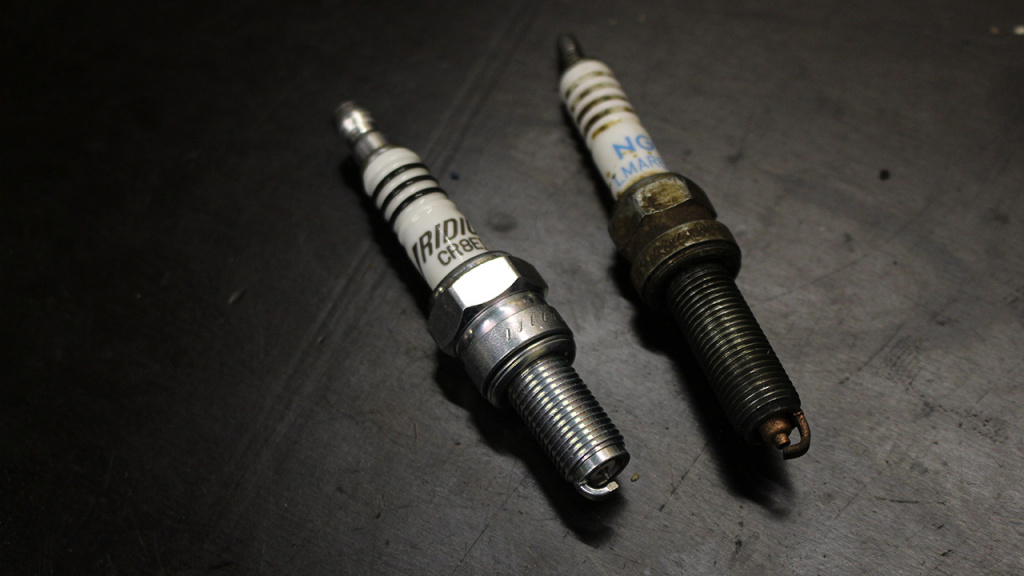
Credit: finntrail.com
Signs Of Bad Spark Plugs
Bad spark plugs can cause many car problems. They affect engine performance and fuel use. Knowing the signs helps to avoid bigger damage. Watch for changes in how your car runs. These clues show spark plugs need attention.
Engine Misfires
Engine misfires happen when spark plugs fail to ignite fuel properly. You may hear a jerking sound or feel shaking. This makes driving unsafe and damages the engine over time.
Poor Fuel Economy
Bad spark plugs waste fuel by not burning it fully. You will notice more trips to the gas station. This increases your car expenses and harms the environment.
Difficulty Starting
Starting your car can take longer with bad spark plugs. The engine struggles to catch fire and run smoothly. This problem grows worse if the plugs are ignored.
Rough Idling
Your car may shake or vibrate when idling. The engine runs unevenly due to weak sparks. This discomfort signals that spark plugs need checking.
Risks Of Driving With Faulty Spark Plugs
Driving with faulty spark plugs might seem like a minor issue at first. However, ignoring this problem can lead to serious consequences for your vehicle and your safety. Understanding the risks can help you decide when to get those spark plugs checked or replaced.
Engine Damage
Faulty spark plugs cause incomplete combustion, which puts extra stress on your engine. Over time, this stress can lead to overheating and damage to key engine components. Have you ever noticed your engine running rough or making strange noises? These could be early signs of damage caused by bad spark plugs.
Reduced Performance
Your car may struggle to accelerate or feel sluggish when spark plugs aren’t firing correctly. This happens because the engine isn’t getting the right spark to ignite the fuel efficiently. If you’ve been hitting the gas and getting less response, faulty spark plugs might be the culprit behind your car’s poor performance.
Increased Emissions
Bad spark plugs lead to incomplete fuel burning, which increases harmful emissions from your vehicle. This not only affects the environment but could also cause your car to fail emissions tests. Imagine paying for repairs and fines just because a small part like a spark plug was ignored.
Safety Concerns
Driving with faulty spark plugs can cause your engine to stall unexpectedly, especially in traffic or on busy roads. This sudden loss of power puts you and other drivers at risk. Have you considered how a simple spark plug failure might endanger your daily commute or road trips?
When To Replace Spark Plugs
Spark plugs play a crucial role in your car’s engine performance. They ignite the fuel-air mixture inside the cylinders. Over time, spark plugs wear out and lose efficiency. Knowing when to replace them helps avoid engine problems. Replace spark plugs at the right time to keep your car running smoothly.
Manufacturer Recommendations
Check your car’s owner manual for spark plug advice. Each manufacturer sets specific replacement intervals. These intervals depend on the spark plug type and engine design. Follow these guidelines to maintain engine health. Ignoring them can cause poor fuel economy and rough idling.
Mileage Guidelines
Standard spark plugs usually last 30,000 to 50,000 miles. Platinum or iridium plugs can last up to 100,000 miles. Consider replacing spark plugs near these mileage marks. Driving with worn plugs reduces engine power. Timely replacement avoids costly repairs later.
Visual Inspection Tips
Remove spark plugs for a quick check. Look for signs of wear like:
- Black soot or oil deposits
- Cracked or chipped insulator
- Worn or eroded electrodes
- Excessive gap between electrodes
Any of these signs mean it’s time to replace the spark plugs. Visual checks help spot problems early. Keep your engine firing cleanly and efficiently.

Credit: www.dodge-dart.org
Expert Tips For Spark Plug Maintenance
Maintaining spark plugs is key to keeping your car running smoothly. Bad spark plugs can cause rough idling, poor fuel economy, and difficulty starting. Follow expert tips to extend the life of your spark plugs and avoid costly repairs.
Choosing The Right Spark Plugs
Select spark plugs that match your vehicle’s make and model. Use plugs with the correct heat range for your engine. Consider materials like copper, platinum, or iridium based on performance and durability needs. Check your owner’s manual or ask a trusted mechanic for recommendations.
Regular Inspection Routine
Inspect spark plugs every 30,000 miles or as recommended. Look for signs of wear such as carbon buildup, cracks, or corrosion. Clean deposits gently with a wire brush or replace plugs if damaged. Keep an eye on engine performance for clues about spark plug condition.
Professional Vs Diy Replacement
Replacing spark plugs yourself saves money and is doable with basic tools. Follow safety steps and use a torque wrench for proper installation. Professionals offer quick service and expert checks. Choose based on your comfort level and tool availability.
Cost Implications Of Ignoring Spark Plug Issues
Ignoring bad spark plugs can lead to serious cost problems over time. Spark plugs help the engine run smoothly. When they fail, your car’s performance drops. This causes several expenses that add up quickly. Understanding these costs helps protect your wallet and vehicle.
Repair Expenses
Bad spark plugs cause engine misfires and rough idling. This can damage other parts like ignition coils and catalytic converters. Repair bills can rise fast due to these extra damages. Fixing spark plugs early is much cheaper than repairing engine parts.
Fuel Costs
Worn spark plugs reduce fuel efficiency. Your car burns more fuel to keep running. This means you spend more money at the gas station. Replacing spark plugs improves mileage and saves money on fuel in the long run.
Long-term Engine Health
Continuous driving with bad spark plugs harms the engine’s internal parts. It leads to overheating and poor combustion. Over time, the engine may suffer permanent damage. Maintaining good spark plugs helps extend engine life and reduce future repair costs.
Credit: www.myjeepcompass.com
Frequently Asked Questions
Can You Drive With Bad Spark Plugs Safely?
Driving with bad spark plugs is possible but not safe. They cause engine misfires and reduced power. Prolonged use can damage your engine and lower fuel efficiency.
How Do Bad Spark Plugs Affect Car Performance?
Bad spark plugs cause rough idling, poor acceleration, and engine misfires. They reduce fuel efficiency and can trigger the check engine light. Replacing them improves overall engine performance.
What Signs Indicate Bad Spark Plugs Need Replacement?
Signs include difficulty starting, rough idling, engine misfires, and reduced fuel economy. You might also notice hesitation during acceleration or a loss of power. Regular inspection helps catch these early.
Can Bad Spark Plugs Cause Engine Damage?
Yes, bad spark plugs can cause engine damage. Misfires stress engine components and lead to overheating. Ignoring them can result in costly repairs and reduced engine lifespan.
Conclusion
Driving with bad spark plugs can harm your car’s engine. It may cause rough idling, poor fuel economy, and difficulty starting. Ignoring the problem can lead to bigger, costly repairs. Replacing spark plugs on time keeps your car running smoothly.
Regular check-ups help catch issues early. Don’t wait until the engine stalls or breaks down. Safe driving means a healthy engine. Take action soon to avoid trouble on the road. Better performance and savings come with good spark plugs. Keep your vehicle in top shape by maintaining them well.





