
Have you ever wondered what really keeps your car’s engine purring smoothly? If you’ve ever found yourself perplexed by the inner workings of your vehicle, you’re not alone.
One of the unsung heroes under your hood is the spark plug. These tiny components play a crucial role in the overall performance of your car. Without them, your engine simply wouldn’t start. Imagine turning the key in the ignition and hearing nothing but silence.
That’s what life would be like without spark plugs. You’ll discover exactly what spark plugs do in a car and why they are vital for your vehicle’s health. Understanding their function can save you time, money, and a lot of frustration down the road. So, if you’re eager to keep your car running smoothly and efficiently, keep reading to uncover the magic behind these small but mighty components.
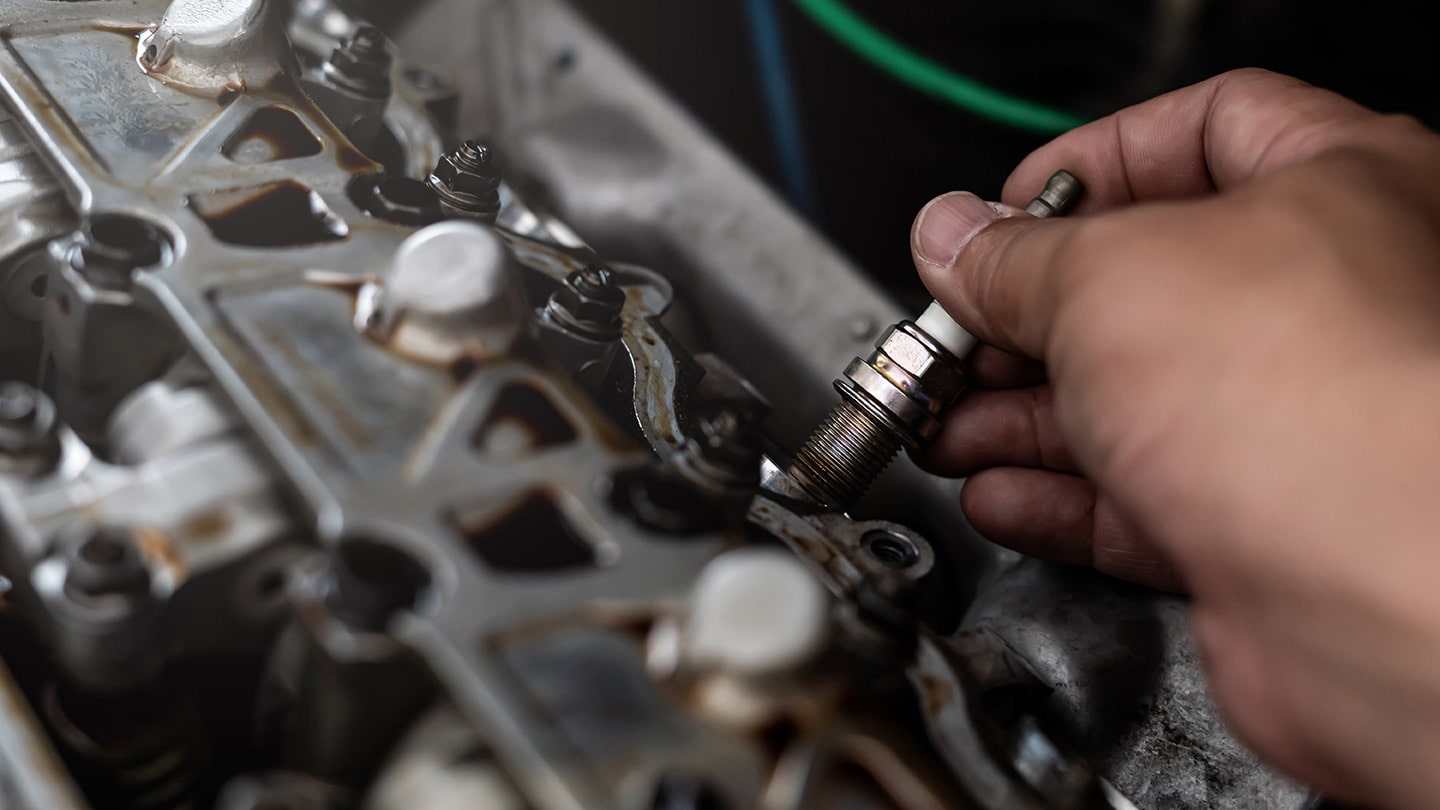
Credit: www.chase.com
Role Of Spark Plugs
The role of spark plugs in your car is more crucial than many realize. They act as the tiny but mighty ignition source that powers your engine. Without their precise function, your car wouldn’t start or run smoothly.
Ignition Of Air-fuel Mixture
Spark plugs create a small electric spark that ignites the air and fuel mixture inside the engine cylinders.
This ignition sets off a controlled explosion, producing the power needed to move your car.
Think about the last time your engine hesitated or stalled—often, worn spark plugs are the silent cause behind that issue.
Starting The Engine
When you turn the key or push the start button, spark plugs are the first to act.
They generate sparks that kickstart the combustion process, allowing your engine to come alive.
If your car struggles to start, checking the spark plugs can often point you to the problem quickly.
Maintaining Combustion
Once your engine is running, spark plugs continue firing hundreds of times per minute.
They keep the combustion process steady and efficient, which directly affects your car’s performance and fuel economy.
Ever noticed a drop in power or increased fuel consumption? It might be time to inspect your spark plugs for wear or fouling.
How Spark Plugs Work
Spark plugs play a vital role in car engines by igniting the fuel-air mixture. Their main job is to create a spark at the right moment. This spark starts the combustion process, powering the engine. Understanding how spark plugs work helps you grasp how your car runs smoothly.
Creating The Spark
Spark plugs produce a tiny electrical spark in the engine’s cylinder. This spark ignites the fuel and air mix. The spark must be strong enough to jump the small gap between the plug’s electrodes. This jump creates a burst of energy that lights the fuel.
Heat Generation
As the spark plug fires, it also generates heat. This heat helps burn the fuel completely. The plug needs to stay hot enough to avoid fouling but not too hot to cause damage. Proper heat balance ensures efficient engine performance.
Electrical Circuit
The spark plug works as part of an electrical circuit. The ignition coil sends high voltage to the plug. This voltage travels through the plug to produce the spark. The circuit resets quickly for the next spark, keeping the engine running smoothly.
Types Of Spark Plugs
Choosing the right spark plug can impact your car’s performance and fuel efficiency. Different types of spark plugs offer varying durability and heat conductivity. Understanding these options helps you make smarter maintenance decisions and keep your engine running smoothly.
Copper Spark Plugs
Copper spark plugs have a solid copper core, which makes them excellent at conducting heat. They tend to provide a strong spark, which is great for older or classic vehicles that require a reliable ignition source.
However, copper plugs wear out faster than others, often needing replacement every 20,000 to 30,000 miles. If you drive a car with a standard ignition system and want a budget-friendly option, copper plugs might suit you well.
Platinum Spark Plugs
Platinum spark plugs last longer than copper ones due to a thin platinum disc welded to the electrode. They handle higher temperatures better and resist corrosion, which means less frequent changes—around 60,000 miles or more.
They work well for modern vehicles with electronic ignition systems, providing consistent performance. Have you noticed smoother starts or better fuel economy after switching to platinum plugs? Many drivers do.
Iridium Spark Plugs
Iridium spark plugs offer the best durability and performance. The iridium alloy is extremely hard, allowing the electrode to be very fine and precise. This results in a stronger spark and improved combustion efficiency.
Though more expensive, iridium plugs can last up to 100,000 miles and often improve throttle response and fuel economy. If you want to get the most out of your engine’s power and efficiency, iridium plugs are worth considering.
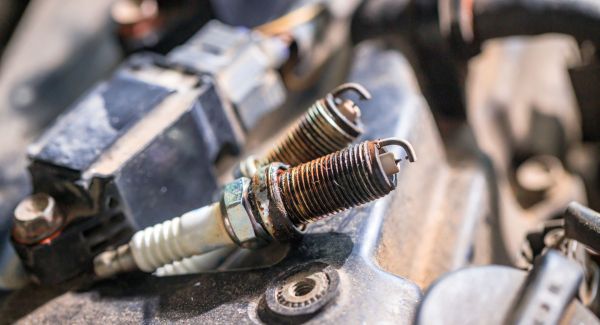
Credit: www.waynesgarageinc.net
Signs Of Spark Plug Issues
Spark plugs play a vital role in your car’s engine performance. When they start to fail, your car shows clear signs. Recognizing these signs early helps avoid bigger problems. Here are common symptoms of spark plug issues.
Engine Misfires
Engine misfires happen when spark plugs fail to ignite fuel properly. You may feel the engine jerking or shaking. This causes rough idling and loss of power. Misfires can damage the engine if ignored for too long.
Poor Fuel Economy
Worn spark plugs do not burn fuel efficiently. This leads to increased fuel consumption. You might notice more frequent stops at the gas station. A drop in miles per gallon is a key warning sign.
Hard Starting
Cars with bad spark plugs often struggle to start. The engine may crank longer than usual before turning over. Cold mornings make this problem worse. Hard starting wastes battery power and can leave you stranded.
Spark Plug Maintenance
Maintaining your spark plugs is key to keeping your car running smoothly and efficiently. Neglecting them can lead to poor fuel economy, rough idling, and engine misfires. Paying attention to spark plug care helps you avoid costly repairs and keeps your vehicle performing at its best.
Inspection Tips
Regularly check your spark plugs for signs of wear or damage. Look for carbon buildup, oil deposits, or worn electrodes, which can cause misfires. A quick visual inspection every 10,000 miles can reveal problems before they affect your engine’s performance.
Use a spark plug gap tool to measure the electrode gap. If the gap is too wide or too narrow, it can cause inefficient combustion. Adjusting this gap ensures your spark plugs ignite the fuel-air mixture properly.
Replacement Intervals
Most spark plugs need replacement between 30,000 to 100,000 miles, depending on the type and your vehicle’s recommendations. Ignoring this timeline can lead to decreased power and harder starts. Check your owner’s manual for specific intervals tailored to your car.
Have you noticed your car hesitating or stalling? It might be time to replace your spark plugs sooner. Staying ahead of wear prevents these frustrating issues and keeps your engine reliable.
Proper Installation
Installing spark plugs the right way is crucial. Start by cleaning the spark plug hole to prevent debris from entering the engine. Use a torque wrench to tighten the plugs to the manufacturer’s specifications—too tight can damage the threads, too loose can cause poor performance.
Applying a small amount of anti-seize compound on the plug threads can make future removal easier. Also, double-check the spark plug gap before installation to ensure optimal ignition. Taking these steps saves you time and headaches down the road.
Impact On Vehicle Performance
The spark plugs in your car play a crucial role beyond just igniting the fuel-air mixture. Their condition directly affects how well your vehicle performs on the road. Understanding their impact can help you maintain a smoother, more efficient drive.
Fuel Efficiency
Worn or faulty spark plugs can cause incomplete combustion, which means your engine uses more fuel to generate the same power. Have you ever noticed your car’s gas mileage dropping unexpectedly? That’s often a sign your spark plugs need attention.
Replacing them can restore fuel efficiency, saving you money at the pump and reducing the frequency of fill-ups. Efficient combustion means your engine burns fuel cleaner and better, directly impacting how far you can go on a tank.
Engine Power
Your car’s engine power depends heavily on the spark plugs firing correctly at the right moment. Misfires or weak sparks reduce the engine’s ability to produce power, leading to sluggish acceleration and poor overall performance.
If your car struggles to climb hills or feels less responsive, spark plugs could be the culprit. Fresh spark plugs ensure each cylinder fires efficiently, giving you the power you expect when you press the gas pedal.
Emission Control
Poorly functioning spark plugs can increase harmful emissions by causing incomplete fuel combustion. This not only impacts the environment but can also lead to failed emissions tests and costly repairs.
By maintaining your spark plugs, you help your car burn fuel more completely, reducing pollutants like carbon monoxide and unburned hydrocarbons. Cleaner combustion means your vehicle runs cleaner and meets emission standards more easily.

Credit: craigscarcare.com
Frequently Asked Questions
What Do Spark Plugs Do In A Car Engine?
Spark plugs ignite the air-fuel mixture inside the engine cylinders. This ignition creates the combustion needed to power the car. Without spark plugs, the engine cannot start or run efficiently, making them essential for vehicle operation.
How Often Should Spark Plugs Be Replaced?
Spark plugs typically need replacement every 30,000 to 100,000 miles. The exact interval depends on the type and vehicle model. Regular replacement ensures optimal engine performance, better fuel efficiency, and smoother driving.
What Happens If Spark Plugs Fail?
If spark plugs fail, the engine may misfire, stall, or have poor acceleration. Fuel efficiency drops and emissions increase. Faulty spark plugs can cause starting problems and damage to other engine components.
Can Bad Spark Plugs Affect Fuel Economy?
Yes, bad spark plugs reduce fuel efficiency. They cause incomplete combustion, wasting fuel and lowering engine power. Replacing worn plugs improves mileage and reduces harmful emissions.
Conclusion
Spark plugs play a key role in your car’s engine. They create sparks that start the fuel burning process. This burning powers the engine and moves the car. Without good spark plugs, the engine may run poorly or not start at all.
Regular checks keep them working well and save you from bigger problems. Understanding spark plugs helps you care for your car better. Simple maintenance goes a long way in keeping your ride smooth and reliable. Remember, small parts like spark plugs make a big difference.





