Have you ever felt a sudden drop in your car’s performance or noticed your fuel efficiency slipping away? It might be time to take a closer look at your spark plugs.
Often overlooked, these tiny components play a crucial role in keeping your vehicle running smoothly. Changing spark plugs might not be on your regular maintenance checklist, but it should be. By the end of this article, you’ll discover exactly why making this small change can have a big impact on your driving experience.
Imagine smoother rides, fewer trips to the gas station, and the peace of mind knowing your car is performing at its best. Read on, and find out how a simple switch can transform your car’s efficiency and reliability.

Credit: beachautomotive.com
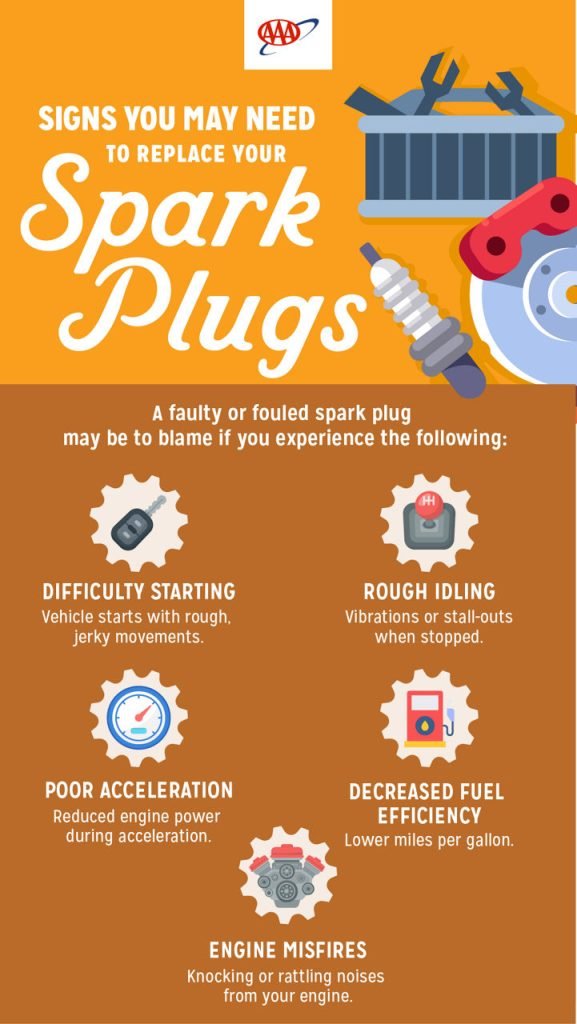
Signs Of Worn Spark Plugs
Worn spark plugs can quietly sabotage your vehicle’s performance without you noticing right away. Recognizing the signs early can save you from costly repairs and keep your car running smoothly. Let’s look at some clear symptoms that tell you it’s time to change those spark plugs.
Engine Misfires
Have you felt your engine stumble or jerk while driving? This often means your spark plugs aren’t firing properly. Misfires happen because worn plugs fail to ignite the fuel-air mix efficiently, causing rough idling or sudden power loss.
Ignoring misfires can damage your engine’s components over time. If your car hesitates when accelerating or you notice unusual vibrations, check the spark plugs immediately.
Poor Fuel Economy
Are you filling up your tank more often than usual? Old spark plugs can cause incomplete combustion, which wastes fuel. This means your engine uses more gas to get the same power, hitting your wallet hard.
Tracking your mileage closely can reveal subtle drops in efficiency. If your fuel costs are rising without a change in driving habits, worn spark plugs might be the culprit.
Difficulty Starting
Struggling to start your car can be frustrating, especially on cold mornings. Faulty spark plugs can make ignition harder because they don’t produce a strong enough spark to light the fuel.
Have you noticed your engine turning over longer than usual before it fires up? This delay is a warning sign to replace your spark plugs before it leaves you stranded.

Credit: simonsautorepairtaunton.com
Impact On Engine Performance
Changing spark plugs is vital for keeping your engine running smoothly. Worn or dirty spark plugs can harm engine performance in several ways. This affects how well your car starts, runs, and handles fuel.
Reduced Power Output
Old spark plugs cause weak or inconsistent sparks. This leads to incomplete fuel burning inside the engine. The engine loses power and feels sluggish. Acceleration slows down. Your car may struggle on hills or during heavy loads.
Increased Emissions
Faulty spark plugs cause poor fuel combustion. Unburned fuel turns into harmful emissions. This pollutes the air and may cause your car to fail emission tests. Changing spark plugs helps reduce pollution and improves fuel efficiency.
Rough Idling
Bad spark plugs make the engine run unevenly at idle. You may notice shaking or vibrations inside the car. The engine might stall or hesitate to keep running. Replacing spark plugs restores smooth and steady idling.
Benefits Of New Spark Plugs
New spark plugs bring noticeable improvements to your vehicle’s performance. They help the engine burn fuel more efficiently and run cleaner. Replacing old spark plugs can save money on fuel and reduce engine wear. Here are some key benefits of installing new spark plugs.
Improved Fuel Efficiency
New spark plugs create a stronger spark. This leads to better fuel combustion. The engine uses fuel more completely, wasting less. As a result, your car consumes less gas. This can lower your fuel costs over time.
Enhanced Acceleration
Fresh spark plugs help the engine respond faster. They ignite the fuel-air mixture quickly and evenly. This gives your car a smoother and quicker start. Improved ignition means better power delivery when you press the gas pedal.
Smoother Engine Operation
Old spark plugs can cause rough idling or stalling. New plugs provide consistent firing, which stabilizes the engine. This reduces vibrations and noise. Your engine runs more quietly and smoothly, making driving more comfortable.
When To Replace Spark Plugs
Knowing when to replace your spark plugs is key to keeping your engine running smoothly. Worn-out spark plugs can cause rough starts, poor fuel economy, and engine misfires. But how do you figure out the right time to change them? Let’s break down the most reliable ways to know when your spark plugs need attention.
Manufacturer Recommendations
Your vehicle’s manual is the best place to start. Manufacturers provide specific guidelines on spark plug replacement intervals tailored to your car’s engine type and spark plug model. Following these recommendations helps avoid premature wear and unexpected breakdowns.
For example, some newer cars with iridium or platinum spark plugs can go up to 100,000 miles before needing a change. Others with copper plugs might require replacement every 20,000 to 30,000 miles. Ignoring this advice can lead to engine trouble that could have been prevented.
Mileage And Time Intervals
Even if your car runs smoothly, spark plugs don’t last forever. Mileage and time both matter. Generally, spark plugs need changing every 30,000 to 100,000 miles depending on their type and your driving conditions.
Think about how often you drive. If your car sits unused for months, deposits can build on the plugs, causing misfires. So, a good rule is to check them every few years regardless of mileage.
Signs Indicating Replacement
Sometimes your car tells you when spark plugs need replacing. Notice if your engine struggles to start, idles roughly, or feels less responsive. These are common signs of worn plugs.
Other red flags include poor fuel economy and engine knocking sounds. If you’ve ever experienced these, don’t wait—inspect your spark plugs or have a mechanic do it. Catching issues early saves you money and keeps your car reliable.
Choosing The Right Spark Plugs
Choosing the right spark plugs can make a significant difference in your vehicle’s performance and fuel efficiency. It’s not just about picking the cheapest option available; understanding the types, materials, and compatibility will help you get the best results. Have you ever wondered why some spark plugs last longer or perform better in your car? Let’s break down what you need to know.
Types Of Spark Plugs
Spark plugs come in several types, each designed for specific engine needs and driving conditions. The most common types include:
- Copper Spark Plugs:Great for older vehicles and budget-friendly options. They offer good conductivity but wear out faster.
- Platinum Spark Plugs:Last longer than copper and provide better performance. Ideal for newer cars with longer maintenance intervals.
- Iridium Spark Plugs:Known for durability and high performance. They can improve fuel efficiency and ignition but tend to cost more.
Choosing the right type depends on what your vehicle needs and how you drive. Have you checked what type your manufacturer recommends?
Material Differences
The material used in the spark plug’s electrode impacts its lifespan and efficiency. Copper plugs heat up quickly but wear out faster. Platinum and iridium plugs are more resistant to wear and can last up to 60,000 to 100,000 miles.
Iridium’s fine wire design allows better ignition at lower voltages, which means your engine runs smoother. If you’ve ever experienced rough idling or poor acceleration, upgrading the material might solve those problems.
Compatibility With Your Vehicle
Not all spark plugs fit every engine. Your vehicle’s make, model, and engine type determine the correct spark plug size, heat range, and gap. Using the wrong spark plug can cause misfires, reduced fuel efficiency, and engine damage.
Always check your owner’s manual or consult a trusted mechanic before buying. Have you ever tried installing a spark plug that didn’t quite fit? The risks aren’t worth it.
Diy Spark Plug Replacement Tips
Replacing spark plugs yourself can save you money and give you a better understanding of your vehicle’s health. It’s a task that’s simpler than many think, especially when you have the right tools and clear instructions. Getting hands-on with your car builds confidence and keeps you in control of maintenance schedules.
Required Tools
- Spark plug socket:A deep socket designed to fit spark plugs securely without damaging them.
- Ratchet wrench:Essential for loosening and tightening the spark plugs.
- Extension bar:Helps reach spark plugs located deep in the engine bay.
- Torque wrench:Ensures spark plugs are tightened to the manufacturer’s specifications.
- Gap gauge:Measures and adjusts the spark plug gap for optimal performance.
- Anti-seize lubricant (optional):Prevents spark plugs from sticking in the cylinder head.
- Dielectric grease:Protects the spark plug boot and improves electrical connection.
Step-by-step Process
Start by letting your engine cool down completely to avoid burns. Locate your spark plugs by checking your vehicle’s manual or online guides specific to your model.
Carefully remove the spark plug wires or ignition coils without pulling on the wires themselves. Use the spark plug socket and ratchet to loosen and remove the old plugs. Check each spark plug’s condition and compare it to what’s normal for your engine.
Adjust the gap on the new spark plugs using the gap gauge. Apply a small amount of anti-seize lubricant to the threads if recommended. Insert the new plug carefully to avoid cross-threading, then tighten with a torque wrench to the correct setting.
Finish by applying dielectric grease inside the boot before reconnecting wires or coils. Repeat for each spark plug, then start your engine to test for smooth operation and improved performance.
Common Mistakes To Avoid
- Over-tightening:This can strip threads or damage the spark plug. Use a torque wrench and follow specifications exactly.
- Ignoring the gap:A wrong gap reduces engine efficiency and can cause misfires. Always measure and adjust the gap before installation.
- Pulling on wires:This can damage ignition wires or connectors. Always grip the boot when removing spark plugs.
- Skipping anti-seize lubricant:Without it, plugs may seize in the cylinder head, making future removal difficult.
- Not letting the engine cool:Working on a hot engine risks burns and can damage spark plugs during removal.
Have you ever tried DIY spark plug replacement? What surprised you the most during the process? Sometimes, the smallest part like a spark plug can make a huge difference in how your engine runs.
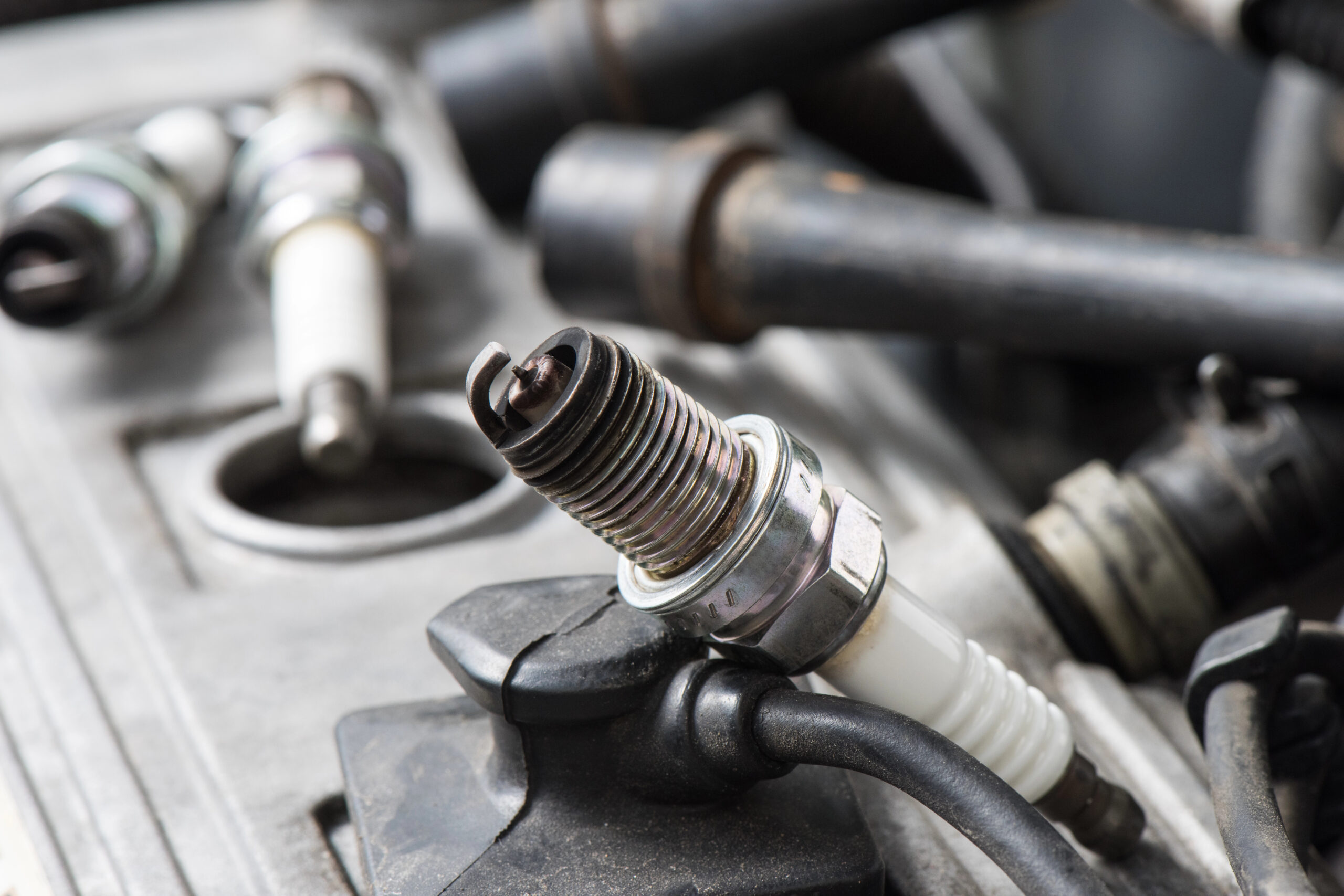
Credit: jerry.ai
Frequently Asked Questions
Why Is Changing Spark Plugs Important?
Changing spark plugs ensures efficient engine performance. Worn plugs cause misfires, poor fuel economy, and rough idling. Regular replacement keeps your vehicle running smoothly and prevents costly repairs.
How Often Should Spark Plugs Be Replaced?
Spark plugs typically last 30,000 to 100,000 miles. Check your vehicle’s manual for specific intervals. Regular inspection helps maintain optimal engine function and fuel efficiency.
What Are Signs Of Faulty Spark Plugs?
Common signs include engine misfires, difficulty starting, reduced fuel economy, and rough idling. If you notice these, inspect and replace spark plugs promptly to avoid engine damage.
Can Old Spark Plugs Damage The Engine?
Yes, worn spark plugs can cause misfires and incomplete combustion. This leads to engine strain, reduced performance, and increased emissions. Timely replacement protects engine health.
Conclusion
Changing spark plugs keeps your engine running smooth and strong. It helps save fuel and cuts down on harmful emissions. Worn spark plugs can cause rough starts and poor performance. Regular replacement avoids costly repairs later on. Clean spark plugs also improve your car’s power.
Small effort, big benefits. Keep your vehicle healthy and efficient by changing spark plugs on time. Don’t wait until problems show up. Simple maintenance makes a big difference in driving comfort.





