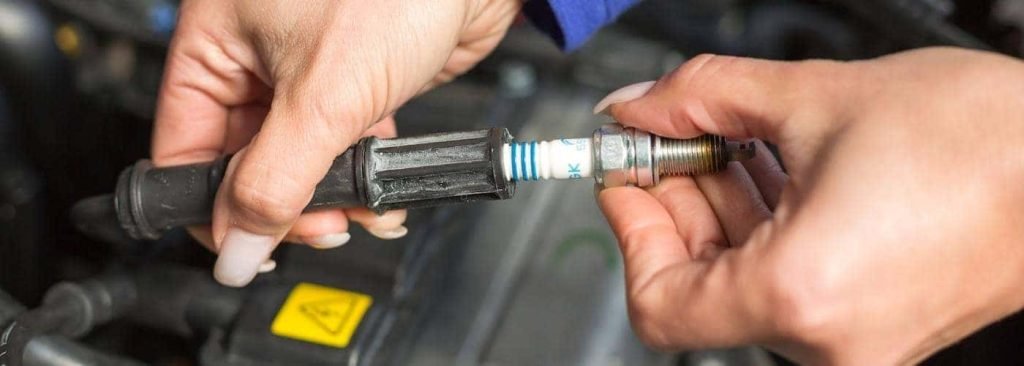
Are you wondering how often you need to change your spark plugs? This small, yet vital component of your vehicle plays a crucial role in keeping your engine running smoothly.
Ignoring them can lead to reduced performance and costly repairs. But don’t worry, you’re not alone in this confusion. Many vehicle owners are unsure of when exactly to replace these little powerhouses. We’ll demystify the lifespan of spark plugs and help you understand the signs of wear and tear to watch out for.
Stay with us, because knowing when to change your spark plugs can save you time, money, and keep your vehicle purring like a kitten.
Spark Plug Basics
Spark plugs are small but vital parts of your car’s engine. They create sparks that ignite the fuel-air mix inside the engine cylinders. This process powers the engine and keeps your vehicle running smoothly. Understanding the basics of spark plugs helps you know why they need regular checks and replacements.
Role In Engine Performance
Spark plugs light the fuel-air mixture in each cylinder. This ignition creates the power needed to move your car. Good spark plugs ensure smooth starting and steady engine running. Worn or dirty plugs cause misfires, rough idling, and poor fuel efficiency. They also increase emissions and can damage other engine parts. Keeping spark plugs in good condition helps maintain engine power and fuel economy.
Types Of Spark Plugs
Spark plugs come in various types, each suited for different engines and conditions. Common types include:
- Copper Spark Plugs:Affordable and good conductors but wear out faster.
- Platinum Spark Plugs:Last longer and resist corrosion better than copper.
- Iridium Spark Plugs:Most durable and provide strong sparks for better performance.
- Double Platinum Spark Plugs:Have platinum on both electrodes for longer life.
Choosing the right type depends on your car’s make and driving needs. Proper spark plugs improve engine efficiency and reduce maintenance costs.
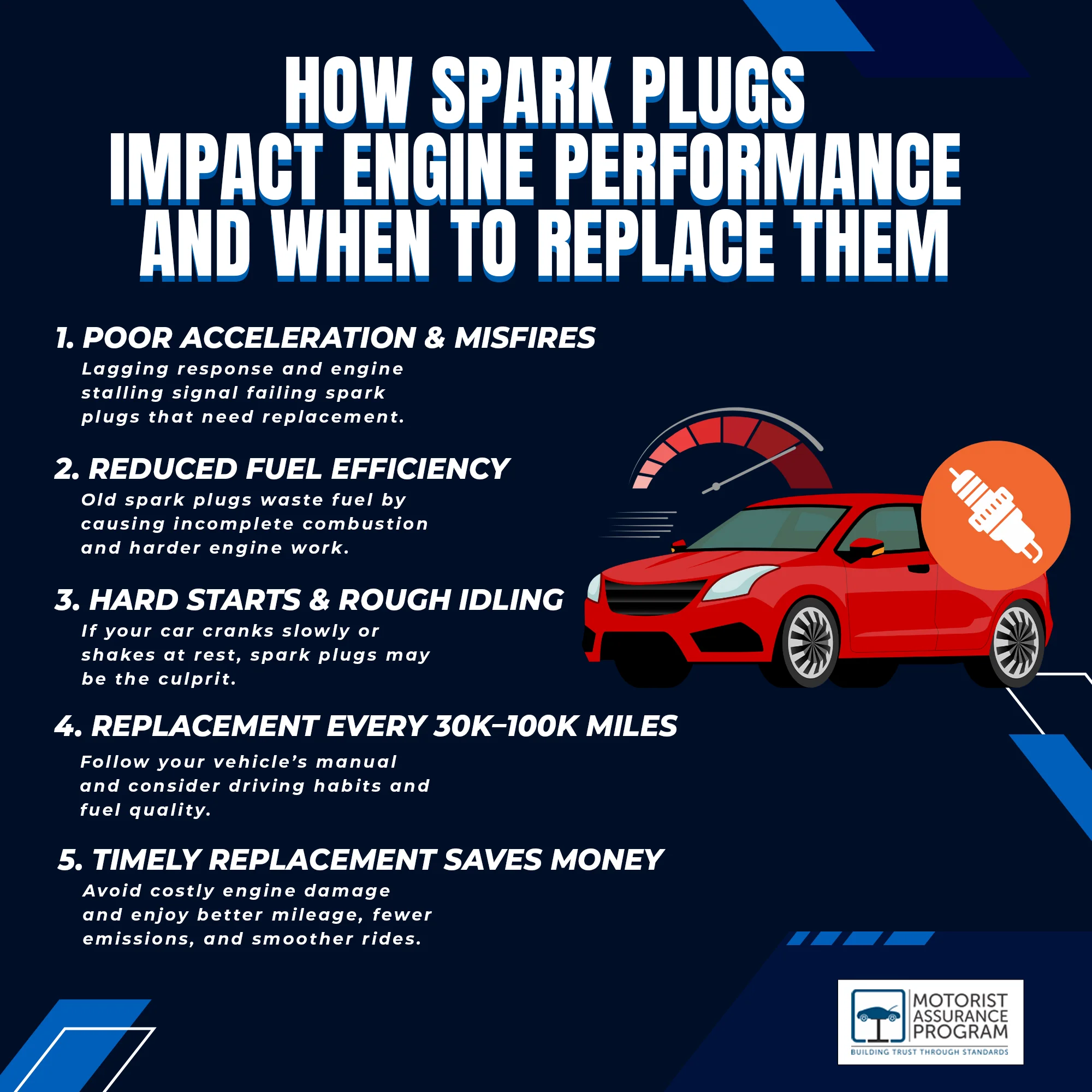
Credit: motorist.org
Signs Of Worn Spark Plugs
Worn spark plugs can cause several problems in your car’s engine. Knowing the signs helps you fix issues early. This keeps your engine running smoothly and saves money on repairs.
Engine Misfires And Rough Idling
Old spark plugs often cause engine misfires. The engine may hesitate or jerk while driving. Rough idling is another sign. The engine shakes or feels uneven when the car is stopped. These problems happen because worn plugs fail to ignite fuel properly.
Reduced Fuel Efficiency
Worn spark plugs lower your car’s fuel efficiency. Your engine burns more fuel than usual. This means you need to fill the tank more often. Replacing spark plugs improves fuel use and lowers costs.
Difficulty Starting The Engine
Hard starts can point to bad spark plugs. The engine may crank longer before it starts. Sometimes, it won’t start at all. New spark plugs provide a strong spark. This makes starting the engine easier and faster.
Manufacturer Recommendations
Manufacturer recommendations are your best starting point when deciding how often to change your spark plugs. These guidelines come from the experts who designed your vehicle and understand its specific needs. Ignoring these can lead to poor engine performance or even damage over time.
Mileage Guidelines
Most manufacturers suggest changing spark plugs anywhere between 30,000 to 100,000 miles. The wide range depends on the type of spark plugs used—copper plugs usually need replacement closer to 30,000 miles, while platinum or iridium plugs can last much longer.
Check your owner’s manual for the exact mileage recommendation for your car. Have you ever driven beyond the recommended interval and noticed rough idling or reduced fuel efficiency? These signs often mean your spark plugs are overdue for a change.
Impact Of Driving Conditions
Driving habits and conditions can influence how often you should replace your spark plugs. Frequent stop-and-go traffic, short trips, or driving in dusty or dirty environments can wear out your plugs faster than highway driving.
If you live in an area with harsh conditions, consider changing your spark plugs earlier than the manufacturer’s mileage guideline. How often do you adjust your car maintenance based on your daily driving routine? Tailoring your schedule can help avoid unexpected engine problems.

Credit: www.acg.aaa.com
Factors Affecting Spark Plug Life
Understanding the factors that affect spark plug life can save you time and money. Spark plugs don’t wear out at the same rate for every car or driver. Various elements impact how long they last before you need to replace them.
Engine Type And Design
Your engine’s design plays a big role in spark plug longevity. High-performance engines often run hotter and at higher RPMs, which can wear out spark plugs faster. On the other hand, engines built for everyday driving tend to be gentler on spark plugs.
Think about your car’s make and model. A turbocharged engine usually stresses spark plugs more than a naturally aspirated one. Knowing your engine type can help you set realistic expectations for spark plug replacement intervals.
Fuel Quality
Fuel quality directly affects spark plug life and overall engine health. Low-quality or contaminated fuel can cause deposits to build up on the plugs, leading to misfires and reduced efficiency. This buildup forces you to change spark plugs sooner than expected.
If you’ve ever noticed your engine running rough after filling up at a questionable gas station, your spark plugs might be the first to suffer. Using high-quality fuel can help keep your spark plugs cleaner and lasting longer.
Driving Habits
Your driving style influences how quickly spark plugs wear out. Frequent short trips don’t allow the engine to reach optimal temperature, causing deposits to accumulate on the spark plugs. Conversely, steady highway driving helps burn off buildup and extends spark plug life.
Do you often find yourself stuck in stop-and-go traffic? That kind of driving can increase spark plug wear. Being mindful of how you drive can make a noticeable difference in when you need to replace those plugs.
When To Inspect Spark Plugs
Knowing when to inspect your spark plugs can save your engine from damage. Spark plugs wear out over time and affect car performance. Regular checks ensure your vehicle runs smoothly and efficiently. Early detection of spark plug issues prevents costly repairs.
Routine Maintenance Schedule
Inspect spark plugs every 30,000 to 50,000 miles. This depends on your vehicle and spark plug type. Consult the owner’s manual for specific intervals. Some newer spark plugs last up to 100,000 miles. Regular inspections help catch wear before failure.
During routine maintenance, remove and check the spark plugs. Look for signs like deposits, wear, or cracks. Clean or replace them based on their condition. This keeps the engine firing properly and improves fuel efficiency.
Symptoms Prompting Early Checks
Check spark plugs sooner if you notice engine problems. Common symptoms include:
- Hard starts or engine misfires
- Poor fuel economy
- Rough idling or stalling
- Loss of power during acceleration
- Engine knocking or pinging sounds
These signs indicate spark plugs may be failing. Early inspection helps fix issues before they worsen. Don’t wait for scheduled checks if problems arise suddenly.
Replacing Spark Plugs
Replacing spark plugs is a key part of maintaining your vehicle’s engine health. Over time, spark plugs wear out and can cause misfires, reduced fuel efficiency, and rough idling. Knowing how and when to replace them can save you money and keep your car running smoothly.
Diy Replacement Tips
If you decide to replace spark plugs yourself, make sure you have the right tools ready. A spark plug socket, ratchet wrench, and a gap gauge are essential. Before removing old plugs, clean around the area to prevent debris from falling into the engine.
Take out one spark plug at a time to avoid mixing up the wires. Check the gap on your new plugs using a gap tool and adjust if necessary—this ensures proper firing. Tighten the plugs carefully; too loose, and they can cause compression leaks, too tight, and you risk damaging the threads.
Choosing The Right Spark Plug
Selecting the correct spark plug for your car is more important than you might think. Check your owner’s manual for the recommended type and heat range. Using the wrong plug can lead to poor performance or engine damage.
Consider the material too—copper plugs are cheaper but wear out faster, while iridium or platinum plugs last longer and provide better ignition. How often do you want to do this job? That can help you decide on your spark plug choice.
Professional Service Considerations
Sometimes, a professional mechanic is the best choice, especially if your engine has a complex design or hard-to-reach spark plugs. Professionals can spot other issues like ignition coil problems or wiring faults during the replacement.
They also have the right tools to ensure the plugs are installed with the correct torque and gap. Do you know the last time your spark plugs were checked? A quick visit to a trusted mechanic might be a smart move to avoid future headaches.
Impact Of Spark Plug Maintenance
Maintaining your spark plugs isn’t just a routine task; it has a direct impact on how your vehicle performs and lasts. Ignoring spark plug upkeep can lead to reduced engine power, increased fuel consumption, and even costly repairs down the line. Understanding this impact can help you prioritize timely changes and keep your car running smoothly.
Improved Engine Efficiency
Clean and well-functioning spark plugs ignite the fuel-air mixture more effectively. This means your engine fires smoothly, using fuel efficiently without wasting energy. Have you noticed your car hesitating or struggling to start? It could be a sign that your spark plugs need attention to restore that smooth, powerful performance.
Lower Emissions
Faulty spark plugs cause incomplete combustion, which leads to higher emissions of harmful gases. By keeping your spark plugs in good shape, you help your vehicle burn fuel cleaner and reduce its environmental footprint. Wouldn’t you want your car to be kinder to the planet while saving money on fuel?
Enhanced Vehicle Longevity
Consistent spark plug maintenance reduces strain on engine components by ensuring proper ignition timing. This lessens wear and tear, helping your vehicle last longer and avoid expensive repairs. Think about how much you invest in your car; regular spark plug changes protect that investment and keep your ride reliable for years.
Credit: modernautoparts.co.za
Frequently Asked Questions
How Often Should Spark Plugs Be Replaced?
Spark plugs typically need replacement every 30,000 to 100,000 miles. Check your vehicle’s manual for exact intervals. Regular replacement ensures optimal engine performance and fuel efficiency.
What Are Signs Of Worn Spark Plugs?
Common signs include engine misfires, rough idling, poor fuel economy, and difficulty starting the car. If you notice these, inspect or replace your spark plugs promptly.
Can Bad Spark Plugs Damage My Engine?
Yes, faulty spark plugs can cause misfires and poor combustion. This may lead to engine damage if left unattended. Regular checks help prevent costly repairs.
Does Driving Style Affect Spark Plug Lifespan?
Aggressive driving can wear spark plugs faster due to higher engine stress. Gentle driving may extend their lifespan. Always follow manufacturer guidelines for maintenance.
Conclusion
Spark plugs need changing to keep your engine running well. Most cars require a change every 30,000 to 100,000 miles. Check your car’s manual for exact timing. Worn spark plugs can cause poor fuel economy and rough idling. Regular checks help avoid costly repairs later.
Clean, working spark plugs improve power and start your car easily. Don’t ignore strange engine sounds or misfires. Taking care of spark plugs saves money and stress. Keep your car healthy by replacing spark plugs on time. Simple maintenance makes a big difference in performance.





