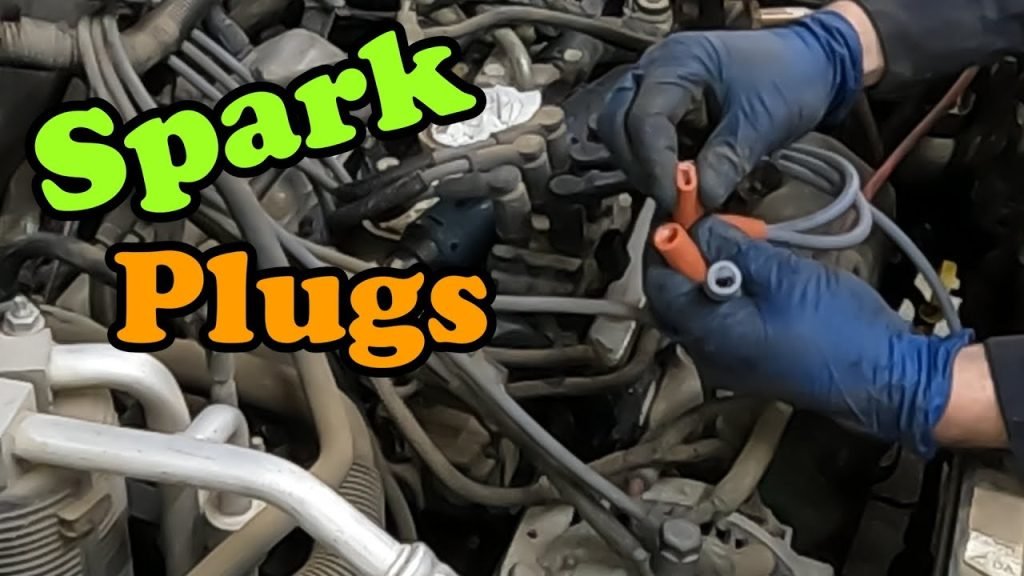
Are you wondering where the spark plugs are located in your car? You’re not alone.
Many car owners find themselves puzzled by this question. But, understanding their location is crucial for maintaining your vehicle’s performance and ensuring a smooth ride. Spark plugs play an essential role in starting your engine and keeping it running efficiently.
You’ll discover exactly where to find these small yet mighty components. We’ll guide you step-by-step, making it easy for you to locate them and potentially save on costly mechanic visits. Ready to unlock the secrets under your car’s hood? Let’s dive in!
What Spark Plugs Do
Spark plugs play a vital role in making a car engine work. They create a spark that lights the fuel and air mixture inside the engine. This small spark causes a tiny explosion that powers the engine and moves the car.
Without spark plugs, the engine cannot start or run smoothly. They ensure the engine burns fuel efficiently. This helps the car use less fuel and produce less pollution.
Igniting The Air-fuel Mixture
Spark plugs deliver a high-voltage spark to ignite the fuel inside the engine. This spark happens at the right moment to start combustion. The combustion pushes the pistons down, creating power.
Maintaining Engine Performance
Good spark plugs help the engine run smoothly and efficiently. They prevent misfires, rough idling, and poor acceleration. Healthy spark plugs improve fuel economy and reduce emissions.
Withstanding Harsh Conditions
Spark plugs must resist extreme heat and pressure inside the engine. They are made from strong materials to last long. Regular checks and replacements keep the engine reliable.

Credit: www.youtube.com
Common Spark Plug Locations
Finding the spark plugs on your car can sometimes feel like a scavenger hunt. Knowing their common locations saves time and effort, especially if you want to check or replace them yourself. Spark plugs are crucial because they ignite the fuel-air mixture in the engine, so understanding where they sit helps you maintain your car better.
Under The Engine Cover
Many modern cars hide the spark plugs beneath the engine cover. This cover often needs to be removed before you can access the plugs. If you’re unsure, check for a large plastic or metal shield sitting on top of the engine block—that’s usually the engine cover.
Removing this cover reveals the spark plugs tucked underneath, often in neat rows. You might be surprised how clean and organized the engine bay looks once you lift the cover. Have you ever lifted your engine cover before? It’s easier than it sounds.
Along The Cylinder Head
Spark plugs are typically screwed directly into the cylinder head. This part is the top section of the engine block where combustion happens. You’ll see small, cylindrical protrusions along the side or top of the cylinder head—that’s where the spark plugs sit.
If your car has a straight engine, the spark plugs line up along one side. For V-shaped engines, they’re located on both sides. Spotting them here helps you plan your maintenance or repairs more efficiently.
Near The Ignition Coils
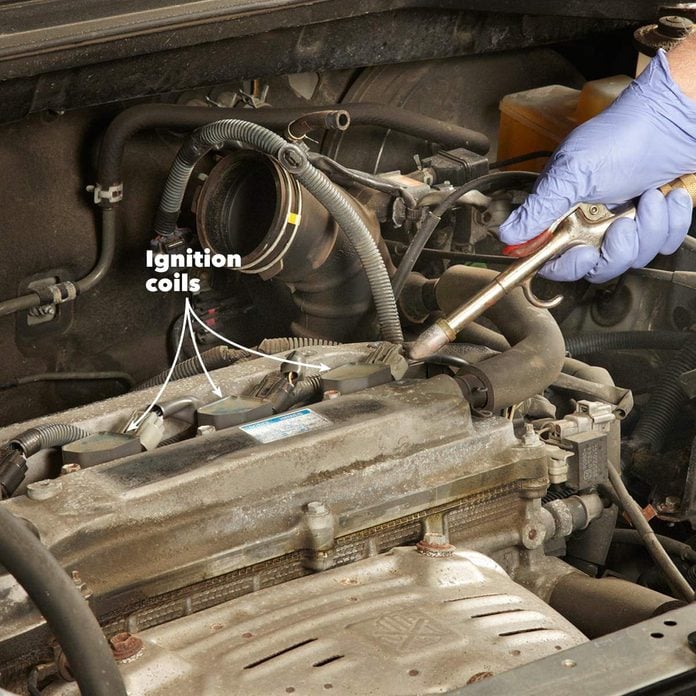
Each spark plug usually has an ignition coil attached or nearby. These coils send the electrical charge to the spark plugs, so they’re closely connected. You can often find the spark plugs right under or next to these coils.
Look for thick wires or coil packs plugged directly into the engine—that’s a strong hint. Removing these coils carefully gives you access to the spark plugs. Have you noticed these coils when you peeked under your hood? They’re key to the ignition process.
Tools Needed To Find Spark Plugs
Knowing the right tools to find your car’s spark plugs can save you time and frustration. Spark plugs are often tucked away in hard-to-see spots, so having the proper equipment makes the job smoother and safer. Before you start, gather a few essential tools that will help you locate and access these critical components with ease.
Basic Hand Tools
You’ll need a few basic hand tools to get started. A ratchet wrench with the right socket size is crucial since spark plugs usually require a deep socket to reach them. Most cars use either a 5/8-inch or 13/16-inch spark plug socket, so keep both handy if you’re unsure.
Besides the socket, having a set of screwdrivers and pliers can be helpful. Some engines have covers or components that need to be removed before you can see the spark plugs. These tools let you carefully detach clips or screws without causing damage.
Flashlight Or Inspection Light
Visibility is a common challenge when searching for spark plugs. Engine compartments are often dark and cramped, so a bright flashlight or an inspection light becomes your best friend. A handheld flashlight works well, but a flexible-neck inspection light can reach tight corners and shine directly where you need it.
Think about how many times you’ve struggled to see inside your engine bay. Having a dedicated light source allows you to identify spark plugs quickly, reducing guesswork and preventing accidental slips. Would you rather fumble around in the dark or clearly spot each plug the first time?

Credit: www.youtube.com
Steps To Locate Spark Plugs Quickly
Locating spark plugs quickly can save you time and frustration during car maintenance. Knowing exactly where to look and how to access them helps you avoid unnecessary steps and potential damage. Here’s a clear guide to help you find your car’s spark plugs efficiently.
Open The Hood Safely
Start by parking your car on a flat surface and turning off the engine. Wait for the engine to cool down to avoid burns. Then, release the hood latch inside your car and lift the hood carefully, securing it with the prop rod or hydraulic struts.
Identify The Engine Type
Look at your engine layout to determine if it’s an inline, V-type, or flat engine. Spark plugs are usually located on the cylinder head, but the exact position changes with the engine design. Knowing your engine type helps you focus on the right area without random searching.
Follow The Spark Plug Wires
Locate the thick wires or ignition coils that connect directly to the spark plugs. These wires usually run from the distributor or ignition coil pack to the spark plugs. Tracing these wires is one of the fastest ways to pinpoint where the spark plugs sit.
Remove Engine Covers If Necessary
Some cars have plastic or metal covers hiding the spark plugs. If you can’t see the spark plug wires or ignition coils clearly, use a screwdriver or socket wrench to remove these covers. Keep the screws in a safe place so you can easily reattach the covers after inspection.
Tips For Different Engine Designs
Different engine designs place spark plugs in unique spots. Knowing these spots helps in quick checks or replacements. This section breaks down spark plug locations by engine type.
Inline Engines
Inline engines have cylinders arranged in a straight line. Spark plugs sit on the top of each cylinder head. Usually, they are easy to spot and reach. Look along one side of the engine block. You will see a row of spark plug wires or coils.
V-shaped Engines
V-shaped engines have two cylinder banks forming a “V.” Spark plugs are on the inner side of each bank. This means they face each other near the engine’s center. Access can be tight. Use a flashlight and a long socket wrench for better reach.
Boxer Engines
Boxer engines place cylinders flat and opposite each other. Spark plugs sit on the top of each cylinder. You can find them on both sides of the engine. Each side usually has its own set of spark plugs and wires. Space is often limited, so careful handling is key.
When To Check Or Replace Spark Plugs
Spark plugs are small but vital parts of your car’s engine. They help ignite the fuel and air mixture to keep the engine running smoothly. Knowing when to check or replace spark plugs helps avoid engine problems and saves money on repairs.
Checking spark plugs regularly ensures your car runs efficiently. Worn or dirty spark plugs cause poor engine performance and higher fuel use. Replacing spark plugs at the right time keeps your car in good shape.
Signs That Spark Plugs Need Checking
- Engine misfires or runs rough
- Difficulty starting the car
- Drop in fuel efficiency
- Engine idles unevenly
- Loss of power during acceleration
Recommended Spark Plug Replacement Intervals
Check your car’s owner manual for specific intervals. Most spark plugs last between 30,000 and 100,000 miles. Some high-quality plugs can last even longer. Regular checks help spot issues before they get worse.
How Driving Conditions Affect Spark Plug Life
Stop-and-go city driving wears spark plugs faster. Short trips prevent full engine warming, leading to deposits. Dusty or dirty environments increase wear. High-speed or heavy-load driving puts extra strain on plugs.
Credit: www.familyhandyman.com
Frequently Asked Questions
Where Are Spark Plugs Located On A Car Engine?
Spark plugs are usually found on the cylinder head of the engine. They sit between the engine block and the ignition coil. In most cars, they are accessed by removing the engine cover or ignition coil packs.
How To Find Spark Plugs In Different Car Models?
Spark plug locations vary by engine type and model. Inline engines have plugs on one side, V engines have plugs on both sides. Consult your car manual or search online for model-specific diagrams to locate them accurately.
Can I See Spark Plugs Without Removing Engine Parts?
In some engines, spark plugs are visible under ignition coils or spark plug wires. However, most require removing covers or coils for clear access. Proper tools and care are needed to avoid damage during inspection.
Why Is Knowing Spark Plug Location Important?
Knowing spark plug locations helps with maintenance and troubleshooting. It allows you to replace faulty plugs, improve engine performance, and avoid misfires. Regular checks can prevent costly engine problems.
Conclusion
Spark plugs sit on top of the engine’s cylinders. You can usually find them by following the thick wires. They play a key role in starting your car and keeping it running smoothly. Knowing their location helps with basic car care and troubleshooting.
Regular checks can prevent engine problems. Remember, spark plugs need replacement over time. Simple steps keep your car healthy and reliable. Understanding these basics makes car maintenance less confusing. It saves time and money in the long run.





